The Moment I Arrived: A Symphony of Rice Spoons
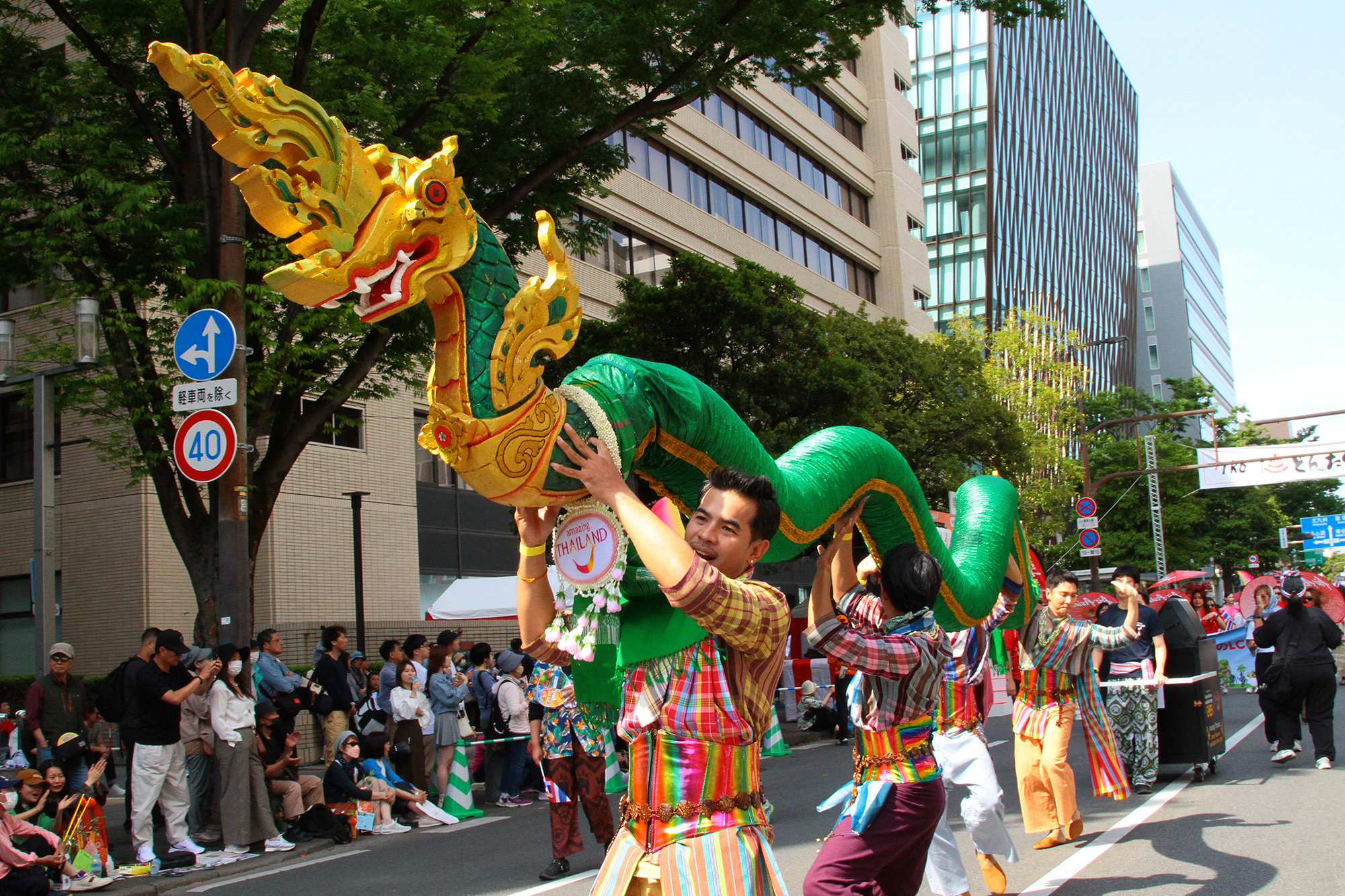
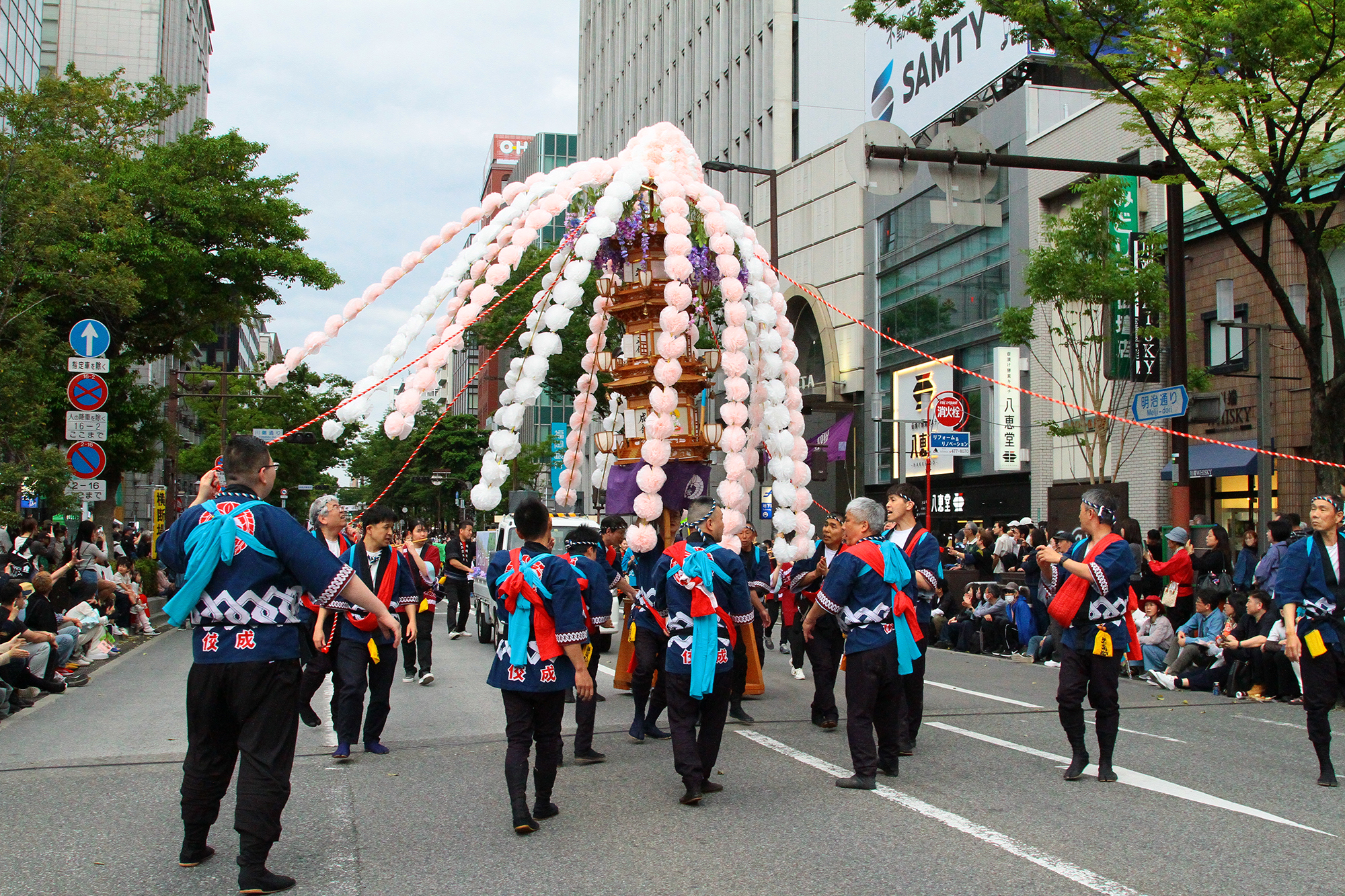
The first thing you hear isn't the music—it's the rhythmic clack-clack-clack of thousands of wooden rice spoons. I remember my first time in Fukuoka for Dontaku back in 2019. I was standing near the Meiji-dori intersection, nursing a mild hangover from the previous night's yatai crawl, and suddenly this wave of sound just hit me. It’s called Hakata Dontaku, and if you think you’ve seen a parade, you haven't seen two million people turn a city into a giant, dancing street party. The name 'Dontaku' actually comes from the Dutch word 'Zondag,' meaning Sunday or holiday. It’s got this weird, wonderful history that dates back over 800 years. Back then, it was called Matsubayashi, a New Year’s greeting to the local lords. The government actually banned it during the Meiji era because it was 'too extravagant,' but the people of Fukuoka—who are notoriously stubborn and love a good party—just renamed it and kept going. That’s the kind of energy you’re walking into. nnI’ve been to festivals all over Japan, from the refined Awa Odori in Tokushima to the massive Gion Matsuri in Kyoto, but Dontaku feels different. It’s less 'look at our culture' and more 'come dance with us until your feet hurt.' You’ll see grandmas in full kimono, kids in superhero costumes, and corporate salarymen who have clearly had one too many beers, all clicking those rice spoons (shamoji) together. Why the spoons? Legend says a housewife heard the music, grabbed her spoons, and joined in. Now, it’s the festival’s signature sound. It's loud. It's messy. It's perfect. If you want to dive into the local food scene before the parade kicks off, I highly recommend booking a street food tour to get your bearings.
Golden Week Essential
Stay in the Heart of Fukuoka
Tenjin and Hakata are the two main hubs for the festival. Staying here means you can walk to the parade route and avoid the absolute chaos of the subway during peak hours.
Golden Week hotels in Fukuoka sell out 4-6 months in advance—don't wait.
Find Hotels ↗
It’s the best way to find the hidden yatai stalls that aren't just tourist traps. I made the mistake of just following the crowds my first year and ended up in a line for 45 minutes just for a mediocre yakisoba. Don't be me. Get a guide or a plan. On top of that, the sheer scale of the event means you need to be strategic about where you stand. If you're just wandering aimlessly, you'll miss the best groups.
If you want to feel like a local, buy your own pair of Shamoji (rice spoons) at a 100-yen shop before you arrive. When the parade passes, just start clicking along. You'll get way more smiles and waves from the performers!
What Most People Get Wrong: The Flower Car Chase
Here’s the thing: most people just stand on the main sidewalk of Meiji-dori and get crushed by the crowd. Don't be that person. I made that mistake my first year and ended up seeing nothing but the back of a very tall man's head for three hours. If you want the real experience, head toward the Kushida Shrine area early in the morning. That’s where the 'Hakata Matsubayashi' groups start, and it’s way more intimate. You get to see the three gods of fortune on horseback, which is a wild sight in the middle of a modern city. Also, everyone talks about the 'Hana Jidosha'—these massive, over-the-top decorated trucks covered in thousands of lights and flowers. They’re like something out of a psychedelic dream from the 70s. nnBut here's what most people miss: they look fine during the day, but they are spectacular at night. I usually skip the afternoon heat and find a spot near Tenjin Central Park around 6:00 PM to watch them glow. Another hot take? The main parade is long. Like, five-hours-long. You don't need to see the whole thing. Pick a two-hour window, then go explore the 'Dontaku Squares' (performance stages) scattered around the city. There are over 30 of them! My favorite is usually the one near the port because you get a sea breeze, which is a lifesaver in the May humidity. Speaking of Tenjin, if you’re planning to stay in the heart of the action, you need to book your hotel months in advance because Golden Week is no joke.
Top Rated
Fukuoka Street Food & Culture Tour
Navigate the complex world of Fukuoka's yatai (street food stalls) with a local who knows which ones are authentic and which ones are just for show.
Skip the 1-hour lines at the famous stalls and eat like a local.
Book Tour ↗
I once tried to find a room two weeks before, and the only thing left was a smoking-room capsule hotel three train stops away. Trust me, stay in Tenjin or Hakata if you can afford it; being able to walk back to your room when the trains are sardine-cans is worth every yen. And whatever you do, do not wear heels or fancy shoes. I saw a girl lose a shoe in a drainage grate near Solaria Plaza and she looked like she wanted to cry. Stick to broken-in sneakers. Seriously. Your feet will thank me.
The 'Hana Jidosha' trucks have a specific tracking website during the festival. Instead of waiting blindly, you can check their real-time location and 'intercept' them at a less crowded street corner.
How to Actually Plan This: Golden Week Survival
Let’s talk logistics, because Golden Week in Japan is basically the final boss of travel planning. Hakata Dontaku happens on May 3rd and 4th every year, rain or shine. And speaking of rain, there’s a local legend called 'Dontaku Rain'—it almost always rains at least once during the festival. I’ve stood in a downpour with a 7-Eleven umbrella watching dancers who didn't miss a single beat. Bring a lightweight poncho; you’ll thank me later. To get here, you’re likely taking the Shinkansen to Hakata Station. If you’re coming from Tokyo or Osaka, do yourself a favor and reserve your seats the literal minute they go on sale (one month prior). I’ve spent the five-hour journey from Tokyo standing in the vestibule between cars because I forgot to book. It’s not fun. nnOnce you’re in Fukuoka, the city is surprisingly walkable, but the subway is your best friend for jumping between Hakata and Tenjin. Wear shoes you’ve already broken in. The paths around the shrines are gravel, and the parade route is hard asphalt. Oh, and bring a small bag for trash. Japan doesn't have many bins, and with two million people eating yakisoba on the street, you’ll be carrying that empty tray for a while. Finally, the absolute highlight is the 'Soh-odori' on the evening of the 4th. This is when the barriers come down and everyone—literally everyone—is invited to join the dance. You don't need to know the moves; just follow the person in front of you and click those spoons. It’s the most 'human' I’ve ever felt in a crowd that size. It’s messy, it’s loud, and you’ll probably get stepped on, but it’s the soul of Fukuoka. If you’re coming from outside Kyushu, checking out the rail pass options is a must to save some cash on those expensive bullet trains. You're going to want to bookmark the Shinkansen schedule early, trust me. It's a lot to handle, but it's the best way to see the real Kyushu spirit.
Most tourists head to the yatai (food stalls) in Nakasu, but they get insanely crowded during Dontaku. Try the yatai in the Nagahama area instead—it's the birthplace of Nagahama Ramen and usually has a slightly more 'local' vibe even during the peak of the festival.