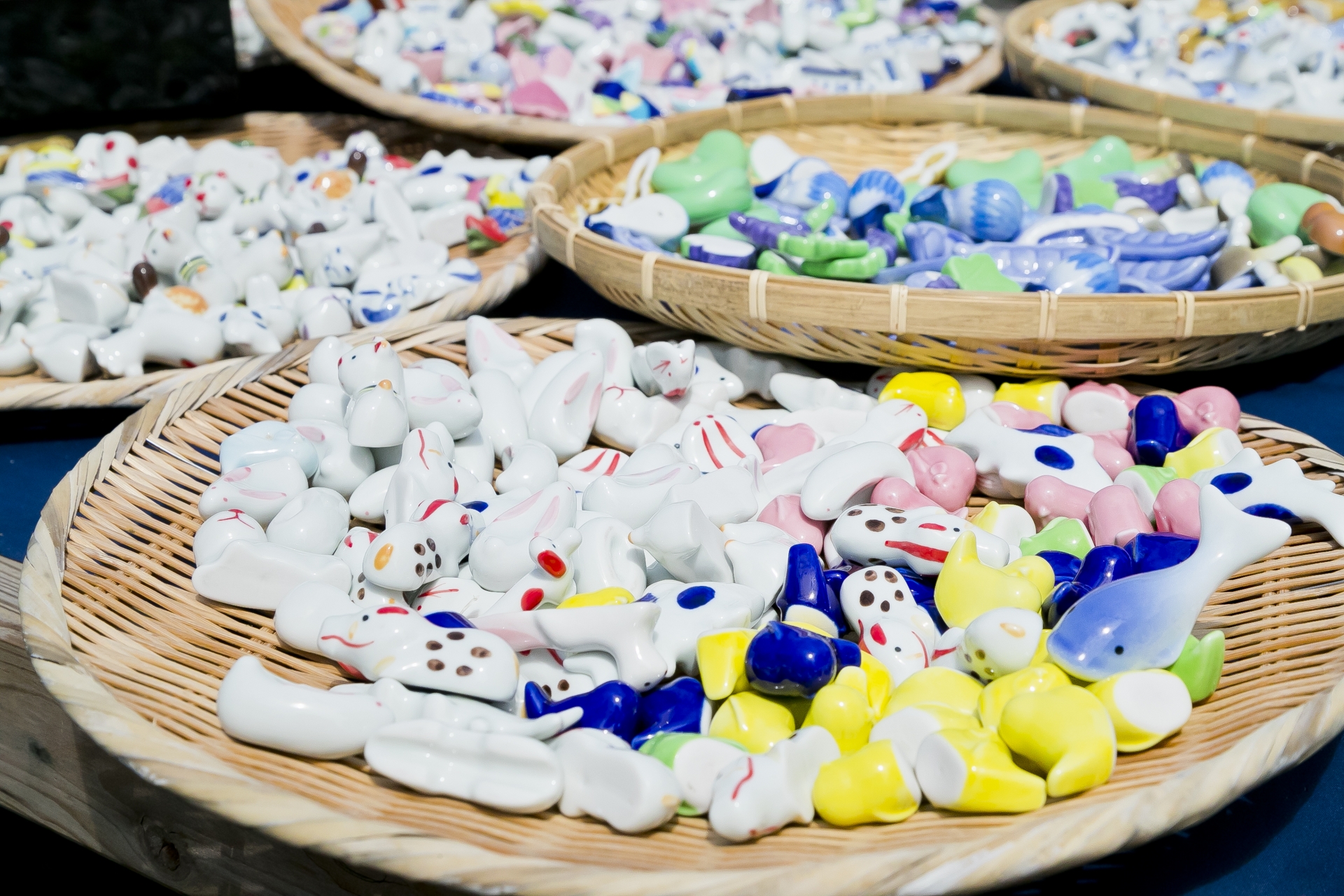
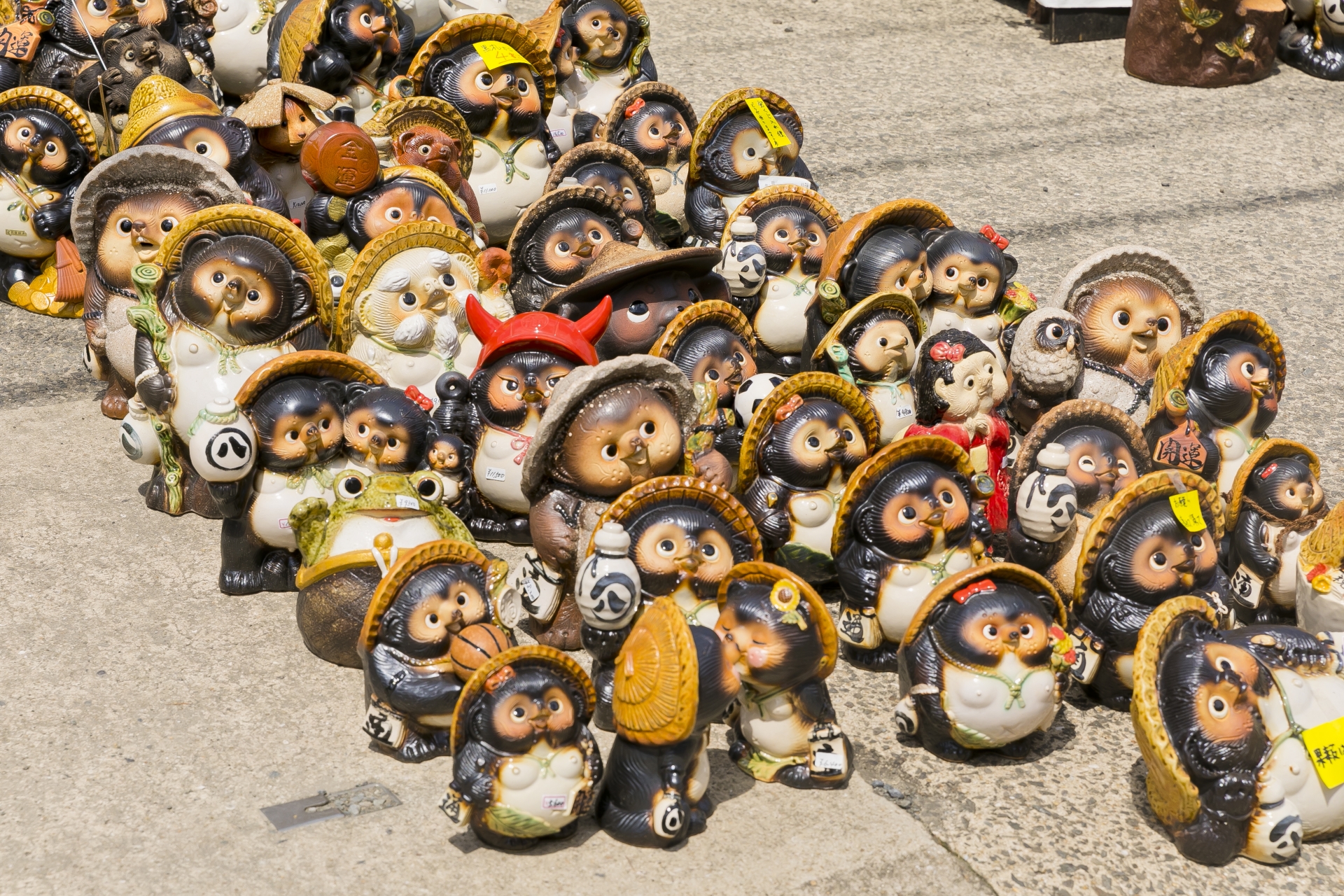
The Moment I Arrived: A Sensory Overload of Clay
The first thing that hits you isn't the sight of the porcelain. It's the sound. Imagine a gentle, rhythmic clinking—thousands of ceramic plates being stacked, shuffled, and wrapped in old newspaper. It’s the soundtrack of Arita during Golden Week, and honestly, it’s a bit hypnotic. I first dragged myself out here in 2021, mostly because a friend promised me 'cheap plates,' and I ended up staying for three days. The air in Saga during late April is crisp, smelling of pine wood and the faint metallic tang of kiln smoke. I stepped off the train at 7:00 AM, thinking I was an early bird. I wasn't. The 'Serious Shoppers'—the ones with the rolling suitcases and tactical backpacks—had been there since dawn. I felt like a total amateur with my tiny tote bag.
Perfect for Recovery
Stay in Takeo Onsen
Just 15 minutes by train from Arita, this historic hot spring town is the perfect place to soak your sore 'shopping muscles' after a day on the pavement. The local ryokans serve incredible Saga beef that melts in your mouth.
Arita hotels sell out a year in advance—Takeo is the smart expat's secret base camp.
Find Ryokans ↗
If you're looking for a guided way to see the kilns without getting lost in the 4km of stalls, a local expert is a lifesaver.nnWatching the sunrise over the ancient brick chimneys of the town, you realize this isn't just a market; it's a 400-year-old heartbeat. I remember standing in front of a massive pile of 'outlet' bowls, feeling overwhelmed by the sheer volume of art. A local grandmother saw me hesitating and just handed me a piece of ginger candy. 'Take your time,' she said. That’s the vibe. It’s chaotic, yes, but it’s a shared passion that makes the crowds bearable. You’re not just buying a mug; you’re buying a piece of a family’s history that spans generations. And trust me, once you hold a hand-painted Arita-yaki cup that fits perfectly in your palm, your mass-produced mugs back home are going to look very, very sad. The history of the Korean potters who founded this place, like Yi Sam-pyeong, is etched into every street corner. You can feel that weight of time as you browse. nnSeriously. Go early. The first train from Hakata is usually the 'Midori' Express, and it’s a sea of people clutching coffee and maps. By the time you reach Kami-Arita station, the energy is electric. Most people get off at Arita station, but I’d suggest starting at Kami-Arita and walking 'downhill' toward the main station. It saves your knees and lets you hit the older, more traditional kilns first. You'll see people literally running toward their favorite stalls. It’s like a marathon, but for people who love tea cups. I’ve seen people negotiate for thirty minutes over a single vase, and I’ve seen others buy entire sets in thirty seconds. It’s a wild spectrum of humanity all brought together by fired earth. Don't be intimidated by the scale. Just pick a side of the street and start walking. You'll find your treasure eventually.
The 'Serious Shoppers' arrive at 6:00 AM. If you want the rare, one-of-a-kind artist pieces, you need to be on the first train out of Fukuoka. If you just want a deal and a vibe, 9:00 AM is fine.
What Most People Get Wrong: The Main Street Trap
Here is the hill I will die on: the main street near Arita Station is where you go to get stressed, but the backstreets near the kilns are where you go to find your soul. Most tourists just walk the 4km strip of stalls and call it a day. Huge mistake. I spent my first two hours there and almost left because the elbow-to-elbow shuffling was driving me nuts. But then I ducked into a side path toward the Izumiyama Quarry—the place where the porcelain stone was first discovered—and the world just... quieted down.
Expert Guided
Saga & Arita Private Tour
Navigate the complex history of Japanese porcelain with a guide who can take you inside exclusive kilns not usually open to the public. This tour includes private transport from Fukuoka so you can skip the train crowds.
Skip the navigation stress and get the 'real' history behind the plates.
Book Experience ↗
I eventually found this tiny guesthouse in nearby Takeo Onsen that felt like a sanctuary after the madness. nnMy hot take? Skip the '100 yen bins' unless you really just need cat food bowls. The real magic is in the 'B-grade' sections of the high-end kilns like Koransha or Fukagawa Seiji. These are pieces with 'flaws' so tiny you need a microscope to see them, but they’re marked down by 50% or more. I once found a gorgeous indigo-patterned platter that supposedly had a 'glaze bubble.' I’ve been using it for five years and I still haven't found the bubble. On top of that, you have to visit the Tozan Shrine. It’s a shrine with a torii gate made entirely of porcelain. It’s the most 'Arita' thing you’ll ever see. I stood there for twenty minutes just staring at the blue-and-white patterns against the green forest. It’s a photographer’s dream, but don’t be the person blocking the stairs for a selfie. Move fast, click, and get out of the way. People are there to pray, not just to watch you find your 'angle.' nnAnd here's the thing about the back alleys: that's where the 'Tonbai' walls are. These are traditional walls made from old kiln bricks and tools, held together with red clay. They are incredibly beautiful and much quieter than the main shopping drag. I remember getting lost in the Aka-e-machi district and finding a tiny workshop where an old man was hand-painting tiny cherry blossoms onto a saucer. He didn't even look up when I walked in. That’s the real Arita. It’s not the 4km of plastic tents; it’s the centuries of quiet, obsessive work happening behind those brick walls. If you only stay on the main road, you're missing 90% of the story. Take the turn. Explore the hills. The best finds aren't under a tent; they're often tucked away in a dusty corner of a permanent shop that’s been there since the Meiji era. You'll thank me later when you're sitting in a quiet garden sipping tea while the crowds are still fighting over 500-yen plates on the main drag.
Look for the 'Tonbai' walls in the back alleys. These are traditional walls made from old kiln bricks and tools. They are incredibly beautiful and much quieter than the main shopping drag.
How to Actually Plan This: Logistics and Luggage
Alright, let’s get into the weeds of how you actually survive this without a mental breakdown. First, the 'Luggage Situation.' If you don't bring a rolling suitcase, you are making a massive rookie error. I learned this the hard way when my shoulder nearly snapped in half carrying three sets of dinnerware back to the station. Most people think it’s 'too much,' but trust me, by noon, you’ll be wishing you had wheels. Second, the weather is a liar. It’s Golden Week, so it’ll be 22°C and sunny at 1:00 PM, but at 7:00 AM, it’s freezing. Layers are your best friend. I wore a heavy coat my first time and ended up carrying it like a sweaty cape for six hours. Don't be me. Wear a light windbreaker and comfortable sneakers—not those cute boots you bought in Shibuya. nnYou’re going to be walking 10km+ easily. As for food, the 'Arita Godo-tofu' is mandatory. It’s this mochi-like tofu with sesame sauce that’s so good I’ve considered moving here just for the snacks. But get lunch early. If you wait until 12:30, you’ll be waiting in line for forty minutes while your blood sugar tanks. I usually grab a bento from a local stall at 11:00 and find a quiet spot near the quarry to eat. Logistics-wise, the JR Sasebo Line is your lifeline. If you’re coming from Fukuoka, the 'Arita Ceramic Fair' special expresses are great, but they get packed. Book your seat the moment you land in Japan. If you’re winging it, you’ll be standing in the aisle for 90 minutes, and that is a terrible way to start a day of power-shopping. nnOh, and bring cash. While more stalls are taking cards in 2026, the best deals are often at the tiny, family-run tables that only deal in yen. I once missed out on a stunning hand-carved celadon bowl because I only had a credit card and the nearest ATM had a line 50 people deep. Never again. Also, keep an eye out for the Yamato Transport booths. They are scattered around the fair and will ship your heavy boxes directly to your hotel or even overseas. It’s worth every yen to not have to lug a box of plates through Hakata Station at rush hour. You'll want to keep your hands free for more shopping anyway. Finally, remember that this is a marathon, not a sprint. Take breaks. Sit by the river. Watch the trains go by. The fair is as much about the atmosphere as it is about the ceramics. If you rush, you'll just end up with a headache and a bunch of plates you don't actually like. Slow down, breathe in the kiln smoke, and enjoy the chaos.
There is a shipping service (Yamato Transport) usually set up near the station. If you buy a lot, just ship it to your next hotel or home. Your back will thank you, and they wrap things better than you ever could.