The Shock of the 'Last Order' Culture
I still remember my first night in Kanazawa. I had just arrived on a late Shinkansen, checked into my hotel, and headed out at 8:45 PM thinking I’d grab a nice bowl of local ramen. To my horror, every single shopfront was dark. In my home country, 9 PM is when the night is just getting started, but in many parts of Japan, it’s when the 'Last Order' (L.O.) bell tolls. This is the biggest hurdle for international tourists. You see a sign that says 'Close 21:00' and assume you can walk in at 20:45. Honestly, that’s a rookie mistake I won’t let you make. Most kitchens stop taking orders 30 to 60 minutes before the actual closing time. If you show up 15 minutes before the L.O., you might still get turned away if they've already started cleaning. I learned the hard way that staying connected is the only way to check these specific times on the fly.
Traveler's Choice
Japan Travel eSIM
Crucial for checking live 'Last Order' times and finding open restaurants on Google Maps.
Stay Connected
was an absolute lifesaver for me during my last trip, allowing me to check Google Maps and Tabelog (Japan's version of Yelp) while standing on a chilly street corner. nnIn 2025, this trend has actually tightened a bit due to labor shortages in the service industry. Even in major hubs like Osaka or Kyoto, if you stray away from the main tourist strips into the residential 'shotengai' (shopping streets), you’ll find that shutters start coming down surprisingly early. I once spent forty minutes walking in circles in a quiet part of Kyoto because I didn't realize the local restaurants all closed by 8 PM. The silence of a Japanese residential neighborhood at night is beautiful, but it’s a lot less poetic when your stomach is growling. Always, and I mean always, check the 'L.O.' time rather than the closing time. If you're arriving at your destination after 8 PM, your best bet is to eat at the major train station before heading to your hotel, as station buildings often have 'Dining Floors' that stay open a bit later than the street-level shops. What's more, many places now use QR code ordering systems, and these systems often automatically shut down exactly at the Last Order time, leaving no room for negotiation with the staff. It's a digital wall that you simply can't climb if you're late.
Why 8 PM is the Danger Zone
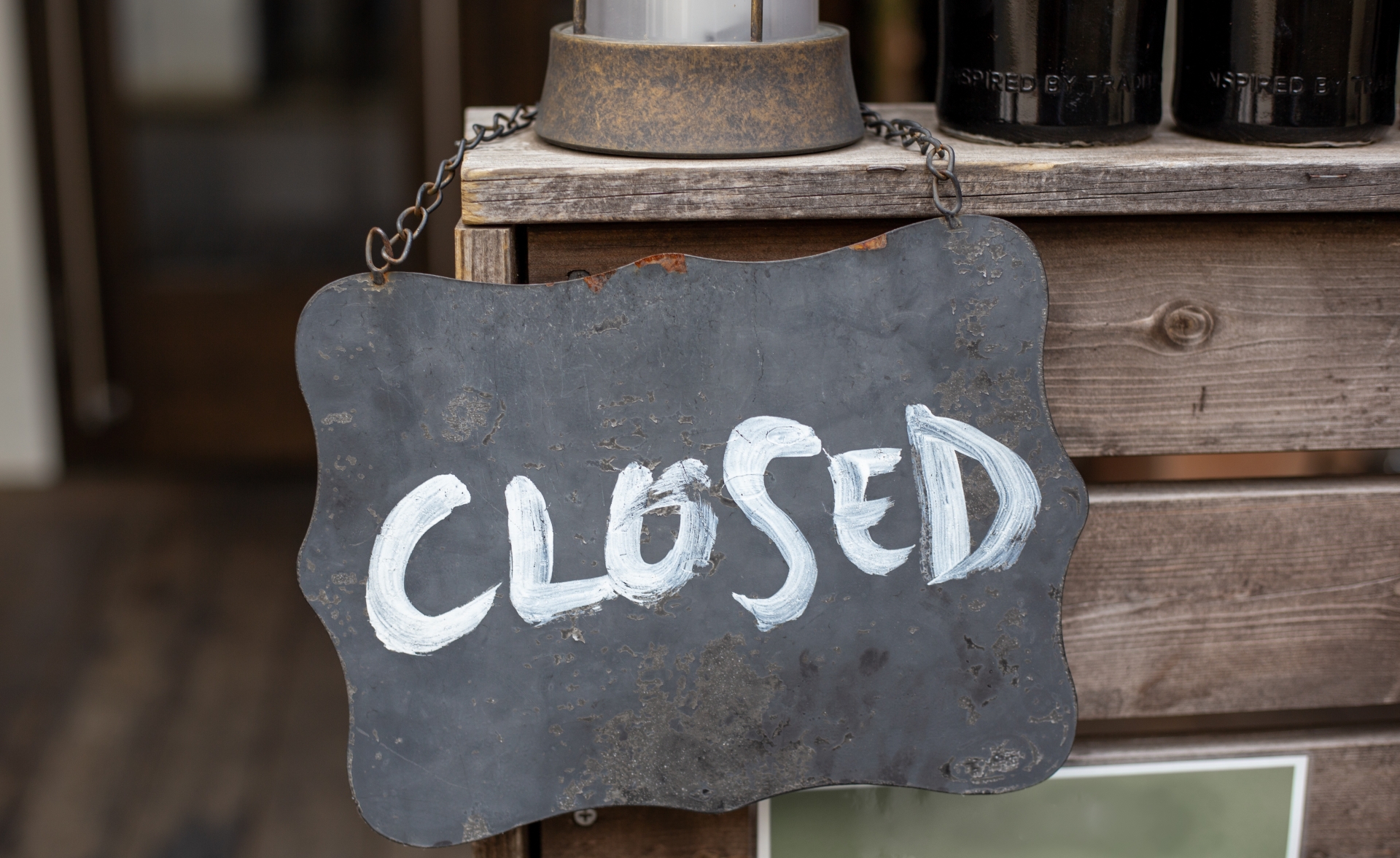
In many smaller cities, 8 PM is the 'witching hour.' This is when the local momentum shifts from dining to drinking. If you aren't in a seat by 7:30 PM, you risk becoming what the locals call a 'food refugee' (shokuji nanmin). I’ve been there, staring at a closed door with a 'Closed' sign hanging sadly in the window. The struggle is real, especially if you have kids or specific dietary needs. My advice? Plan your biggest meal for lunch or an early dinner at 6 PM. It feels early, but it guarantees you get the best spots without the stress of a closing kitchen. On top of that, remember that many popular spots will have a queue. If there are five people in line at 8:00 PM and the Last Order is 8:30 PM, the staff might cut the line off right then and there. Don't count on 'just making it'—give yourself a massive buffer.
The Three Heroes of Late-Night Dining
When the local ramen shop is dark and the fancy sushi place has long since packed up, don't panic. I have three reliable backups that have saved me more times than I can count. First, the Izakaya. These are Japanese gastropubs, and they are the true champions of the night. While a standard restaurant might close at 9 PM, an Izakaya will often stay open until midnight or even 2 AM. You can find everything from yakitori to sashimi and even hearty rice dishes. Look for the glowing red lanterns (akachochin)—they are like a lighthouse for the hungry traveler. The vibe is loud, smoky (though less so these days), and incredibly welcoming. Second, the 'Famiresu' or Family Restaurants. Names like Gusto, Saizeriya, and Royal Host might not sound 'authentic,' but they are a godsend. They are bright, welcoming, and many are open 24 hours or at least until the early morning. I’ve had some surprisingly great doria (rice gratin) at a Gusto at 1 AM. They usually have English menus on tablets, making the process stress-free.nnThird, and most importantly, is the Konbini (convenience store). 7-Eleven, Lawson, and FamilyMart are not your average gas station shops. In 2025, the quality of their 'bento' boxes and hot snacks remains top-tier. If you’re arriving late, I highly recommend booking a hotel that is within a 2-minute walk of one of these.
Best Locations
Central Tokyo/Osaka Hotels
Booking a hotel near major stations ensures you are never more than 5 minutes from a 24-hour eatery.
Find Your Base
is my preferred way to filter for hotels in central areas like Shinjuku or Namba where the 24-hour culture is still very much alive. I've spent many nights in my hotel room with a microwave-heated bowl of Lawson's premium ramen and a Suntory Highball, and honestly? It felt like a five-star meal because I was no longer a food refugee. The convenience store is the ultimate safety net for any international tourist. Plus, the seasonal limited-edition items mean you're always finding something new, even at 3 AM. Don't overlook the 'hot snack' cabinet next to the register—the fried chicken (Karaage-kun) is legendary for a reason and costs approx. 250 yen, making it the perfect midnight snack.
Timing Your Night Like a Pro
To help you visualize the 'closing wave,' I’ve put together a quick reference based on my observations over the last few years. This varies by city, but it's a solid rule of thumb for 2025. Generally, the further you are from a major 'JR' station, the earlier things close. If you're staying in a residential Airbnb, subtract an hour from these times just to be safe. I’ve found that department store 'depachika' (basement food halls) are amazing for grabbing high-end meals at a discount right before they close, usually around 7:30 PM or 8:00 PM. This is a great hack for getting a gourmet bento for half price. nnAnother thing to keep in mind is the 'Otoshi' or table charge at Izakayas. This is a small fee (usually approx. 300 to 500 yen) that comes with a tiny appetizer. Don't be surprised when it shows up on your bill; it's a standard part of the late-night drinking culture. If you're looking for a quick, cheap fix without the table charge, head to a beef bowl chain like Yoshinoya or Matsuya. These are the unsung heroes of the Japanese salaryman and the budget traveler alike. They are almost always open 24/7, and you can get a filling meal for approx. 500 to 800 yen. The efficiency is mind-blowing—you'll often have your food within two minutes of sitting down. This is the ultimate 'shortcut' when you're tired and just want to eat before crashing at your hotel. By understanding these patterns, you can transition from a stressed-out tourist to a savvy traveler who knows exactly where the lights are still on.
| Establishment Type | Typical Closing Time | Last Order (L.O.) |
|---|---|---|
| Local Ramen/Udon Shops | 20:00 - 21:00 | 30 mins before close |
| Department Store Restaurants | 22:00 | 21:00 - 21:30 |
| Izakayas (Pubs) | 23:00 - 02:00 | 60 mins before close |
| Family Restaurants | 24:00 or 24h | Varies (usually 30m) |
| Convenience Stores | Open 24/7 | None |