The Moment I Arrived: A Riot of Color in Old Tokyo
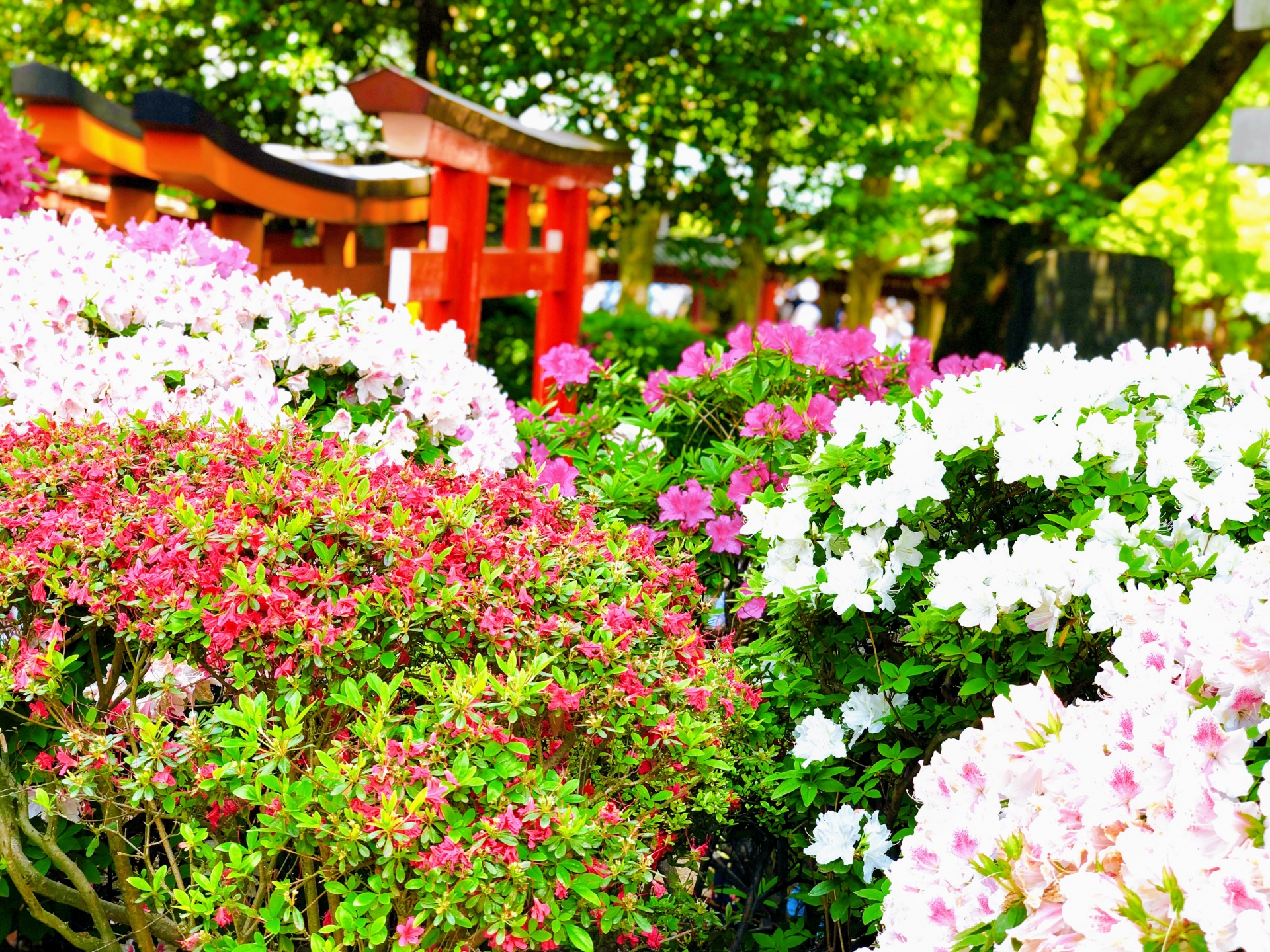
I remember my first spring in Tokyo back in 2019. Like every other wide-eyed tourist, I was obsessed with the cherry blossoms. But by the time mid-April rolled around, the petals were brown sludge on the sidewalk and I felt that post-sakura slump. Then a Japanese friend dragged me to Nezu. I stepped off the Chiyoda line, walked through a narrow residential alley that smelled like roasting coffee and old wood, and suddenly—BAM. It was like someone had turned the saturation dial on the world up to 200 percent. The hillside of Nezu Shrine wasn't just 'blooming'; it was vibrating with color. We’re talking 3,000 azalea bushes pruned into perfect, puffy spheres of magenta, violet, and snowy white. It felt less like a city park and more like a scene from a Studio Ghibli movie.nnAnd here's the thing about the history here—it’s not just a pretty garden. You have these 1,900-year-old shrine structures—some of the few in Tokyo that actually survived the firebombing of WWII—standing stoically against this explosive, ephemeral floral backdrop. I spent a good twenty minutes just watching the way the wind caught the petals. It’s a sensory overload in the best possible way. The air is thick with the sweet, honeyed scent of the flowers and the faint, savory smoke from the yakisoba stalls nearby. If you want to dive into the history of this area while the flowers are peaking, I highly recommend booking a specialized old-town walking tour to really understand how this shrine survived the centuries.
Walk to the Festival
Stay in Historic Bunkyo
Stay in the Yanesen area to experience Tokyo's most authentic 'Old Town' atmosphere. These boutique hotels and traditional ryokans put you within a 10-minute walk of Nezu Shrine.
The best local guesthouses sell out months in advance for the April bloom cycle.
Find Hotels ↗
It makes the experience so much richer when you realize you're standing on ground that Shoguns used to frequent. I mean, the Tokugawa Shogun himself donated the main building. That’s not something you see every day in a city that’s been rebuilt as many times as Tokyo.nnBut let’s be real—it’s not all peaceful meditation. My first time there, I made the rookie mistake of thinking I could just 'wing it' on a Sunday afternoon. I ended up stuck in a human traffic jam on the narrow paths, staring at the back of a stranger's head for twenty minutes. Don't be that person. The shrine itself is free, but the actual azalea garden (the hillside part) costs around 500 yen. It is worth every single yen, but only if you time it right. It’s one of those places that reminds you why Tokyo is so special—it hides these pockets of impossible beauty right in the middle of a concrete jungle. Seriously. Go early. You'll thank me when you're not elbowing a grandmother for a photo of a purple bush.
Look for the tiny 'Otome Inari' shrine located right in the middle of the azalea hillside. Most people walk past it to get to the torii gates, but the view from its small wooden deck is the absolute best vantage point for photos of the entire garden.
What Most People Get Wrong: The Truth About the Torii Gates and the Crowds
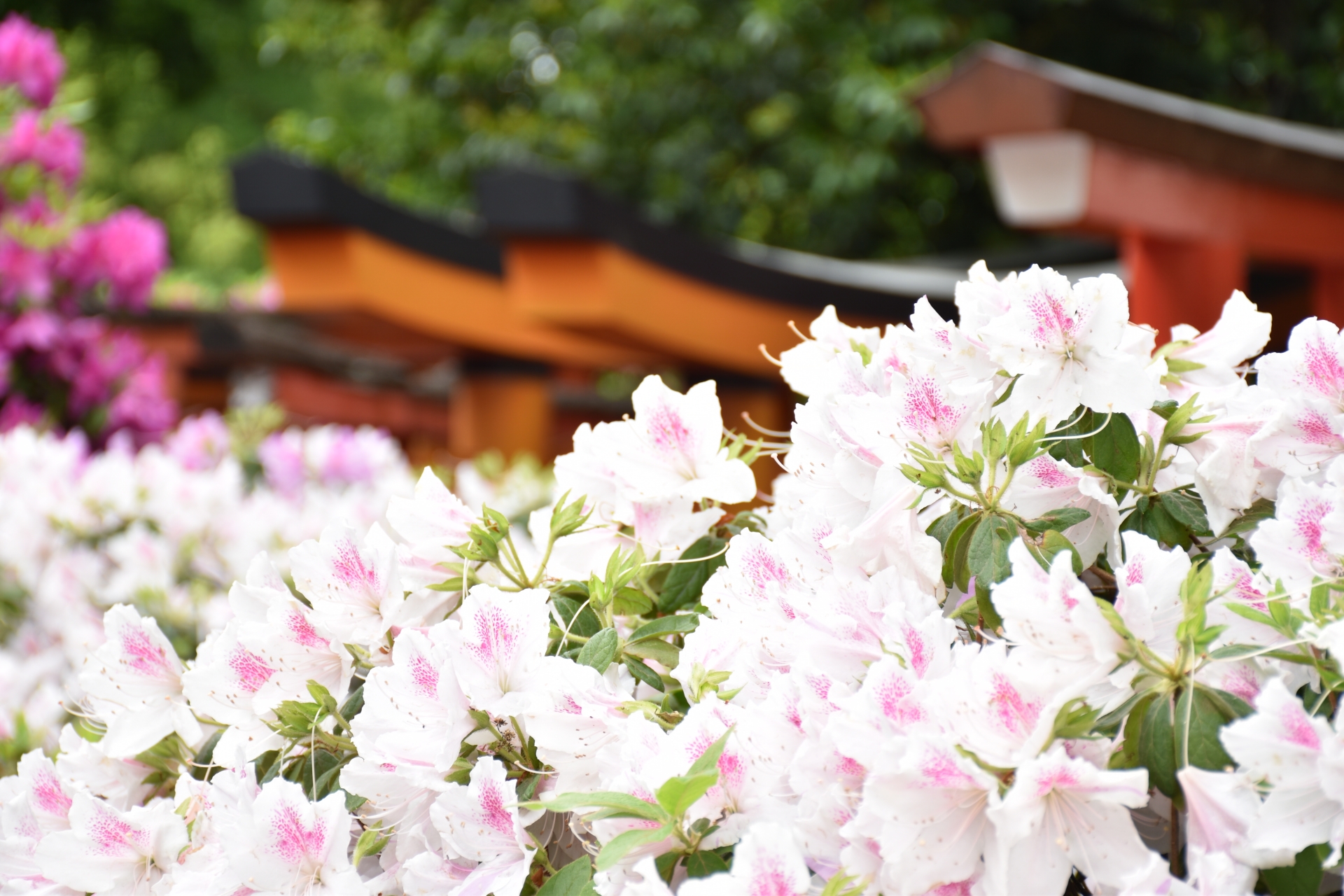
Everyone goes to Kyoto for the Fushimi Inari gates, right? Well, Nezu has its own version—the Senbon Torii—and honestly? In some ways, I like it better because it’s scaled down and feels more intimate. But here is the hot take: most people photograph it completely wrong. They stand at the entrance and try to get a shot of the tunnel, but because the gates are smaller and lower than the ones in Kyoto, it often just looks cramped in photos. My secret? Walk halfway through the tunnel, then look out through the gaps between the gates toward the azalea hillside. The orange of the wood against the purple of the flowers is a color combination that’ll make your Instagram followers weep with envy. It’s that specific contrast that makes Nezu stand out from every other shrine in the city.nnI also see people making the mistake of wearing their 'cute' city outfits. Look, I love a good photo op as much as the next person, but the paths in the azalea garden are narrow, steep, and made of packed dirt and stone. I saw a girl in 4-inch heels nearly take out an entire row of prize-winning flowers (and three elderly ladies) when she tripped last year. Wear sneakers. Trust me. You’re going to be doing a lot of 'the Nezu shuffle'—that slow, rhythmic walk you have to do when there are 500 people on a narrow path. If you’re staying in the area, which I totally recommend to beat the morning rush, look for a ryokan in the nearby Yanaka district.
Top Rated
Old Tokyo Walking Tour
Discover the hidden history of Nezu and Yanaka with a local guide. This tour takes you through the backstreets and explains the shrine's Shogun history.
You'll find hidden temples and craft shops you'd definitely walk right past on your own.
Book Tour ↗
Staying local means you can roll out of bed and be at the shrine gates by 8:00 AM before the tour buses arrive from Shinjuku. It’s the difference between a peaceful morning and a chaotic afternoon.nnOh, and here's what most people miss: the 'peak' bloom is a moving target. Because there are over 100 varieties of azaleas here, they don't all bloom at once. This is actually a good thing! It means the festival lasts a full month. The early bloomers start in early April, and the late bloomers carry the torch until the end of the month. If you go right in the middle (around April 12th-22nd), you’ll see the most variety, but even the 'tail end' is gorgeous because the ground becomes carpeted in fallen petals. Just don't expect the cherry blossoms to still be around; they're usually long gone by the time the azaleas really start their show. You're trading the pale pink of the sakura for the neon intensity of the tsutsuji, and honestly, it's a trade I'd make every single time.
The festival food here is top-tier. Skip the basic fries and go straight for the 'Amazake' (sweet fermented rice drink). Nezu Shrine's version is legendary, and it’s the perfect fuel for climbing the garden stairs.
How to Actually Plan This: Logistics Without the Stress
Getting to Nezu is easy, but people often overcomplicate it. It’s on the Chiyoda Line. If you’re coming from a major hub like Shinjuku or Shibuya, you’ll likely transfer at Meiji-jingumae or Omotesando. Pro tip: Use the 'Nezu' station exit 1. It puts you right by the main street leading to the shrine. If you find yourself at Sendagi station, don't panic—it’s actually a lovely 10-minute walk through a very traditional neighborhood called 'Yanesen' (Yanaka, Nezu, and Sendagi). This is one of the few parts of Tokyo that still feels like 'Old Tokyo.' You'll pass tiny shops selling handmade paper and tea houses that have been there for generations. It's the kind of place where you can actually hear the birds chirping over the sound of the city.nnTiming is everything. If you show up at 11:00 AM on a Saturday, you will be miserable. I’m not exaggerating. The lines for the garden can wrap around the block. I always tell my friends to aim for a Tuesday or Wednesday morning, right when the garden opens (usually around 9:00 AM). The light is better for photos then anyway, as it hits the hillside directly rather than casting harsh shadows from the tall trees above. On top of that, check the weather. Azaleas are surprisingly hardy, but a heavy rainstorm can knock the petals off the more delicate varieties, so if you see a clear day in the forecast, take it. Don't wait for the weekend if the sun is out on a Thursday.nnWhat should you bring? Cash. While Japan is slowly moving toward digital payments, the small stalls selling charms, garden entry tickets, and yakisoba are strictly cash-only. Bring a 1,000 yen note or two and some coins. Also, bring a reusable bag. The Yanesen area is full of incredible little craft shops and traditional snack stores—senbei crackers, anyone?—and you’re going to want to buy things as you walk back to the station. After you've finished at the shrine, head over to Yanaka Ginza, a nearby shopping street, to see the 'sunset steps' and grab some local street food. It’s the perfect way to cap off a spring morning in Tokyo without the frantic energy of the more touristy districts. It feels like a real neighborhood, not a tourist trap.
There is a small, easy-to-miss museum on the shrine grounds that houses some incredible festival floats (mikoshi). It’s rarely crowded even when the flowers are at peak, and it offers a nice break if the April sun gets too intense.