The Moment I Arrived: A Pink Waterfall Against Black Wood
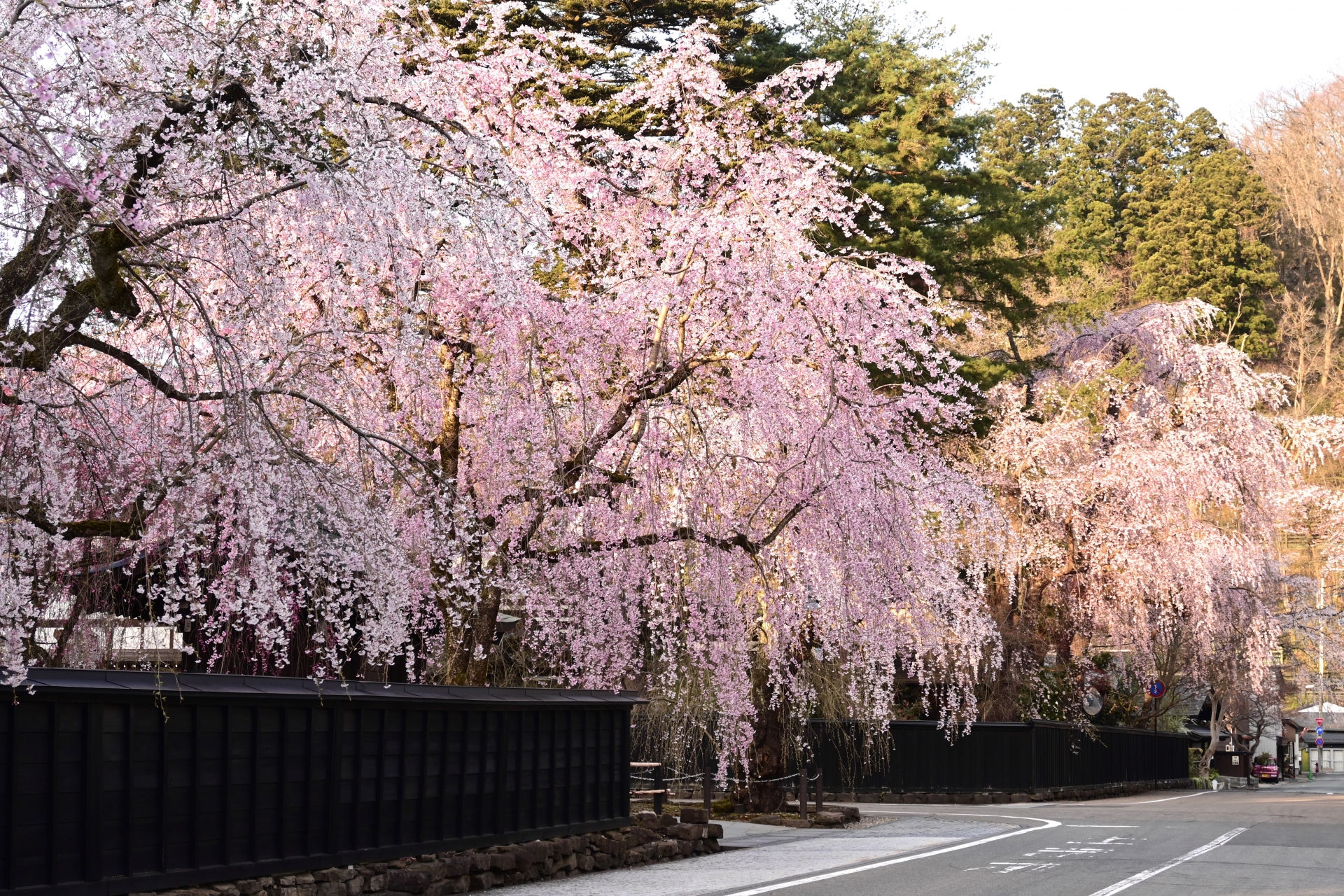
I stepped off the Komachi Shinkansen in 2021, and honestly, the air just felt different. It was crisp, smelling faintly of damp earth and woodsmoke. I’ve lived in Japan for over five years, and I thought I’d seen enough cherry blossoms to last a lifetime. I was wrong. Dead wrong. Most people flock to Tokyo’s Meguro River, which is fine if you enjoy being shoulder-checked by strangers while holding a lukewarm latte. But Kakunodate? This is the 'Little Kyoto' of the north, and it hits differently. The first time I saw the *shidare-zakura* (weeping cherry trees) cascading over those centuries-old black samurai walls, I actually stopped mid-sentence. My friend was telling me about some train delay, and I just went silent. For about ten seconds, nobody around me said a word either. It’s that kind of beautiful.nnWhat makes this place legendary isn't just the flowers; it's the contrast. The samurai district is lined with these massive, charred-black wooden fences. When the bright pink weeping branches hang over them, it looks like a painting from the Edo period come to life. These aren't just any trees; they were brought here from Kyoto by the local lords centuries ago, and you can feel that weight of history in every branch. I made the rookie mistake of arriving at noon on my first trip. Don't do that. I spent more time dodging selfie sticks than actually seeing the trees. Now, I always tell people to get there by 7:00 AM. There’s a specific kind of mist that clings to the ground early in the morning, and when the sun hits those pink petals through the fog, it’s visceral.nnOn top of that, the town itself feels like a time capsule. You aren't just looking at trees; you're walking through a neighborhood where people have lived for generations. You'll see locals sweeping their doorsteps or setting up small stalls selling handmade cherry wood crafts. If you're looking for a way to see this without the stress, I highly recommend booking a specialized
Smart Hub Choice
Stay in Morioka for Easy Access
Since Kakunodate hotels sell out a year in advance, Morioka is the perfect hub. It's a 45-minute Shinkansen ride away, offering modern comforts and the famous 'Wanko Soba' noodle challenge.
I've tried booking Kakunodate in March and failed every time—Morioka is the smart traveler's move.
Find Hotels ↗
regional tour that handles the logistics from Morioka or Sendai. It saves you the headache of navigating the local bus schedules which, frankly, are a nightmare during peak season. Trust me, you don't want to be the person standing on the side of a rural road in Akita wondering where the 2:15 PM bus went. I've seen it happen, and the look of pure defeat on their faces is something I wouldn't wish on my worst enemy. Plus, a guide can point out the subtle differences in the architecture that you'd definitely miss on your own.
The 'official' festival starts on the 20th, but if the winter was warm, the trees might pop early. I always check the 'Weathernews Japan' sakura forecast starting in March. If you can time it for 'mankai' (full bloom), your brain will basically melt from the beauty.
What Most People Get Wrong: The River vs. The District
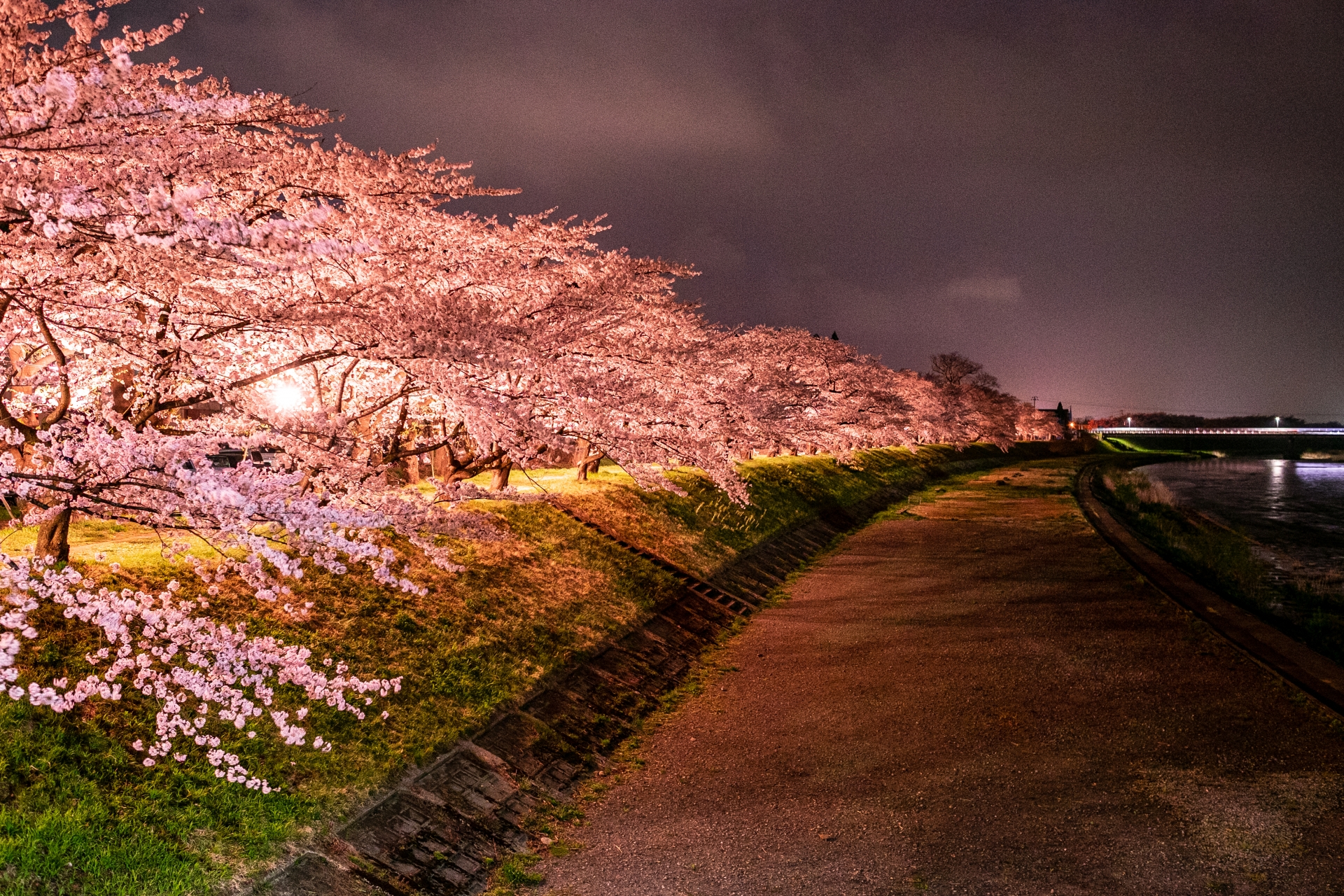
Here is my hot take: the samurai district is for your Instagram, but the Hinokinai River bank is for your soul. Most tourists spend all their time on the main Bukeyashiki street. It’s gorgeous, sure, but it gets claustrophobic. About five minutes away is the river, where there’s a two-kilometer tunnel of Somei Yoshino trees. I remember sitting there in 2023 with a plastic container of fried chicken and a local Akita sake, just watching the petals fall into the water. It was the first time in years I felt like I wasn't in a 'tourist spot' but in a real community celebration. The scale of the river path is massive. You have these giant, fluffy white-pink clouds of blossoms stretching as far as you can see, and unlike the samurai district, there's actually room to breathe.nnI’ve seen people make the mistake of wearing 'fashionable' thin sneakers or—God forbid—heels. Don't be that person. The paths in the samurai district are made of packed earth and gravel. By hour three, your feet will be screaming at you. I wore my favorite leather boots once thinking I’d look great in photos, and I ended up with blisters that made the walk back to the station feel like a marathon. Also, everyone raves about the famous Aoyagi House, and while it’s cool, I actually think the Ishiguro House is more interesting because it’s the oldest in the village and the family still lives in a portion of it. It feels less like a museum and more like a home. You can see the old kitchen, the samurai armor, and even some ancient maps that look like they belong in a movie.nnOh, and here's the thing about staying overnight: Kakunodate itself has very few hotels, and they are usually booked by tour groups years in advance. I usually stay in Morioka and take the Shinkansen in for the day. You can find some great spots to crash via
Top Rated
Tohoku Sakura Day Tour
Maximize your time with a guided tour that covers Kakunodate and the nearby Hirosaki Castle. Includes transport and an English-speaking guide to explain the samurai history you'd otherwise miss.
The logistics of Akita are tough—let a pro handle the driving while you focus on the views.
Book Tour ↗
if you search for 'Morioka' instead of trying to squeeze into the two tiny guesthouses in the village. It’s only a 45-minute train ride, and the food scene in Morioka is way better anyway. You haven't lived until you've tried the 'Wanko Soba' challenge in Morioka, where servers keep dumping noodles into your bowl until you literally have to put the lid on to make them stop. It's chaotic, delicious, and the perfect way to end a day of flower-watching.
Skip the main street food stalls for lunch. Walk two blocks away from the 'tourist' zone and find a place serving 'Inaniwa Udon.' It’s a local Akita specialty—thin, silky noodles that are way better than the generic yakisoba you'll find at the festival booths.
How to Actually Plan This: No-BS Logistics
Let’s talk brass tacks because Akita is far. You aren't just 'popping over' from Tokyo for an hour. It’s a 3-hour journey on the Komachi Shinkansen. The Komachi is the red one, and it’s all-reserved seating. I once saw a couple try to board without a reservation, and the conductor had to kick them off at the next stop. It was awkward for everyone. Book your seats the moment you arrive in Japan. If you're coming in 2026, expect the trains to be packed. The train itself is a highlight, though. It splits from the Hayabusa Shinkansen at Morioka, and watching the mechanical decoupling is a weirdly satisfying Japanese experience that always draws a crowd of train nerds.nnAs for clothing: it’s northern Japan. Even in late April, when Tokyo is hitting 20°C (68°F), Akita can drop to 5°C (41°F) the moment the sun goes down. My first year, I didn't bring a jacket. I ended up buying a weirdly oversized souvenir hoodie just to stop shivering while waiting for the night illuminations. Layer up. You'll want a light down jacket or a sturdy windbreaker. Also, bring cash. While Japan is getting better with cards, the small stalls selling *Babahera* ice cream (the rose-shaped yellow and pink ice cream sold by 'grandmas') only take coins. It costs about 300 yen, and it’s a rite of passage. The name comes from 'Baba' (grandma) and 'Hera' (the spatula they use to carve the rose). It tastes like nostalgia and strawberry-banana candy.nnFinally, the timing. The festival is scheduled for April 20 to May 5, but nature doesn't follow a calendar. If you arrive and the trees are still buds, don't panic. Take the train one stop further to Tazawako and see the deepest lake in Japan. It’s a stunning sapphire blue and has a famous golden statue of a girl named Tatsuko. If the trees are already 'sakurafubuki' (falling like snow), that’s actually my favorite part. There is nothing like walking through a literal blizzard of pink petals. Just make sure you’ve got your rail pass sorted before you head north, as buying individual Shinkansen tickets will bankrupt you faster than a night out in Roppongi. The JR East Tohoku Area Pass is your best friend here. It covers the whole trip and lets you explore the rest of the region without checking your bank balance every five minutes.
The night illumination starts around sunset (usually 6:00 PM). The crowds actually thin out around 7:30 PM as the day-trippers head back to the Shinkansen. If you can catch the 8:30 PM train back, you'll have the streets almost to yourself for an hour.