The Day I Got Chased Down a Tokyo Street
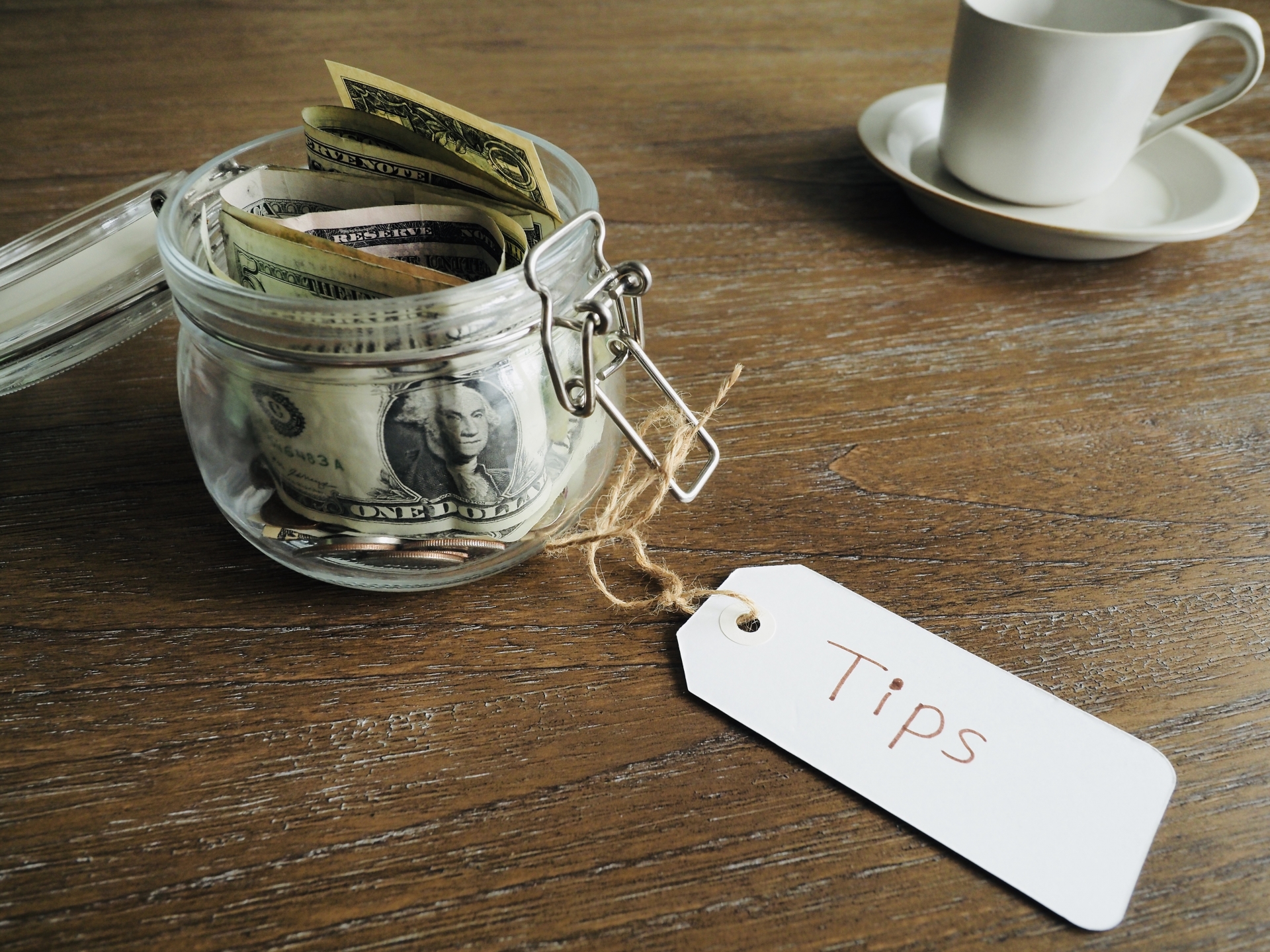
I’ll never forget my first night in Shinjuku. I had just finished an incredible bowl of tonkotsu ramen, and coming from a culture where 20% is the baseline, I felt like a king leaving a few hundred-yen coins on the counter. I walked out feeling generous, only to hear someone sprinting behind me three blocks later. It was the waiter, breathless, handing me my 'forgotten' change with a look of genuine concern. That was my first lesson: in Japan, the price on the bill is the price you pay. Period. By 2025, even with the massive influx of global tourism, this core value of 'Omotenashi'—wholehearted hospitality—remains untouched. When you try to tip, you aren't being 'extra nice'; you're often creating a clerical nightmare for a staff member who now has to account for 'unbalanced' books at the end of the shift. It’s not just about the money; it’s about the system. To avoid these awkward runs through the city, I highly recommend getting a reliable eSIM so you can look up local etiquette on the fly without hunting for Wi-Fi.
Traveler's Choice
Japan Travel Essentials & eSIM
Stay connected to check etiquette and maps instantly. Essential for navigating the 'no-tip' landscape.
Book Your Connection
It saved me from making similar blunders in more formal settings later on. I’ve learned that the best way to show respect is to follow the local flow, which means keeping your coins in your pocket and your gratitude in your words.
Why 'Omotenashi' Changes Everything
The reason we feel so much pressure to tip is that we’ve been conditioned to believe that money equals quality of service. In Japan, the service is already at a 10/10 because that is the professional standard. I’ve had taxi drivers in Kyoto wear white gloves and bow to me without ever expecting an extra yen. It’s a beautiful, stress-free system once you embrace it. You aren't 'stiffing' anyone; you are participating in a culture that values dignity over handouts. I’ve found that a sincere, bowed 'Arigato' (Thank you) or 'Gochisosama-deshita' (Thank you for the meal) carries significantly more weight than a handful of coins ever could. It’s a refreshing change of pace from the constant math we do back home.
The Truth About High-End Ryokans and Luxury Stays
The one place where my 'no-tip' rule felt most challenged was at high-end Ryokans (traditional inns). I remember staying at a stunning place in Hakone, where the service was so personal I felt like I owed them my firstborn. But here’s the hack: luxury establishments in Japan almost always include a 'Service Charge' (usually 10-15%) directly on the bill. You’ve already tipped! If you really feel the need to show extra gratitude for a specific person, like your room attendant who went above and beyond, the 'pro' way is to use a 'Pochi-bukuro'—a small, beautiful envelope. Never hand over naked cash; it’s considered quite uncouth and can make the recipient feel uncomfortable. I usually book my high-end stays through a platform that clearly breaks down these fees so there are no surprises at checkout.
Best for Comfort
Luxury Ryokan Collection
Experience high-end Japanese hospitality with transparent service fees and easy booking.
Find Your Dream Ryokan
This way, I can focus on the hot springs rather than the math. I’ve learned that the staff at these places take immense pride in their work, and seeing you enjoy the experience is their primary goal, not the extra envelope. On top of that, the service charge is distributed fairly among the staff, ensuring everyone who made your stay special is compensated without you having to play 'who do I tip?'
The Rare Exceptions and Practical Hacks
Are there ever exceptions? Rarely, but yes. Private tour guides who are used to international standards might accept a tip, but even then, it’s not expected. If you’re at a bar and the bartender spends an hour teaching you about rare whiskies, buying them a drink (if appropriate) is a much more 'Japanese' way of saying thanks. For everything else—taxis, cafes, hair salons—keep your change. I’ve put together a quick reference table below based on my 2025 travels to help you visualize where your money goes. What's more, you'll find that many modern kiosks and payment terminals don't even have a 'tip' line, which is a relief for those of us used to the digital guilt-tripping of tablet screens. Just tap your card or Suica and go. It’s that simple.
| Setting | Tipping Status | How to Say Thanks |
|---|---|---|
| Standard Restaurants | Never | Say 'Gochisosama-deshita' |
| Taxis | Never | A simple 'Arigato' |
| High-end Ryokans | Included in bill | Use a gift envelope (optional) |
| Private Tour Guides | Optional/Small | Small gift from your country |
| Bars/Izakayas | Never | Offer to buy the host a drink |