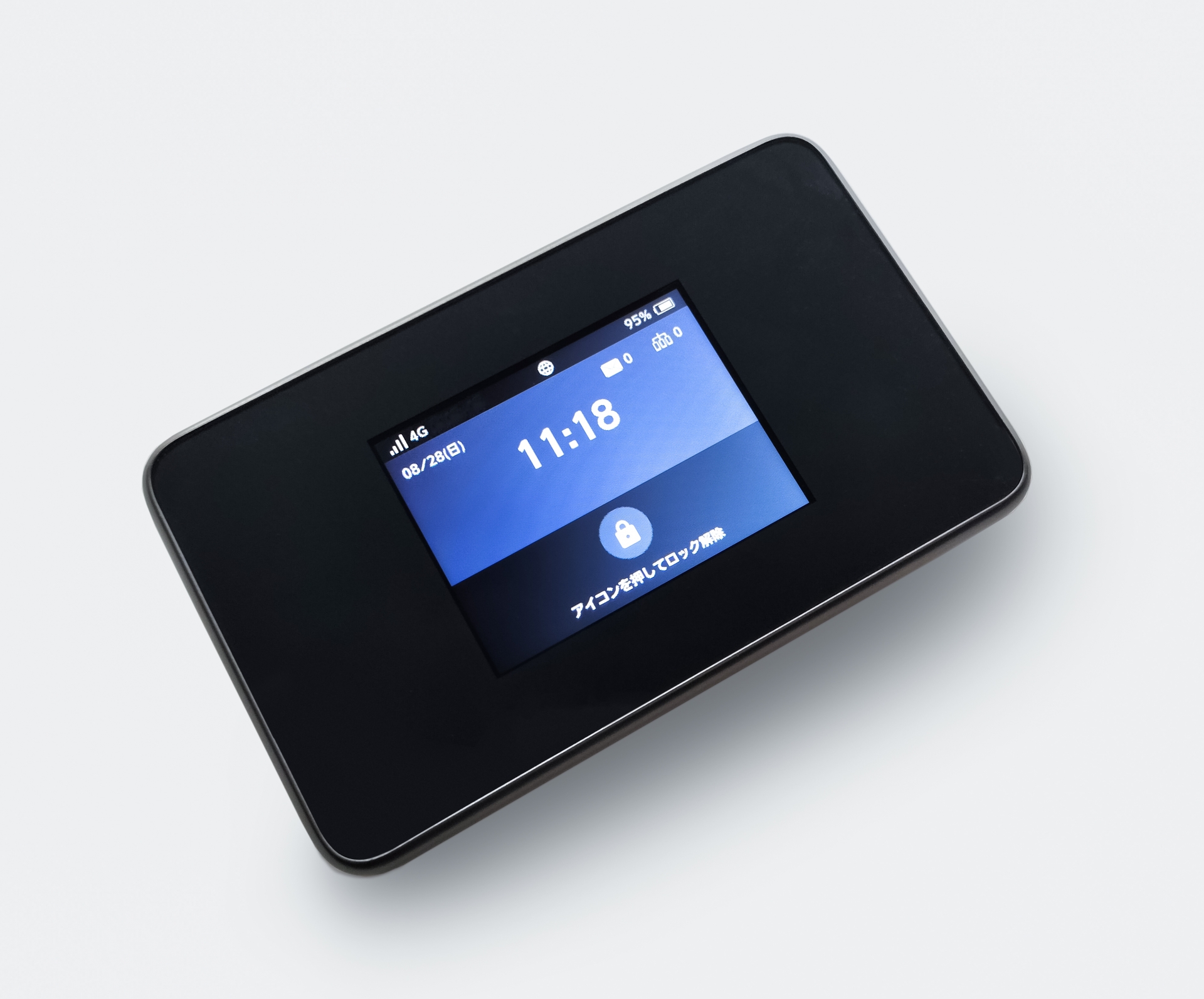
The Reality of Carrying an Extra Brick
I remember my first trip to Osaka vividly. I had my camera, my power bank, my heavy wallet, and then... the Pocket WiFi. It felt like I was carrying a literal brick in my pocket all day. By the time I reached the top of Fushimi Inari, my pants were sagging and my shoulder was aching. In 2025, we should be past this. The biggest 'Truth' nobody tells you is that a pocket WiFi isn't just one device; it is a device, a specific charging cable, and the constant mental load of 'Did I charge the WiFi box last night?' If that box dies while you are trying to find a hidden ramen shop in Shinjuku, you are effectively digitally stranded. I switched to a digital eSIM last year, and the weight off my shoulders—literally—was life-changing.
Top Pick
Japan Travel eSIM
This is my go-to for 2025. It uses the local Docomo or Softbank networks for the best coverage in the mountains and the subways.
Check eSIM Prices
It allows me to land, tap a few buttons on my phone, and I'm instantly connected to 5G without ever standing in a rental line at Narita. Think about the freedom of not having to tether. When you use a pocket WiFi, your phone is constantly searching for that signal, which actually drains your phone battery faster than a direct eSIM connection in many cases. Plus, you're tethered to whoever is carrying the box. If your partner wants to go look at Uniqlo while you're hunting for rare vinyl in Shimokitazawa, one of you is going to be offline. That's not a vacation; that's a digital leash. With an eSIM, you just activate the profile and forget it exists. No hardware, no cables, no stress. It’s the ultimate shortcut to a lighter, faster trip.
Why the 'Group Savings' is Often a Myth
People always say, 'But it's cheaper for a group!' I used to believe that too. But here is what happened to me in Akihabara: My brother wanted to look at retro games, and I wanted to find a specific stationary store. Because he had the WiFi box in his backpack, the moment we were 20 feet apart, my Google Maps died. I spent forty minutes wandering around like a lost puppy. If you value your independence and the ability to say 'I'll meet you at the station in an hour,' the 'savings' of a shared WiFi box quickly turn into a massive headache. Giving everyone their own cheap data plan is the ultimate hack for a stress-free group trip. In 2025, data is cheap enough that everyone should have their own. It’s the secret to keeping the peace during a long family trip. Trust me, the 'group savings' isn't worth the 'where are you?' frantic searching.
The Return Counter Shuffle: A Hidden Time Sink
On my last day in Tokyo, I used to have this ritual of panic. I’d be rushing to catch the Narita Express, sweating about whether I had packed the WiFi router, the pouch, and the plug. Then, I’d have to find the specific drop-off box or counter, which is always further away than you think. One time, I almost missed my flight because the line at the rental return was twenty people deep. Now, I prefer to spend my last hours in Japan eating one final bowl of Tsukemen rather than hunting for a postbox. I now prioritize booking hotels that are centrally located so I can use their high-speed fiber for my heavy photo uploads, saving my mobile data for the streets.
Blogger's Choice
Central Tokyo Hotels
Stay near Shinjuku or Tokyo Station to ensure you have the best WiFi and easiest access to the airport trains.
Find My Hotel
This combo of a lean data plan and a great home base is how the pros do it now. Let's talk about the 'lost cable' nightmare. I’ve heard so many stories of travelers being charged approx. 3,000 yen for a generic micro-USB cable they left behind in a Kyoto ryokan. The rental companies make a killing on these tiny 'missing parts' fees. When you go digital with an eSIM, there is literally nothing to lose. You don't have to worry about dropping the router in a toilet or leaving it in a taxi. You just enjoy the sights. And honestly, the 5G speeds we're seeing in 2025 across major cities like Nagoya and Fukuoka are so good that you don't need a dedicated router anymore. Your phone can handle it all.
Breaking Down the 2025 Connectivity Costs
Let's talk yen. While prices fluctuate, the trend is clear: the cost of a 10GB eSIM is now often lower than a 5-day rental of a high-end pocket WiFi once you factor in the 'insurance' fees they always try to upsell you on. I've put together this quick look at how the options stack up for a typical 10-day trip in 2025. For a standard 10-day adventure, a high-quality eSIM will set you back approx. 2,500 to 4,500 yen depending on the data cap. A pocket WiFi rental for that same period will easily clear 10,000 yen once you add the mandatory insurance and the power bank rental they suggest. Also, consider the 'hidden' cost of time. Picking up a device at the airport takes 15-20 minutes. Returning it takes another 10. That’s 30 minutes of your Japan trip gone. With an eSIM, you’re connected before the plane even finishes taxiing to the gate.
| Feature | Pocket WiFi | eSIM / Local SIM |
|---|---|---|
| Daily Weight | Approx. 200g + cables | 0g (Digital) |
| Battery Life | 6-10 hours (Needs charging) | Uses phone battery |
| Setup Time | 15 mins at airport counter | 2 mins via QR code |
| Group Utility | Best for tablets/laptops | Best for individual freedom |