The Omakase Contract: Why I Learned to Stop Ordering
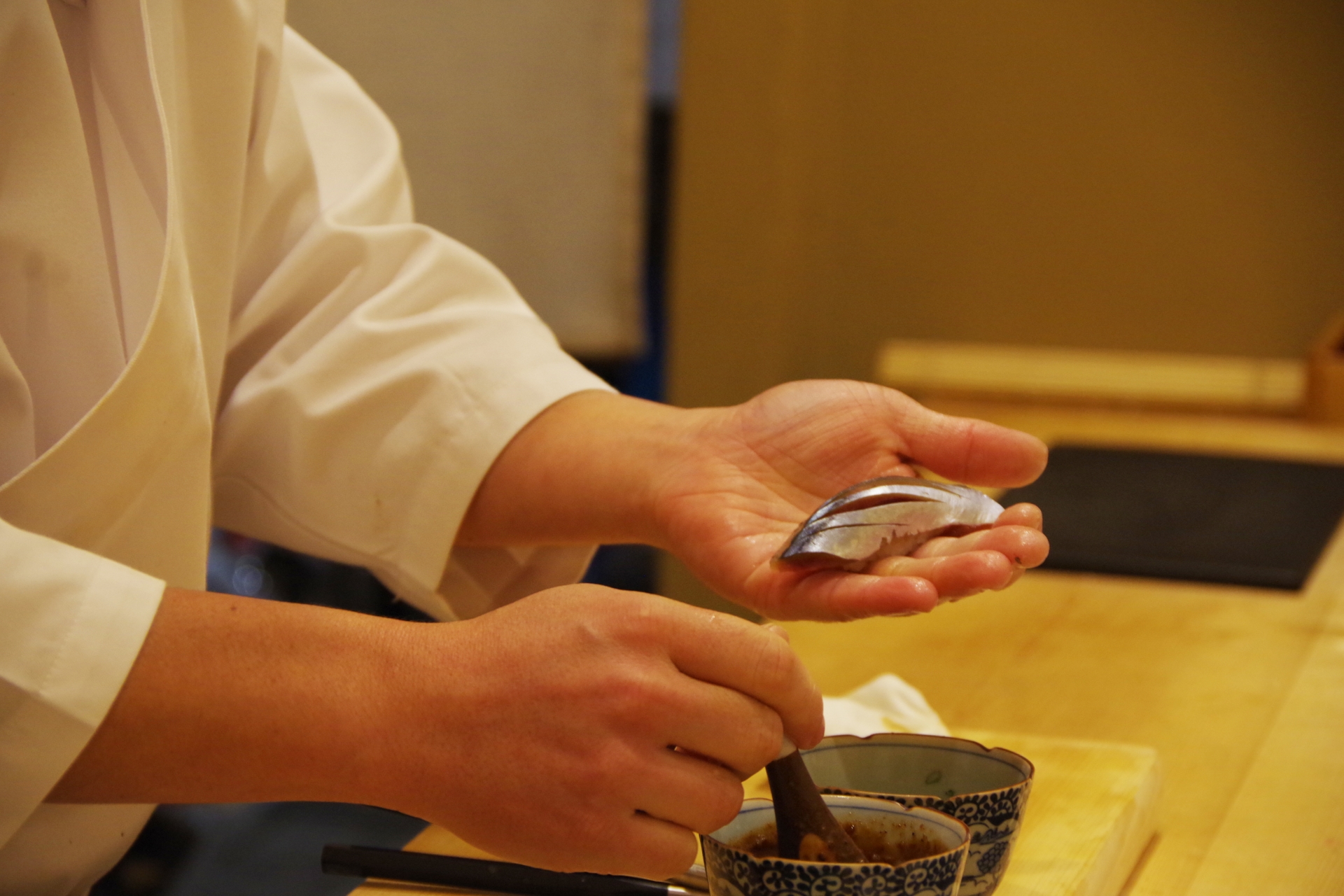
One of the hardest things for me to get used to in 2026 was the 'Omakase' (I leave it to you) concept. As a Westerner, I’m used to having control, but at a Michelin-level counter, control is an insult. When you sit down, you are signing a silent contract of trust with the chef. By 2026, this has evolved into what I call the 'Trust Economy.' The chef has sourced ingredients that are at their absolute peak for that exact 24-hour window. I’ve seen some shops where the wasabi is grated from a root that cost more than my hotel room! My savvy blogger hack for actually getting a seat at these exclusive spots (which are often 'referral-only' for locals) is to use a high-end reservation partner
Savvy Choice
Klook High-End Sushi Reservations
I use this to secure seats at the most exclusive 'invite-only' sushi dens in Tokyo. They handle the translation and ensure the chef knows my allergies.
Secure My Counter Seat
. They act as your 'bridge' and ensure the chef knows your dietary needs weeks in advance. In 2026, trying to tell a sushi master you don't like shellfish *at the counter* is a major buzzkill for the whole room. I always communicate everything early so that once I sit down, the only thing I have to say is 'Itadakimasu.' The 2026 trend is all about 'Jukusei' or aged fish. This isn't just 'raw fish'; it's fish that has been scientifically treated to maximize umami. It’s rich, complex, and delicate. To enjoy it, you have to let go of your menu and let the chef lead the way. It’s a three-act performance, and you're the honored audience. Just sit back and watch the knife work—it’s the best show in Tokyo.
The Etiquette of Silence
In 2026, 'Silent Counters' are becoming popular. It's not about being rude; it's about focus. I've learned that if the chef is silent, I should be too. If he speaks, I answer briefly and respectfully. The sound of the knife on the board and the rhythmic 'slap' of the rice is the soundtrack of your meal. Enjoy the 'Ma' (the space between) and you'll find the flavors become even more intense.
The 30-Second Rule: Why My Phone Stays in My Pocket
This is the most important lesson I ever learned: The 30-Second Rule. In 2026, the temperature of the 'Shari' (sushi rice) is a science. At the best shops, the chef will adjust the temperature of the rice for *every single piece* depending on the fat content of the fish. When that nigiri hits your plate, its structural and flavor integrity is at its peak for exactly 30 seconds. If you spend that time trying to find the right light for your Instagram story, you are literally watching your meal die. Now, I eat every piece the moment it's served. I don't even use chopsticks anymore—I use my hands. It’s 100% acceptable and actually preferred in high-end shops because it allows you to feel the delicate, air-filled pressure of the rice. If you use chopsticks, you might crush those precious air pockets that make the sushi melt in your mouth. To stay close to these culinary hubs without the long commute, I always search for luxury Ginza hotels through Expedia
Logistics Pro
Expedia Luxury Ginza Stays
I search for hotels within walking distance of the Ginza counters. Arriving on time and relaxed is key to a perfect sushi night.
Find My Michelin-Base
. It means I can walk to my dinner and not worry about being late—because in 2026, being 5 minutes late to a sushi counter is like being late to a surgery. Everything is timed perfectly. I’ve seen chefs throw away perfectly good rice because a guest was late and the temperature had dropped by just 2 degrees! That’s the level of commitment you’re dealing with. If you eat immediately, you’re showing the chef that you respect his art. And trust me, when he sees you eating with that kind of focus, he might just pull out a special 'extra' piece from the back that isn't on the standard menu.
The 'Red Lines': Unspoken Rules of Scent and Wood
As high-end sushi becomes more global, top chefs have created literal 'Red Lines' to protect their craft. In 2026, the biggest one is the 'Scent Policy.' Since 80% of taste is actually smell, wearing strong perfume or cologne is a complete taboo. I've seen a couple get politely turned away at a 3-star shop because the woman’s perfume was too strong—it was heartbreaking but fair to the other guests. Another thing I learned is to respect the counter itself. These are often made of ancient, rare Hinoki wood that is incredibly porous and expensive. I never put my phone, my watch, or my keys on the wood. I’ve seen people scratch the counter with a metal watch band and the chef’s face looked pained! In 2026, the 'Digital Silence' movement is real—keep your phone on silent and in your bag. If you absolutely must take a photo, ask 'Shashin wa daijobu desu ka?' first. And never, ever use your own soy sauce. The chef has already brushed a special soy reduction (Nikiri) on every piece. Adding more is like putting ketchup on a Michelin-starred steak! Finally, the ginger (Gari) is a palate cleanser, not a snack to be eaten *with* the fish. I take a small bite between pieces to reset my tongue for the next flavor. By following these small, silent vows, you become part of the 'Zen' of the room. It’s what makes high-end sushi in Japan so much more than just a meal—it's a spiritual experience.
| Action / Item | My Savvy Protocol | The Blogger's Truth |
|---|---|---|
| Soy Sauce (Shoyu) | NEVER add your own | It's already perfectly seasoned. Don't insult the chef! |
| Eating Style | Use your hands! | It's easier and keeps the delicate rice from falling apart. |
| Perfume / Scent | Zero. Scents are banned. | If you smell like a garden, you won't taste the fish (and neither will others). |
| Phone Usage | Keep it in your bag | Phones damage the Hinoki wood and ruin the atmosphere. |
| Ginger (Gari) | Eat ONLY between pieces | It’s for resetting your palate, not a topping for the rice. |