The Invisible Line: Where Your Camera Must Go to Sleep
I get it—you’ve traveled all the way to Mie Prefecture, likely using the Ise-Kumano-Wakayama Area Pass
Savvy Choice
Ise-Kumano-Wakayama Area Pass
I use this pass to get to Ise from Osaka in under 2 hours. It's the most frictionless way to handle regional transport in 2026.
Check 2026 Pass Prices
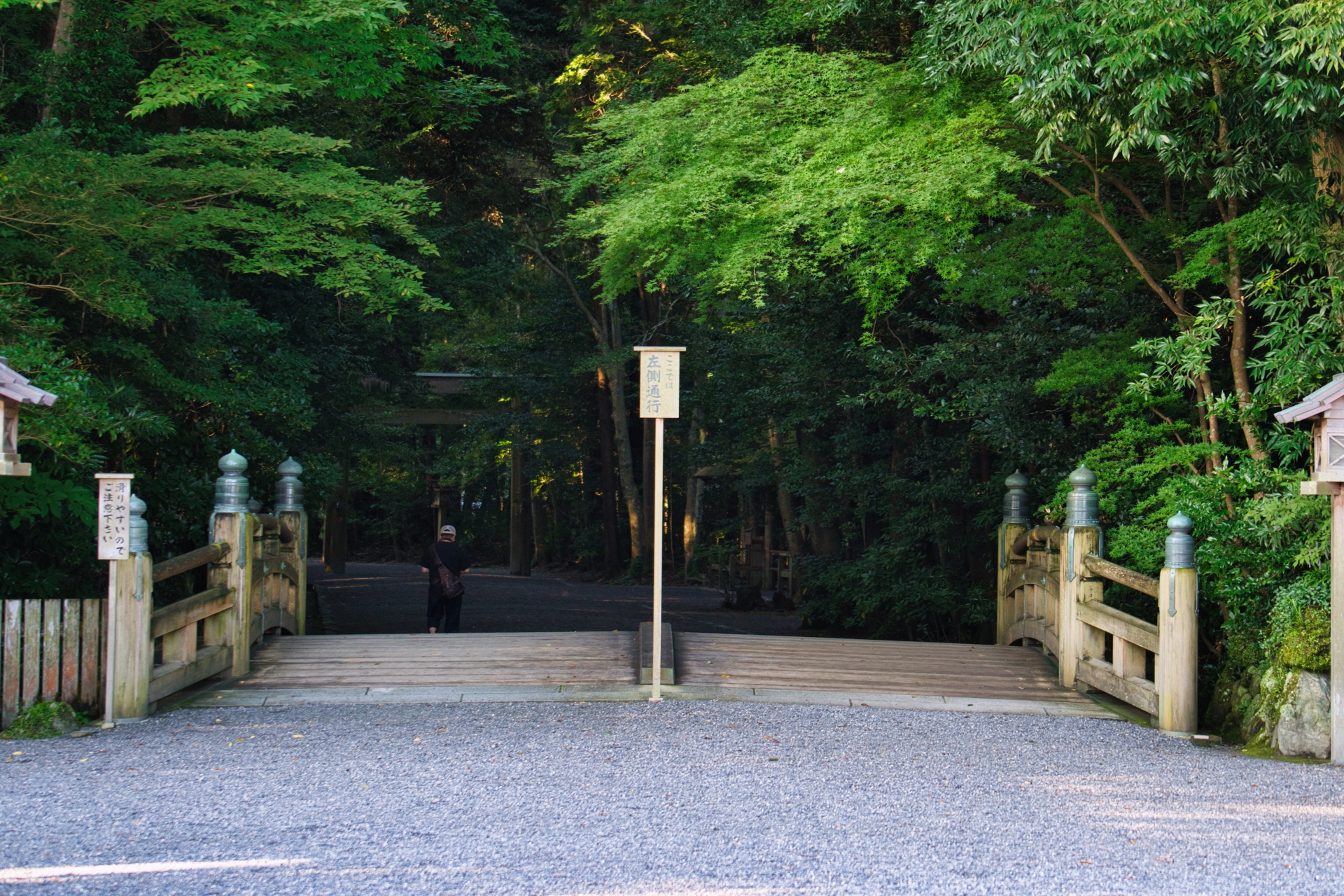
, and you want to document everything. But Ise Jingu has what I call the 'Absolute Photo Wall.' The rule is clear: once you hit those final stone stairs leading to the Shoden (the Main Sanctuary), all lenses must be capped. This includes smartphones and even those 2026-era AI smart-glasses. I’ve seen security guards, or 'Keibi-in,' intervene with firm politeness the second a phone is raised. They aren't being mean; they are protecting the privacy of the deities. The white silk curtain (Misu) often flutters in the wind, giving you a tiny glimpse of the sacred structures—but even then, no photos. In 2026, with high-definition zoom lenses becoming so common, the guards are even more vigilant. My savvy blogger advice? Focus your photography on the Uji Bridge, the riverbanks, and the towering 800-year-old trees instead. These areas are just as beautiful and don't violate the spiritual integrity of the inner sanctum. I’ve found that by 'Digital Detoxing' for that final 20 minutes of the walk, I actually remember the details of the architecture and the smell of the cedar much better than if I’d been squinting at a screen.
The 2026 'Digital Detox' Mandate
In 2026, the shrine administration has leaned into the 'Seijaku' (Sacred Silence) protocol. It’s not just about photos; it’s about noise. I’ve seen rangers politely ask people to take their earbuds out. To be a truly sophisticated guest, put your phone on 'Do Not Disturb' before you even cross the Uji Bridge. It signals to everyone around you that you respect where you are.
Ritual Precision: The 'Two Bows, Two Claps' Secret
When I first reached the main altar, I felt a bit of performance anxiety. Would I do it right? But I’ve learned that at Ise, it’s all about gratitude, or 'Kansha.' Start by walking on the correct side of the path—left for Naiku and right for Geku. Before you reach the sanctuary, you must purify yourself at the Temizuya fountain or the river. In 2026, the hygiene rules are strict: rinse your left hand, then your right, then your mouth (using your cupped hand, never the ladle!), and finally wash the handle. When you stand before the white curtain, the protocol is: 'Two Bows, Two Claps, One Bow.' I love the sharp, clean sound of the claps in the forest air! It’s like a bell ringing for the soul. I always recommend staying at a premium ryokan in the Ise-Shima area
Logistics Pro
Ise-Shima Luxury Stay Collection
I always stay at a ryokan near the shrines. It’s the only way to make that 5:00 AM opening time without a stressful morning commute.
Find My Sacred Stay
because the hosts there can walk you through these steps over green tea before you head out. They’ll also tell you that Ise isn't the place to ask the gods for a new car or a promotion—it’s a place to say 'Thank You' for your life as it is. In 2026, while the dress code is 'Traveler Casual,' I’ve seen a shift toward more respectful modesty. Avoid tank tops, hats, or sunglasses when you’re standing at the stairs. If you’ve booked a formal prayer service (Gokito) in the Kagura-den, you’ll need a suit and tie—no exceptions.
Strategic Timing: The 5:00 AM Dawn Hack
If you want to experience the true 'Power Spot' energy of Ise in 2026, you have to wake up early. The shrine opens at 5:00 AM year-round, and this is my favorite time to visit. By 10:00 AM, the massive tour buses start rolling in, and the 'Sacred Silence' gets a bit harder to find. Arriving at dawn means you’ll be walking through the morning mist alone with the priests. It’s a literal out-of-body experience. Also, don't skip the 'Geku-first' rule. Tradition says you visit the Outer Shrine (Geku) before the Inner Shrine (Naiku). Most tourists skip Geku because it’s a 10-minute bus ride away, but that’s a mistake! Geku is much quieter and feels more experimental with its ancient energy. In 2026, I use my phone’s GPS to check the 'Canbus' (the local tourist bus) schedule, which makes hopping between the two shrines a breeze. You’ll also notice a lot of construction activity in 2026. This is part of 'Shikinen Sengu'—the rebuilding of the shrines every 20 years. Even though the next major ceremony isn't until 2033, the preparation cycle is endless. I find the sight of the master carpenters working on the new structures almost as holy as the shrines themselves. It’s a living history that most people ignore in favor of a quick selfie.
| Location | My Savvy Photo Rule | The Blogger's Truth |
|---|---|---|
| Uji Bridge (Entrance) | PERMITTED | Beautiful at sunrise. The classic Ise shot. |
| Isuzugawa Riverbank | PERMITTED | The best spot for atmospheric 'forest' vibes. |
| The Shoden Stairs | STRICTLY BANNED | Cameras in bags here! Focus on your prayer. |
| Geku (Outer Shrine) | PARTIALLY BANNED | No photos inside the gated areas at all. |
| Priests & Miko | ASK FIRST | Avoid photographing them during ceremonies; it's seen as rude. |