Breaking the 'Language Wall': My 2026 Digital Lifeline
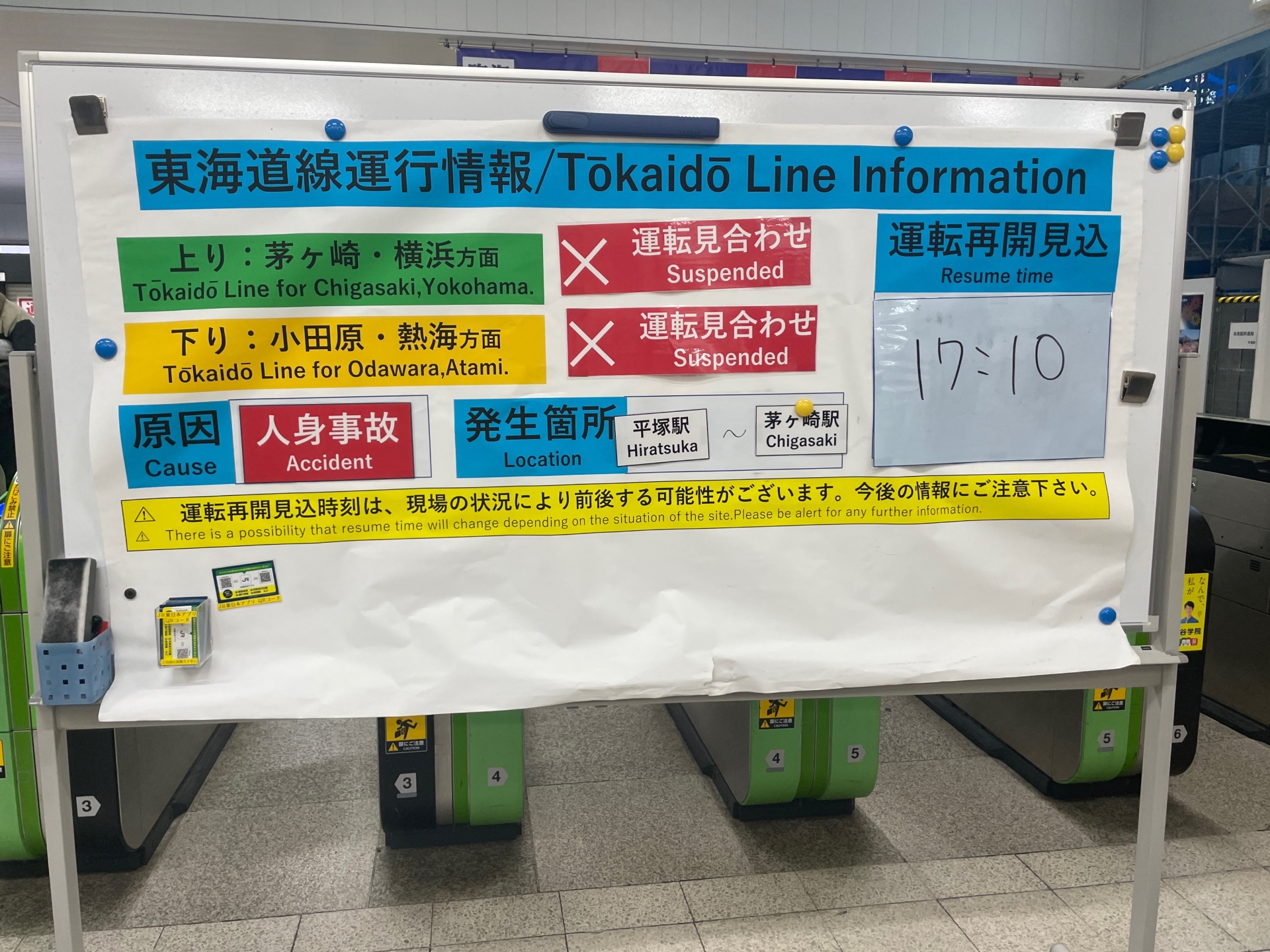
One thing I’ve learned the hard way: in 2026, when a disaster hits, Japan’s rail network is incredibly safe, but the information flow is still a bit of a maze for English speakers. At major hubs like Shinjuku, you'll see AI-powered English screens, but on the local lines? You're basically on your own. My #1 savvy survival hack is to ditch the general maps and download the official 'Safety Tips' app from the Japan Tourism Agency. It’s the only one that gives me push notifications for earthquakes and typhoons in perfect English before they even hit the news. I also rely on my Japan Rail Pass
Savvy Choice
Japan Rail Pass (Whole Japan)
I use the JR Pass for its ultimate re-routing power. If the Tokaido line is down, I just pivot through the mountains via Nagoya or Kanazawa. It's my insurance policy.
Check JR Pass Flexibility
during these times because it gives me the flexibility to re-route via the Hokuriku Shinkansen if the main Tokaido line is blocked by rain in Shizuoka. In 2026, having that high-speed data connection is your oxygen; without it, you can't access the 'Real-Time Train Position' features in the JR apps that show you exactly where your train is stalled. It’s a game-changer! I’ve been on a platform where the announcement said 'Wait,' but the app showed me the train was 20 miles away and not moving. That info let me hop in a taxi or find a bus before the crowd realized what was happening. Don't be the person staring at the board; be the person looking at the live feed.
The '120-Minute' Secret: Getting Your Money Back
So, here’s a deal most travelers don’t know: if your Shinkansen or Limited Express train is more than 120 minutes late, you can get a full refund of your 'Limited Express Surcharge.' I’ve claimed this twice! In 2026, you can often start this process through the app if you have a digital ticket, but for paper tickets, you need a 'Chien-shomeisho' (Delay Certificate) from the station staff. It’s a tiny slip of paper, but it’s your 'Golden Ticket' for a refund later. Don't wait in the 500-person line at the ticket window during the disaster; you have up to one year to claim it!
Strategic Redundancy: Why I Always Have a 'Plan B'
I tell my readers: never trust a single travel route in Japan during the summer typhoon season. By 2026, weather volatility is the new normal. My savvy strategy is to build what I call 'Logistical Redundancy' into my trip. I always book my 'hub' hotels near the major bus terminals, like Shinjuku or Osaka Station, through Expedia
Logistics Pro
Expedia Flex-Rate Hotels
I always search for hotels with 'Same Day' cancellation near major bus hubs like Shinjuku. It’s my secret to staying agile when the trains stop.
Find My Backup Stay
. Why? Because if the trains stop, the Limousine Buses are your best escape route. These buses can often drive around rail track damage that takes days to fix. Another secret hack? Use 'Takkyubin' (luggage forwarding). I once faced a 4-hour delay following an earthquake, and while everyone else was struggling with massive suitcases in a crowded station, I was hands-free. My bags were already on their way to Kyoto. In 2026, these services even have 'Safe Hold' options where they'll keep your bags in a warehouse if your destination is under a weather warning. It’s the ultimate stress-reducer! Also, keep a high-capacity power bank. In 2026, station outlets are always full during emergencies, and your phone is your only way to find an alternative 'Hokuriku Arch' route back to Tokyo. I’ve seen so many people’s trips ruined because their phone died while trying to find a hotel. Stay charged, stay light, and always know where the nearest bus station is!
The 2026 Emergency Comparison: Which Info to Trust?
In a crisis, you’ll be flooded with info. Some of it is laggy, some of it is in Japanese, and some of it is pure myth. In 2026, I use a specific hierarchy of trust. I start with the 'Safety Tips' app for life-safety (like tsunamis), then move to the JR official English X (Twitter) accounts for the broad picture, and finally the 'JRE-Point' app for my specific train’s position. I’ve put together a quick table below to show you which tool to use for which disaster. My final savvy tip: stay calm and be polite to the station staff. In 2026, they are overwhelmed during delays, but they respond incredibly well to a calm, professional traveler. If you approach them with your 'Safety Tips' app open and a smile, they’ll go out of their way to help you find a 'Furikae' (Alternative Transport) ticket that gets you on a competing private line for free! It’s the secret door that only the savvy know about.
| Situation | My Savvy Tool Choice | The Blogger's Truth |
|---|---|---|
| Shinkansen Delay (2 hrs+) | JR Official English Site | Keep your ticket for the 120-minute refund hack! |
| Sudden Earthquake | 'Safety Tips' App | Gives you English instructions before the news hits. |
| Typhoon / Rain | JR 'Train Position' Map | Don't trust Google Maps; it's too laggy during live storms. |
| No English Audio | VoiceTra or Google Lens | Translate the whiteboard at the station instantly. |
| Stuck Overnight | Expedia (Near Station) | Book a high-floor hotel near a bus hub as your 'Bunker'. |