The 2026 Reality: Why Bins are 'Extinct' in Public Spaces
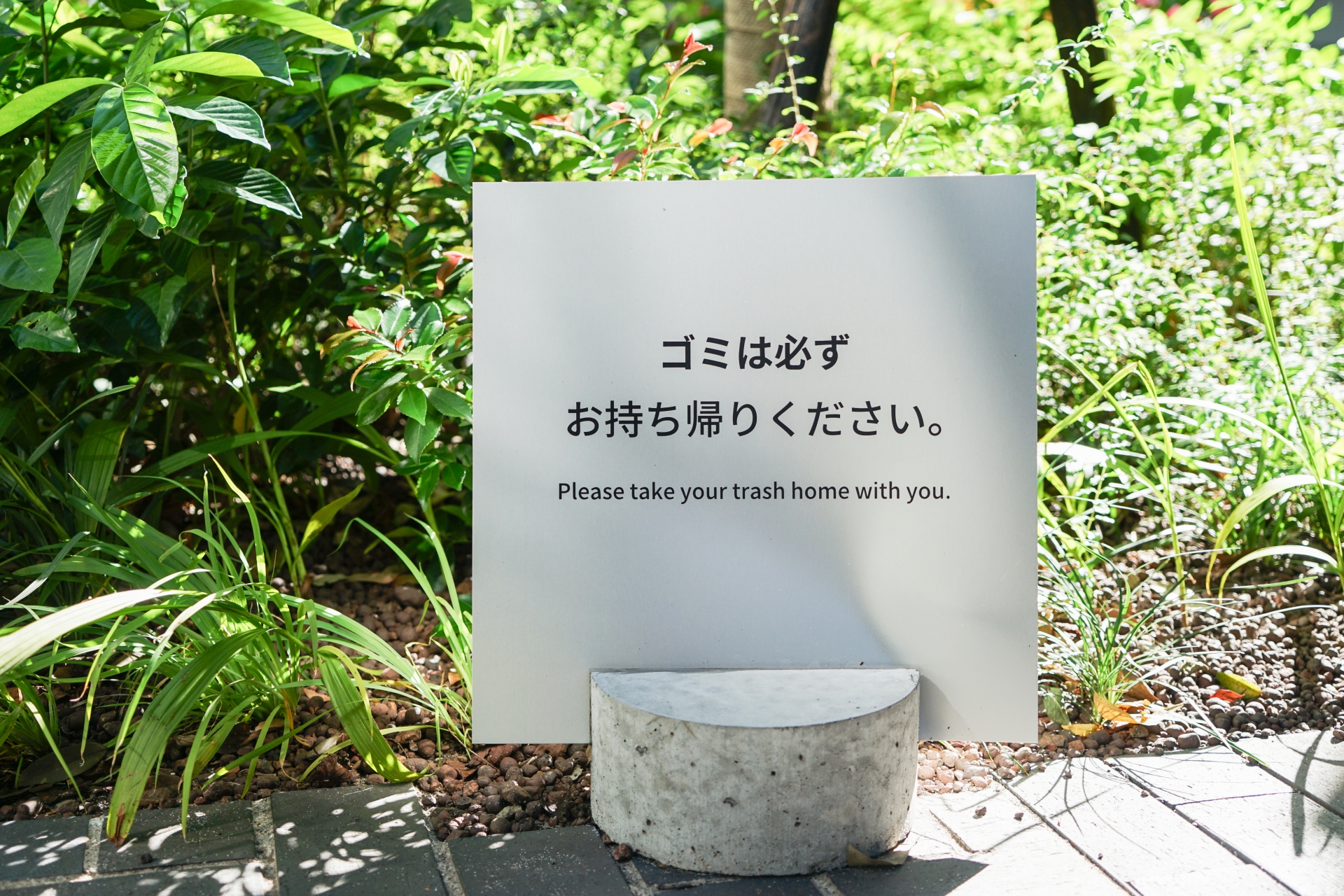
I get asked this every single day: 'Why can't I find a bin in Tokyo?' The truth for 2026 is that Japan has doubled down on its 'Zero Waste' and 'Circular Economy' initiatives. After the sustainability push of the 2025 Osaka Expo, public bins have become even rarer. In the West, we expect the city to take our trash; in Japan, the culture of 'Omotenashi' means you shouldn't burden the public space with your personal leftovers. There’s also a legacy of security from the 90s, but in 2026, it’s mostly about cost and social pride. If a city provides a bin, people dump their household trash there, so the cities just removed them! To survive this, my #1 savvy blogger hack is the 'Ziploc Method.' I always carry a few large-sealable bags in my daypack. If I have a messy bento box or a wet umbrella bag, it goes in the Ziploc, and my backpack stays clean until I reach my hotel. To find the rare 'disposal nodes' that still exist, I always have my high-speed eSIM ready
Savvy Choice
Japan High-Speed eSIM
I use this to find 'GomiMap' locations and navigate hidden corridors in stations where the bins are tucked away. Don't wander with trash!
Secure My Data Connection
. There are now incredible 2026 crowd-sourced maps that show you exactly where the hidden bins are behind ticket gates or in park corners. Without a solid data connection, you’ll be wandering aimlessly with a coffee cup for hours. In 2026, Japan is a 'digital-first' cleaner society—you need the tech to find the places to be clean!
The 'Invisible Waste' Mindset
I’ve learned to embrace the 'Mottainai' spirit. In 2026, if you are seen carrying a piece of trash openly for too long, you might even get a polite tip from a 'Cleanliness Ambassador' (those friendly folks in green vests) pointing you to the nearest hub. The goal isn't just to hide waste, but to be intentional about what you buy in the first place.
Navigating the 'Disposal Nodes': Where to Dump Your Stash
Since street bins are gone, you have to find the 'Nodes.' My favorite is the Konbini (Convenience Store). But watch out! In 2026, most Lawson and 7-Eleven shops have moved their bins *inside* the store, usually near the drinks or the ATM, to stop non-customers from using them. My savvy rule? If I use their bin, I buy a small bottle of tea. It’s a silent 'thank you' for taking my trash. The other big nodes are train stations. Bins are almost always located *inside* the ticket gates on the platforms. If you have a bag of trash, save it for when you’re about to catch your next train. I’ve also found that staying at a hotel with a dedicated 'Sustainability Desk' is a lifesaver. I always search for hotels that offer biodegradable carry-pouches for tourists through Expedia
Logistics Pro
Sustainability-Focused Hotels
I search for hotels with high ratings for 'Tourist Support'. They give you the bags and guides you need to handle waste like a local.
Find My Pro-Service Stay
. These hotels know that international travelers struggle with waste, and they provide the tools to make it easier. And here’s a pro-blogger tip: those bins next to vending machines are ONLY for the bottles and cans sold by that machine. In 2026, if you try to jam a paper bag into a PET bottle slot, you’ll get some very disapproving looks (and you might even trigger a 'bin sensor' alert!). Respect the bin’s purpose, and you’ll respect the culture.
Surgical Sorting: The 2026 Rite of Passage
Once you find a bin in 2026, the real challenge begins: Sorting. It’s not just 'Trash' and 'Recycle.' In many Japanese hubs, you’ll see 4 or 5 different slots. The most important one for you is the 'PET Bottle' ritual. I used to just throw the whole bottle in. Big mistake! In 2026, to be a true savvy traveler, you must remove the plastic cap and rip off the plastic film label. The bottle goes in the PET slot, the cap goes in its own tiny side-tray, and the label goes into 'Combustibles.' It sounds like a lot, but once you do it three times, it becomes a satisfying little ritual. Most new 'Smart Bins' in 2026 actually use AI cameras to scan what you’re putting in, and they’ll give you a little 'ding' or a green light if you do it right. If you have something big, like a broken suitcase or a large box, NEVER leave it by a public bin. That’s 'illegal dumping' and it can lead to massive fines. I saw a traveler get questioned by police in Shinjuku because they left an old bag next to a station bin. If you have 'Sodai Gomi' (oversized waste), always ask your hotel front desk. They can help you buy a special disposal sticker for a few hundred yen. It’s the only legal way to say goodbye to your big items. By following these surgical levels of precision, you aren't just getting rid of a wrapper; you're participating in the high-quality recycling system that keeps Japan pristine.
| Waste Type | My Savvy Disposal Rule | The Blogger's Truth |
|---|---|---|
| PET Bottles | Remove cap & label! | A must-do. Most bins in 2026 have specific spots for caps. |
| Combustibles | Wrappers, tissues, dirty paper | The most common bin. Find them inside Konbinis. |
| Cans & Glass | Empty the liquid first | Never mix these with plastic or paper bins. |
| Street Food Waste | Return to the vendor | The vendor is usually required to take your skewers/plates. |
| Oversized Items | Ask your hotel front desk | Never 'ghost' a suitcase on the sidewalk. It's illegal! |