The 'Meiwaku' Mystery: Why Silence is Sacred
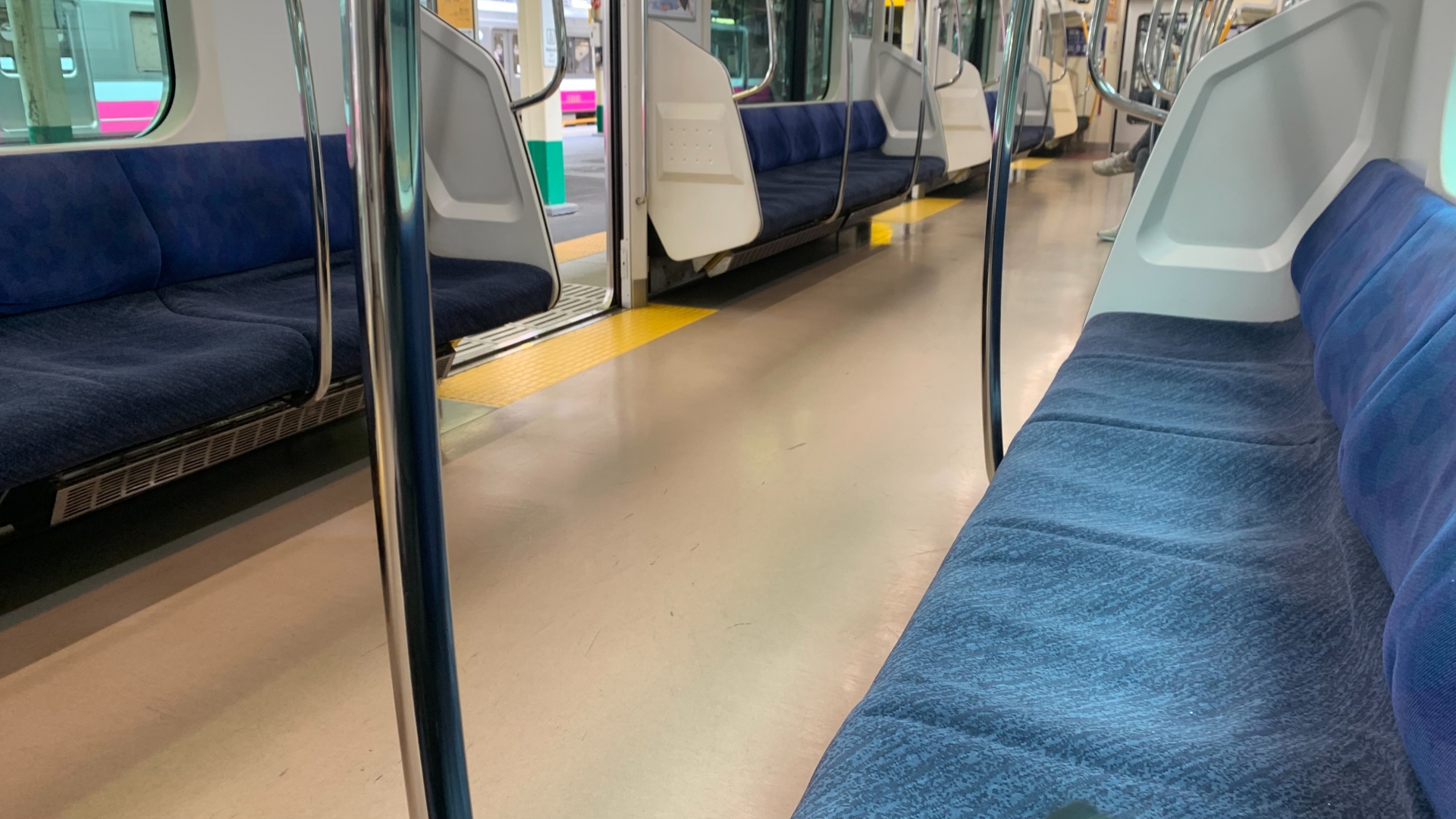
One of the most profound things I experienced in Japan was the shared silence of a 300-person Shinkansen car. It’s not that people are banned from talking, but there’s an unspoken contract to protect everyone’s 'private bubble' in a public space. In 2026, after years of intense tourism surges, this social contract is something locals hold dear. I’ve had my own 'oops' moments where my laugh was just a little too loud, and it only takes one quick glance from a salaryman for you to realize you've 'broken the air'. My savvy trick for families and groups is to always book reserved seats together so you can control your immediate environment. I use platforms like Klook
Logistics Essential
Klook Regional Rail Passes
I use this to book our family seats in blocks. It ensures we aren't separated and keeps the group together for better noise management.
Secure Family Seat Blocks
to secure our blocks of seats weeks in advance. This avoids the stress of being scattered across a car where you’re forced to shout over other passengers to talk to your kids. I’ve found that when my group is huddled together, we can whisper and share snacks without ever piercing that quiet layer that makes Japanese rail so relaxing. If you treat the train as a sanctuary rather than a transit hall, you’ll find that the 'Meiwaku' anxiety completely disappears.
The 'Whisper Threshold' Test
I always use the 'Three-Seat Rule'. If a person sitting three rows away can distinguish what you're saying, you are definitely too loud. For my kids, I turn it into a game—we call it 'Library Mode'. In 2026, with almost everyone using high-quality noise-canceling headphones, even a small 'audio leak' from a tablet can feel like a siren, so I always double-check their earbud seals before we depart.
Timing is Everything: Avoiding the High-Stress Windows
If you want to experience the most 'judgment-free' travel, you have to master your timing. In 2026, the commuter rush hours (roughly 7:30 to 9:30 AM and 5:00 to 7:30 PM) are more intense than ever. I made the mistake once of boarding a local line with a stroller during rush hour and I promise you, I will never do it again! The stress of the crowds and the silence is a tough combination for any group. Instead, I aim for the 'Golden Window' between 10:30 AM and 3:00 PM. The trains are sparsely populated, the atmosphere is lighter, and even a fussy toddler won't cause the same level of 'Meiwaku'. I also prioritize staying in hotels that are strategically close to major hubs
Savvy Choice
Expedia Hub Accommodations
Finding hotels with direct station access is my top tip for avoiding high-stress commuter transfers with kids. It saves my sanity every trip!
Find Strategic Family Hotels
. This cuts down on the time we spend on high-pressure commuter lines and allows us to use more relaxed regional expresses or even a quick taxi for short hops. In 2026, I’ve also noticed 'Family-Friendly' (Kodomo-zure) cars on certain Shinkansen routes during holiday seasons. These are literal lifesavers where everyone else has kids too, so the 'noise bar' is much more forgiving. If you can't find one, I always recommend sitting near the end of a car, close to the 'Deck' area. If your child starts to cry, the savvy move is to calmly step out into that space between cars immediately. It shows everyone that you are 'reading the air' and being respectful, which almost always earns you a sympathetic nod instead of a stare.
The Etiquette Matrix: What's Okay on Which Train?
One thing I had to learn is that 'mutes' aren't the same on every line. On a local Tokyo subway, the expectation is near-total silence—no phone calls, no food, and barely any talking. It’s a functional space where people are often exhausted. But on a long-distance Shinkansen, it’s a totally different vibe! It’s perfectly okay to enjoy an 'Ekiben' (station bento) and have a quiet chat with your bench-mate. I love the rustle of bento boxes and the soft murmur of conversations on the way to Kyoto. However, 2026 has seen a rise in 'S Work' or 'Silent Cars' on many lines. These are strictly for solo business travelers who need to work. If you have kids or a chatty group, please check your car number before you sit down—I’ve seen families accidentally end up in these zones and it leads to some very awkward moments. My savvy rule? When in doubt, whisper. If you’re using your phone, always keep it on 'Manner Mode' (silent) and never take a call at your seat. Even if it's an emergency, I always head to that deck area between the cars to speak. It’s these small, intentional acts that make you a welcome guest in Japan’s incredible rail network.
| Train Type | Conversation Level | My Savvy Strategy |
|---|---|---|
| Shinkansen (Reserved) | Low/Group Huddle | Enjoy a bento and quiet chat |
| Local Subway | Near-Total Silence | Save the stories for the hotel! |
| Limited Express | Muted/Whisper | Perfect for watching the view |
| Green Car (Luxury) | Strictly Hushed | Not ideal for active kids or large groups |