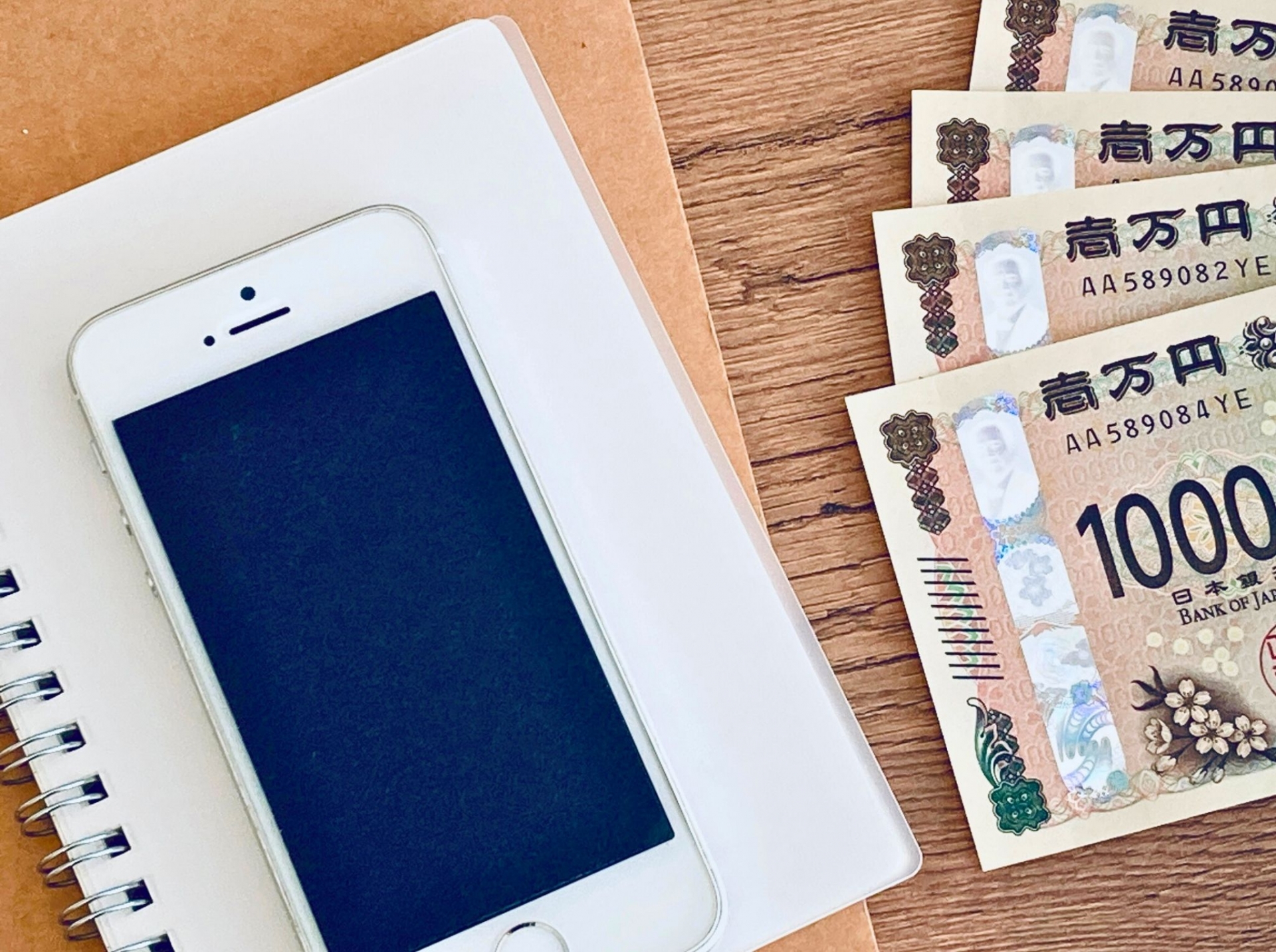
The 2026 Hybrid Reality: Why You’re Not a 'Digital Nomad' Yet
I like to think of myself as a tech-first traveler, but Japan in 2026 still keeps me humble. While major department stores in Ginza or convenience stores like Lawson are 100% cashless, the parts of Japan you’ll fall in love with are often stubbornly analog. I’m talking about those 400-year-old temples in Kyoto where the entrance fee is a crisp 500 yen note, or the local 'Gachapon' capsule machines that only take 100 yen coins. Even with the government's massive push for digital payments, there is a cultural pride in the tactile nature of cash in sacred or traditional spaces. To navigate this, I always keep what I call my 'Temple Fund'—about 10,000 to 15,000 yen in cash—tucked away. I’ve found that while I can use my credit card for 90% of my trip, that final 10% is where the magic happens. I’ve seen so many travelers get frustrated at a local festival in Aomori because they can't buy a yakisoba with their phone. My secret is to secure my main transport and regional passes through a digital platform before I even land
Budget Saver
Klook Regional Passes & Vouchers
I use Klook to pre-pay my transport and tickets. It locks in my costs digitally so I can save my physical yen for better things like kobe beef and local crafts.
Check 2026 Pass Prices
. By pre-paying for those big expenses, I can allocate my physical cash strictly for the 'moments that matter'—like a rare handmade charm at a shrine or a round of drinks at a tiny standing bar. In 2026, 'cashless' is a utility that gets you from A to B, but 'cash' is the key that unlocks the authentic culture. Don't be the person arguing with a 70-year-old shop owner about credit card fees; carry the yen and enjoy the experience!
The 'Last Mile' Cash Bastions
I’ve noticed a new trend in 2026: 'Semi-Self-Checkout' machines at local supermarkets. The staff scans your items, but you pay at a machine. These are great because they take card, phone, *and* cash. But remember, the little ramen shop with the ticket machine? Those are almost ALWAYS cash only. I always carry a 'Gama-guchi' (clasp coin purse)—it makes me look like a local and helps me manage the pile of coins you’ll inevitably accumulate. Pro-tip: the 5-yen and 50-yen coins are your 'good luck' offerings for shrines!
Mobile Suica & The DCC Trap: How I Save 7% on Every Purchase
In 2026, if you’re still carrying a physical Suica card as your primary payment, you’re missing out. I’ve fully moved to Mobile Suica on my iPhone because of the 'Express Transit' feature—I don't even have to wake up my phone to tap through the gates at Shibuya Station. But here’s the savvy blogger secret: when I top up my digital card, I use my international travel card (like Wise or Revolut) to get the mid-market exchange rate. This completely bypasses the predatory fees at the airport exchange booths. However, be careful with the 'DCC Trap'—Dynamic Currency Conversion. When you’re at a high-end restaurant or a shopping mall, the terminal might ask if you want to pay in Yen or your 'Home Currency.' It looks so helpful and safe! But I learned the hard way that clicking your home currency can cost you an extra 3% to 7% in hidden markup. I always, always choose JPY (Yen) and let my own bank handle the math. By 2026, the 'swipe and sign' method is practically dead; if you don't know your 4-digit PIN for your credit card, you’re going to have a hard time at automated kiosks. I also love staying at hotels that I’ve pre-paid through a reliable site
Logistics Pro
Expedia Pre-Paid Hotel Collection
I always search for hotels that allow pre-payment. It prevents that awkward moment at check-out where you realize you don't have enough cash for city taxes or extras.
Find My Tokyo Hub Stay
. It keeps my travel budget clean and means I don't have to carry a huge amount of cash just to settle my room bill at 7:00 AM on check-out day. It’s all about layering your digital tools so that by the time you reach for your wallet, it’s for something fun, not a logistical chore.
The 7-Eleven Protocol: My Emergency Cash Hack
When I do run out of cash (and it happens!), I only use one strategy: the 7-Eleven Protocol. In 2026, 7-Bank ATMs are literally everywhere. I love them because they have multiple languages and they let me withdraw in 1,000 yen increments. There’s nothing worse than having a 10,000 yen bill at a tiny ramen shop and seeing the owner’s face fall because they don't have change! I also ignore the 'DCC' prompt on the ATM screen, just like I do at the shops. I’ve noticed that in 2026, Japan Post (JP Bank) ATMs have started adding extra fees for international cards on weekends, but Seven Bank stays consistent. My other favorite 2026 hack is the 'Pocket Change' kiosk at Narita and Haneda. At the end of my trip, I dump all my leftover coins into the machine, and it converts them into a digital gift card for Amazon or tops up my Suica for next year. It's so much better than bringing home a bag of coins I can't use! I’ve put together a quick cheat sheet below to show you where to go digital and where to keep your yen ready. Japan is a society that values the 'tactile human connection,' and physical money is a part of that. By being 'Digital First, Analog Ready,' you get the best of both worlds—the speed of a Shinkansen and the soul of a hidden shrine. Keep your coins ready for the magical moments, and your phone ready for everything else!
| Where am I? | My Savvy Payment Choice | The Blogger's Truth |
|---|---|---|
| Convenience Stores / Malls | Mobile Suica / Credit Card | 100% Digital. Don't waste your yen here. |
| Temples & Shrines | Physical Yen (Coins/1,000s) | Digital is almost non-existent. Cash is respect. |
| Local Ramen / Izakaya | Physical Yen (Vending Machine) | Look for the ticket machine at the door—it's cash only! |
| Bullet Trains / Long Haul | Digital Ticket (Linked to IC) | Book online to save time and track your spend. |
| Taxis in Big Cities | App Payment (GO / Uber) | 99% accept card, but apps make it zero-stress. |