Rewiring Your Brain: The Left-Side Logic
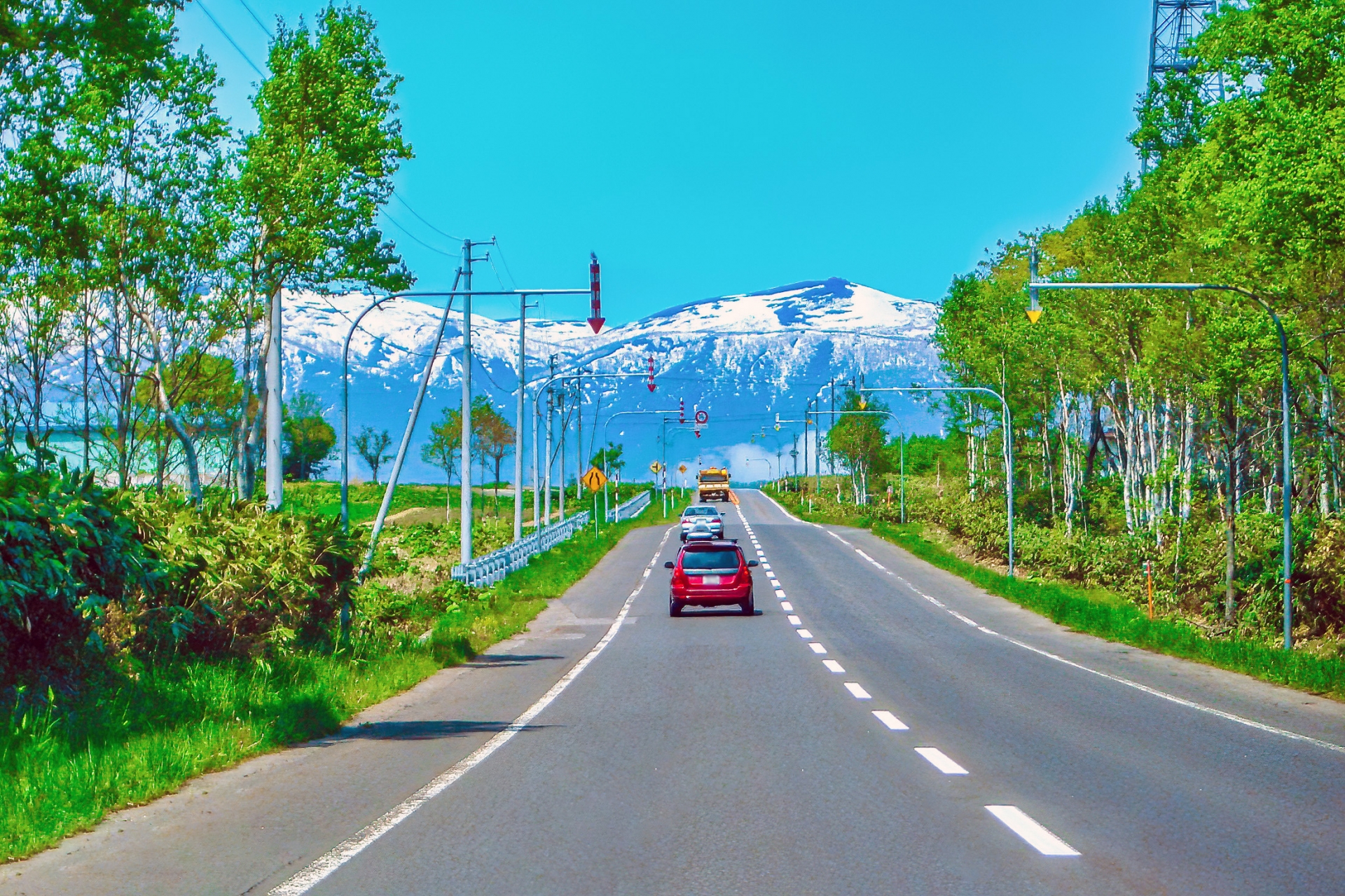
I'll never forget the first time I pulled out of a rental lot in Oita. I immediately turned on the windshield wipers when I meant to indicate—a classic rookie mistake! In 2026, most Japanese cars still have the indicator on the right side of the steering wheel, which is the opposite of what most of us are used to. My big pro tip? Focus on the center line. As long as that line is on your right side, you're doing great. I found that narrating my drive out loud—literally saying 'stay left, look right first'—helped my brain adjust much faster. Another thing that surprised me was the narrowness. In rural areas, what looks like a two-way road on GPS can feel like a driveway! I strongly recommend booking a car with an English-language GPS and an ETC 2.0 card through a reliable portal like Klook
Traveler's Choice
Klook Car Rental
I use Klook because it's much easier to filter for cars that guaranteed have English GPS and the essential ETC 2.0 card for tolls.
Secure Your Rental Car
to avoid the headache of fumbling for change at toll booths. In 2026, many newer rental models also have 'Lane Keep Assist' which I found to be a life-saver on those long, winding mountain passes where your attention might drift to the beautiful scenery. Just remember that the primary threat at intersections in Japan comes from your right—it’s the exact opposite of home, so keep those eyes peeling! I also learned the 'Hazard Flash' early on. If someone lets you merge into a tight spot, give them two quick flashes of your hazard lights as a 'thank you'. It makes you look like a local and keeps the vibes friendly.
The 3-Second 'Tomare' Rule
In 2026, AI cameras at rural intersections are common. When you see that red triangle 'Tomare' (止まれ) sign, you must come to a complete, 3-second stop *before* the white line. I used to pull forward a bit too far to see better, but that can actually trigger a violation! Stop fully, count to three, then creep forward to check your mirrors. It feels like forever, but it’s the savvy way to skip a heavy fine.
Kanji Survival: Signs You Can't Ignore
Even with the best 2026 navigation tech, there are moments where your GPS might lose its mind in a dense forest or a deep valley. That’s when knowing a few key Kanji characters becomes your superpower. I once found myself heading toward a mountain pass in Gifu only to see a sign that said '通行止め' (Tsukyodome). My GPS was telling me to keep going, but that sign actually meant 'Road Closed'. If I hadn't recognized it, I would have spent two hours driving for nothing! Another one to watch for is the yellow signs with animal silhouettes. In 2026, deer populations in places like Nara and Hokkaido are quite high, and they love to wander onto the roads at dusk. I’ve had more than one close call! Also, be aware of the blue 'National Route' shields versus the hexagonal 'Prefectural' signs. I always try to stick to the blue National routes whenever possible; they are wider and much better maintained. If you're staying at a traditional Ryokan in the countryside, I’ve found it’s a total lifesaver to book through a service that highlights 'Parking Available' filters
Pro Planning
Expedia Ryokan Stays
Searching for traditional stays with confirmed parking is vital in 'Inaka' zones. I always use these filters to avoid parking stress.
Find Ryokans with Parking
. There’s nothing worse than arriving at a beautiful, narrow village at night and realizing there is nowhere to put your car! Driving here is really about being prepared for what the screen doesn't tell you.
The Art of the 1.5-Lane Road
One thing I had to master quickly was the '1.5-lane road'. These are super common in historic villages and coastal areas. It’s wider than one lane but not quite two, meaning if a car comes the other way, someone has to pull over! I learned to look way ahead for 'Taihi-jo' (passing bays). If I saw a car coming, the best move was to pull into the next bay and wait. Locals will usually give you a little wave or a flash of lights to say thanks. This isn't about speed; it's about spatial awareness. I also found that 'Michi-no-Eki' (Roadside Stations) are the absolute best part of driving in rural Japan. In 2026, these hubs have gotten even better, often with high-speed EV chargers and incredible local food markets. I made it a rule to stop every two hours just to stretch my legs and check the local map. It keeps you fresh and alert for those tight turns. Don't try to keep up with the 'K-cars' (those tiny boxy cars with yellow plates)—the locals drive them like race cars because they know every inch of the road. Let them pass, keep your cool, and enjoy the journey at your own pace.
| Road Challenge | My Savvy Strategy | Danger Level |
|---|---|---|
| Narrow 1.5-Lanes | Use Passing Bays (Taihi-jo) | High |
| Mountain Curves | Trust the Convex Mirrors | Medium |
| Village Speed Limits | Stick to 30-40km/h | Low |
| Night Driving | Watch for Deer (Shika) | Very High |