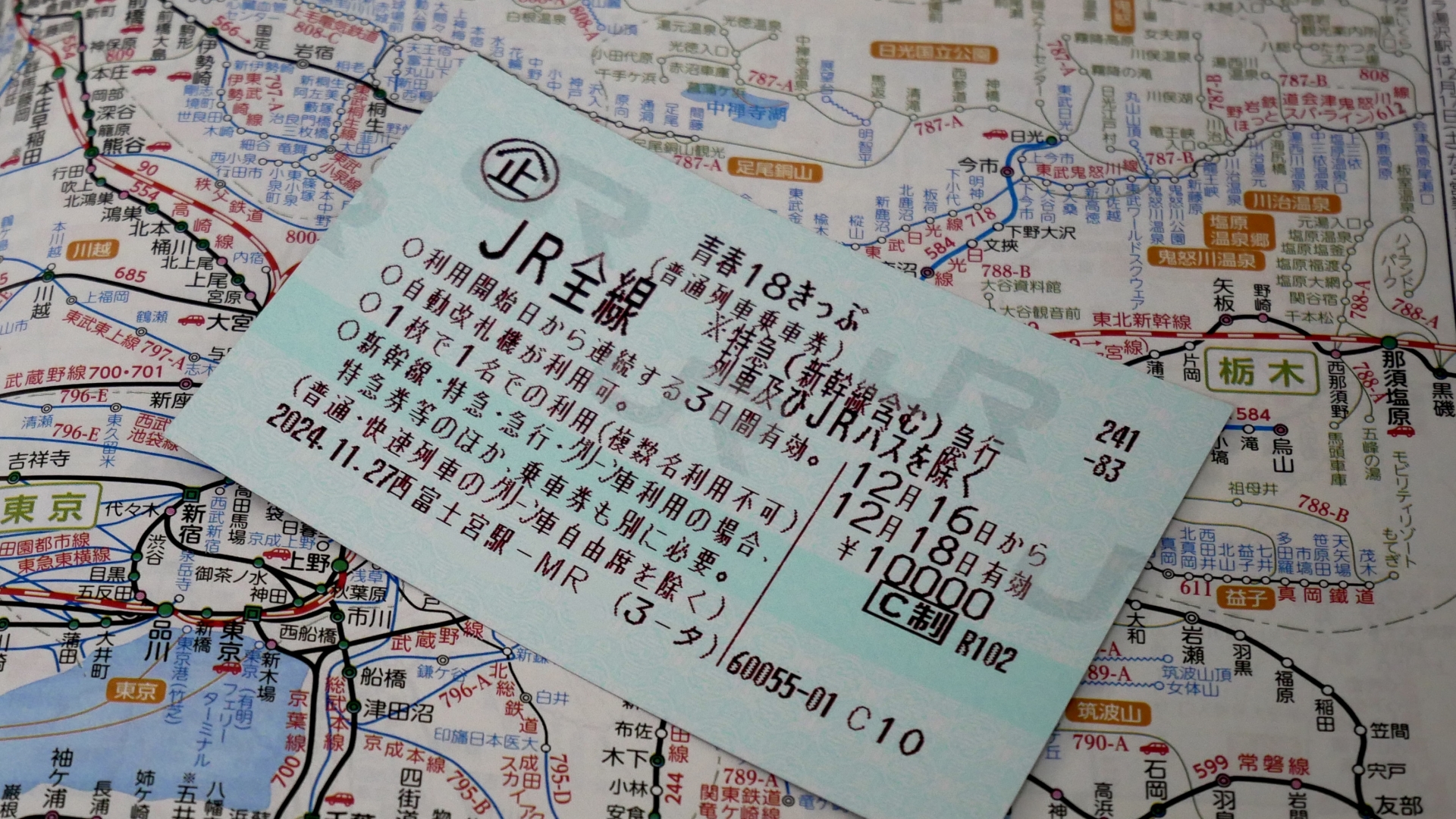
Why I Stopped Buying the National JR Pass
I remember the days when a simple return trip between Tokyo and Kyoto made the JR Pass a 'no-brainer'. But in 2026, that math just doesn't work anymore. After the massive price hikes, I found myself sitting at my desk with a spreadsheet, realizing I was about to overpay by nearly the cost of a high-end sushi dinner! The National Pass now asks for a relentless schedule. To make it worth it, I had to move between cities almost every two days, which, honestly, felt more like a marathon than a vacation. If you're just doing the 'Golden Route' (Tokyo, Kyoto, Osaka), the National Pass is a financial anchor. I've switched to buying individual tickets for these legs, and it's been a game-changer. I realized that by booking the Shinkansen legs separately through apps like Klook
Traveler's Staple
Klook Rail Booking
I use this to avoid the 3D-secure credit card errors that often plague Japan's internal sites. It's fast, in English, and the QR fulfillment is instant.
Check Regional Pass Rates
, I kept my freedom and saved a pile of yen. You don't have to worry about the 'Nozomi surcharge' either—when you buy individual tickets, you just get the fastest train and go. I tell my friends all the time: don't buy the 'all-access' pass just for the feeling of security. It's an expensive security blanket that you probably won't use to its full potential. Instead, map out your long-distance legs first. If you aren't crossing half the country in a week, you're better off without the big pass. My advice? Only consider the National version if you're planning an epic 'Grand Tour' that touches both Hokkaido and Kyushu within 7 days. For everyone else, stay flexible and stay savvy.
The 'Is it Worth it?' Simple Formula
Here is the rule I live by in 2026: your daily travel cost has to be more than a fancy hotel dinner—around 11,000 to 12,000 yen—every single day for the pass to pay off. If you're spending three days exploring Kyoto's temples (which I highly recommend!), the pass is just losing value while you walk. It’s better to pay for that one Shinkansen ticket and use a simple IC card for the local buses and subways. Plus, remember that many private lines in cities like Kyoto or Osaka—the ones that actually take you closer to the sights—aren't even covered by the JR pass!
The Magic of Regional Passes: Deep Dives for Less
This is where the real fun starts! In 2026, I've become obsessed with Regional Passes. They are like surgical tools for your budget. Instead of paying for the whole country, you pay for a specific area—like the Kansai region or the Tohoku north—at a fraction of the cost. I recently used the Kansai-Hiroshima Area Pass and I was blown away by the value. Not only did it cover my Shinkansen to Hiroshima, but it also covered the ferry to Miyajima and even some local buses! These passes have maintained a much better 'ROI' (Return on Investment) than the National one. They allow you to slow down and really see a place. I spent five days just in the Hokuriku area using the Arch Pass, traveling from Tokyo to Osaka the 'scenic way' via Kanazawa. It was beautiful, less crowded, and cost significantly less than the standard route. In 2026, these regional gems also come with digital QR codes, so I didn't even have to wait in those long ticket office lines. I just scanned my phone and went through the gate. If your heart is set on a specific region, please, look at the regional pass first. It’s the ultimate 'pro-traveler' move. You get the same fast trains, often including the Nozomi in the west, and you have more money left over for amazing local food and souvenirs. I've found that staying at a well-located hub hotel makes these regional trips even easier
Logistics Pro
Expedia Hub Hotels
My secret to easy travel is staying at hotels directly connected to Shinkansen stations like Shin-Osaka or Tokyo Station. It saves hours of transit time.
Find Best Station Hotels
. It feels great to drop your bags and be on a train to a neighboring castle town in minutes.
Individual Tickets & Digital Hacks: The Minimalist Way
For my shorter trips, I’ve gone completely digital. 2026 is all about the 'hybrid' approach. I book my Shinkansen tickets on my phone using apps like Smart-EX or Ekinet. If you book around three weeks in advance, you can snag 'Early Bird' discounts that feel like a steal. I loved being able to bind my ticket directly to the Suica card on my iPhone. No paper tickets to lose, no machines to struggle with—just a simple tap at the gate. This is perfect for those of us who hate carrying extra cards. I also found that for some routes, like Tokyo to Nagoya, private rails like Kintetsu actually offer a more luxurious 'Premium' seat for a lower price than the JR equivalent. By using individual tickets, you aren't 'locked in' to only using JR trains. You can pick the best, cheapest, or most comfortable way for every single leg of your journey. It’s about being a logistical ninja! I’ve noticed that travelers who buy individual tickets are often more relaxed—they aren't constantly checking their watch to see if they've 'used' their pass enough for the day. You pay for what you use, and in 2026, that transparency is worth its weight in gold. Especially with the yen being a bit unpredictable, keeping your costs clear and fixed is a massive stress-saver. Don't forget that most major stations now have incredibly helpful English signage and staff, so even if you aren't using an app, buying a single ticket is a breeze. Just remember to double-check those platform numbers!
| Transit Strategy | Typical 2026 Cost | My Savvy Rating |
|---|---|---|
| 7-Day National Pass | Price of a high-end tablet | Only for High-Velocity Trips |
| Regional Area Pass | Price of a nice steak dinner | The Sweet Spot for Value |
| Individual Smart-EX Leg | Standard fare (with discounts) | Best for Minimalist Travelers |
| Hokuriku Arch Pass | Around 30,000 yen | Best for Scenic Explorers |