Welcome to Kumano Kodo Trail
The Kumano Kodo is not merely a trail; it is a thousand-year-old dialogue between nature and the divine. As you step onto the moss-slicked cobblestones of the Nakahechi route, the air cools, thick with the scent of ancient cedar and the damp, earthy fragrance of the Kii Peninsula’s dense forests. Here, the saline mist of the nearby Pacific merges with the incense of remote shrines. Every step is a rhythmic meditation, leading you through ethereal landscapes where spirits are said to reside in every stone and waterfall. Whether you seek physical challenge or spiritual clarity, this UNESCO-listed pilgrimage offers a profound sense of timelessness that resonates long after the journey ends.
Kumano Nachi Taisha & Nachi Falls
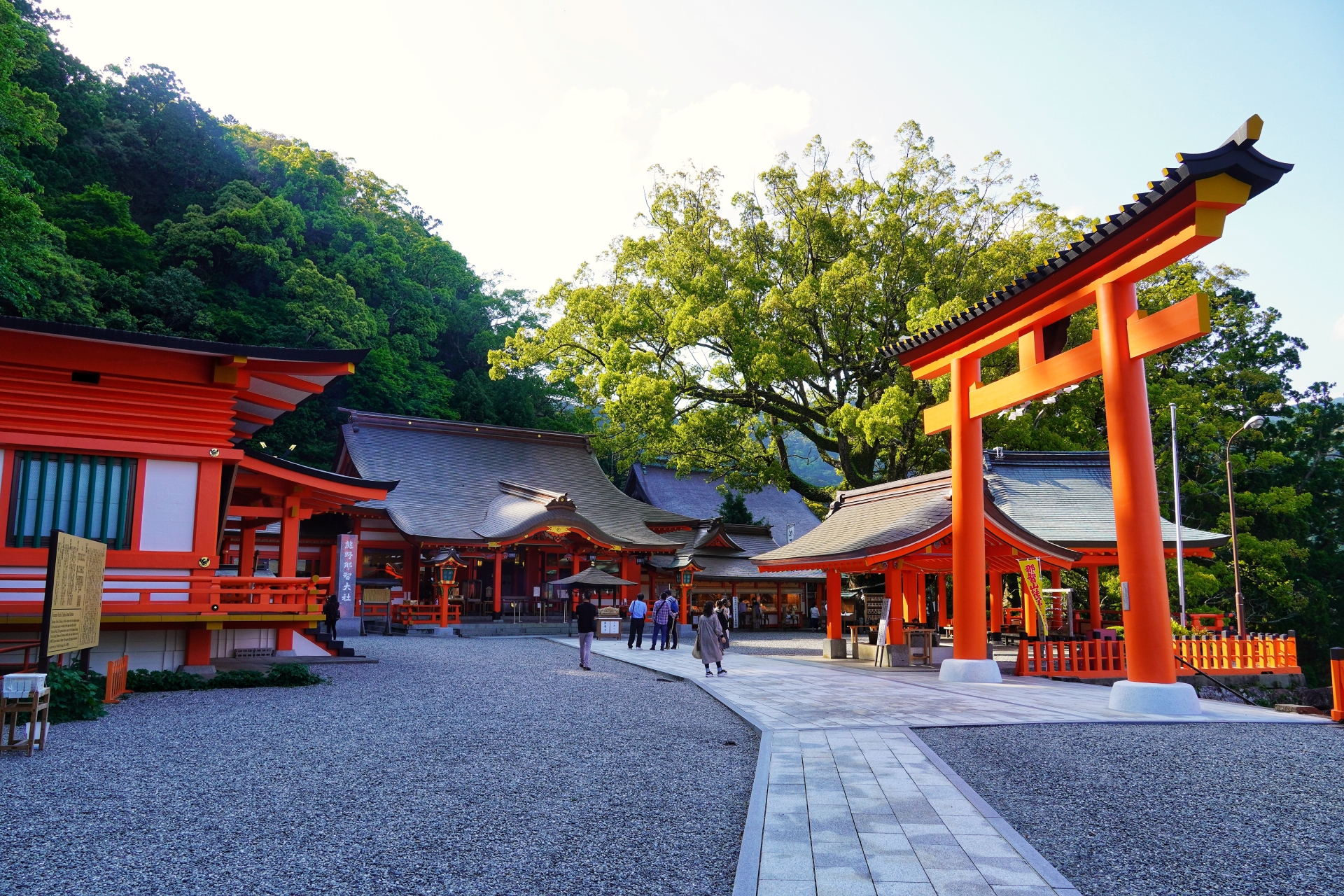
Witness the breathtaking intersection of human devotion and raw elemental power. The 133-meter Nachi Falls plunges with a thunderous roar, its spray cooling the air as you stand before the brilliant vermillion Seiganto-ji Pagoda. The sensory contrast between the vibrant architecture and the sheer white curtain of water is unparalleled. This is the spiritual climax of the pilgrimage, where the water is worshipped as a deity. The site hums with a primal energy that commands silence and reverence, offering a visual spectacle that feels suspended in a celestial realm.
Kumano Hongu Taisha & Oyunohara
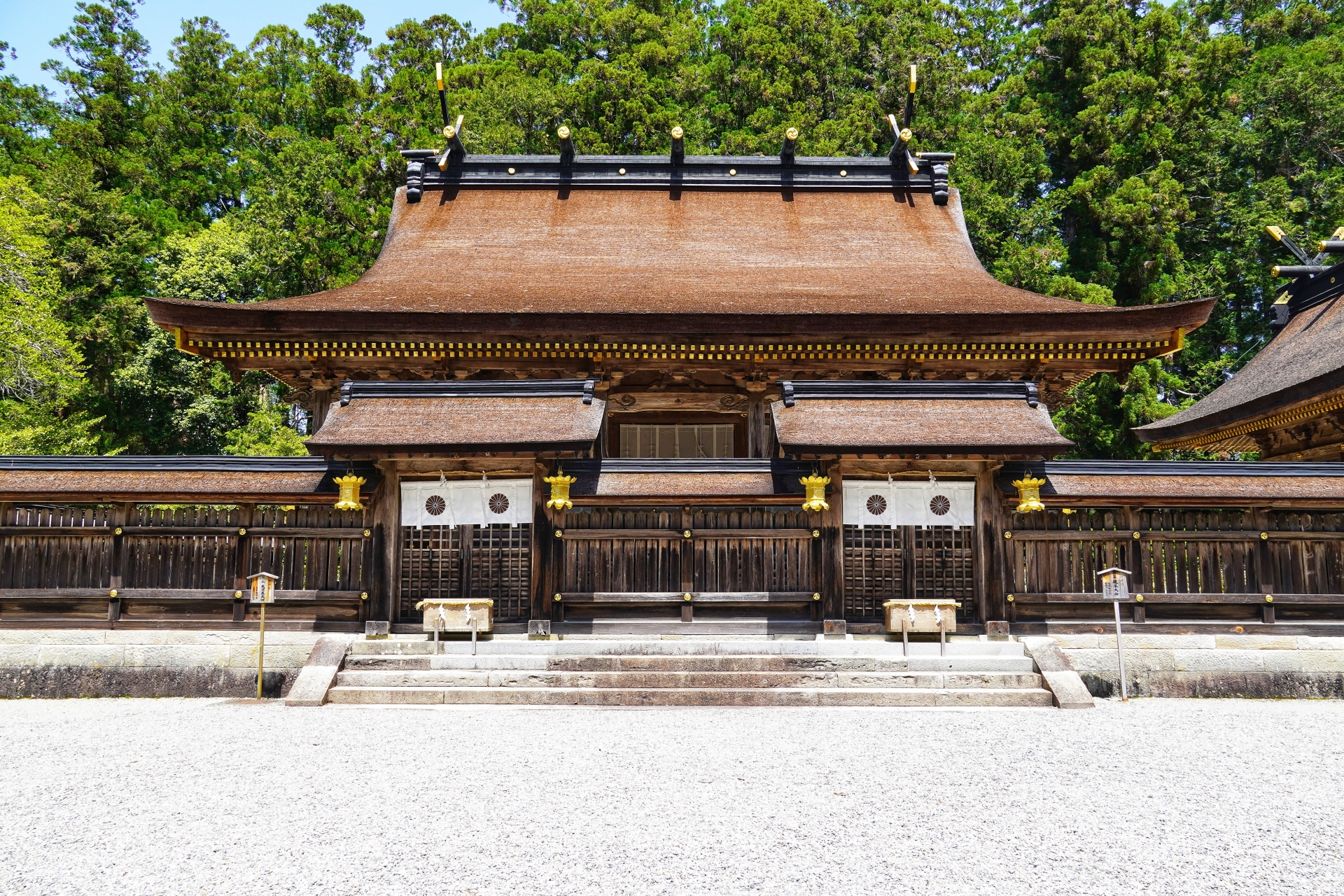
At the heart of the trail lies Hongu Taisha, reached by a final ascent that tests the spirit. Its austere, bark-thatched roofs blend seamlessly into the surrounding forest, exuding a quiet, masculine strength. Nearby, the Oyunohara gate—the largest Torii in the world—rises 33 meters above the rice paddies, marking the entrance to what was once the shrine's original site. Walking beneath this steel giant, you feel a profound sense of insignificance and awe. The scent of cypress wood and the rustle of the surrounding bamboo groves create an atmosphere of absolute tranquility.
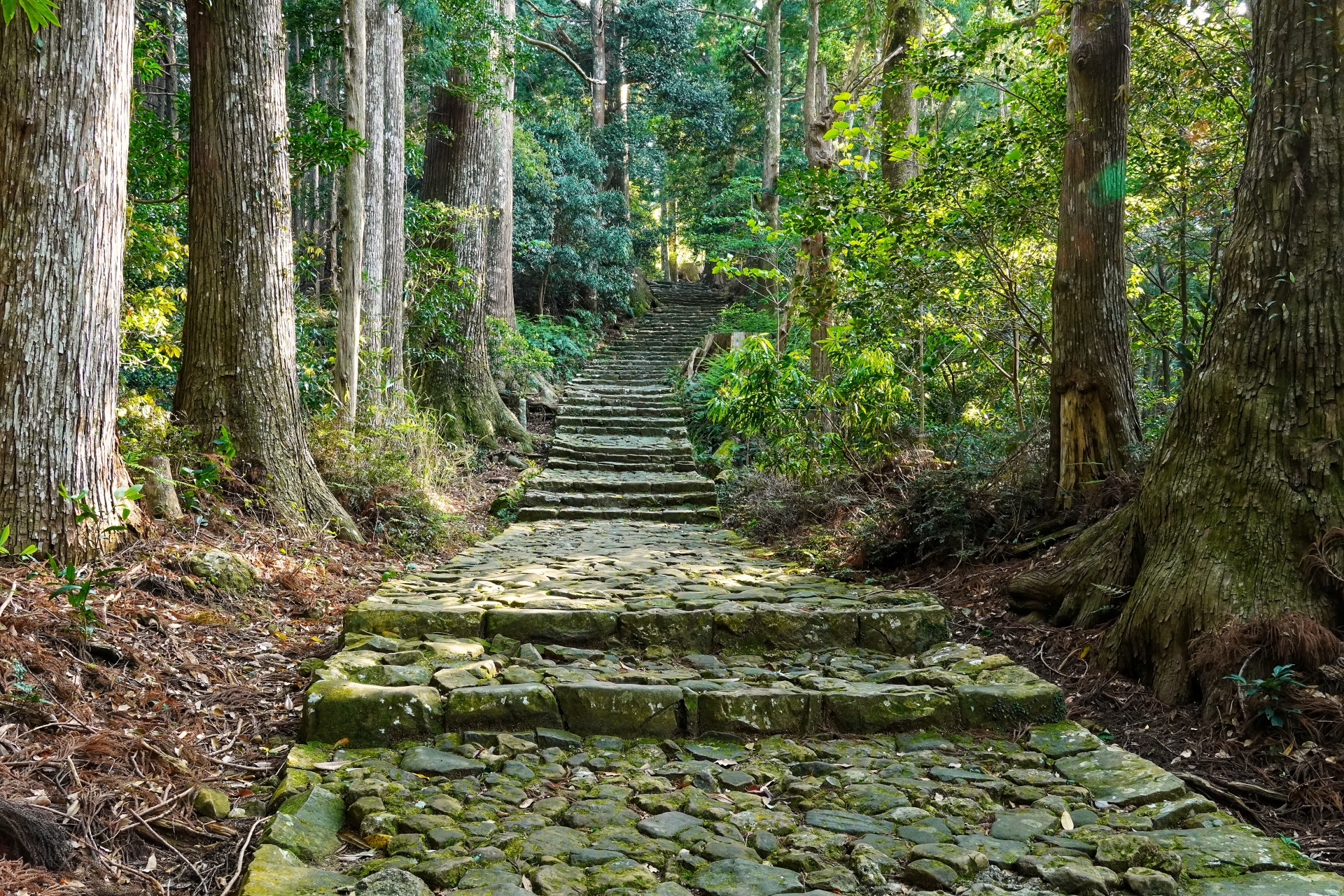
Daimon-zaka
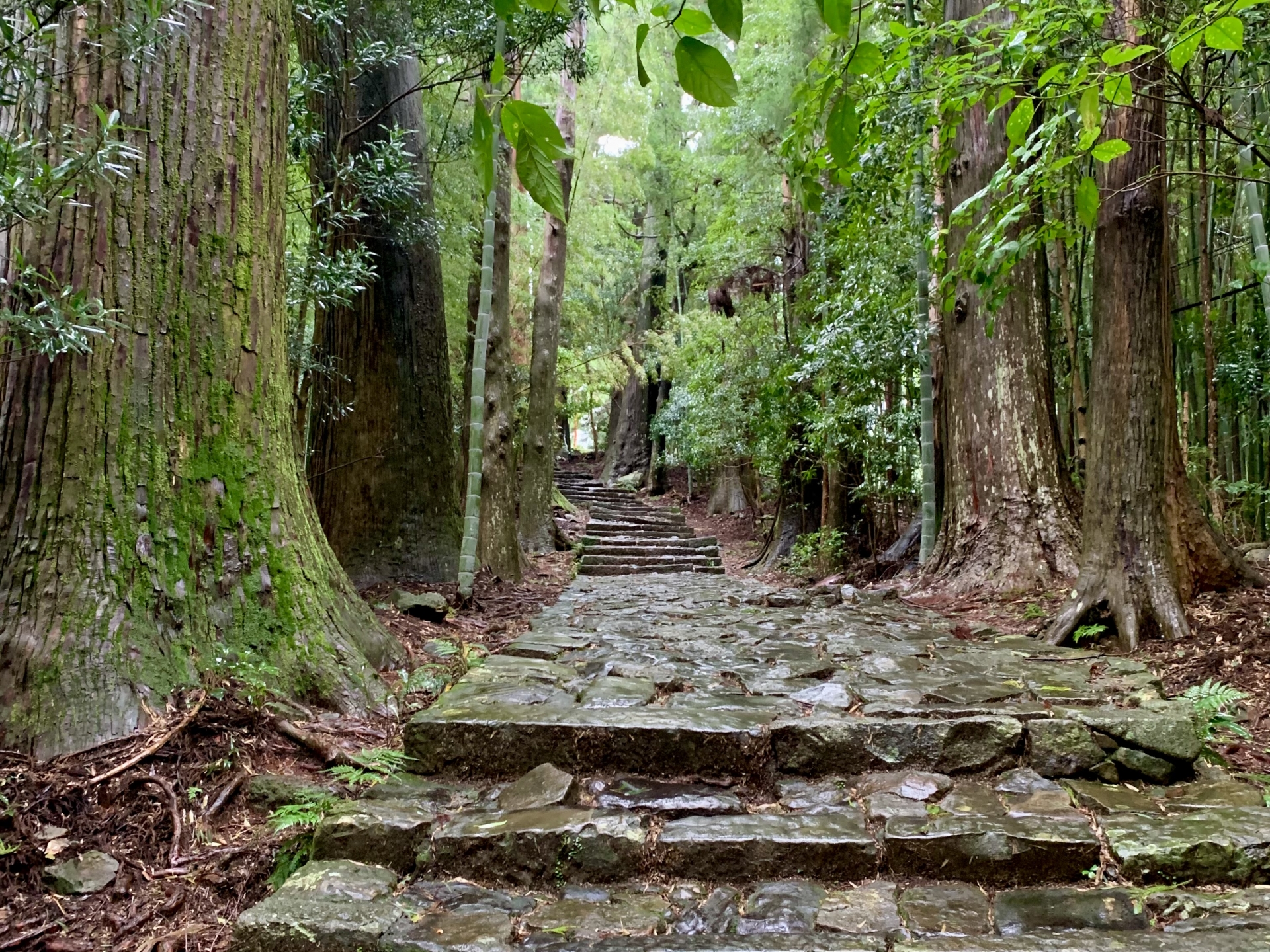
Daimon-zaka is the most atmospheric stretch of the trail, a 600-meter staircase lined with 800-year-old Japanese cedars. These 'Meoto Sugi' (Husband and Wife) trees stand as silent sentinels, their massive trunks covered in soft, velvet-like moss. As you ascend, the light filters through the canopy in golden shafts, illuminating the ancient stones laid during the Edo period. The physical sensation of the uneven rocks beneath your feet connects you directly to the millions of pilgrims who have trodden this path over centuries. It is a portal to old Japan, preserved in emerald green.
Local Soul Food
Tastes you can't find anywhere else.
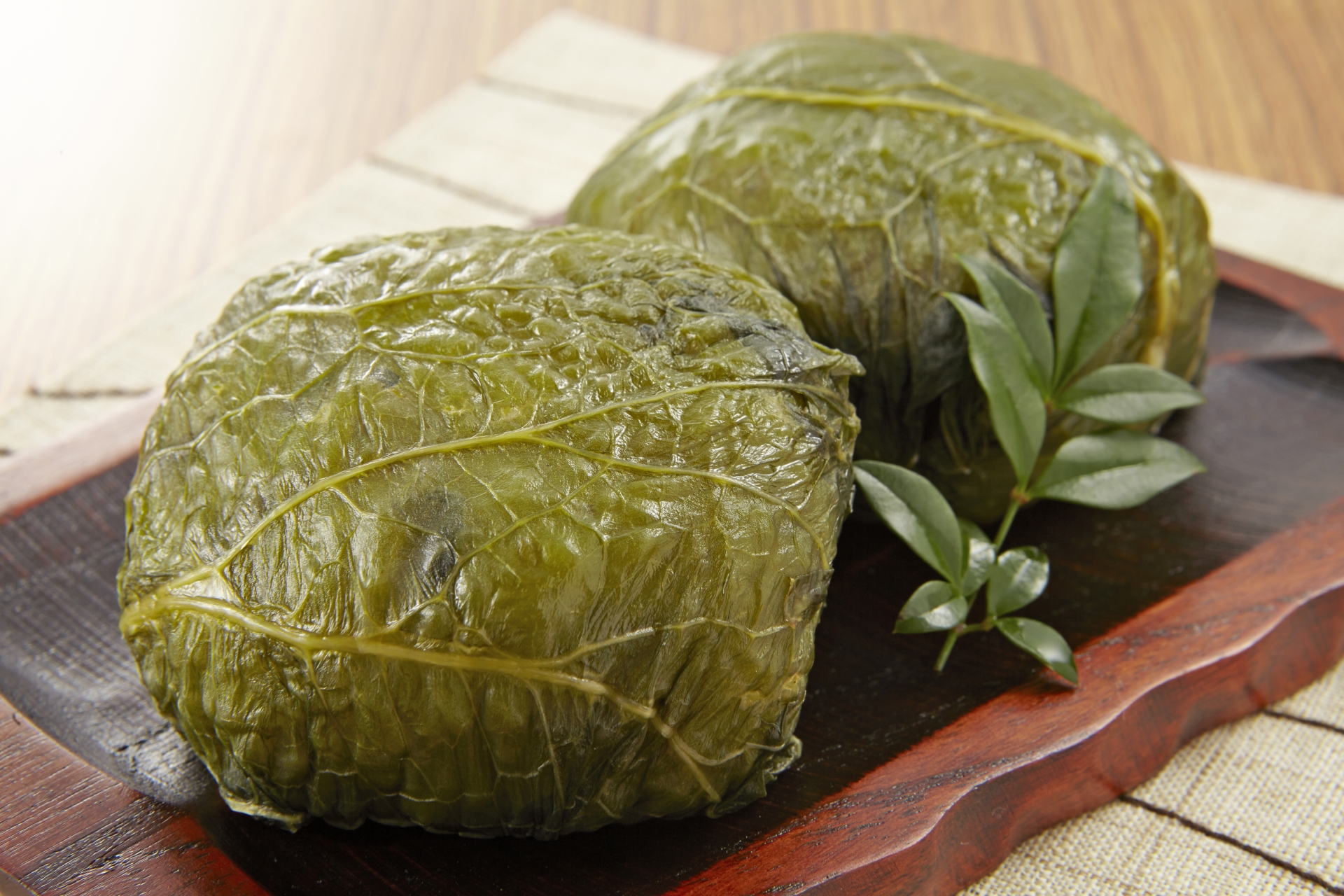
Mehari-zushi
A rustic masterpiece of the Kii Peninsula. These large rice balls are wrapped in salted mustard leaves, providing a sharp, peppery crunch that gives way to the soft, vinegared rice within. The name 'Mehari' suggests your eyes open wide in surprise when you bite into it. It is the ultimate hiker's fuel—salty, satisfying, and deeply rooted in the mountain culture of Kumano.
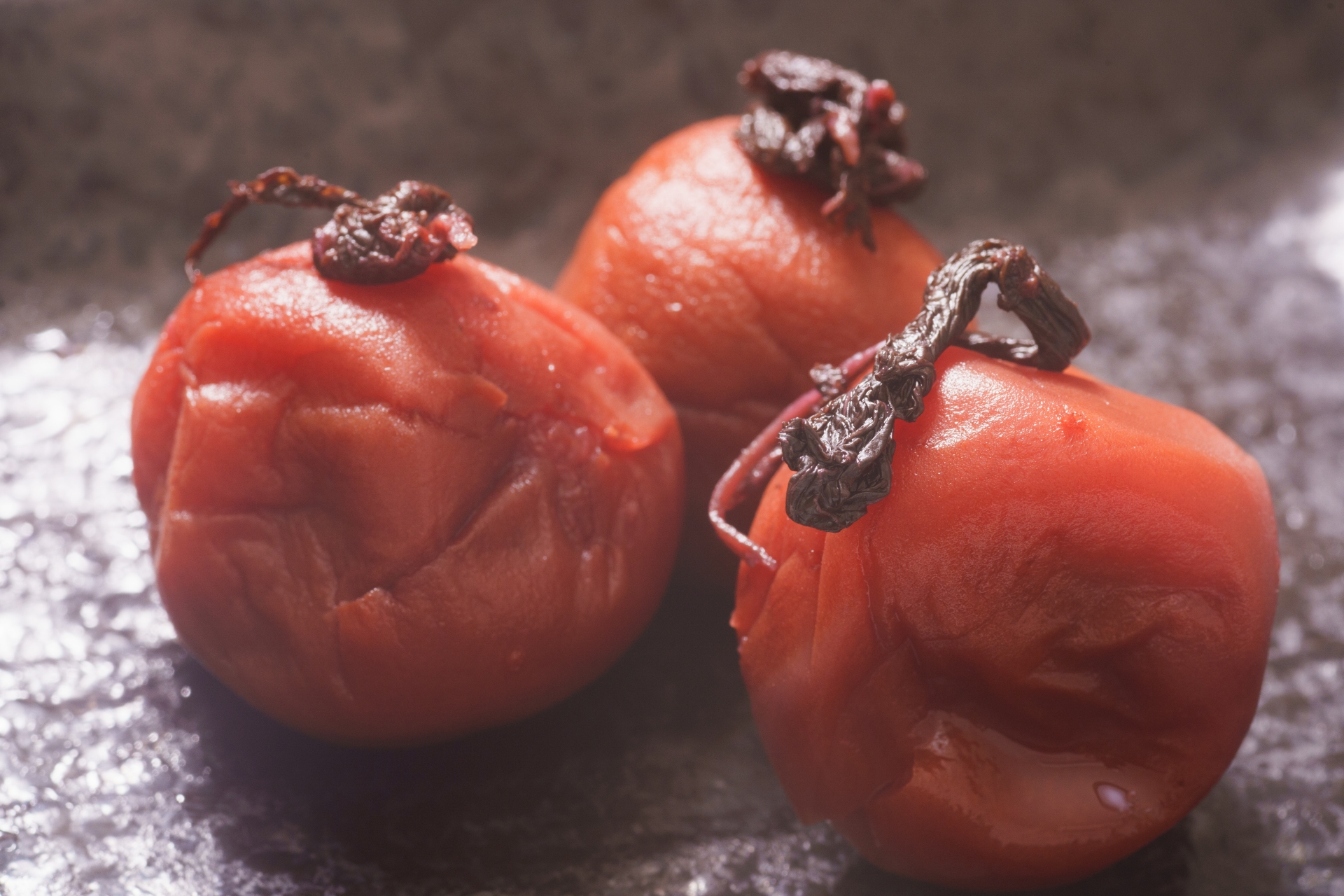
Kishu Umeboshi
Wakayama produces Japan's finest pickled plums. These are not your average pickles; Kishu Umeboshi are plump, thin-skinned, and offer a complex balance of intense acidity and subtle sweetness. The texture is almost buttery, melting on the tongue. Often served with local tea, they are revitalizing after a long day of trekking, known for their ability to combat fatigue and cleanse the palate.
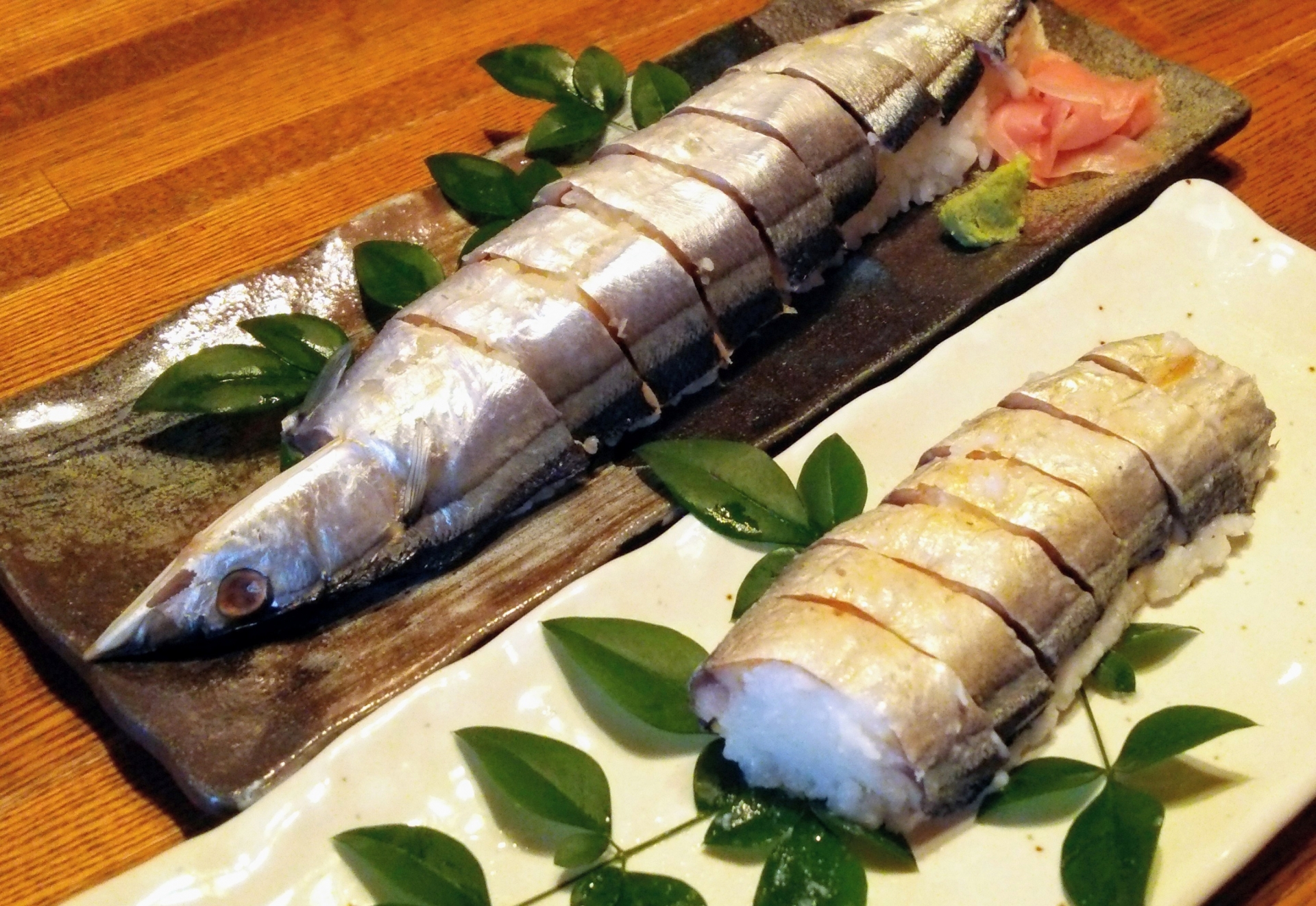
Sanma-zushi
A coastal delicacy featuring Pacific Saury. The fish is butterfly-cut and marinated in bitter orange (daidai) juice and salt, then pressed onto rice. The result is a clean, bright umami flavor with a firm, meaty texture. Unlike typical sushi, this is a preserved tradition, capturing the essence of the Kumano sea in every bite. The citrus notes cut through the richness of the fish perfectly.
Premium Stays
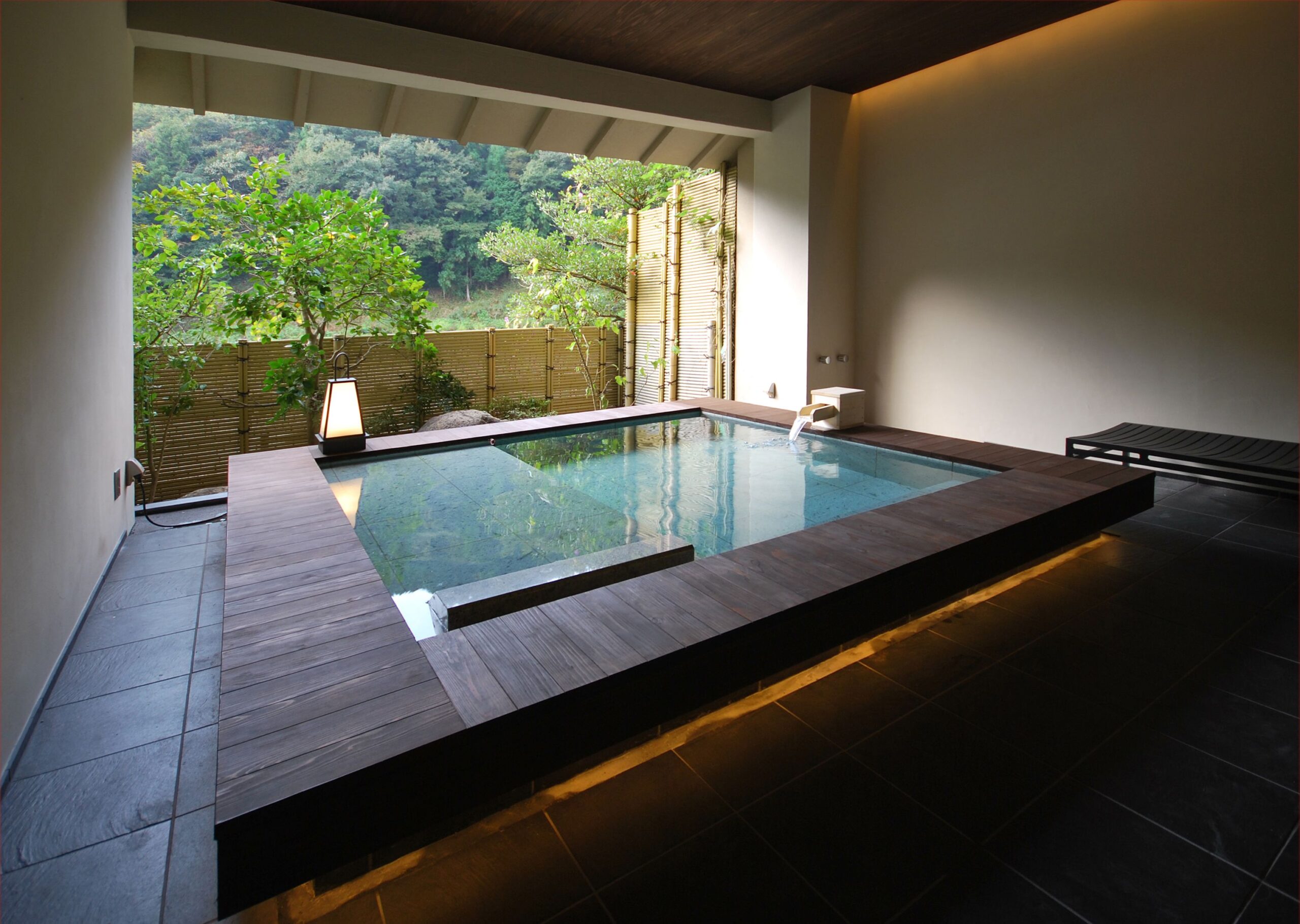
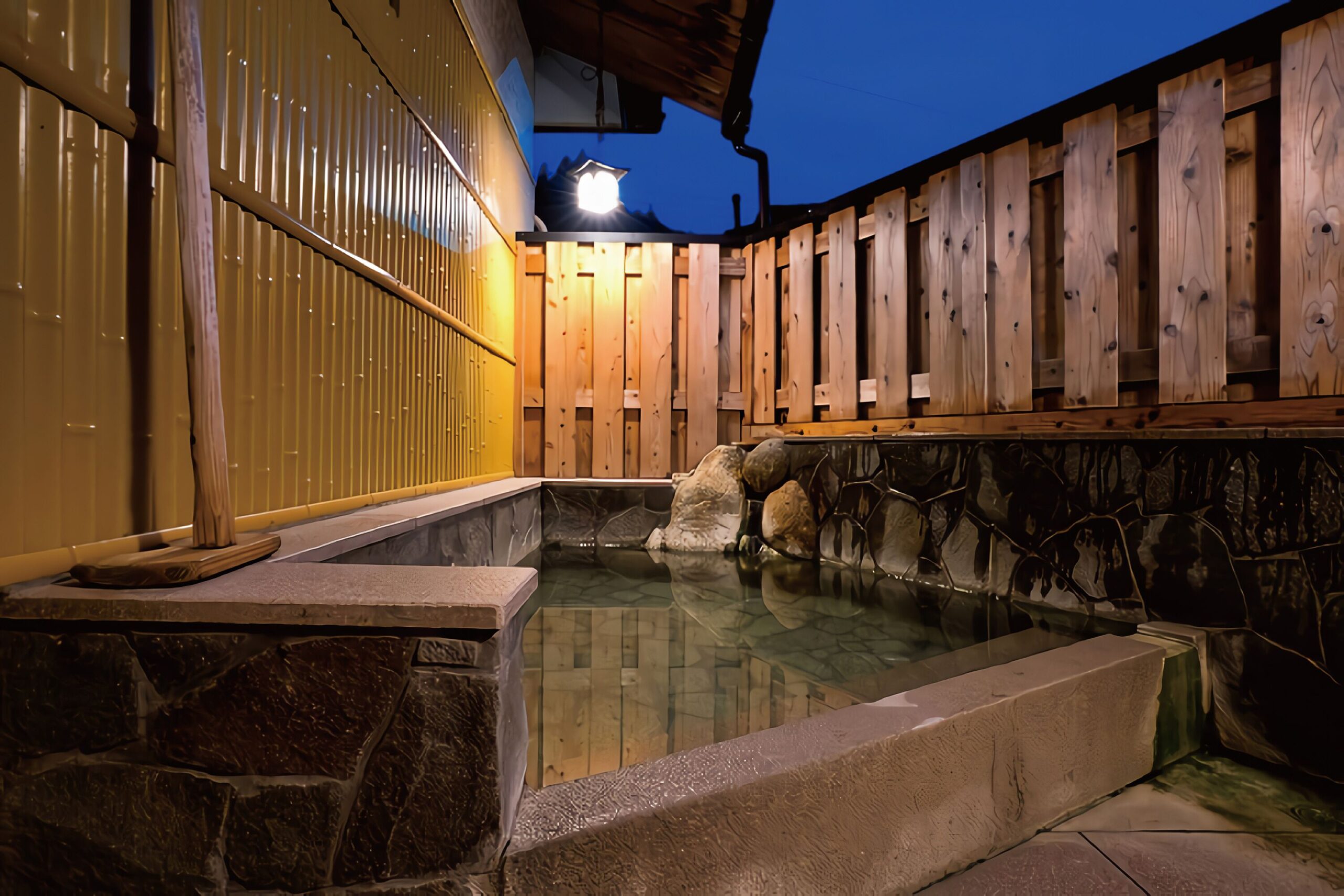
For the ultimate Kumano experience, stay in the Yunomine Onsen area to soak in sacred waters, or choose Kawayu Onsen for a unique riverside thermal experience. These locations offer direct access to the trails while providing the restorative power of natural hot springs.

Getting There
Take the JR Kuroshio Limited Express from Osaka (Shin-Osaka Station) to Kii-Tanabe Station (approx. 2.5 hours). From there, local Ryujin buses connect to the trailheads. Note that buses are infrequent; always secure a physical timetable at the Tanabe Tourist Information Center.
FAQ
Inspired?
Share this destiny with someone special.