Hiroshima
Welcome to Miyajima Island
Stepping onto Miyajima Island is like crossing a threshold into a living ukiyo-e woodblock print. As the saline mist of the Seto Inland Sea brushes against your skin, the scent of ancient cedar and incense guides you toward the iconic Itsukushima Shrine. This is a realm where gods and humans have coexisted for centuries, where wild deer wander with a gentle grace through moss-covered forests. Whether you are watching the sunset paint the great torii gate in shades of bruised purple and gold, or feeling the spiritual hum of Mount Misen’s peaks, Miyajima offers a profound sensory reset. It is a destination that demands you slow down, breathe deeply, and surrender to the rhythmic pulse of the tides and the timeless elegance of Japanese tradition.
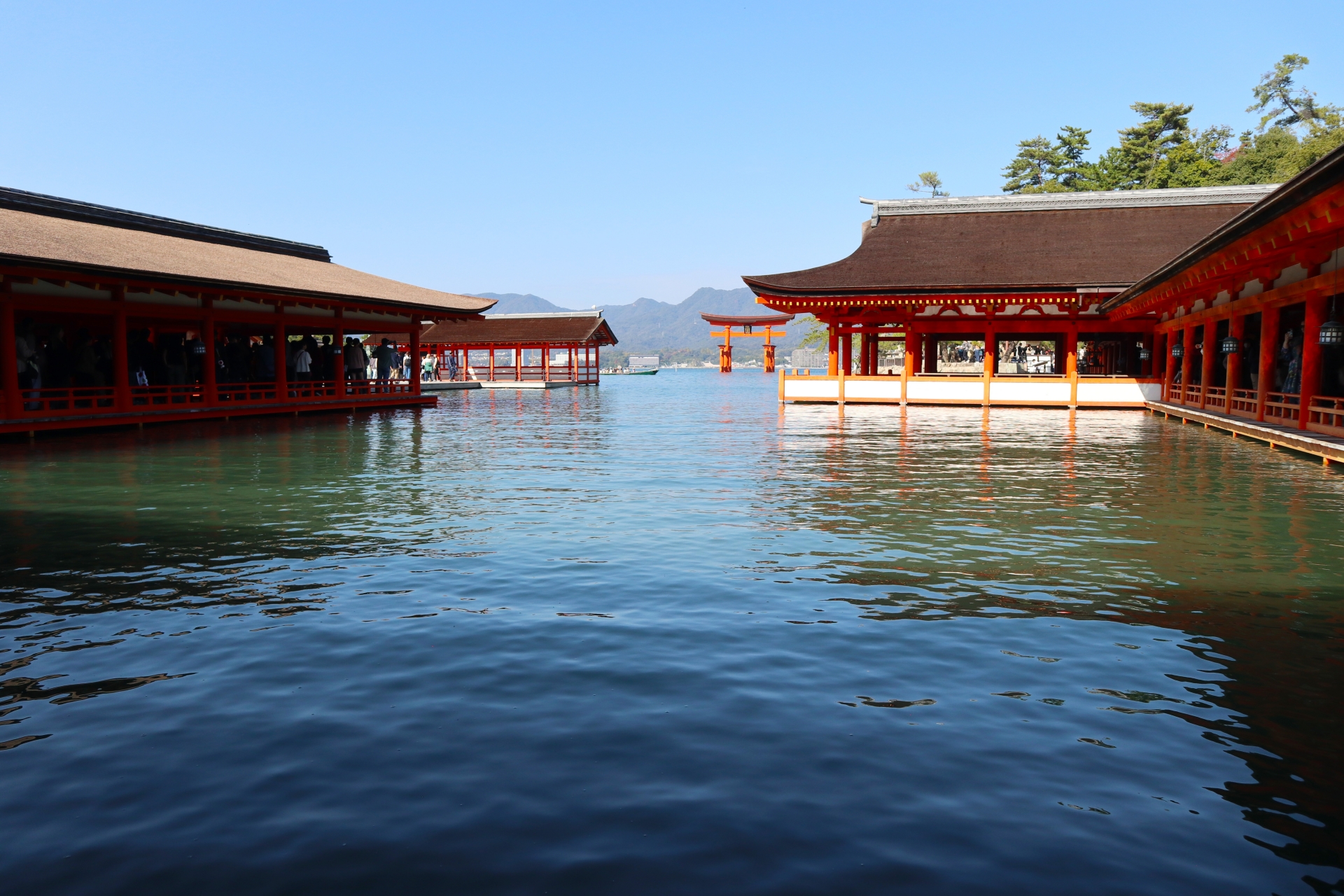
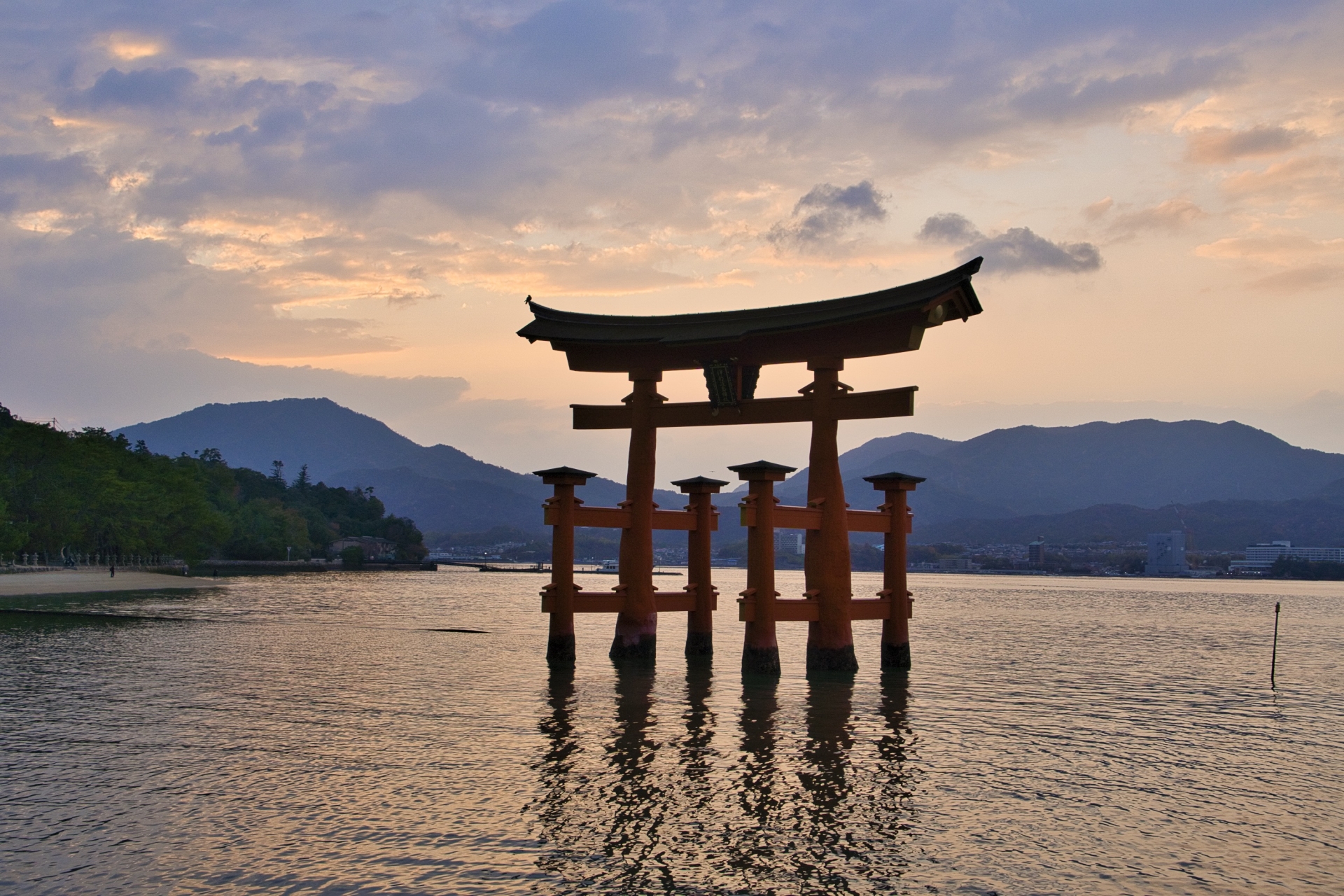
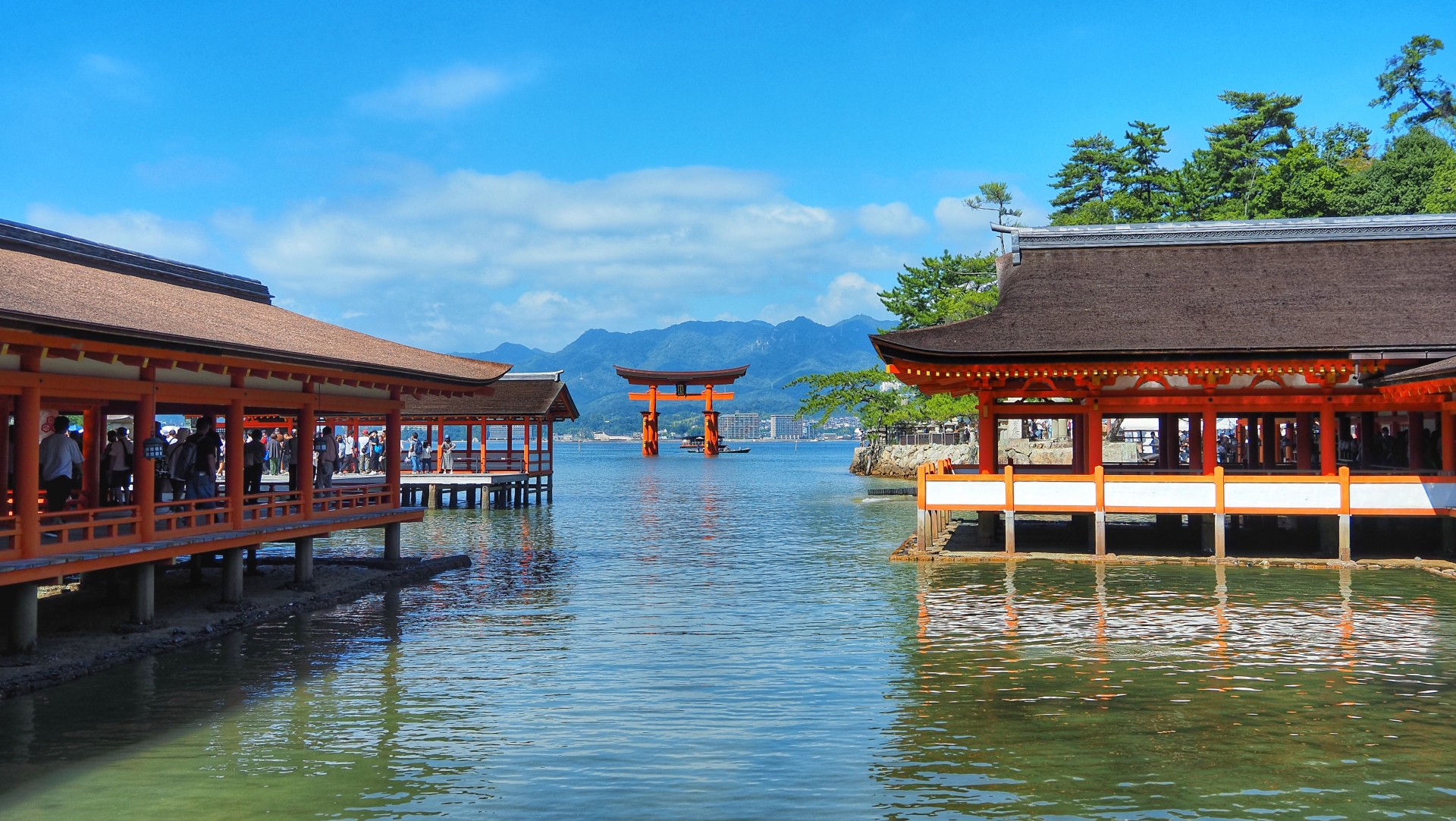
Itsukushima Shrine
An architectural marvel that appears to float upon the sea at high tide, this UNESCO World Heritage site is the heartbeat of the island. The intricate boardwalks and vermilion pillars create a rhythmic geometry that contrasts beautifully with the cerulean water. Walking through the corridors, you feel the cool sea breeze and hear the gentle lapping of waves beneath your feet. It is a masterpiece of Heian-period design, built to honor the deities of the sea, offering a spiritual sanctuary that feels both fragile and eternal in its coastal majesty.
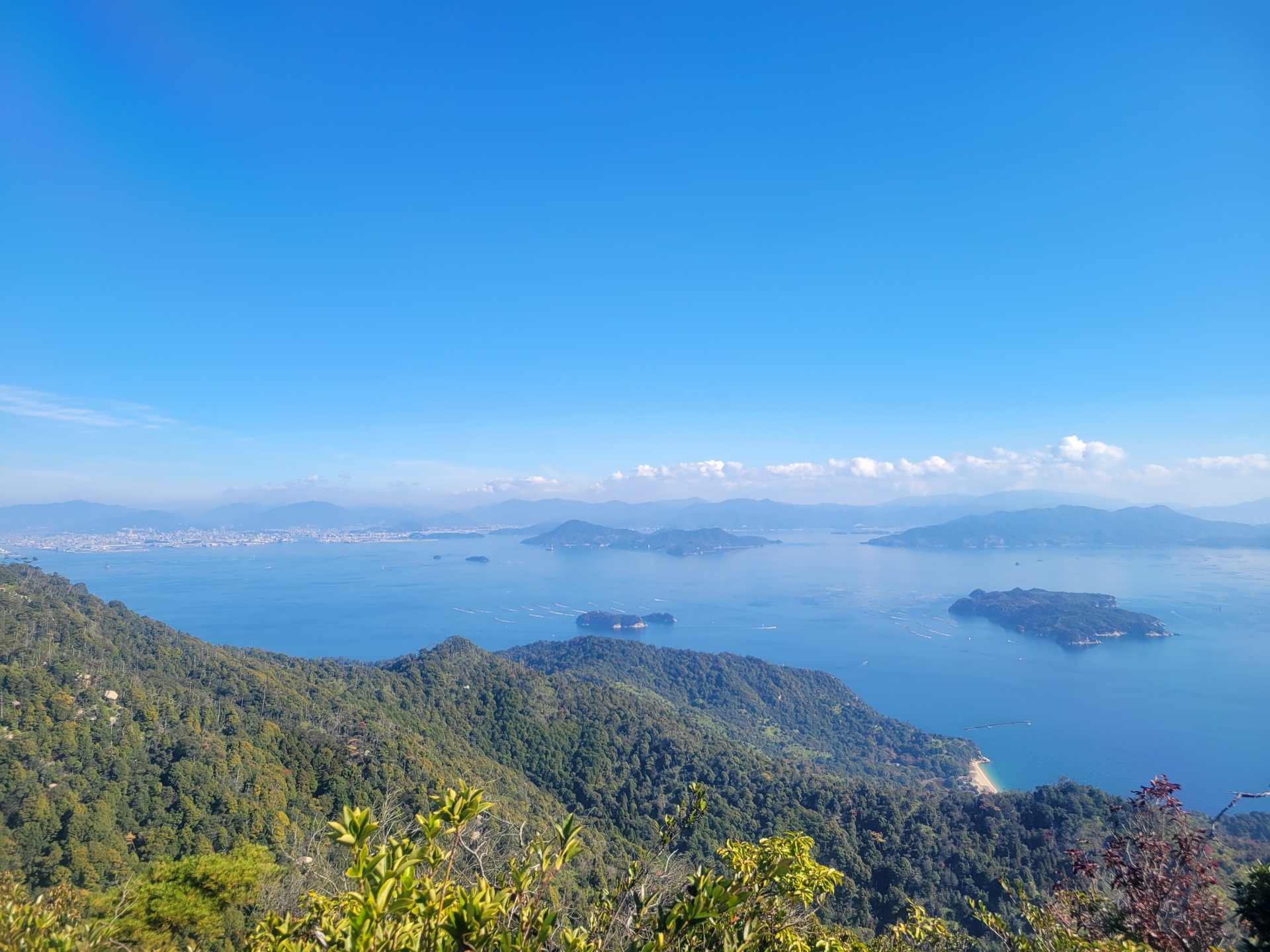
Mount Misen Summit
Ascend to the highest peak on the island to witness a panoramic spectacle of the Seto Inland Sea’s emerald islets. The journey via the Miyajima Ropeway provides a bird's-eye view of the primeval forest, a lush canopy of ancient greenery. At the summit, the 'Kie-zazu-no-hi' or Eternal Flame—said to have burned for over 1,200 years—offers a profound sense of continuity. The air here is thin, crisp, and charged with spiritual energy, making the rocky outcrops the perfect place for quiet meditation or capturing breathtaking vistas.
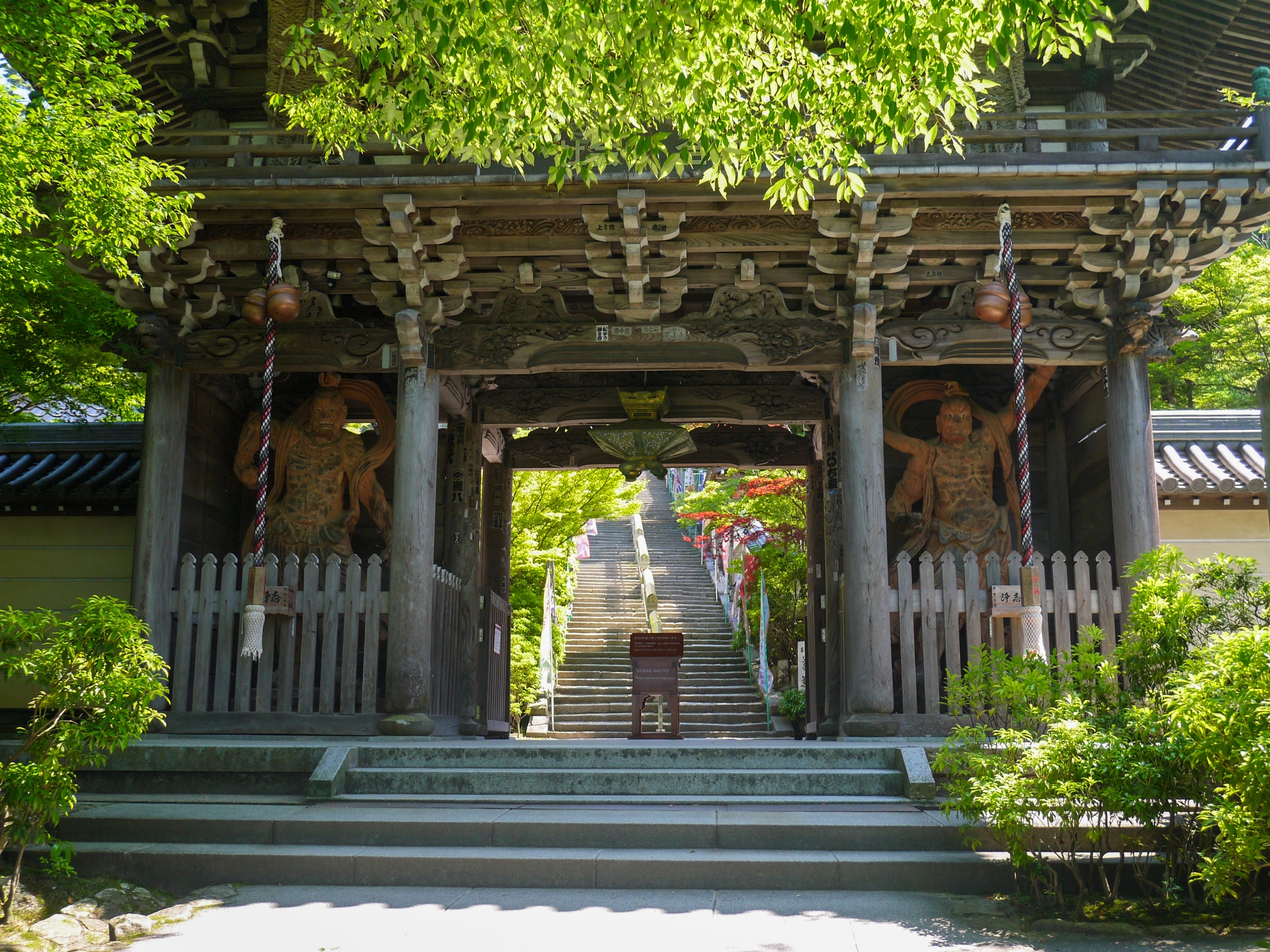
Daisho-in Temple
Nestled at the base of Mount Misen, Daisho-in is perhaps the most atmospheric Buddhist temple in Japan. It is a labyrinth of spiritual discovery, featuring the '500 Rakan' statues, each with a unique facial expression and a hand-knitted hat. The climb up the stairs, lined with spinning prayer wheels containing sacred sutras, creates a meditative metallic chime that echoes through the trees. From the Henjokutsu Cave, lit by hundreds of glowing lanterns, to the serene sand mandalas, this temple offers an intimate, tactile connection to Shingon Buddhism.
Local Soul Food
Tastes you can't find anywhere else.
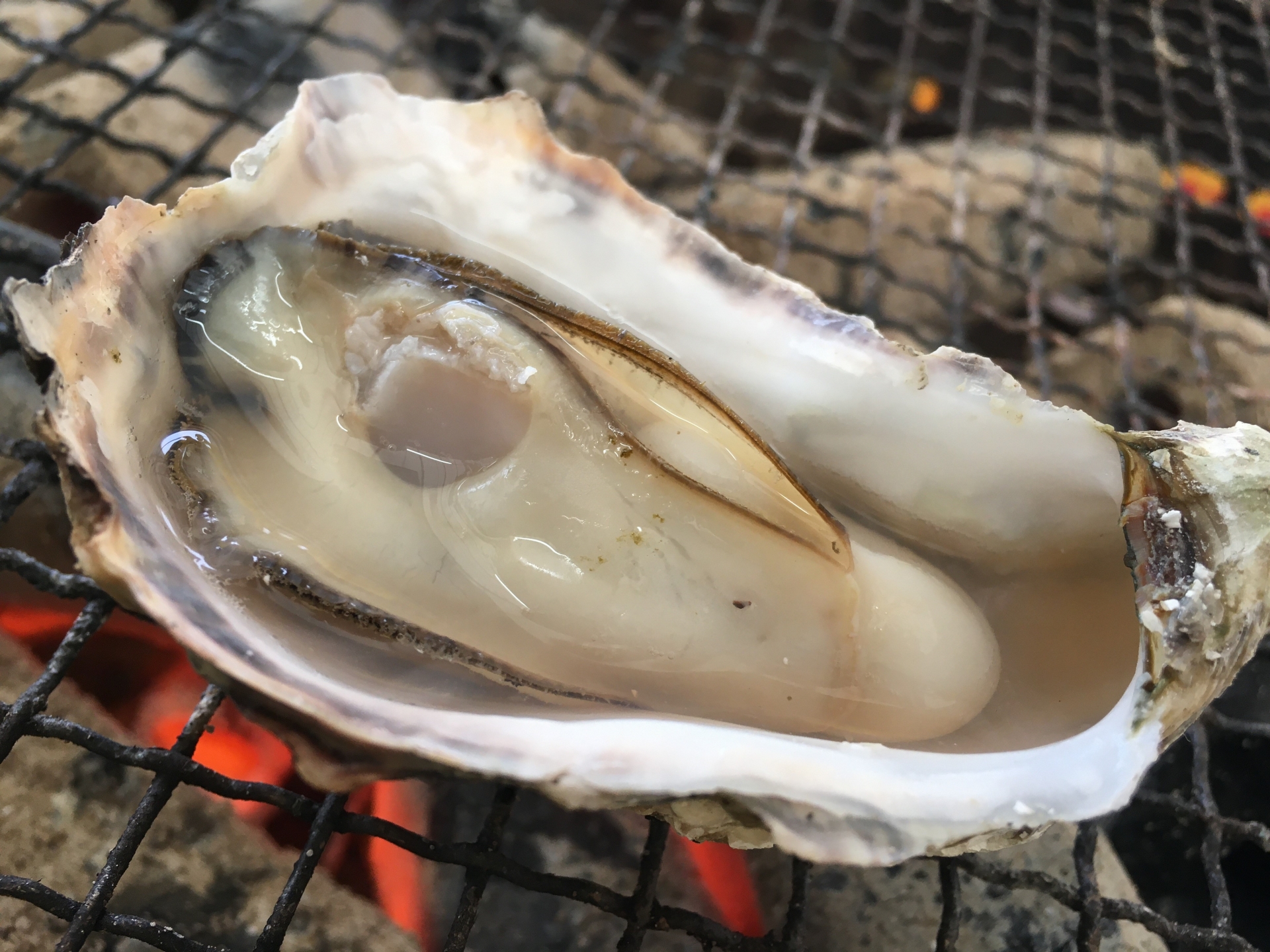
Charcoal-Grilled Miyajima Oysters
Experience the buttery melt of premium oysters, harvested from the nutrient-rich waters surrounding the island. These giants are grilled over open flames until the shells pop, releasing a saline steam that smells of the deep ocean. Each bite is a burst of briny umami, enhanced by a simple squeeze of local lemon and a dash of soy sauce. The texture is plump and velvety, providing a true taste of Hiroshima’s maritime bounty.
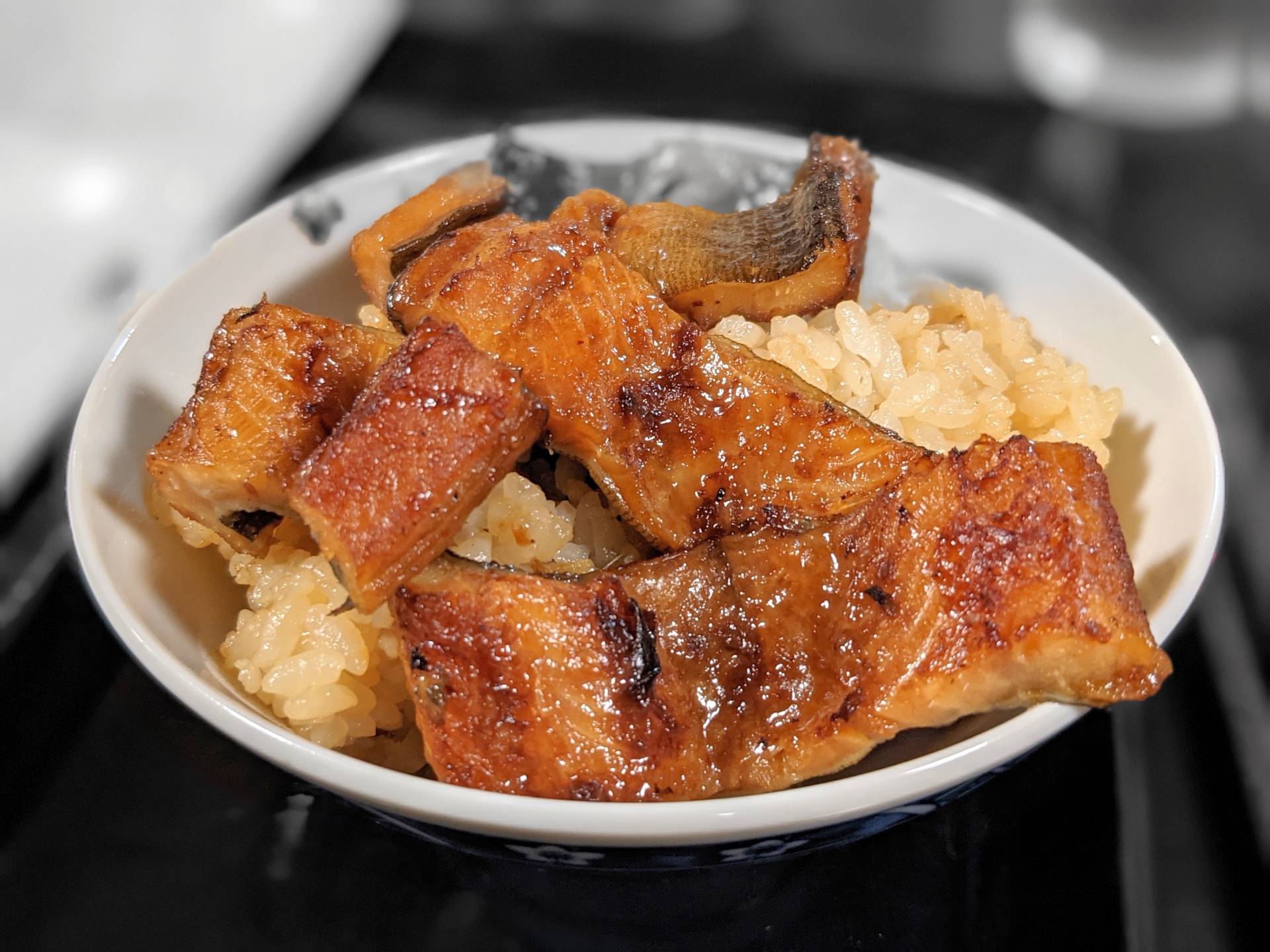
Anago Meshi (Conger Eel Rice)
A refined local classic, Anago Meshi features tender, salt-water conger eel simmered in a secret sweet-savory glaze. Unlike its heavier freshwater cousin, Anago is lean and delicate. Served over a bed of fluffy rice infused with eel broth, the dish offers a sophisticated balance of flavors. The eel’s skin is slightly charred for a smoky finish, while the flesh remains incredibly soft, practically dissolving on the palate with every spoonful.
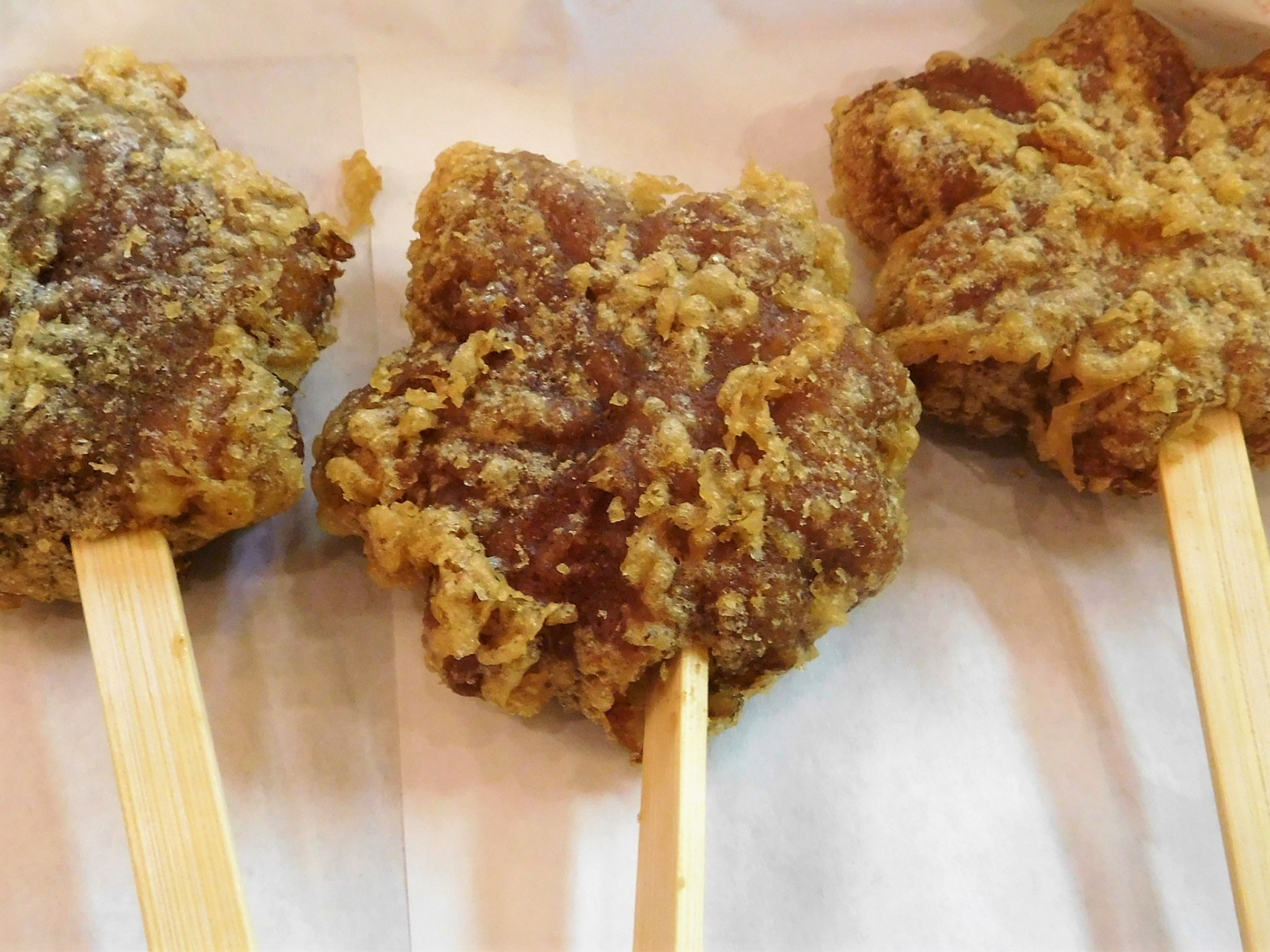
Age-Momiji Manju (Fried Maple Cakes)
While the traditional maple-leaf-shaped sponge cake is a staple, the deep-fried 'Age-Momiji' is a revelation. The exterior is shattered-glass crispy, giving way to a warm, pillowy cake filled with smooth adzuki bean paste or rich custard. The contrast between the hot, golden batter and the sweet, velvety interior makes it the ultimate street food indulgence. It is best enjoyed piping hot while strolling through the historic, deer-filled streets.
Premium Stays
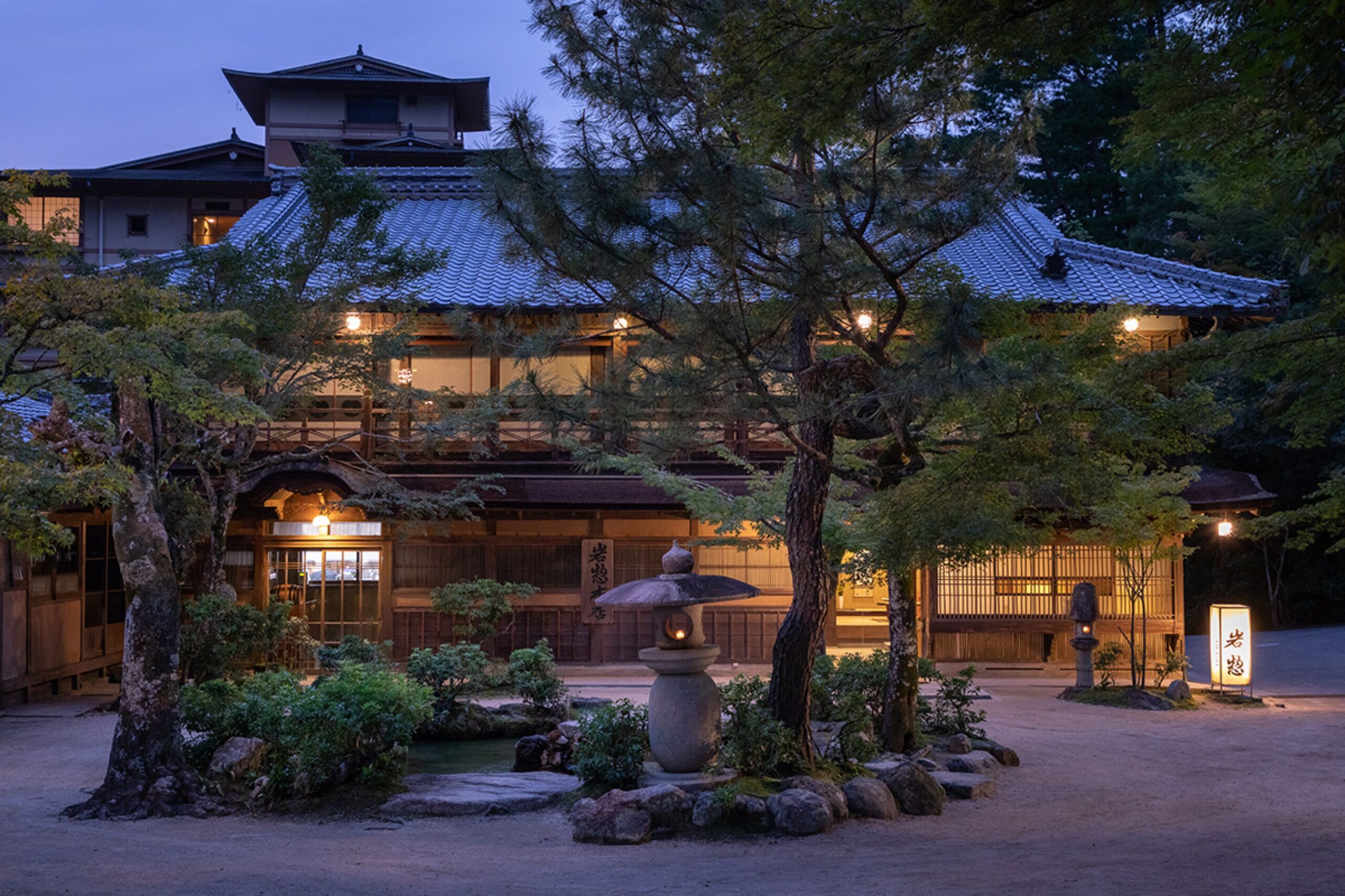
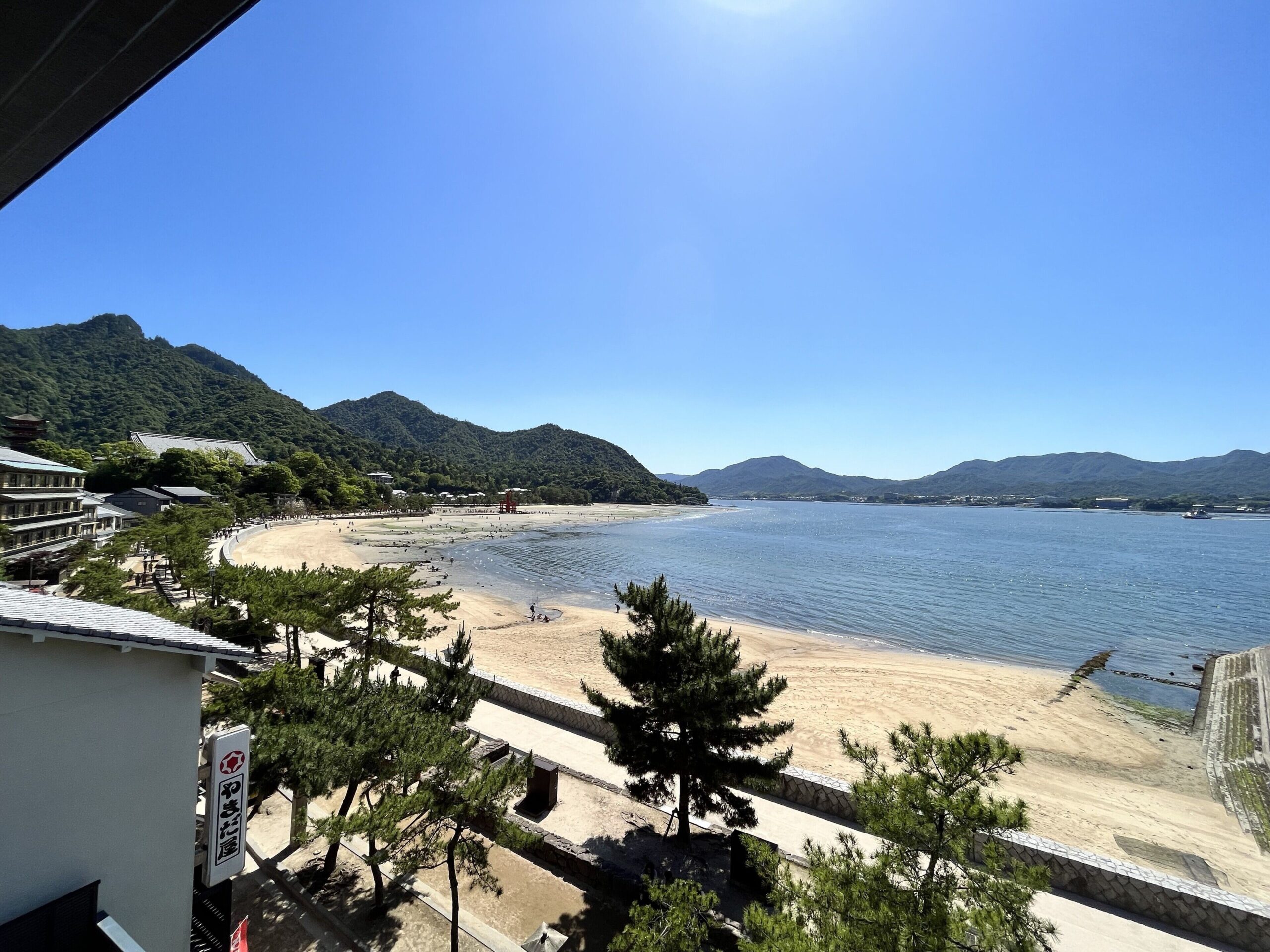
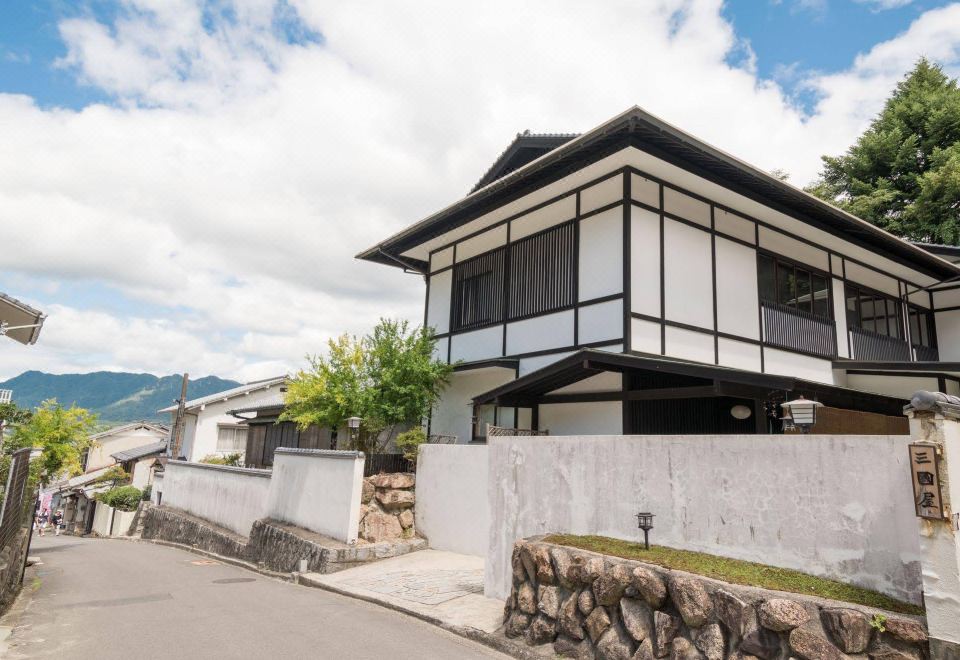
To truly absorb the island's spiritual energy, staying overnight is essential. Once the day-trippers depart, the island transforms into a silent, moonlit sanctuary. Choose a Ryokan along the Momijidani valley for forest immersion or near the waterfront for views of the illuminated torii gate.
Getting There
Take the JR Sanyo Line from Hiroshima Station to Miyajimaguchi Station (25 mins). From there, board the JR Ferry or Matsudai Ferry for a 10-minute scenic crossing. Ferries run every 15 minutes during the day; the JR ferry is recommended for its closer route to the torii gate.
FAQ
Inspired?
Share this destiny with someone special.