Kagawa
Welcome to Ritsurin Garden
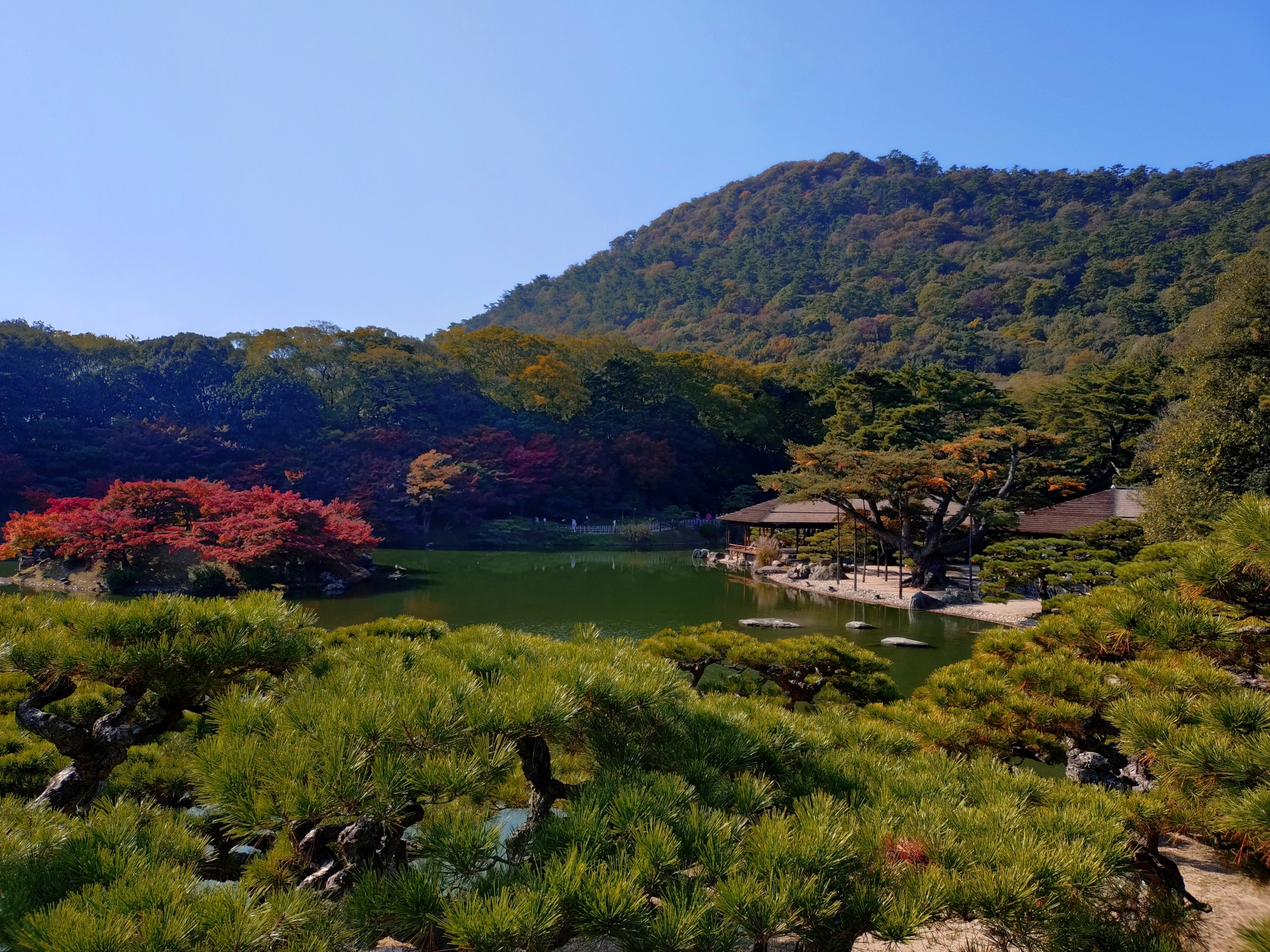
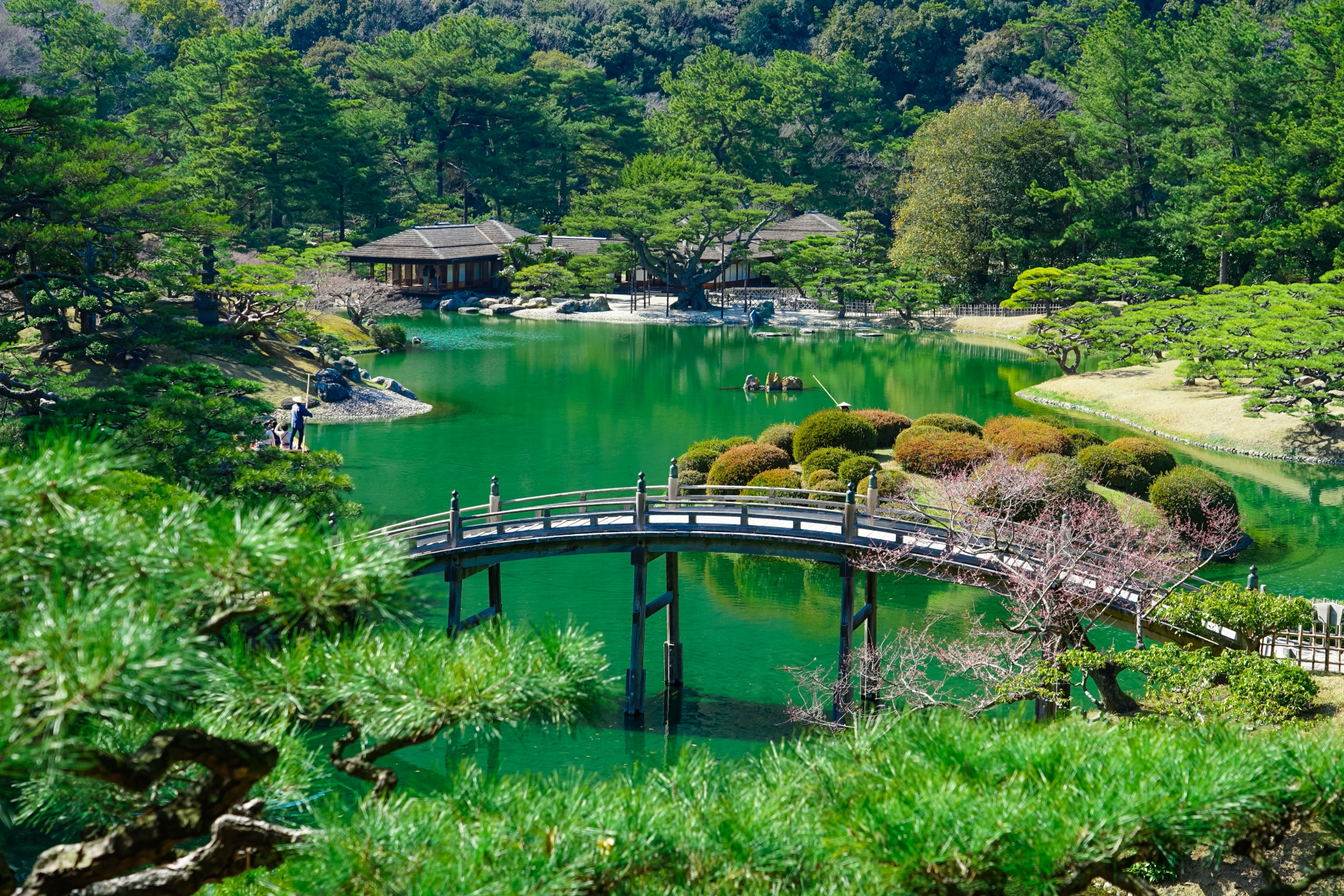
Beneath the rugged silhouette of Mt. Shiun lies Ritsurin Garden, a 'Special Place of Scenic Beauty' that transcends the mere definition of a park. For over 400 years, daimyo lords meticulously sculpted this landscape, creating a sensory masterpiece where the scent of weathered pine needles mingles with the cool, saline mist of the Seto Inland Sea nearby. Every turn of the path offers a 'shakkei'—a borrowed view—that captures the soul. Here, time slows to the rhythm of koi breaking the surface of jade-colored ponds. It is not merely a walk; it is a meditative journey through Japan’s feudal elegance, designed to be explored with the same reverence one holds for a fine silk kimono or a rare vintage sake.
Kikugetsu-tei Tea House
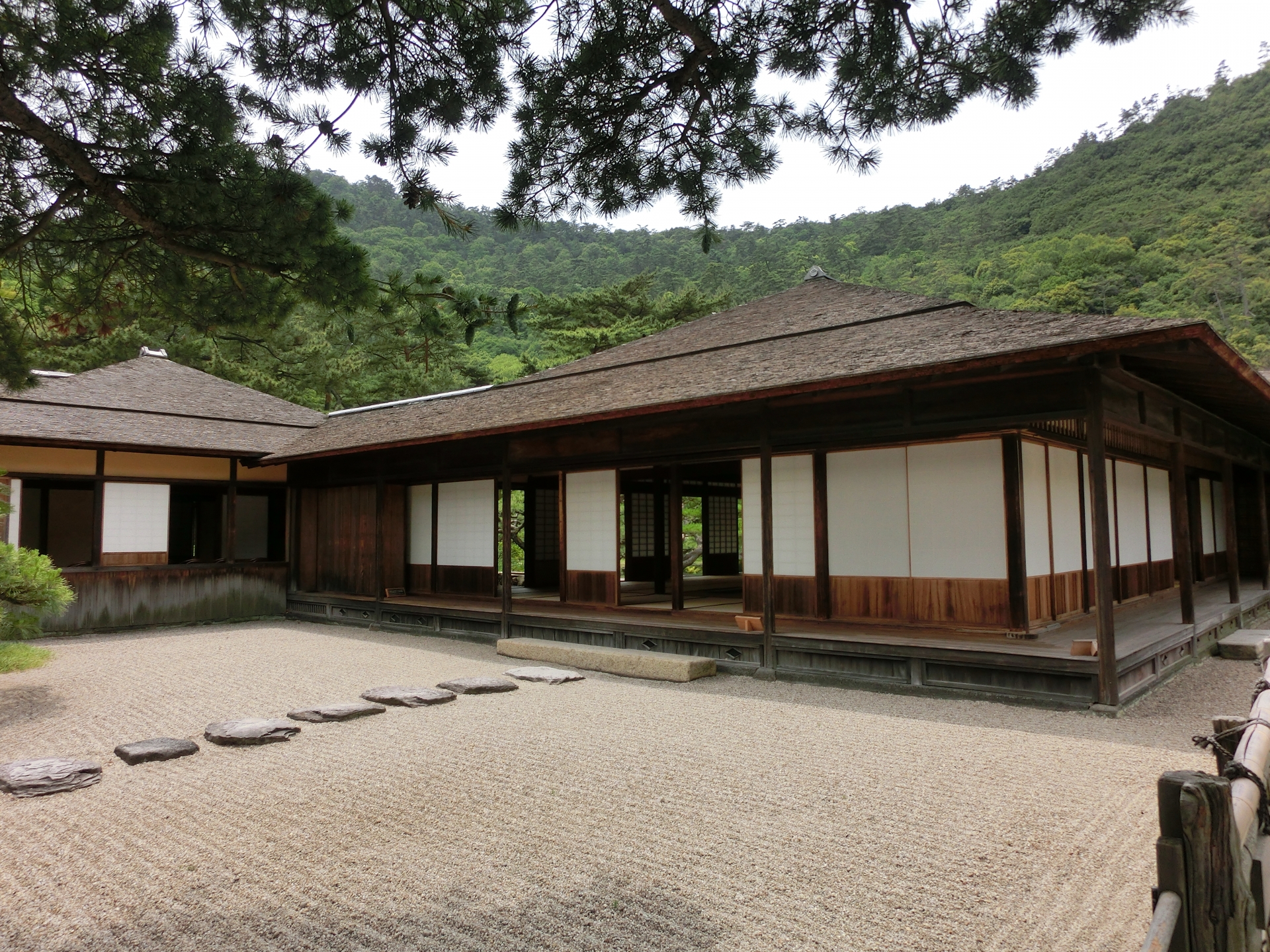
Known as the 'Moon-Scooping Pavilion,' this Edo-period masterpiece sits low against the water, inviting the outside in. As you kneel on the cool, fragrant tatami mats, the boundary between the architecture and the pond dissolves. Sip a bowl of frothy, bitter matcha paired with a delicate seasonal sweet, while the breeze carries the faint, earthy scent of the surrounding moss. The play of light on the sliding paper doors creates a dance of shadows that has remained unchanged for centuries. It is the ultimate sanctuary for the weary soul.
Hirai-ho Hill
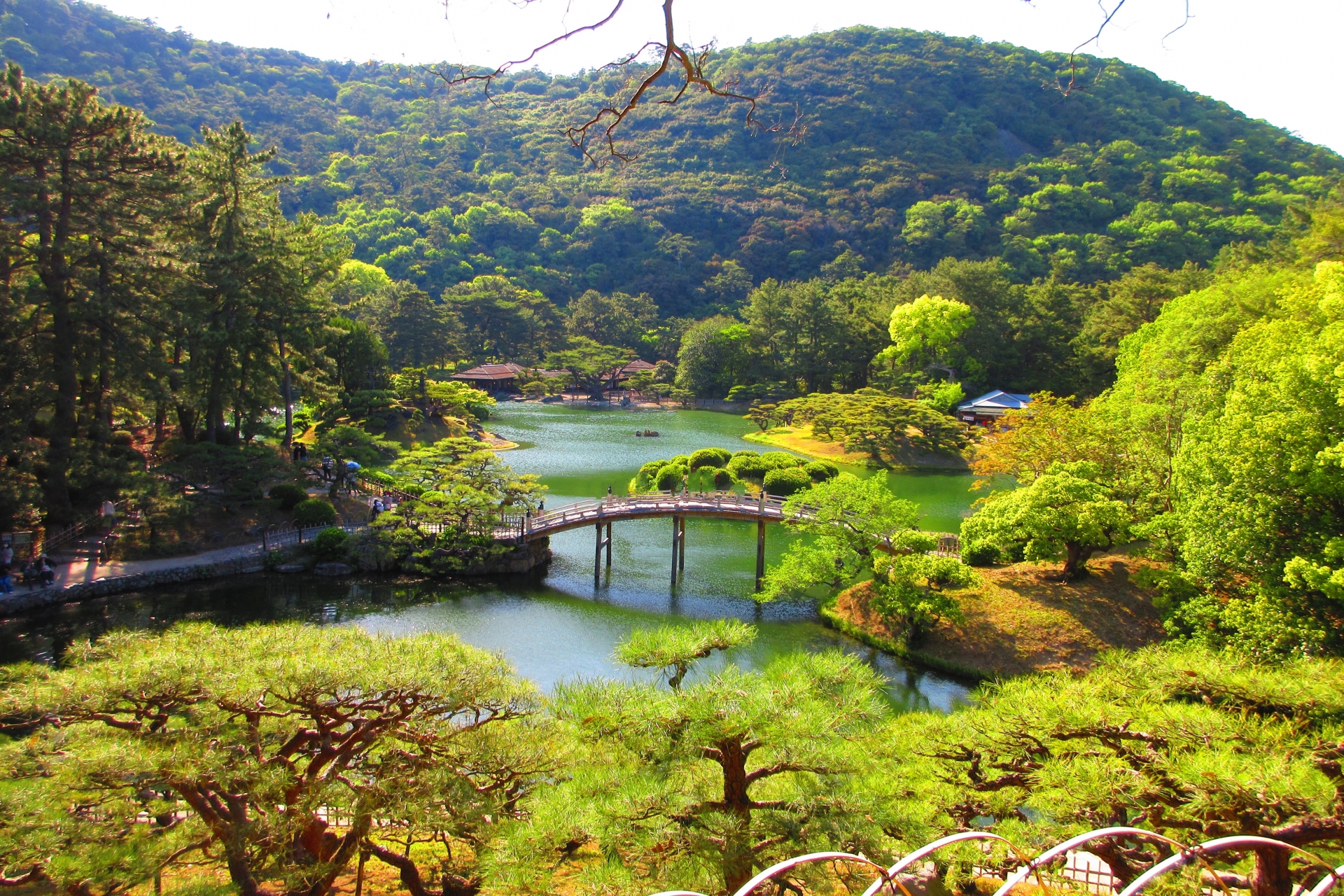
Ascend the gentle slope of Hirai-ho to witness the garden’s most iconic perspective. Designed to mimic the sacred form of Mount Fuji, this vantage point offers a breathtaking panorama of the Engetsu-kyo Bridge arching over the water like a crescent moon. From here, the meticulously manicured 'Hako-matsu' (box pines) look like emerald clouds hovering above the earth. The visual depth is staggering; the layers of green, stone, and water create a living painting that shifts in hue with every passing cloud, offering a profound sense of cosmic balance.
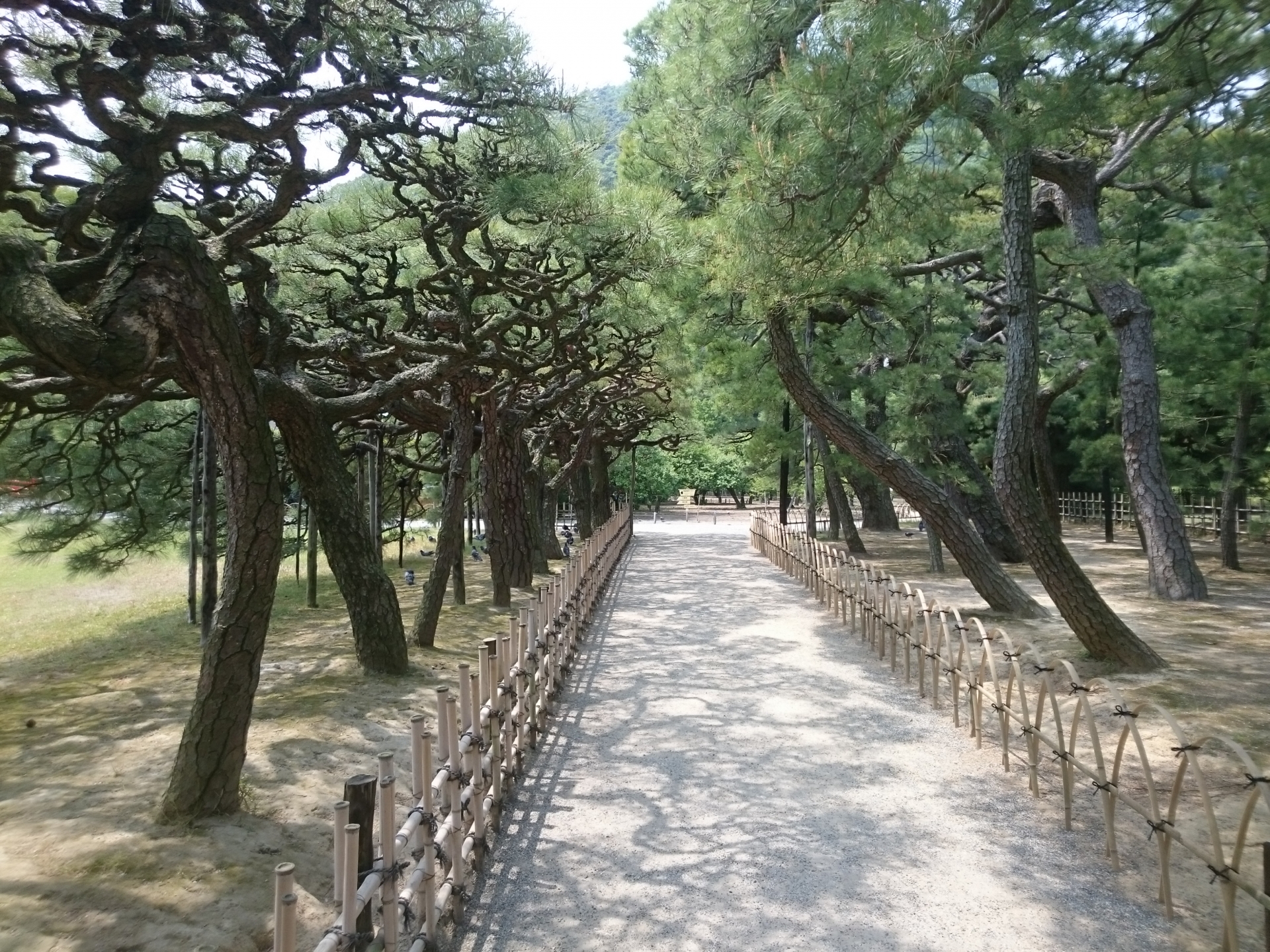
The North Gate Pine Forest
The northern section of the garden offers a wilder, more profound connection to nature. Here, the 'Neagari-goyo'—a massive 100-year-old pine with exposed, crawling roots—stands as a testament to resilience. The air here feels thicker, infused with the sharp, medicinal scent of pine resin and damp earth. Walking through this grove, the sounds of the city vanish, replaced by the rhythmic crunch of gravel and the distant call of a crane. It is a place of 'Shinrin-yoku' (forest bathing) where the ancient energy of the trees provides a silent, powerful benediction.
Local Soul Food
Tastes you can't find anywhere else.
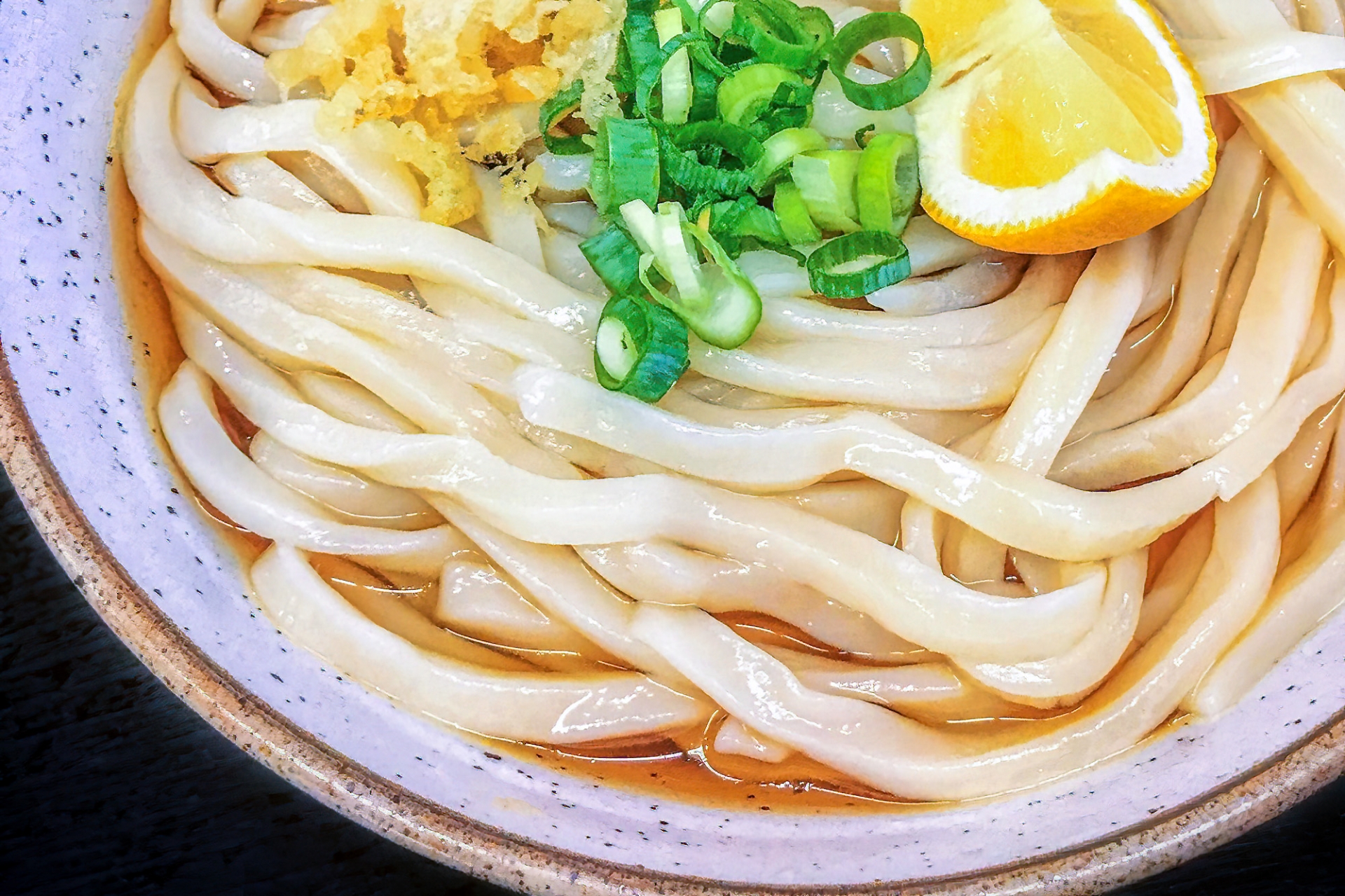
Sanuki Udon
The undisputed king of Kagawa. These thick, wheat noodles offer a legendary 'koshi'—a firm, elastic bite that yields to a silky smooth finish. Bathed in a golden dashi broth made from premium dried sardines (iriko), the flavor is a masterclass in umami. Topped with a crunch of tempura flakes and a zest of ginger, it is a warm embrace in a bowl.
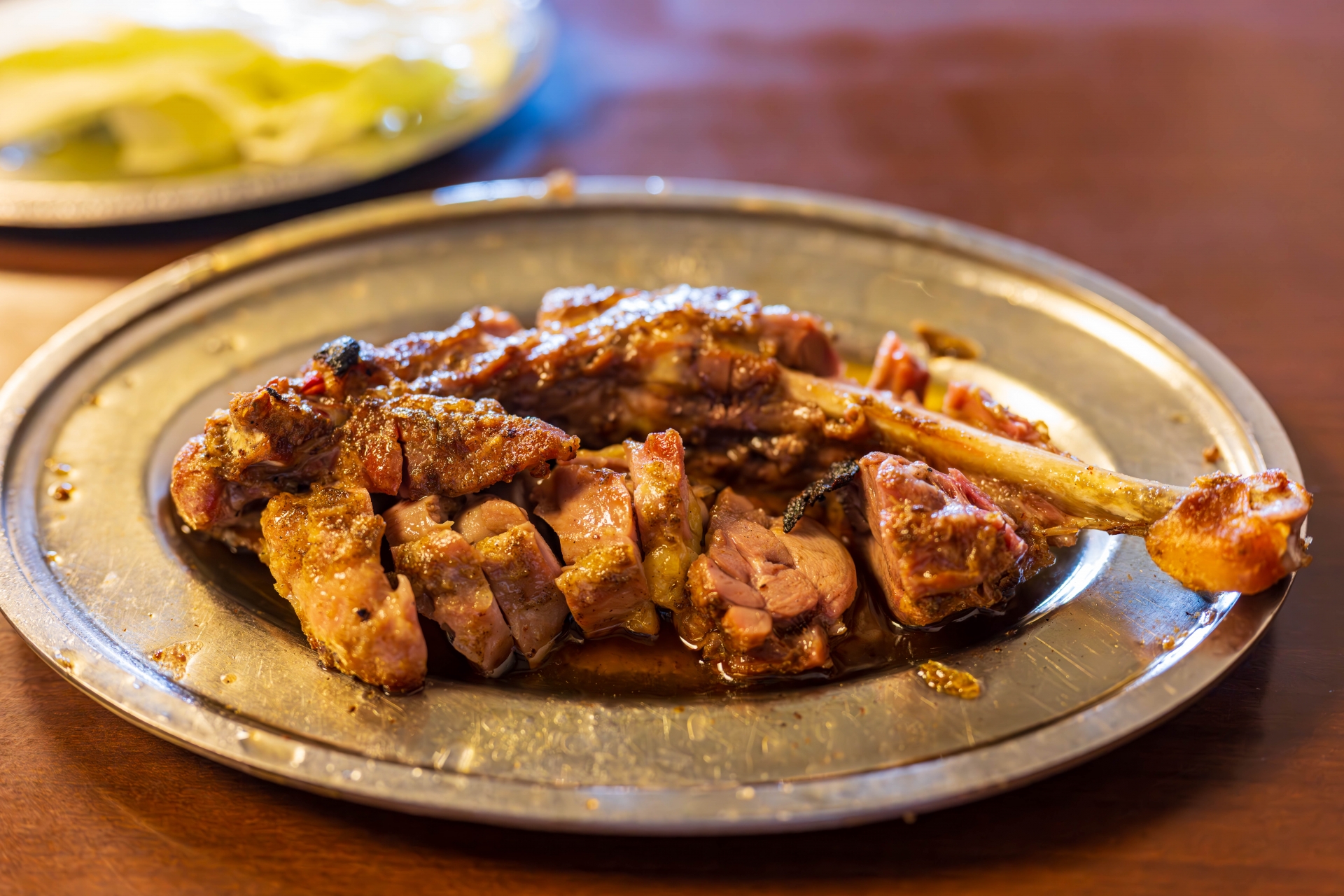
Honetsuki-dori
A succulent, bone-in chicken thigh seasoned with a bold, secret blend of garlic, salt, and black pepper. Roasted at high heat, the skin becomes shatteringly crisp while the meat remains incredibly juicy, releasing a savory, spice-infused oil that is traditionally soaked up with a side of raw cabbage. It is rustic, primal, and utterly addictive.

Wasanbon Sugar Sweets
Crafted from rare 'Chikuto' sugarcane, these fine-grained sweets are pressed into intricate wooden molds. The texture is ethereal; they dissolve on the tongue like fallen snow, leaving behind a delicate, honey-like sweetness and a faint floral aroma. They are the perfect, sophisticated accompaniment to a cup of strong, bitter green tea.
Premium Stays
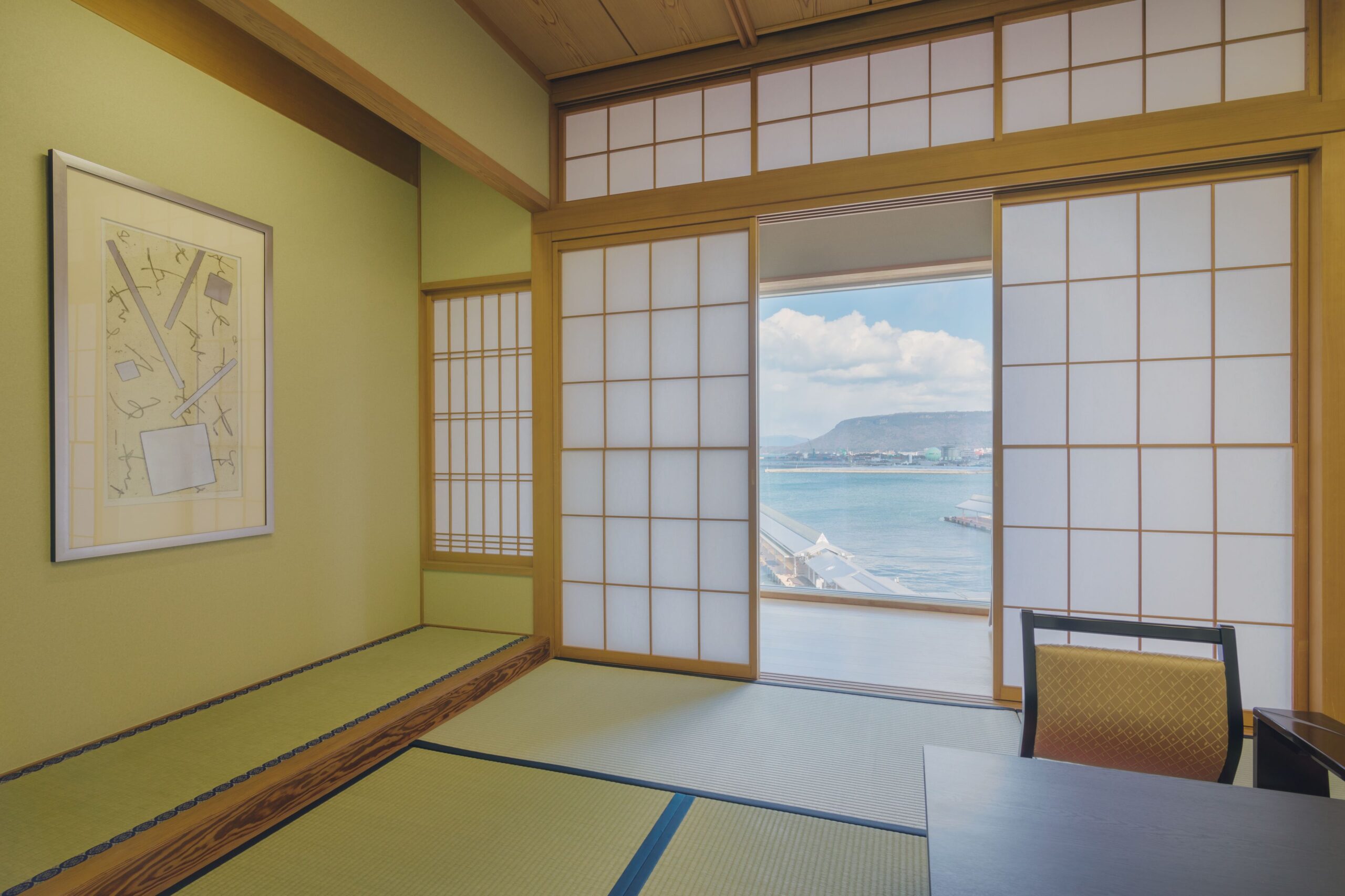
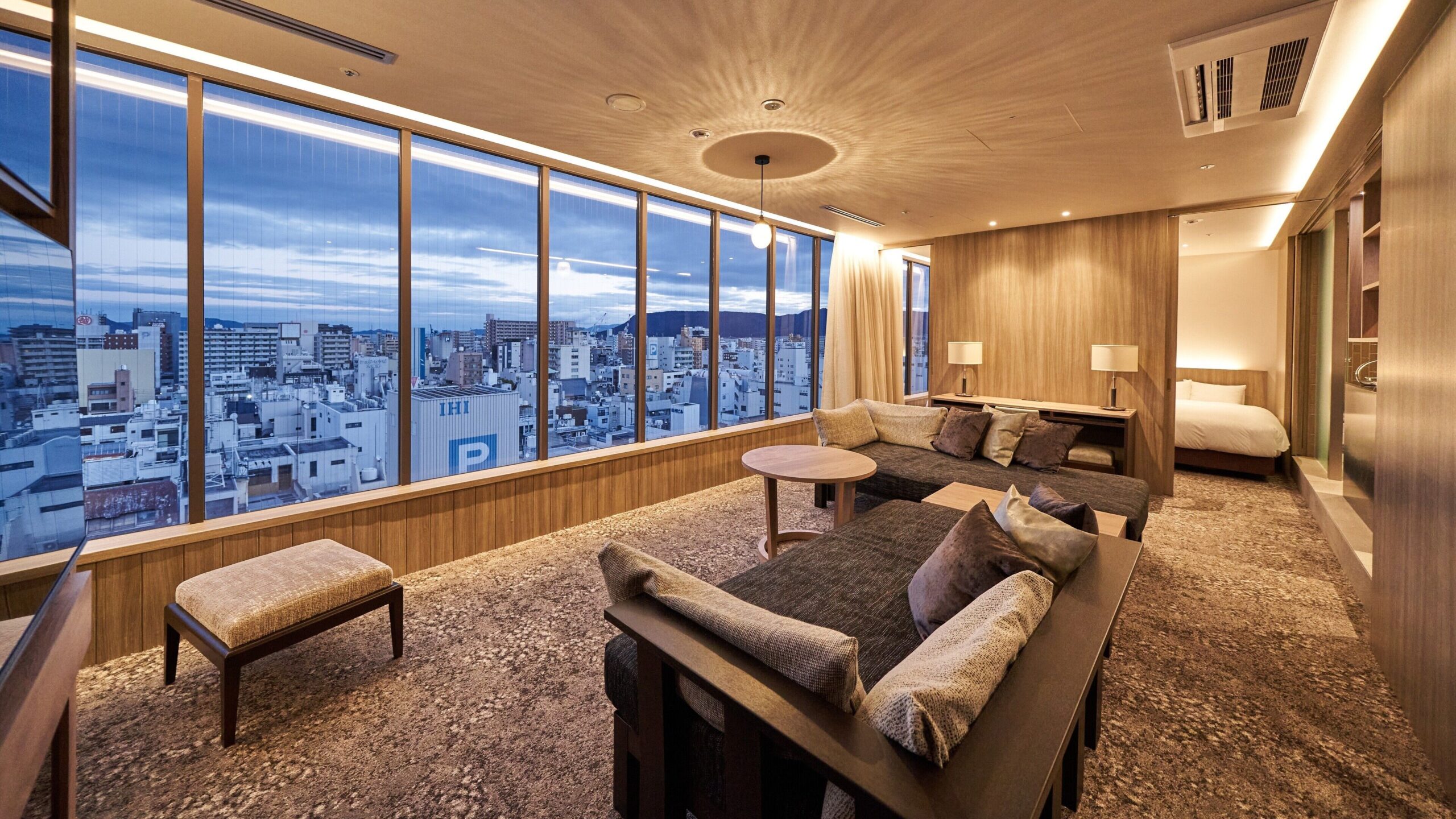
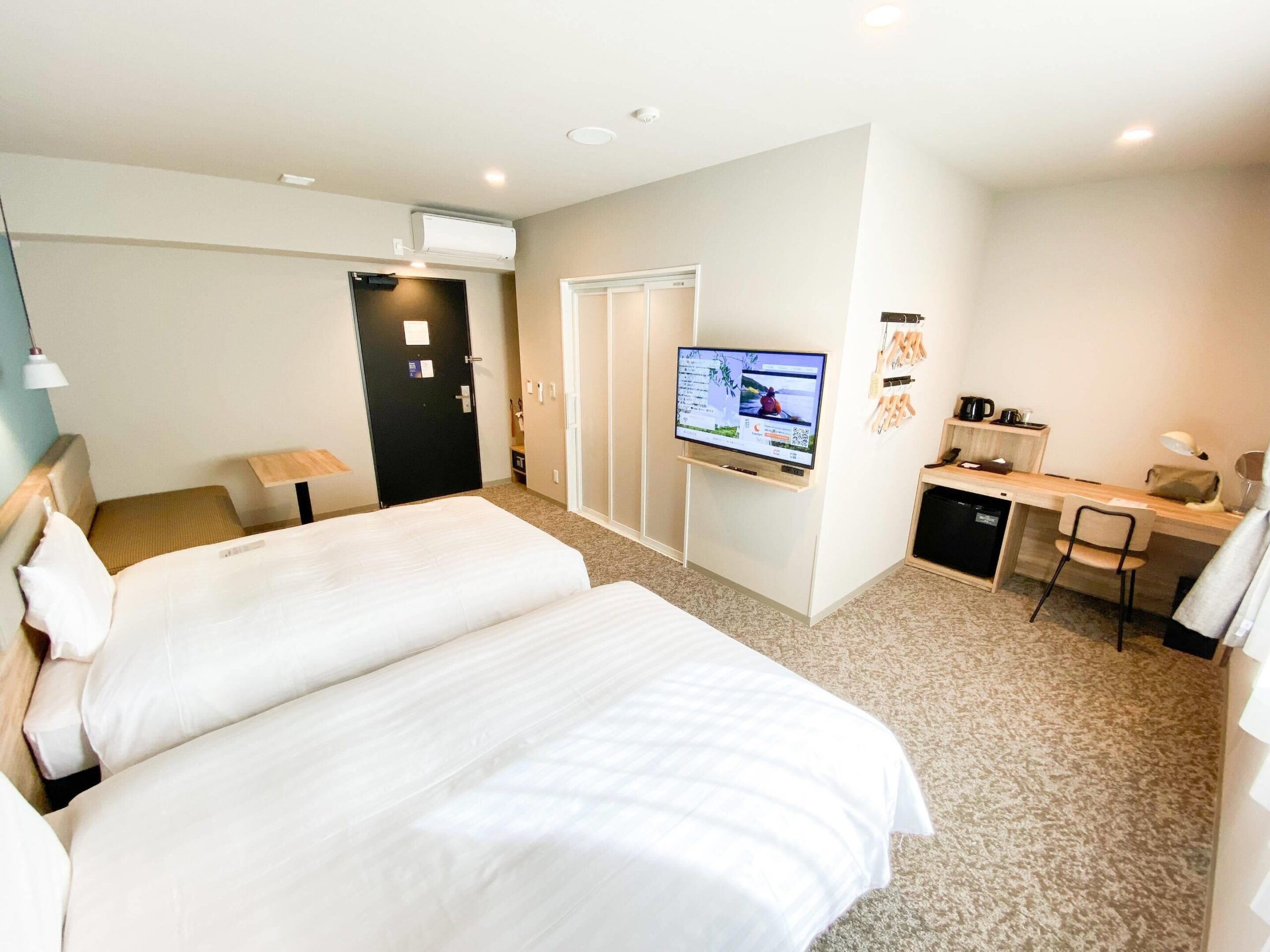
To truly absorb the spirit of Takamatsu, stay near the JR Takamatsu Station or the Ritsurin area. This provides seamless access to the garden for early morning strolls while keeping you close to the vibrant 'Shotengai' (shopping arcades) for evening dining.
Getting There
The garden is a 3-minute walk from JR Ritsurin-Koen-Kitaguchi Station. Alternatively, take the Kotoden train to Ritsurin-Koen Station (10-minute walk). Local buses run frequently from Takamatsu Station; look for the 'Shopping Rainbow' loop bus.
FAQ
Inspired?
Share this destiny with someone special.