Tokyo
Welcome to Tsukiji Outer Market
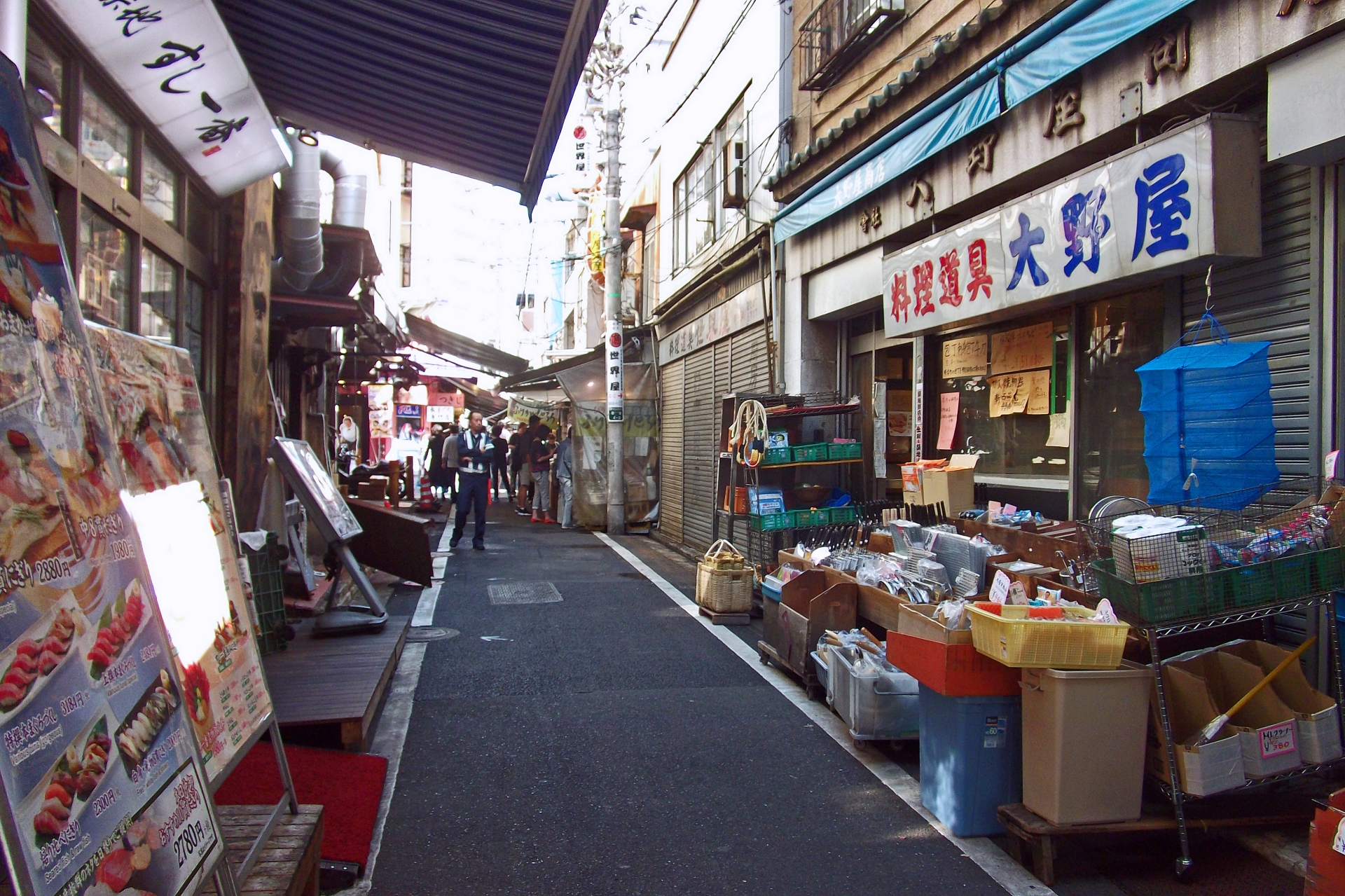
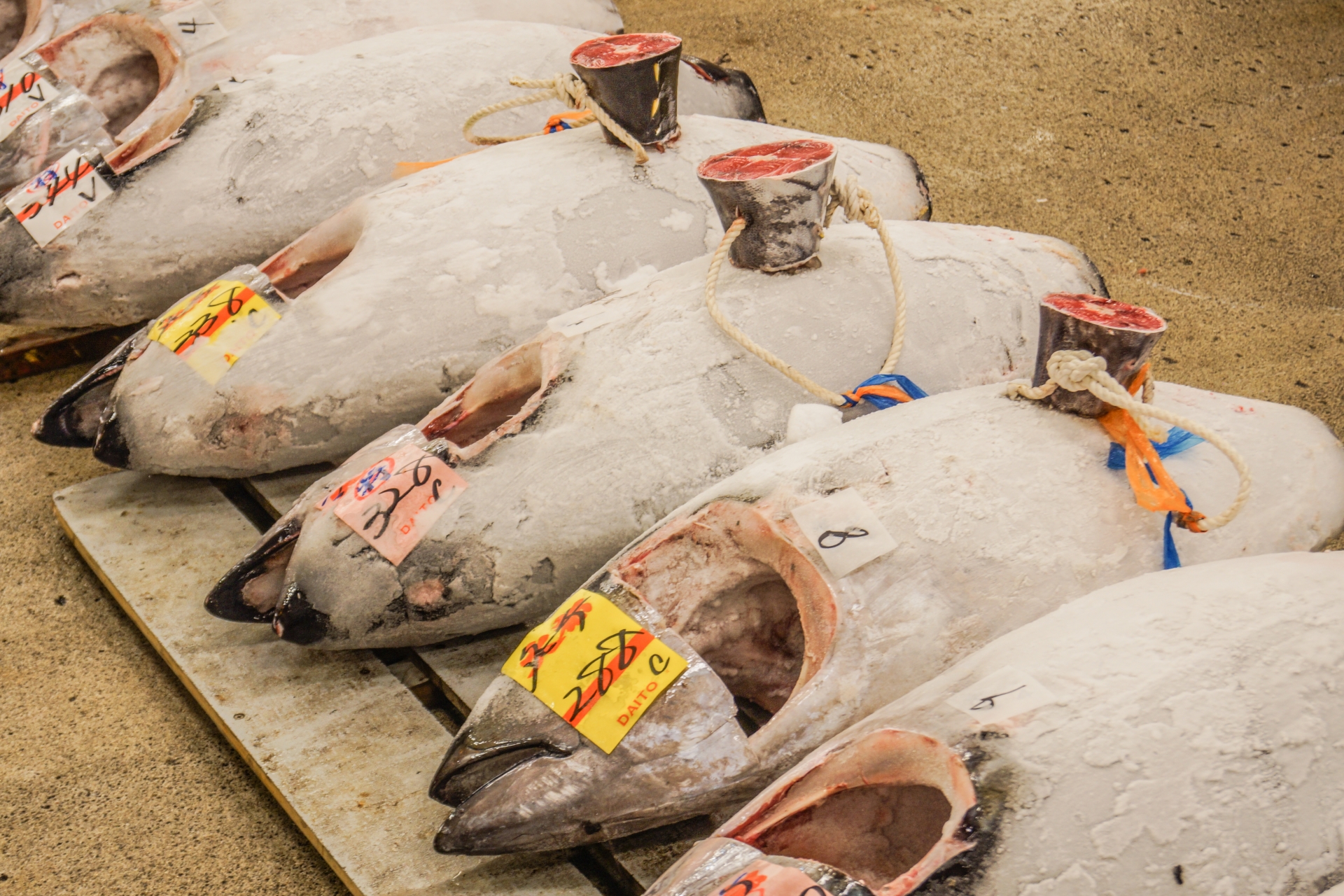
Imagine the pre-dawn air, thick with the briny scent of the Pacific and the rhythmic clatter of turret trucks. Tsukiji Outer Market is not merely a marketplace; it is a living cathedral of gastronomy. Here, the silver-scaled treasures of the deep are handled with a reverence usually reserved for sacred relics. As you navigate the narrow, labyrinthine alleys, the steam from giant dashi pots envelops you, and the sharp, clean bite of fresh wasabi awakens your senses. This is the heartbeat of Tokyo—a place where multi-generational artisans hone their craft under weathered eaves. To visit Tsukiji is to witness the relentless pursuit of perfection, one slice of fatty tuna at a time, offering a sensory overload that lingers long after the last bite of sea urchin melts on your tongue.
Namiyoke Inari Shrine
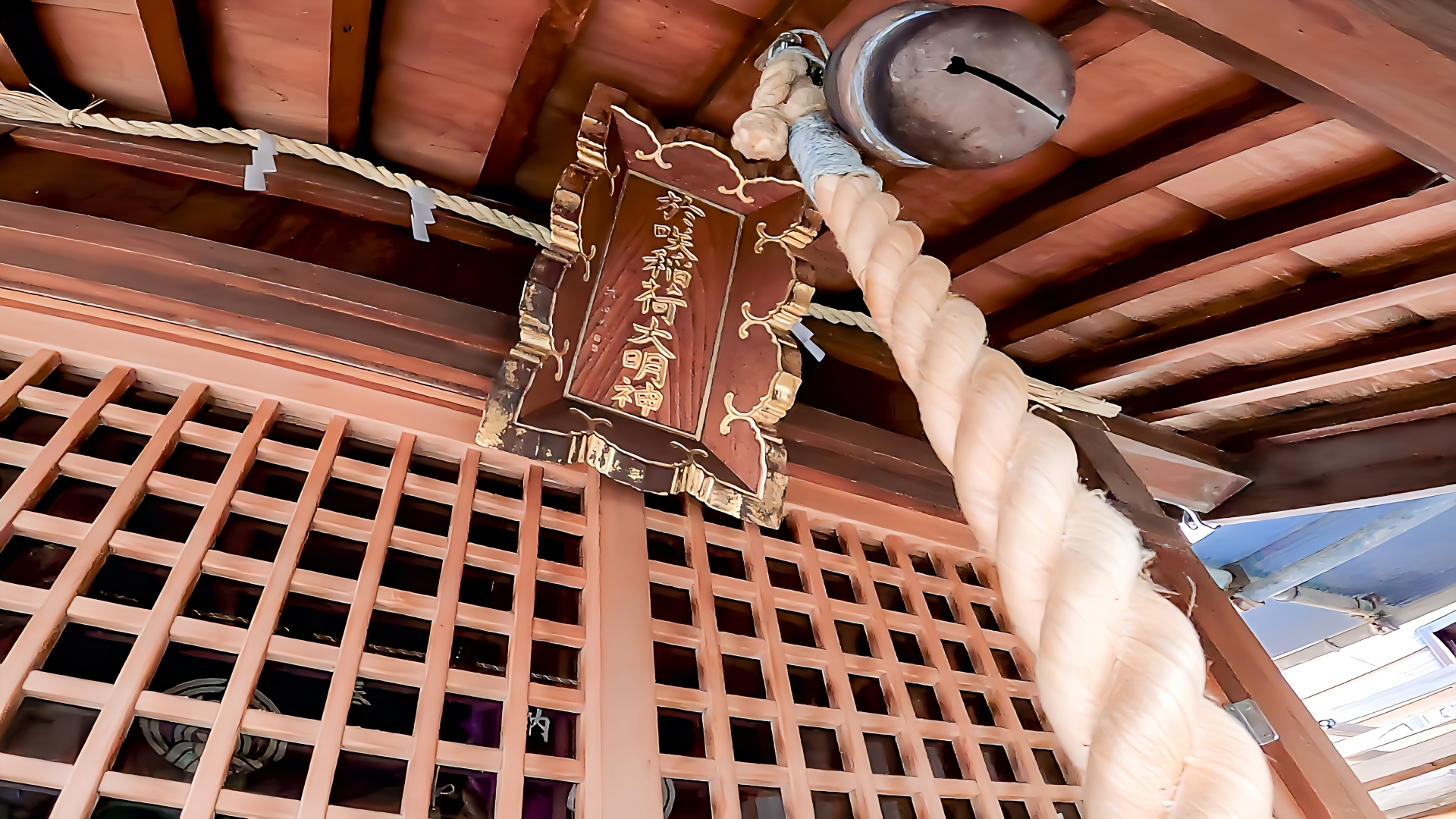
Standing as the spiritual guardian of the market, this shrine was established in the 17th century to quell the waves during land reclamation. Its name literally means 'protection from waves.' The air here is thick with incense and the silent prayers of fishmongers seeking safety and prosperity. Marvel at the massive lion heads, 'Shishi,' which are paraded through the streets during festivals. It provides a profound, quiet contrast to the frantic energy of the nearby fish stalls, offering a moment of spiritual grounding amidst the commercial chaos.
Tsukiji Hongwanji Temple
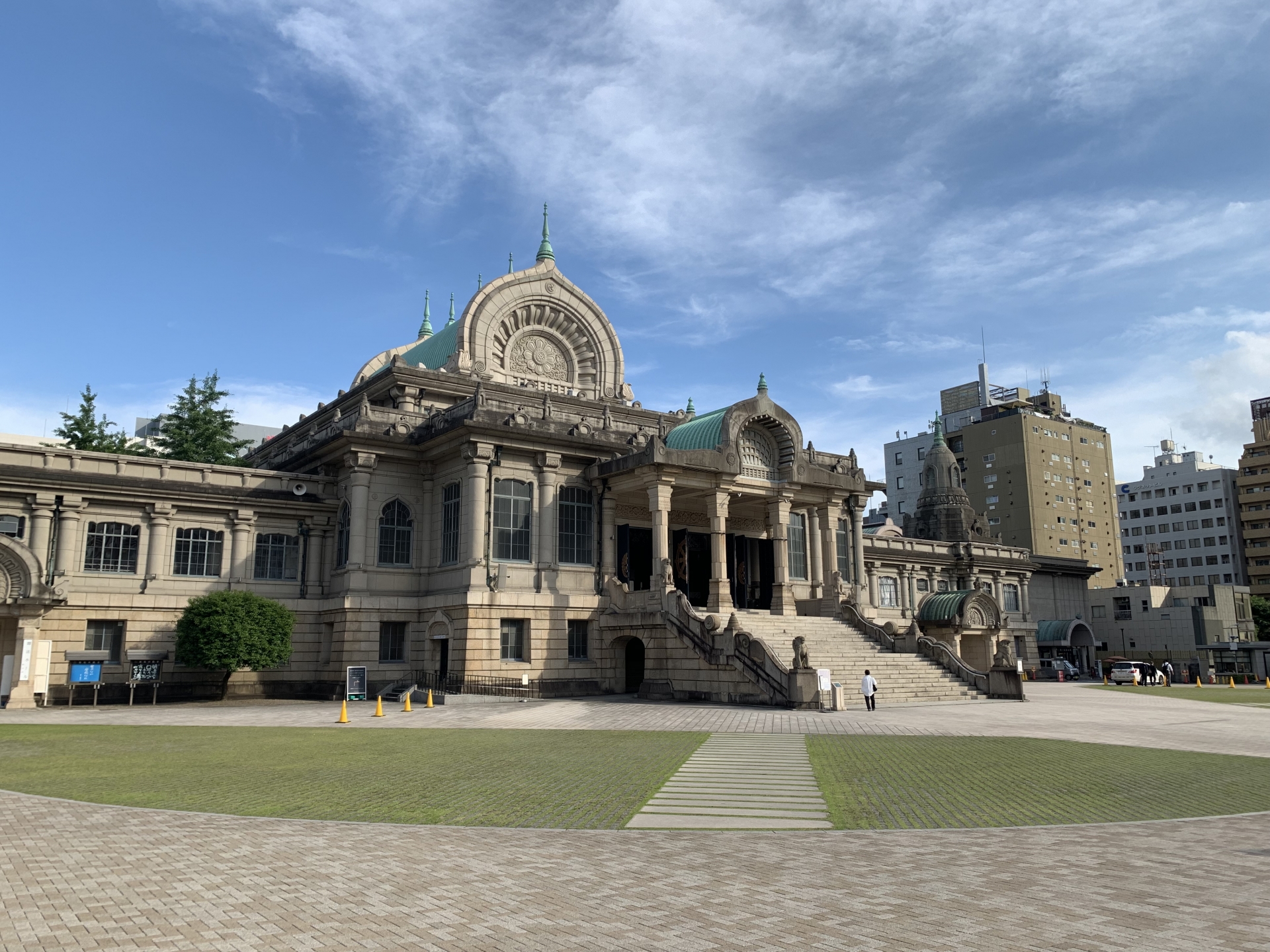
A breathtaking architectural anomaly, this Jodo Shinshu Buddhist temple defies traditional Japanese design with its ancient Indian-inspired stone facade. As you step inside, the scent of polished wood and tatami meets the unexpected grandeur of a massive pipe organ and stained-glass windows. The fusion of South Asian motifs and Japanese craftsmanship creates an ethereal atmosphere that feels both global and deeply local. It is a testament to Tokyo's resilience and its ability to blend diverse cultural influences into a singular, awe-inspiring monument to peace.
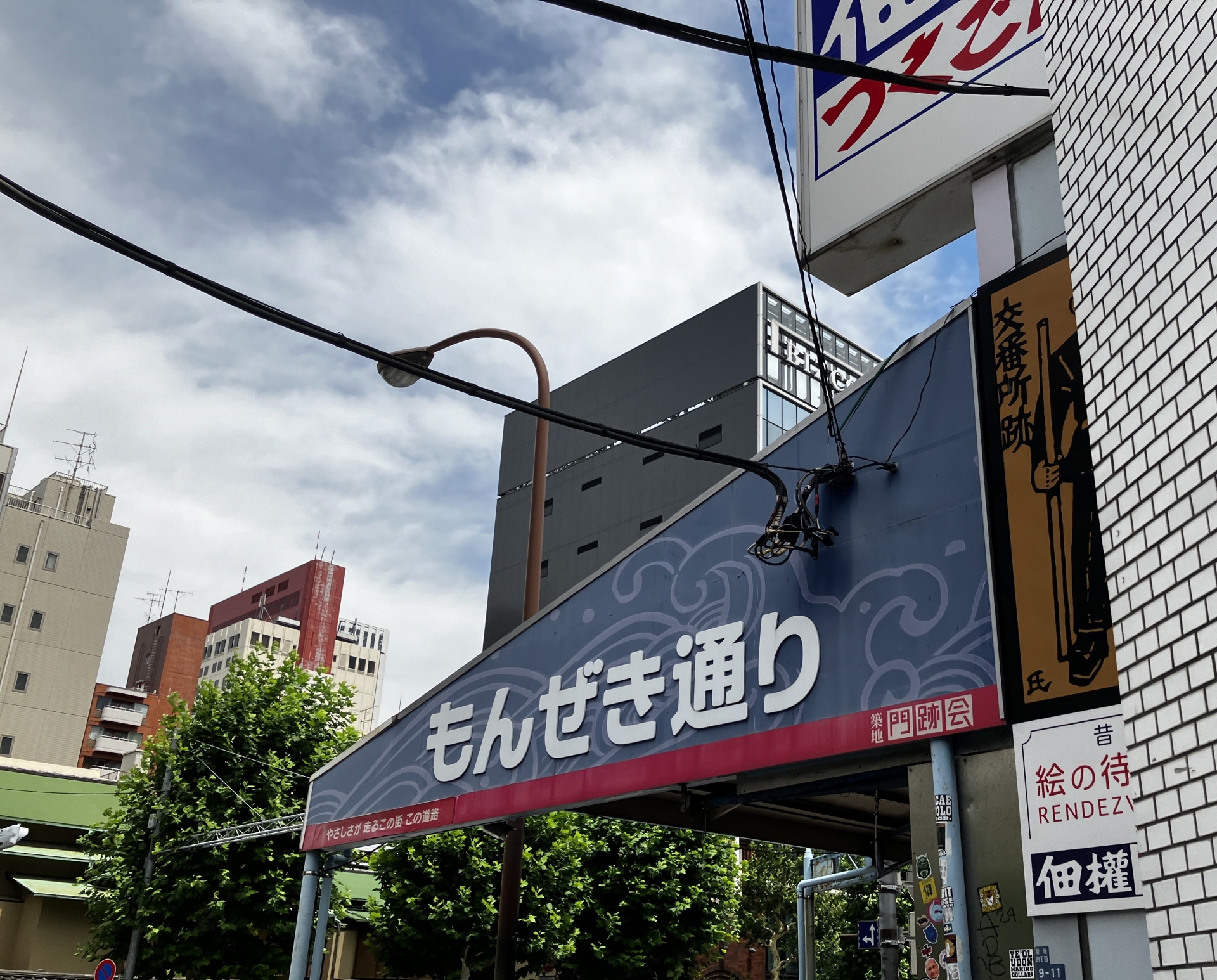
Monzeki-dori Street
This is the visceral, shouting heart of the Outer Market. Monzeki-dori is a narrow corridor of culinary intensity where the steam from ramen shops and the sizzle of wagyu beef create a perpetual haze. The texture of the street—worn asphalt and wooden counters—tells the story of decades of commerce. Here, the 'salarymen' of the fish world stand shoulder-to-shoulder with curious travelers. It is a place of raw energy where the tactile experience of the market—shucking oysters, grating wasabi, and the exchange of yen—reaches its crescendo.
Local Soul Food
Tastes you can't find anywhere else.
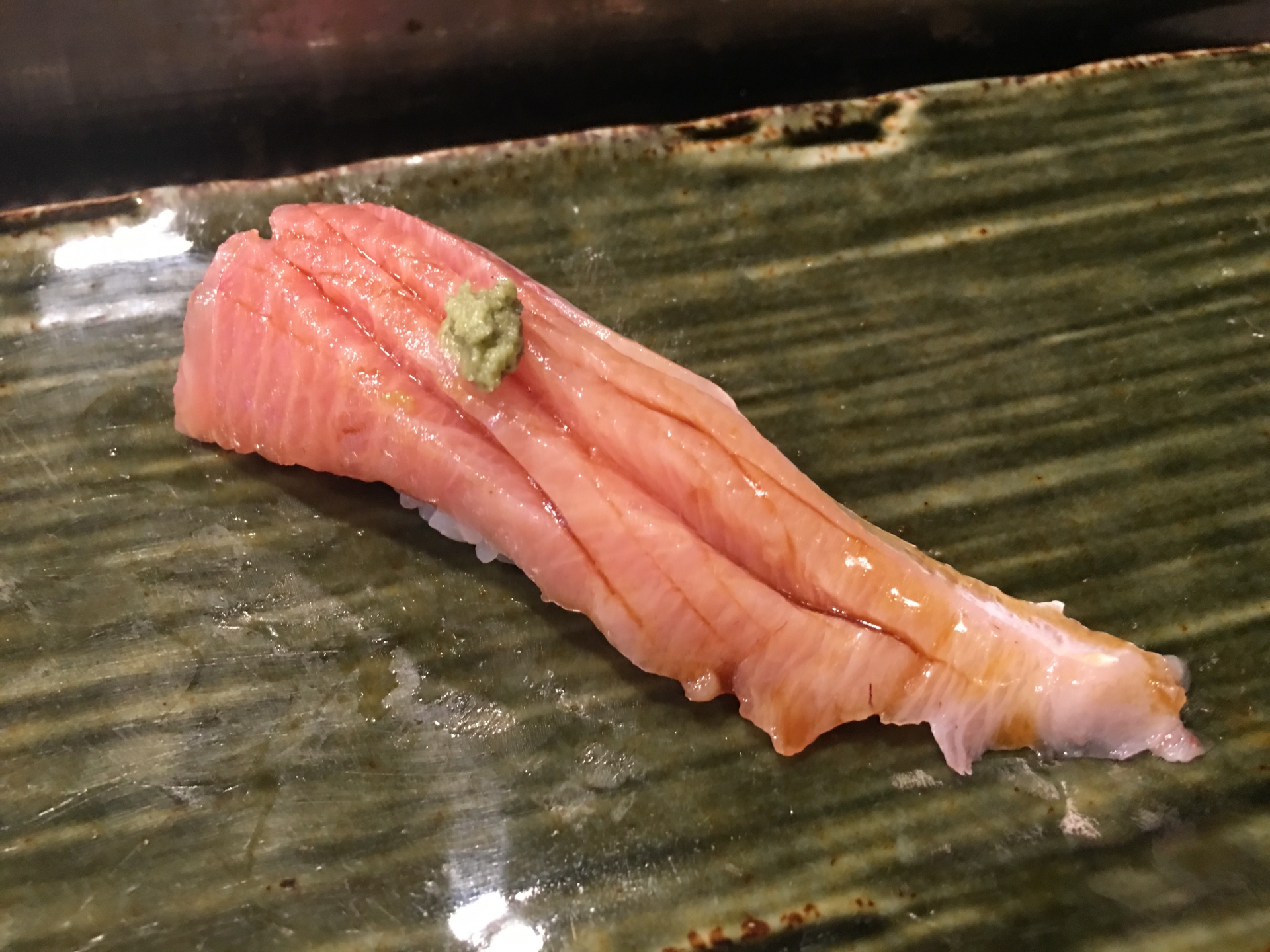
Otoro Nigiri (Fatty Tuna)
The pinnacle of the sushi world. This premium cut of bluefin tuna features intricate fat marbling that resembles fine A5 wagyu. Upon touching the tongue, the fish dissolves instantly, releasing a rich, buttery sweetness balanced by the subtle acidity of vinegared rice. It is a fleeting, velvet-like luxury that defines the Tsukiji experience.
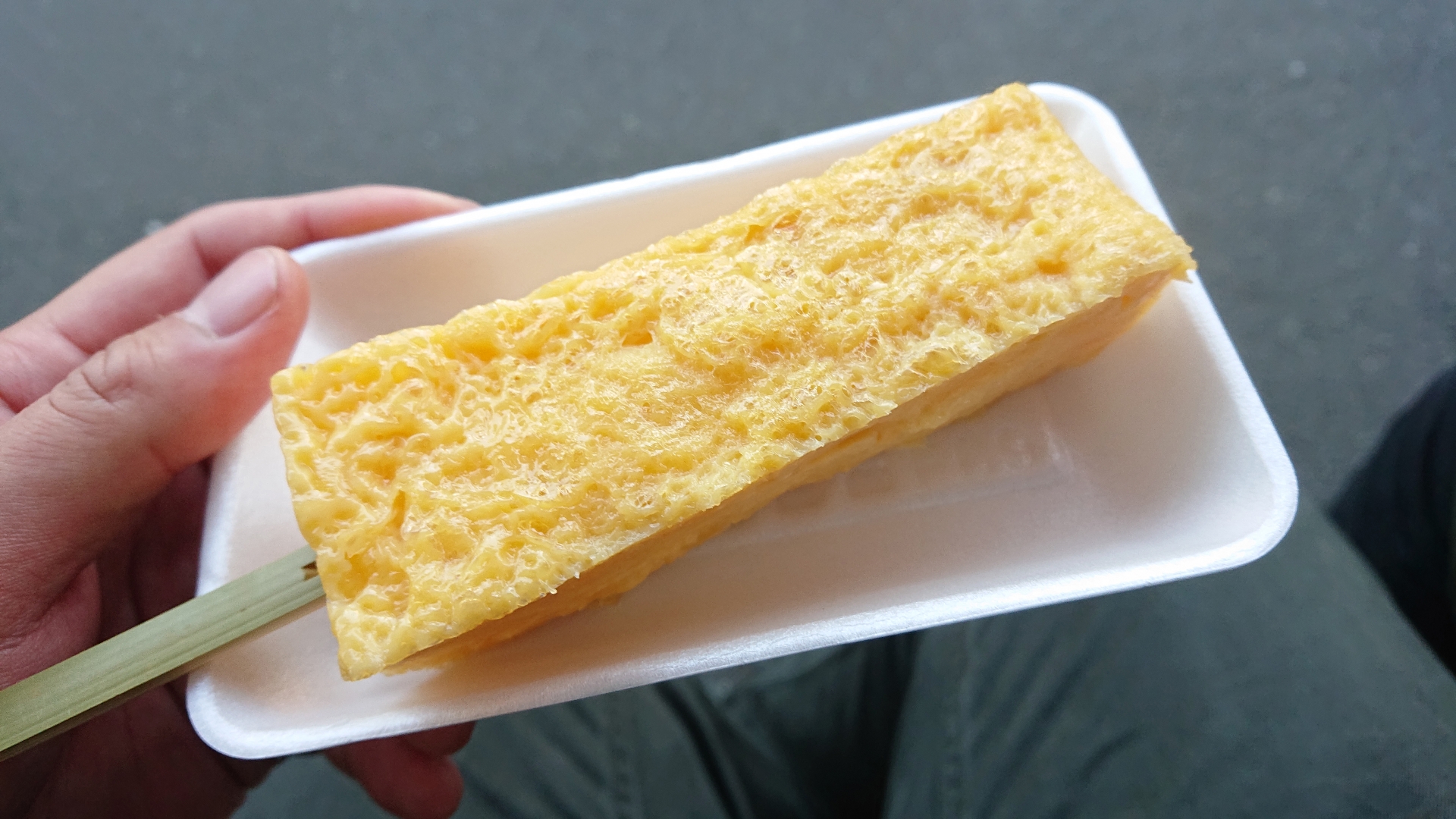
Tamagoyaki (Sweet Rolled Omelet)
A golden, rectangular marvel of texture and taste. This Japanese omelet is crafted by layering thin sheets of egg seasoned with dashi, mirin, and sugar. The result is a fluffy, sponge-like delicacy that exudes a warm, savory-sweet aroma. Served on a stick, it provides a comforting, handheld contrast to the raw seafood of the market.
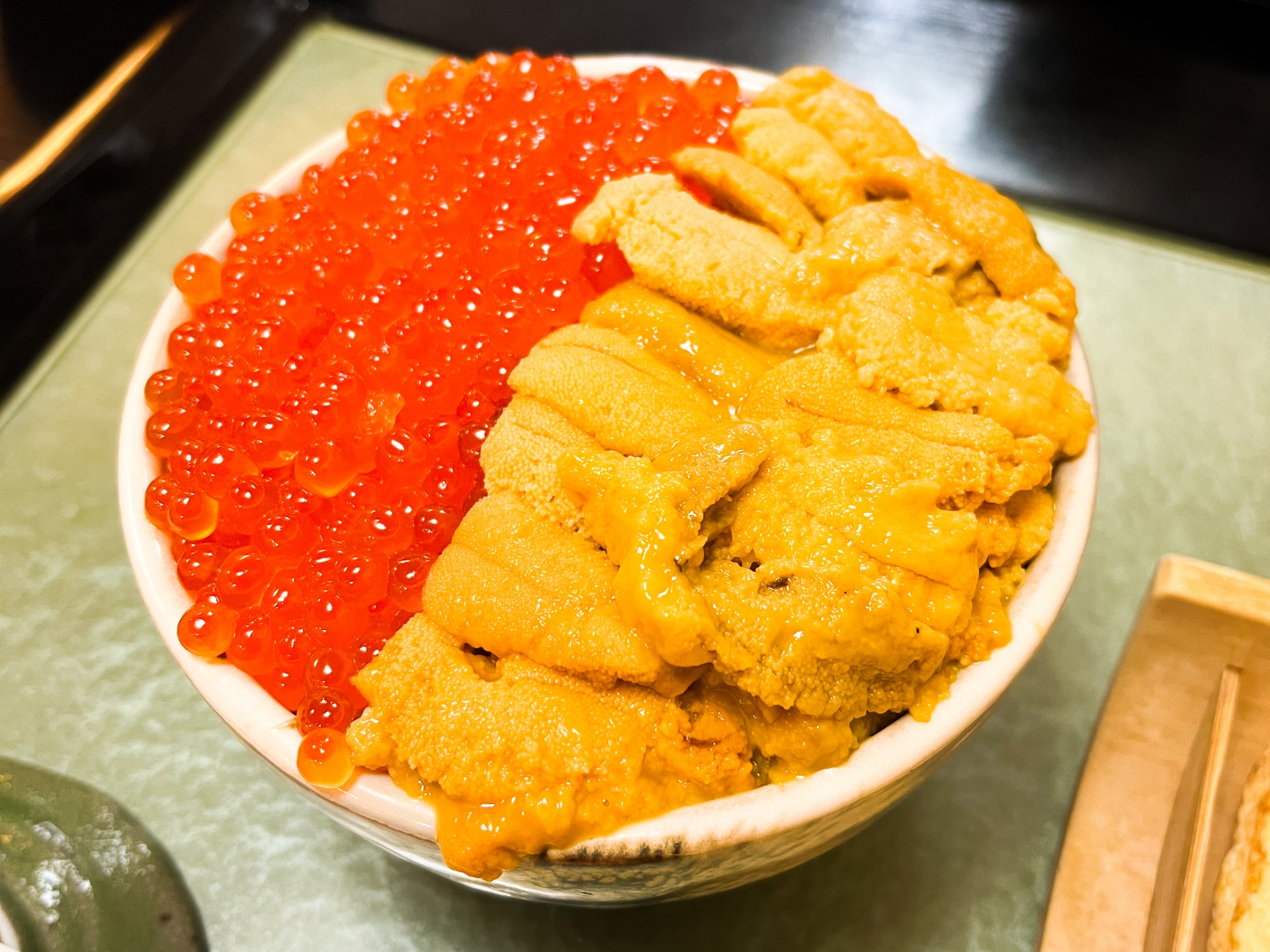
Uni-Don (Sea Urchin Bowl)
A decadent bowl of vinegared rice crowned with a generous mound of fresh sea urchin. The uni possesses a creamy, custard-like consistency and a deep, briny sweetness that evokes the essence of the ocean. Each spoonful is a concentrated burst of umami, often accented by a single, sharp leaf of shiso and a touch of real wasabi.
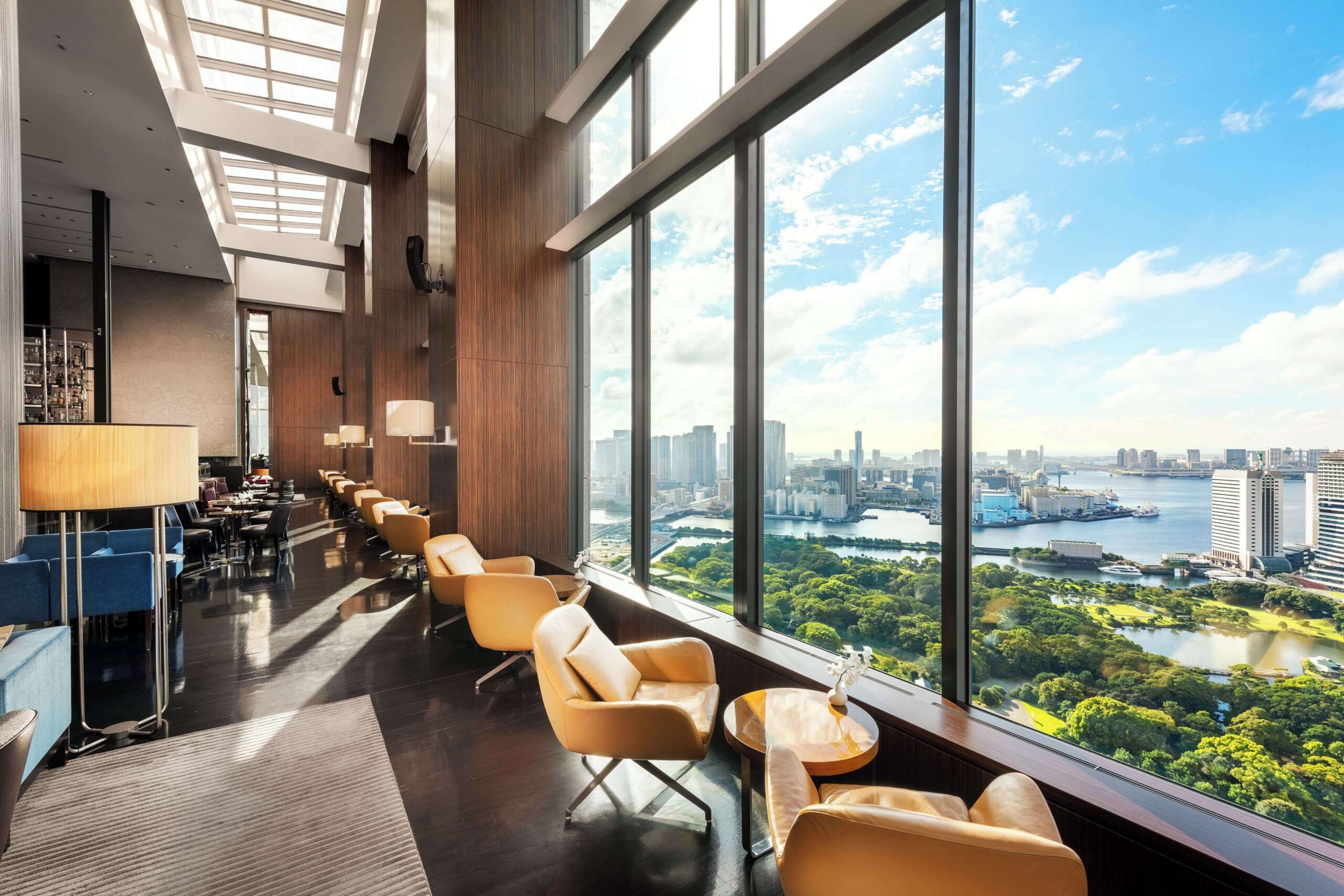
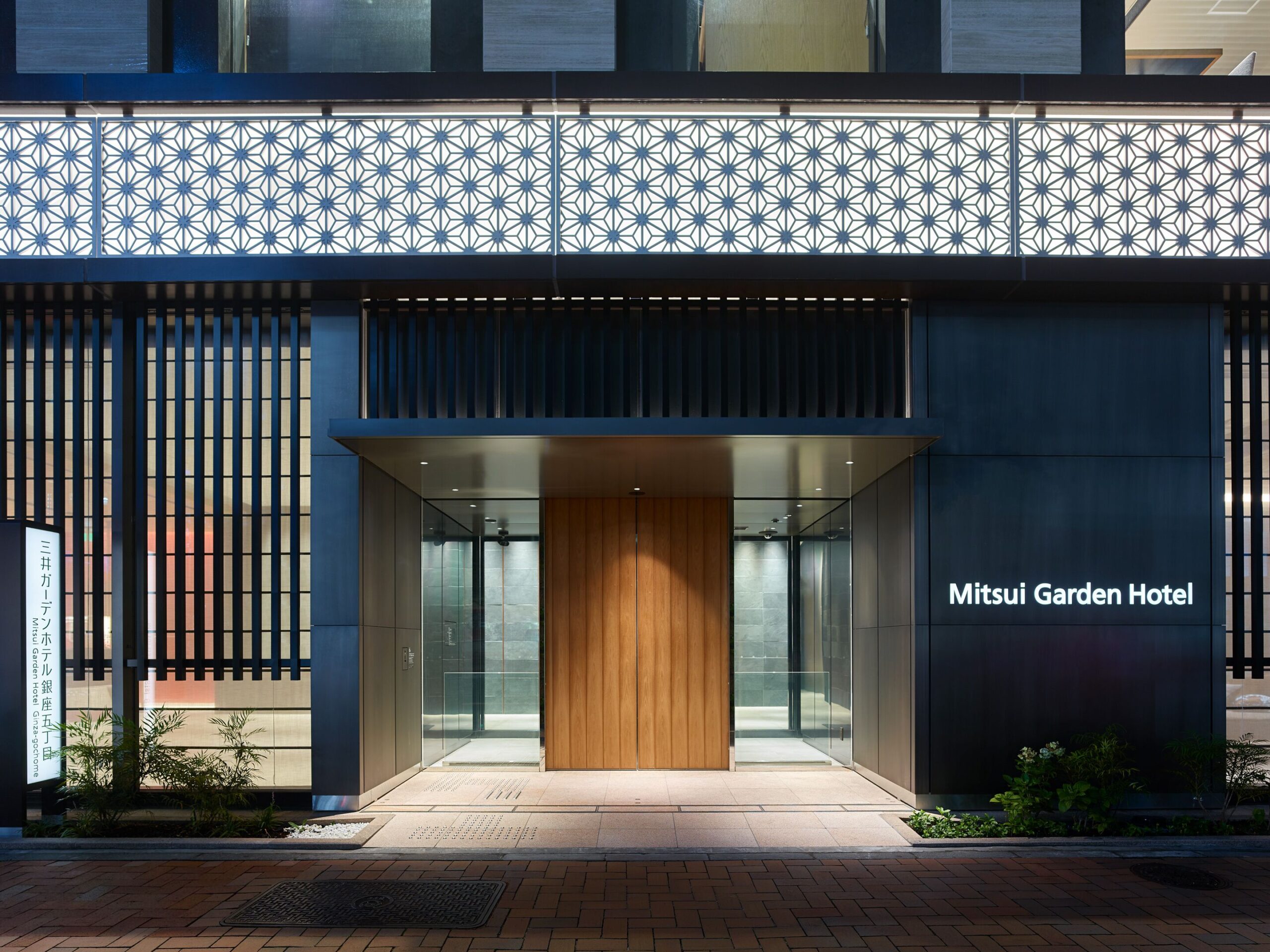
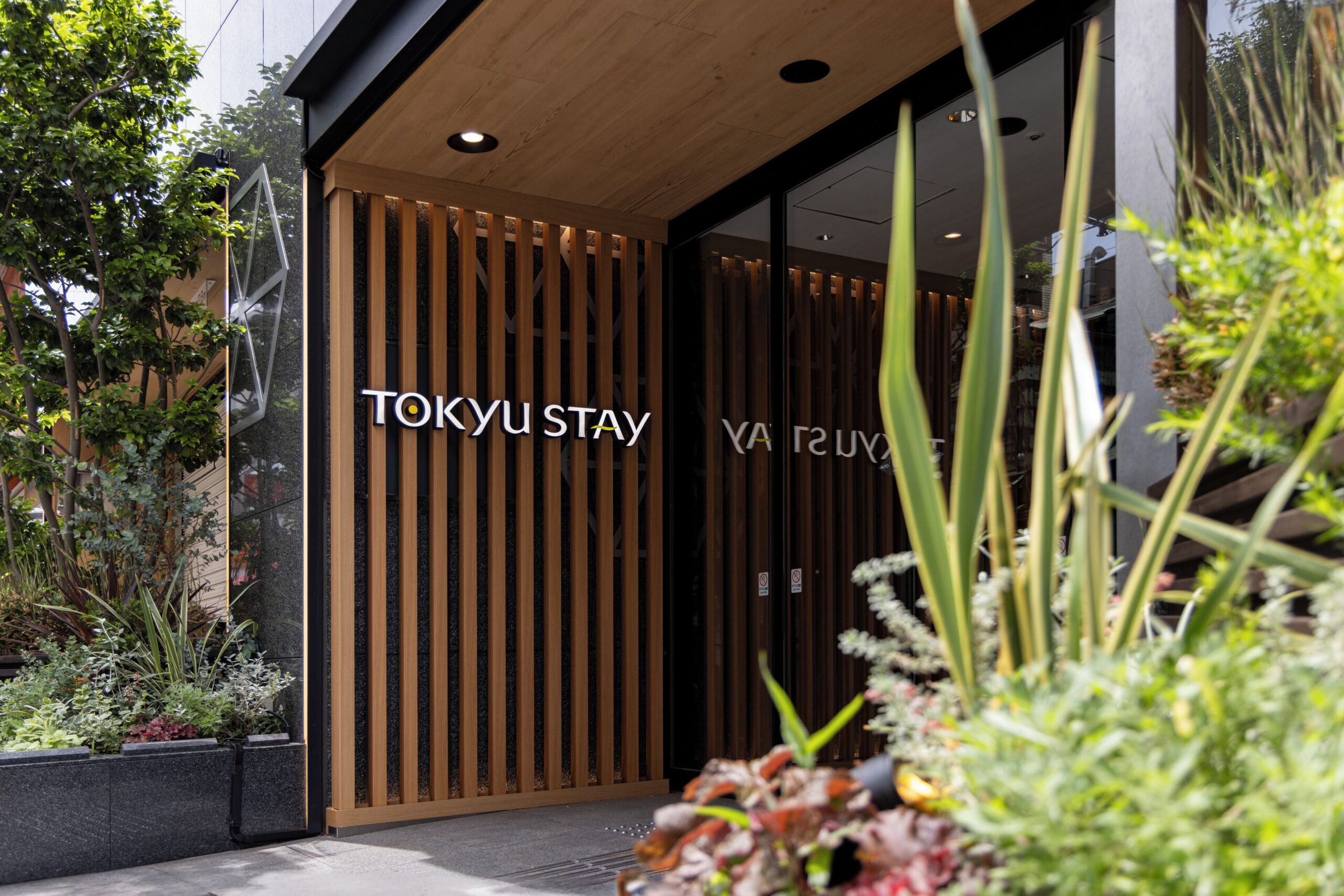
Premium Stays
For the ultimate Tsukiji experience, stay in the adjacent Ginza or Shiodome districts. These areas offer a sophisticated blend of high-end shopping and proximity to the market, allowing you to beat the morning crowds while enjoying Tokyo's most refined nightlife and dining options.
Getting There
The most direct access is via the Toei Oedo Line to Tsukiji-shijo Station (Exit A1) or the Tokyo Metro Hibiya Line to Tsukiji Station (Exit 1 or 2). Trains run every 3-5 minutes. Avoid bringing large luggage as the market paths are extremely narrow.
FAQ
Inspired?
Share this destiny with someone special.