Nagasaki
Welcome to Shinchi Chinatown
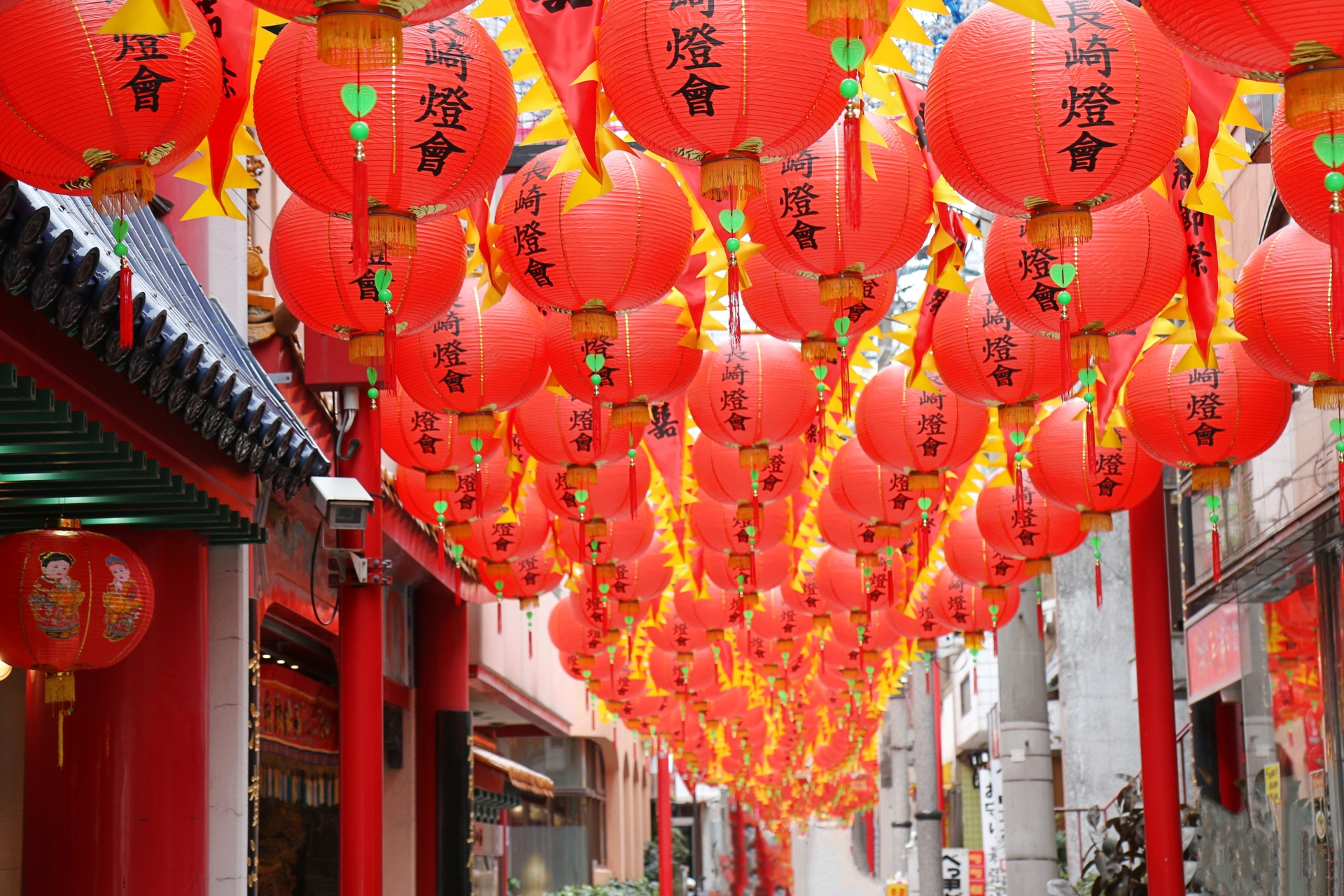
Step into a realm where the air is thick with the aroma of toasted sesame and the salty whisper of the nearby Ariake Sea. Nagasaki’s Shinchi Chinatown is not merely a district; it is a living tapestry woven from centuries of cultural exchange. As you pass through the towering vermillion gates, the modern city fades, replaced by a labyrinth of cobblestone alleys illuminated by the soft, ruby glow of hanging lanterns. Here, the legacy of the Qing Dynasty merchants breathes through the steam of roadside kitchens and the intricate carvings of historic temples. This is a sanctuary for the curious soul, offering a profound sensory journey that bridges the gap between Japan's secluded past and its cosmopolitan present.
The Four Guardian Gates
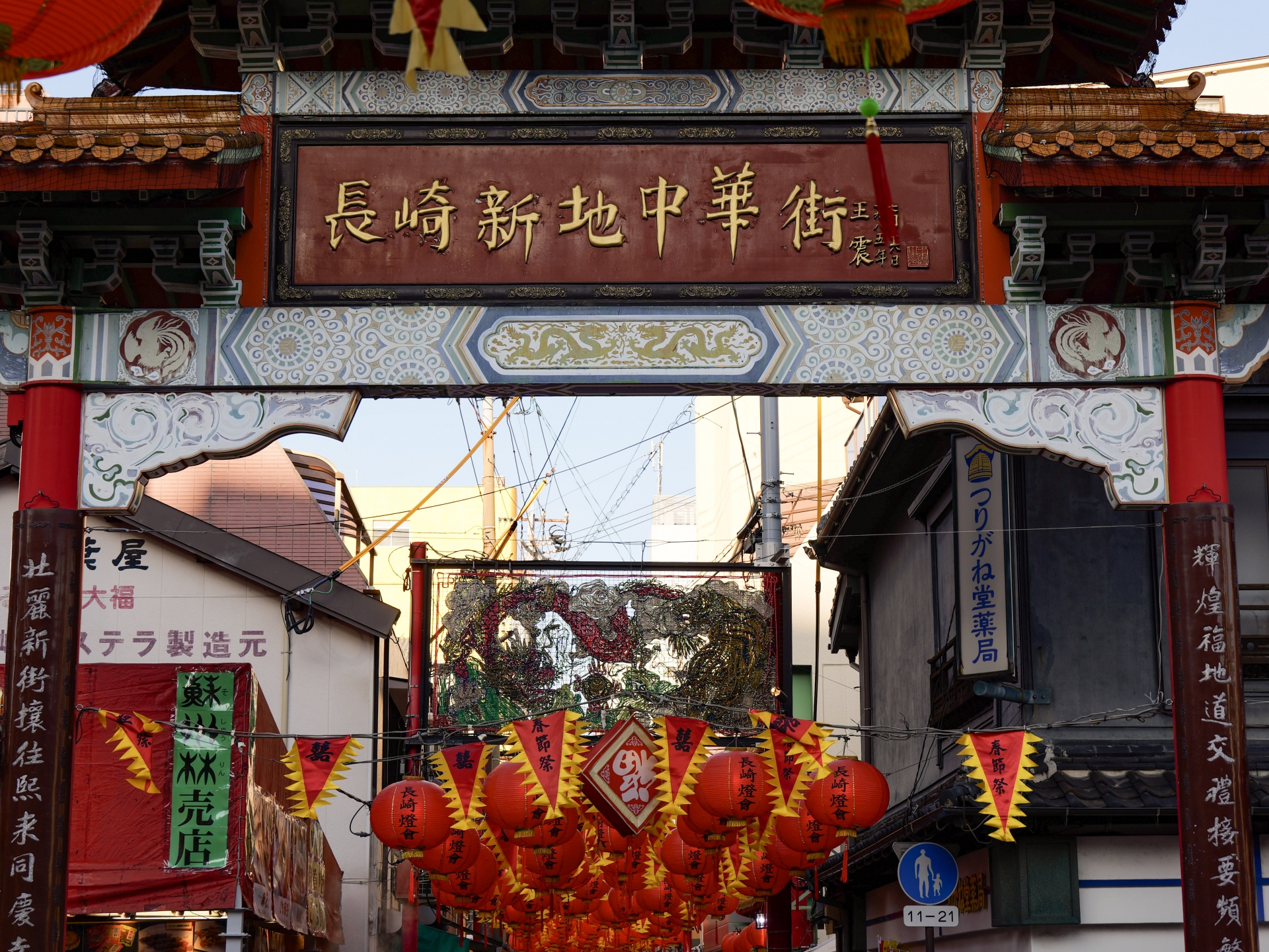
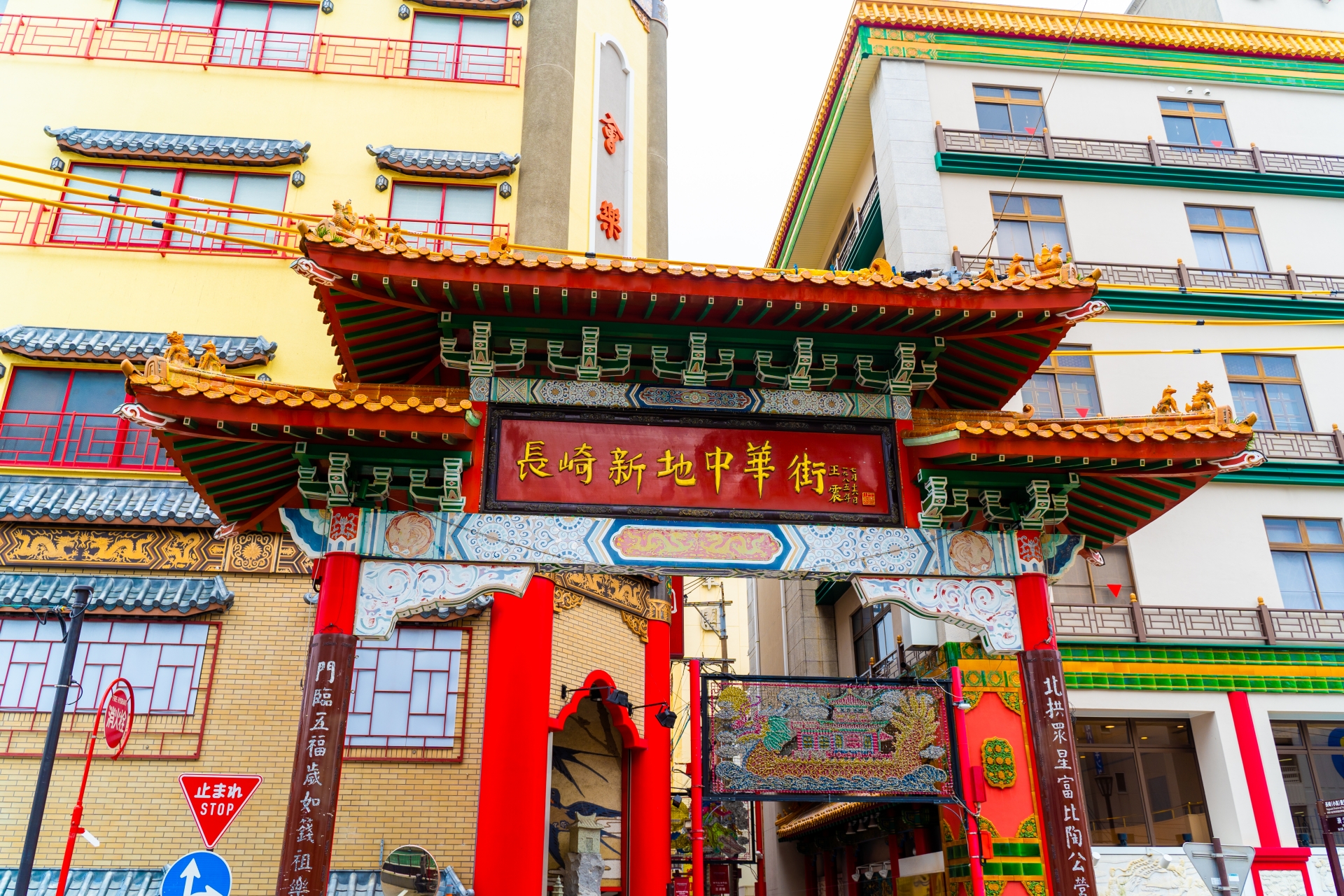
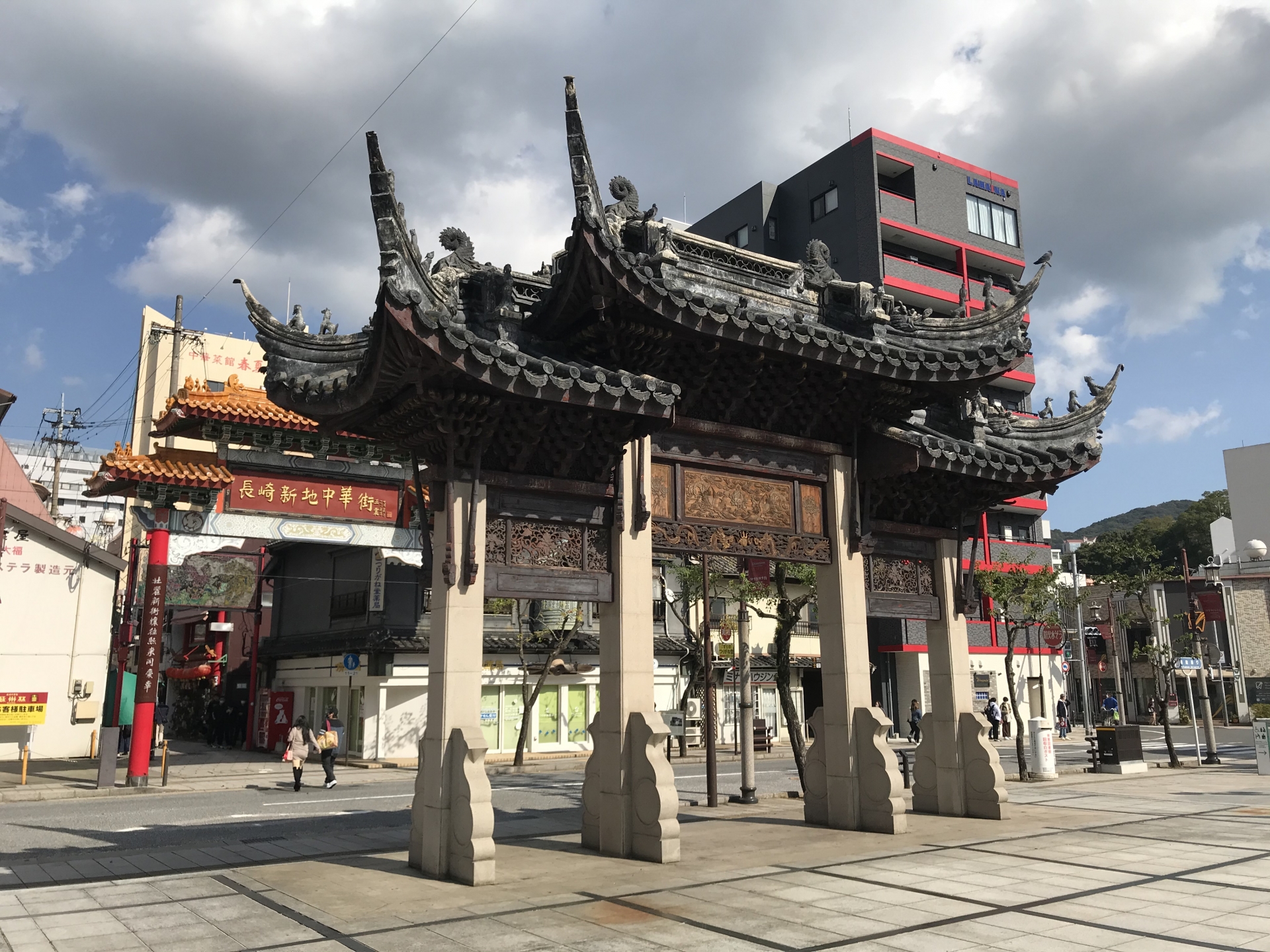
Standing as sentinels at the four cardinal points, these majestic vermillion gates are more than mere entrances; they are spiritual anchors. Each gate is crafted from materials imported directly from Fuzhou and features carvings of the Four Symbols: the Azure Dragon of the East, the Vermillion Bird of the South, the White Tiger of the West, and the Black Tortoise of the North. Walking between them feels like a ritual of transition, grounding you in the feng shui principles that have protected this enclave for generations. The craftsmanship is breathtaking, with intricate gold filigree that catches the afternoon sun.
Tojin Yashiki (Former Chinese Settlement)
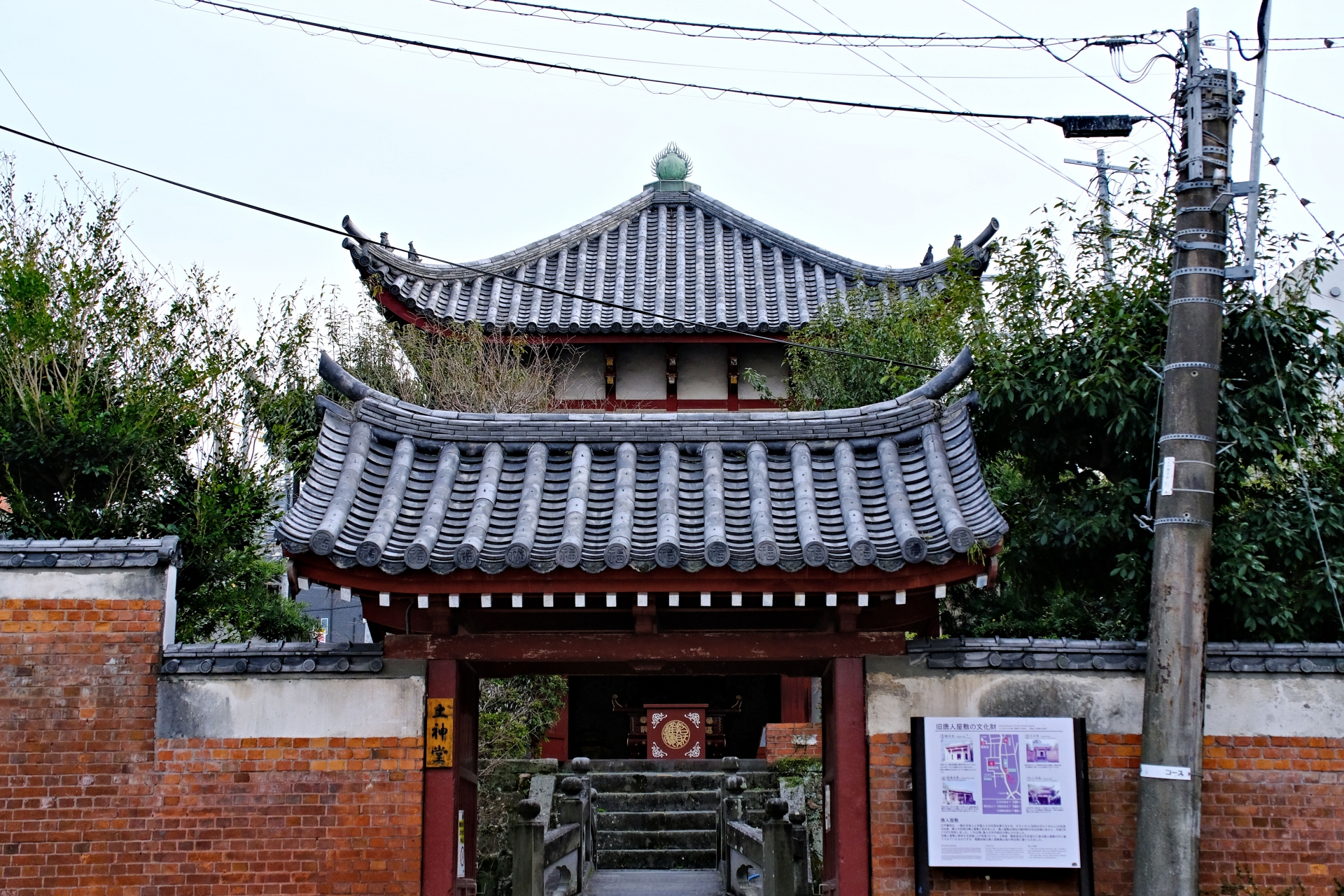
A short walk from the main bustle lies the evocative ruins and restored temples of the Tojin Yashiki. This was the designated residence for Chinese merchants during Japan’s period of isolation. The atmosphere here is hauntingly beautiful, characterized by weathered stone walls and hidden shrines like the Do-jin-do, dedicated to the god of the earth. It offers a quieter, more reflective perspective on Nagasaki's history, far from the neon lights. The scent of aged wood and incense lingers in the air, inviting travelers to pause and imagine the lives of the sailors who once sought refuge here.
Minato Park
Minato Park serves as the grand stage for Nagasaki’s most spectacular events, most notably the Lantern Festival. During the lunar new year, the park is transformed into a surreal dreamscape of oversized, glowing silk sculptures and thousands of lanterns. Even outside of festival season, the park offers a rare open space within the dense urban fabric, providing a perfect vantage point to view the surrounding architecture. It is a place where the community gathers, and the energy is palpable, reflecting the harmonious blend of Chinese and Japanese festive traditions that define the city's unique identity.
Local Soul Food
Tastes you can't find anywhere else.
Nagasaki Champon
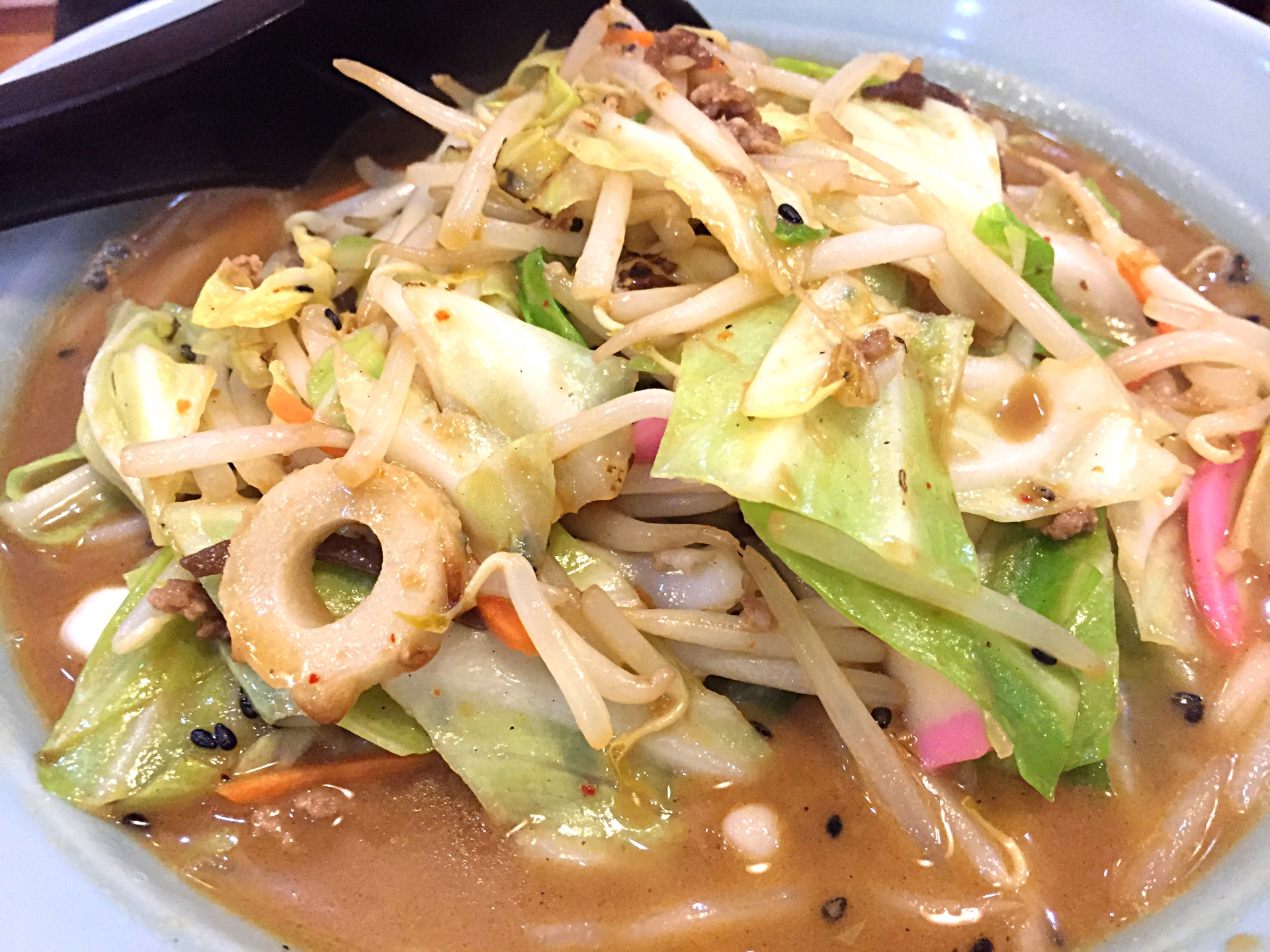
A culinary icon born in Shinchi, this dish is a masterclass in balance. The velvety, opaque broth—a rich reduction of pork and chicken bones—cradles thick, chewy noodles. It is crowned with a mountain of flash-fried cabbage, succulent pink shrimp, local squid, and kamaboko fish cakes. Every spoonful delivers a punch of umami followed by the gentle sweetness of mountain vegetables.
Nagasaki Kakuni Manju
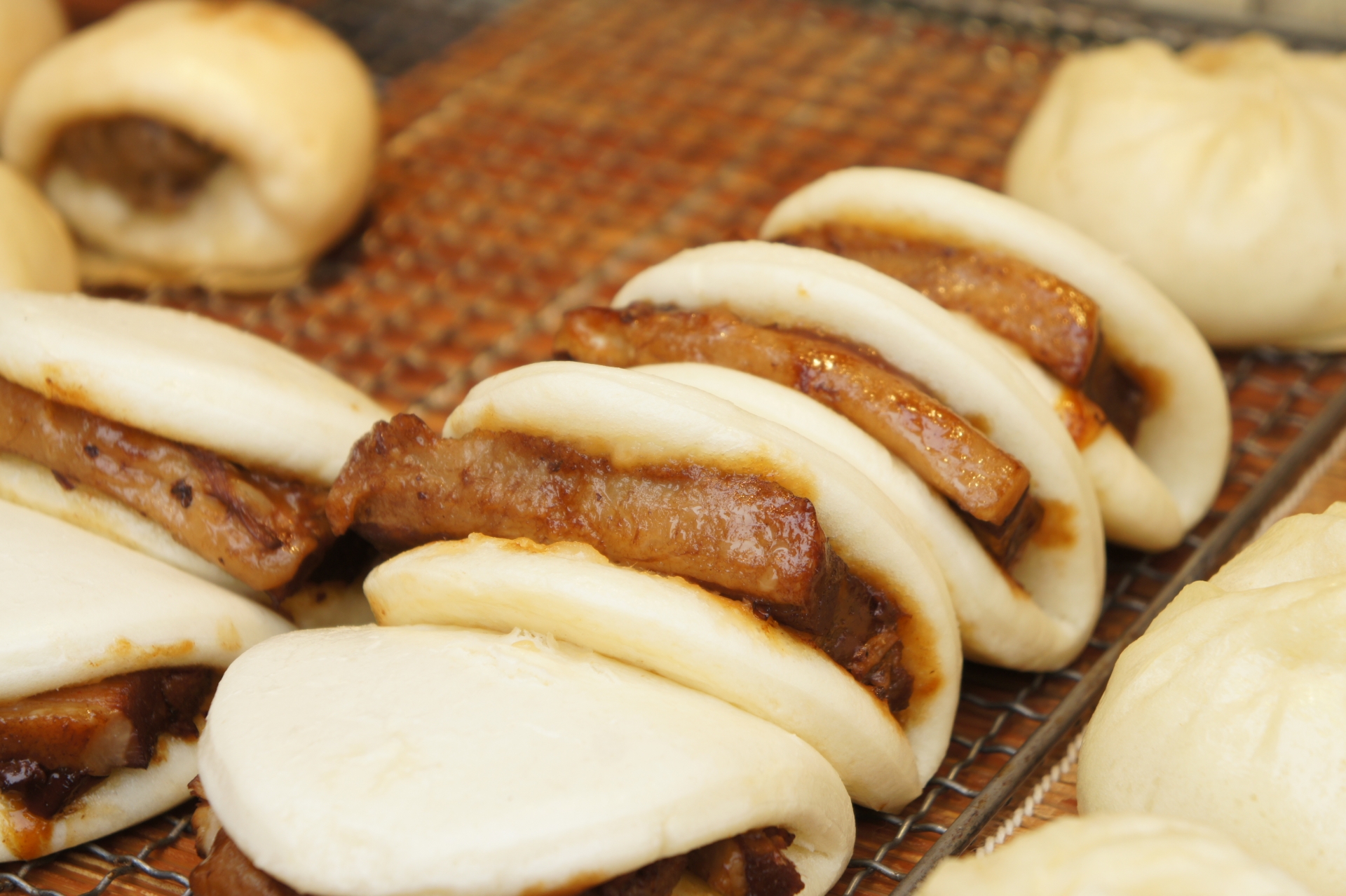
Imagine a cloud-like steamed bun yielding to a thick slab of 'Kakuni'—pork belly braised for hours in a secret blend of soy, mirin, and ginger. The fat has been rendered to a buttery consistency that melts the moment it touches your tongue. It is a handheld masterpiece of texture, blending the pillowy softness of the bread with the savory depth of the glaze.
Yori-yori (Mafao)
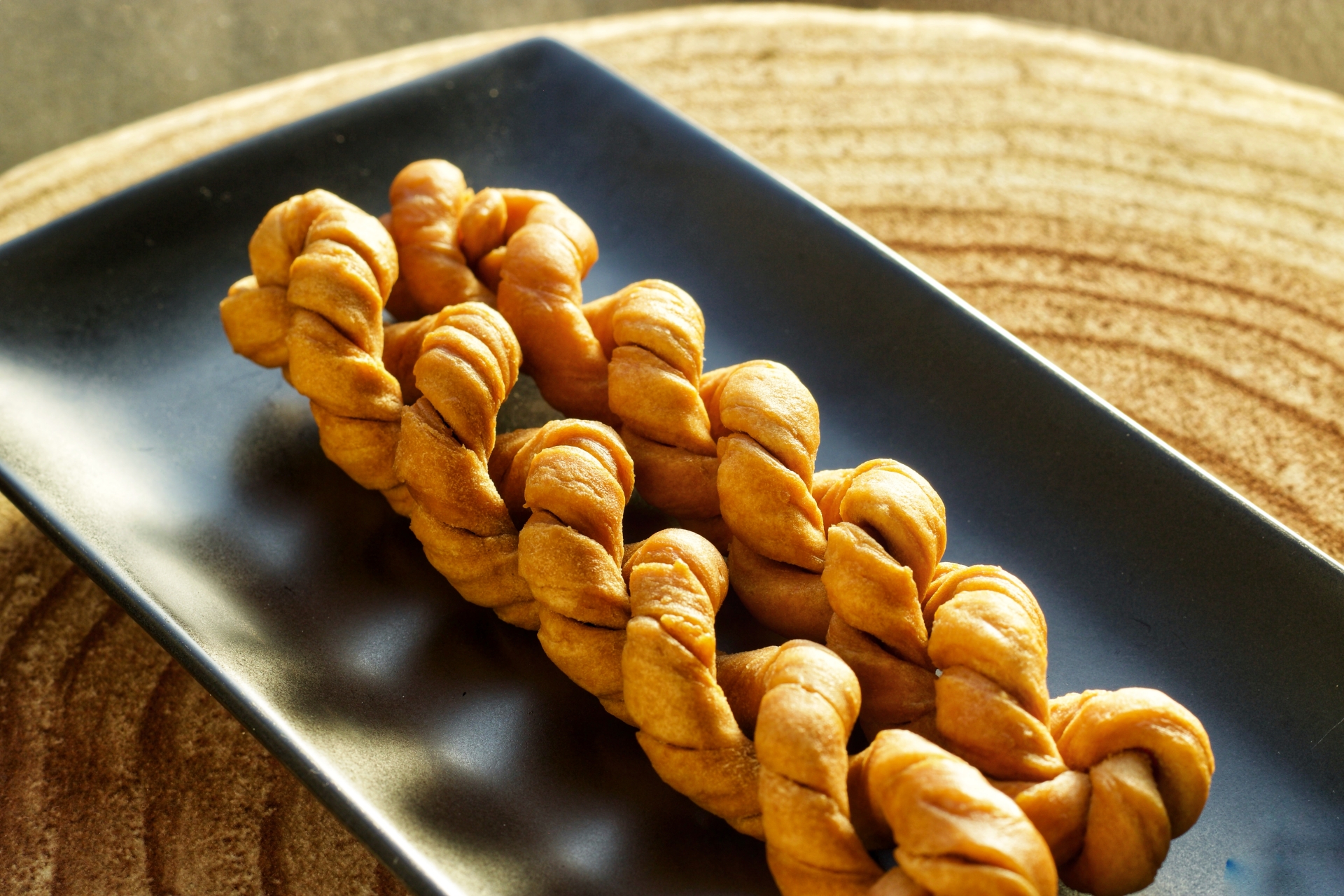
These twisted, golden-brown cookies are the quintessential Shinchi snack. Hand-braided and deep-fried to a satisfyingly hard crunch, they offer a subtle, toasted sweetness that pairs perfectly with hot jasmine tea. The texture is brittle and addictive, echoing the traditional street snacks of Fujian province. They are as much a piece of edible history as they are a treat.
Premium Stays
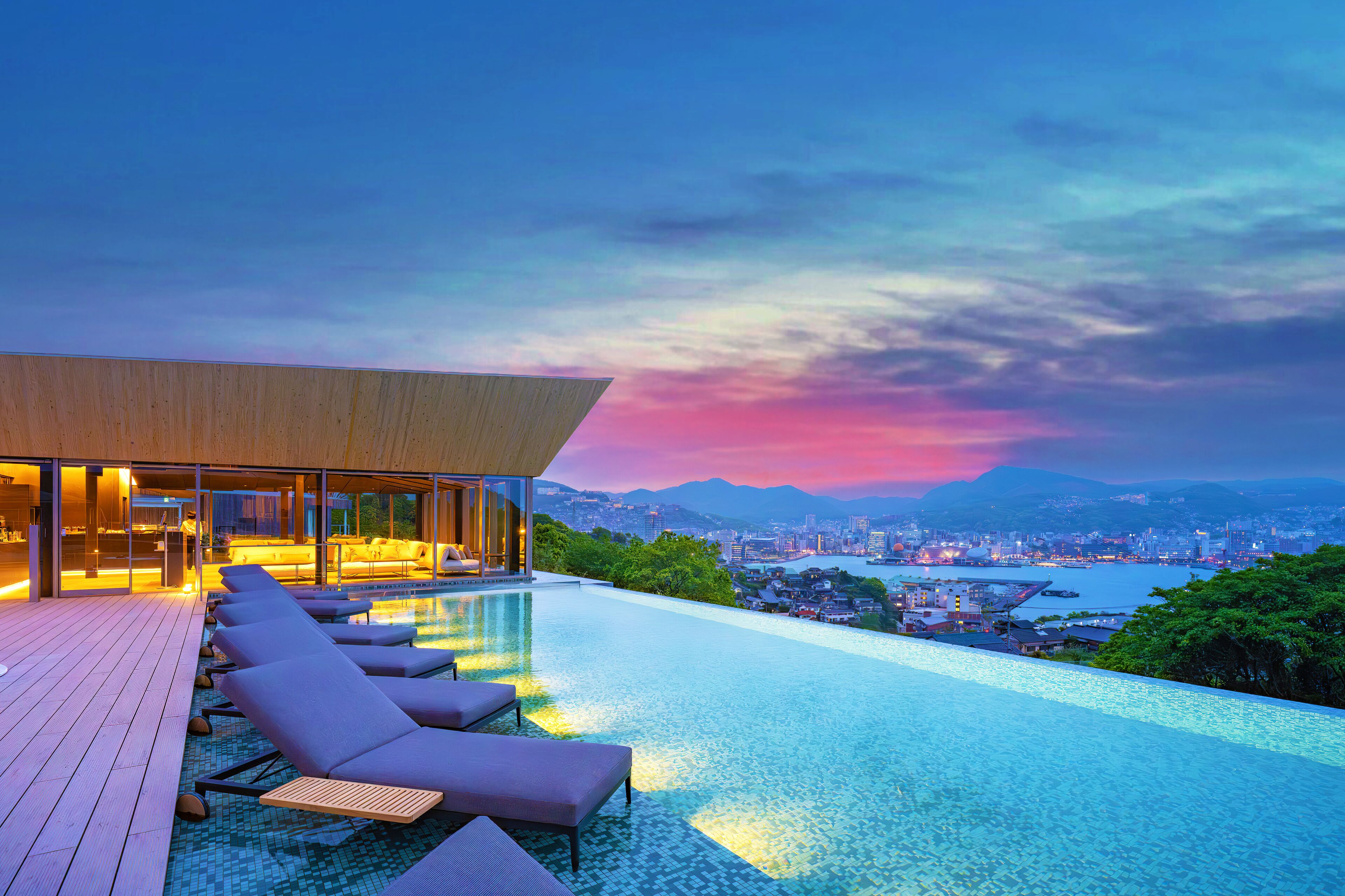
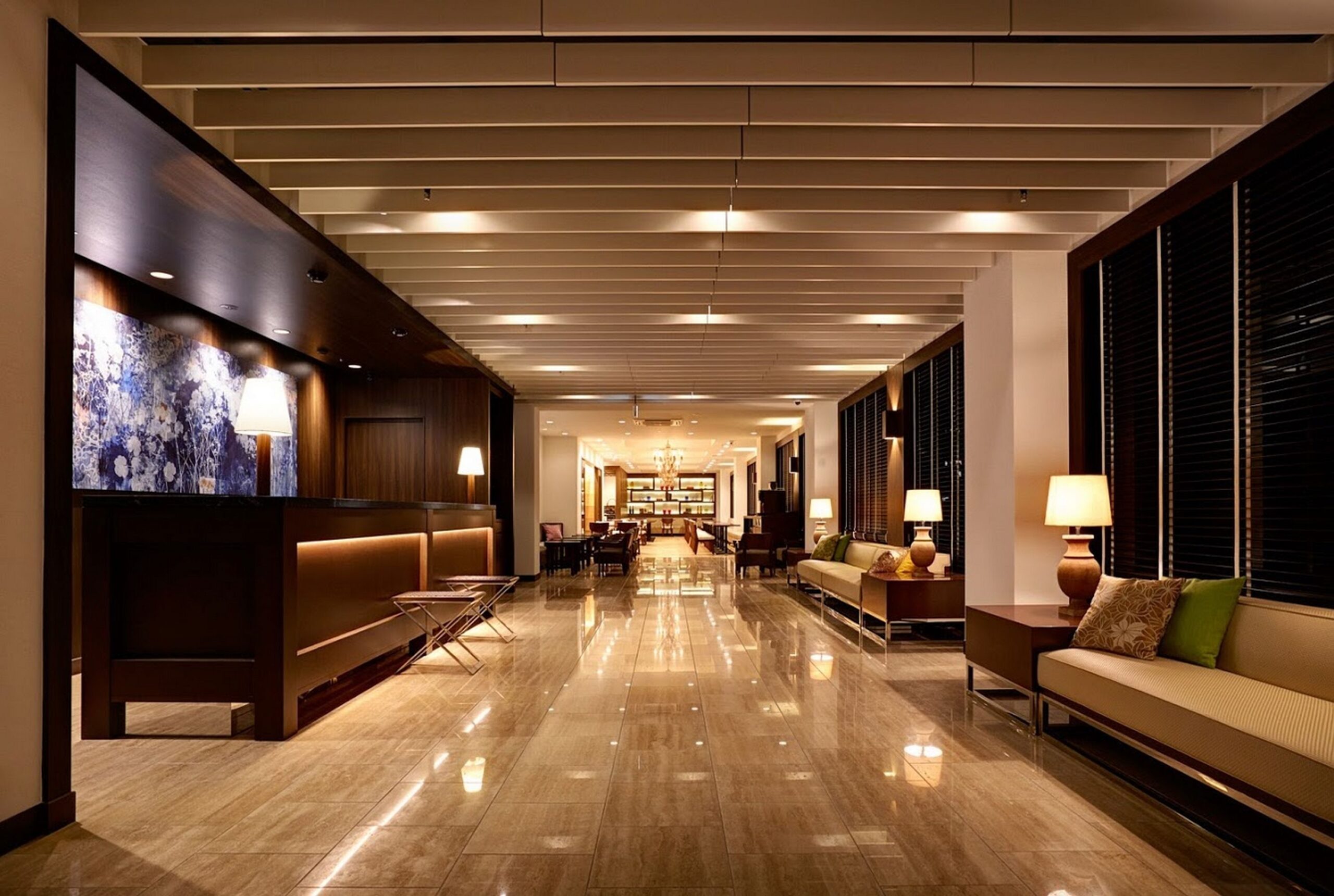
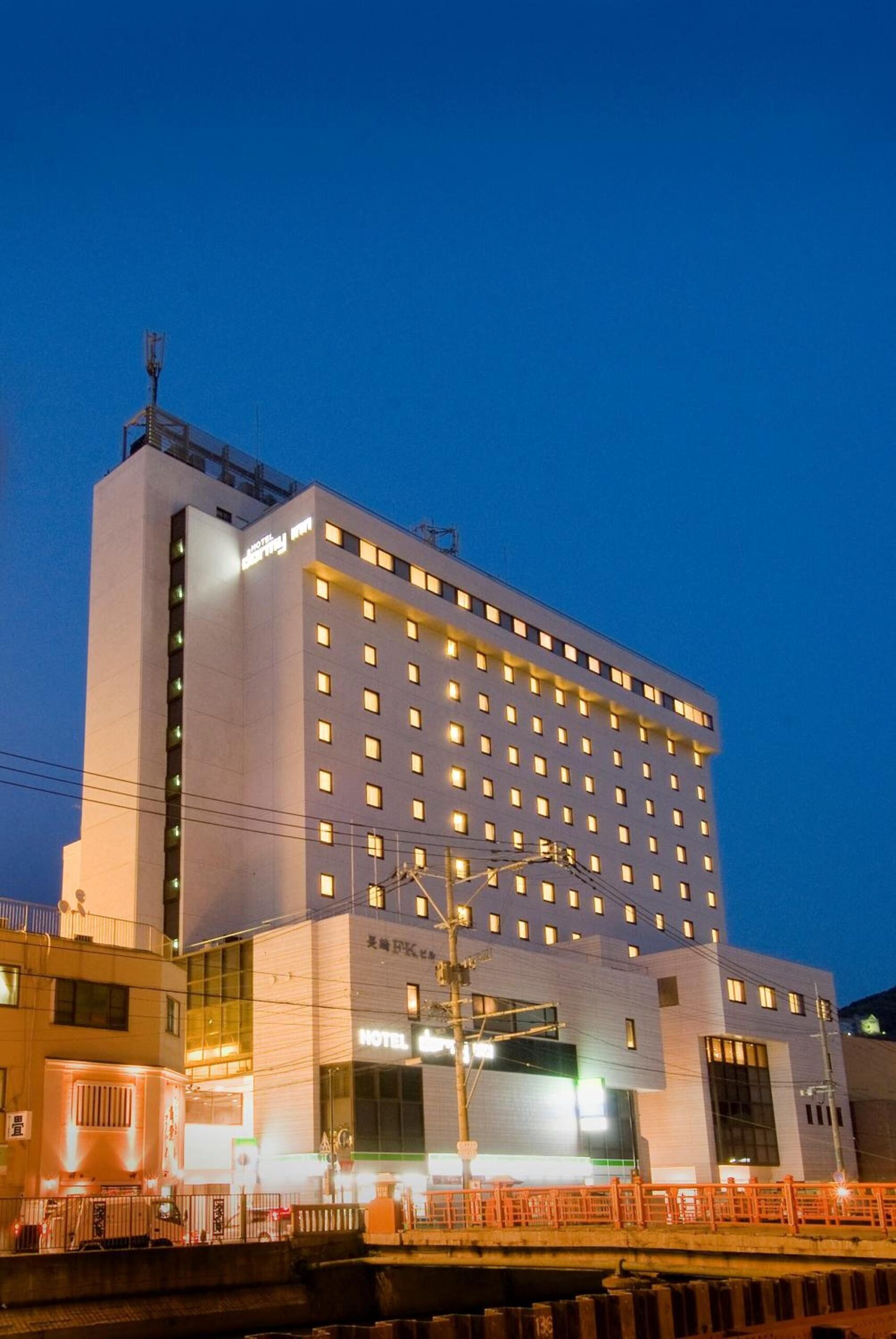
For the ultimate Nagasaki experience, stay near the waterfront or the Shinchi district to enjoy the evening atmosphere. The area around the 'Shinchi-Chinatown' tram stop offers unparalleled access to both the historic Chinese quarter and the modern harbor developments.
Getting There
From JR Nagasaki Station, take the blue tram (Line 1) bound for Sofukuji. Alight at the 'Shinchi-Chinatown' stop. Trams run every 5-8 minutes, making it the most efficient way to travel. Avoid taxis during peak festival hours as the narrow streets become pedestrian-only.
FAQ
Inspired?
Share this destiny with someone special.