Fukui
Welcome to Tojinbo Cliffs
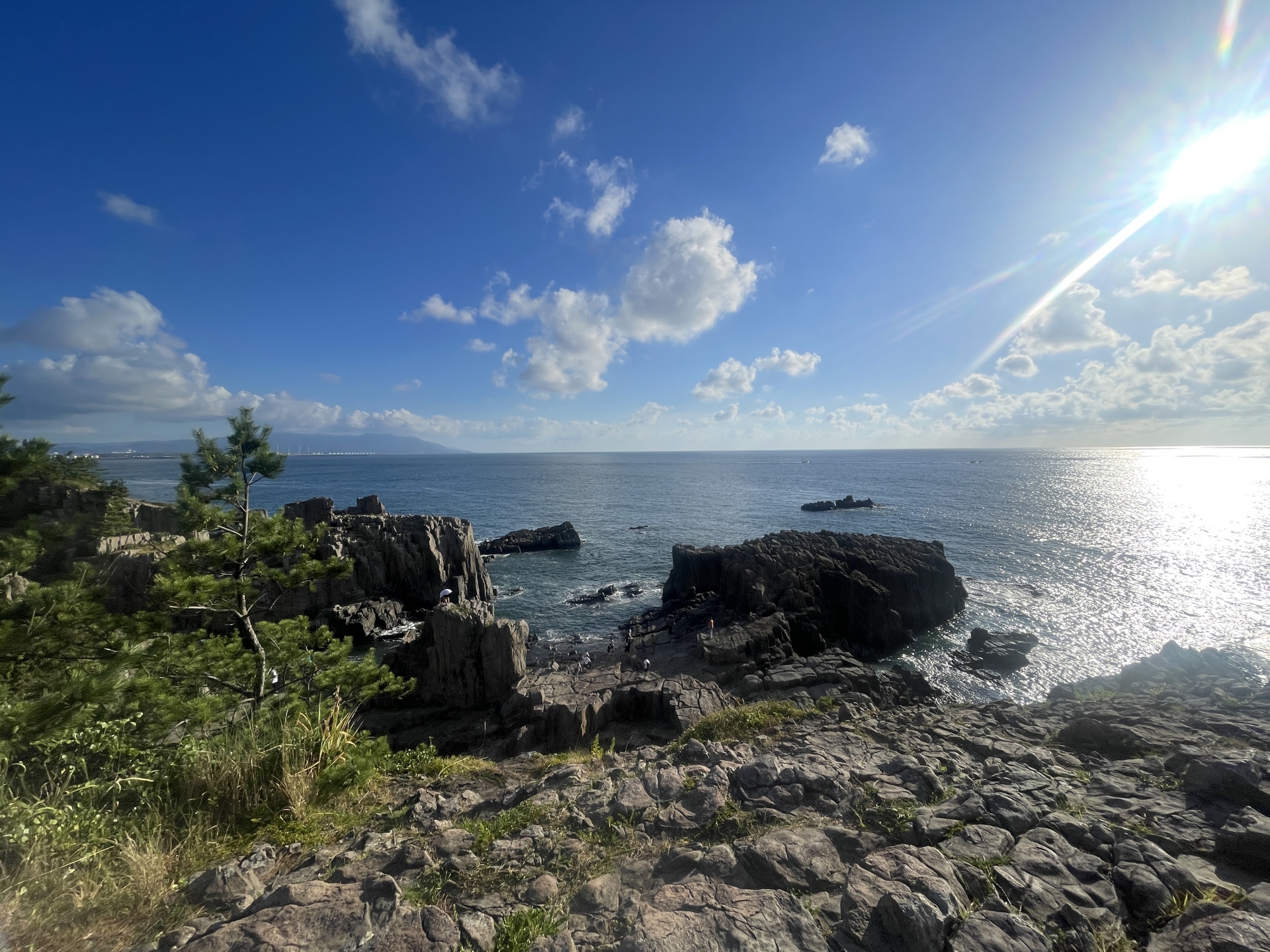
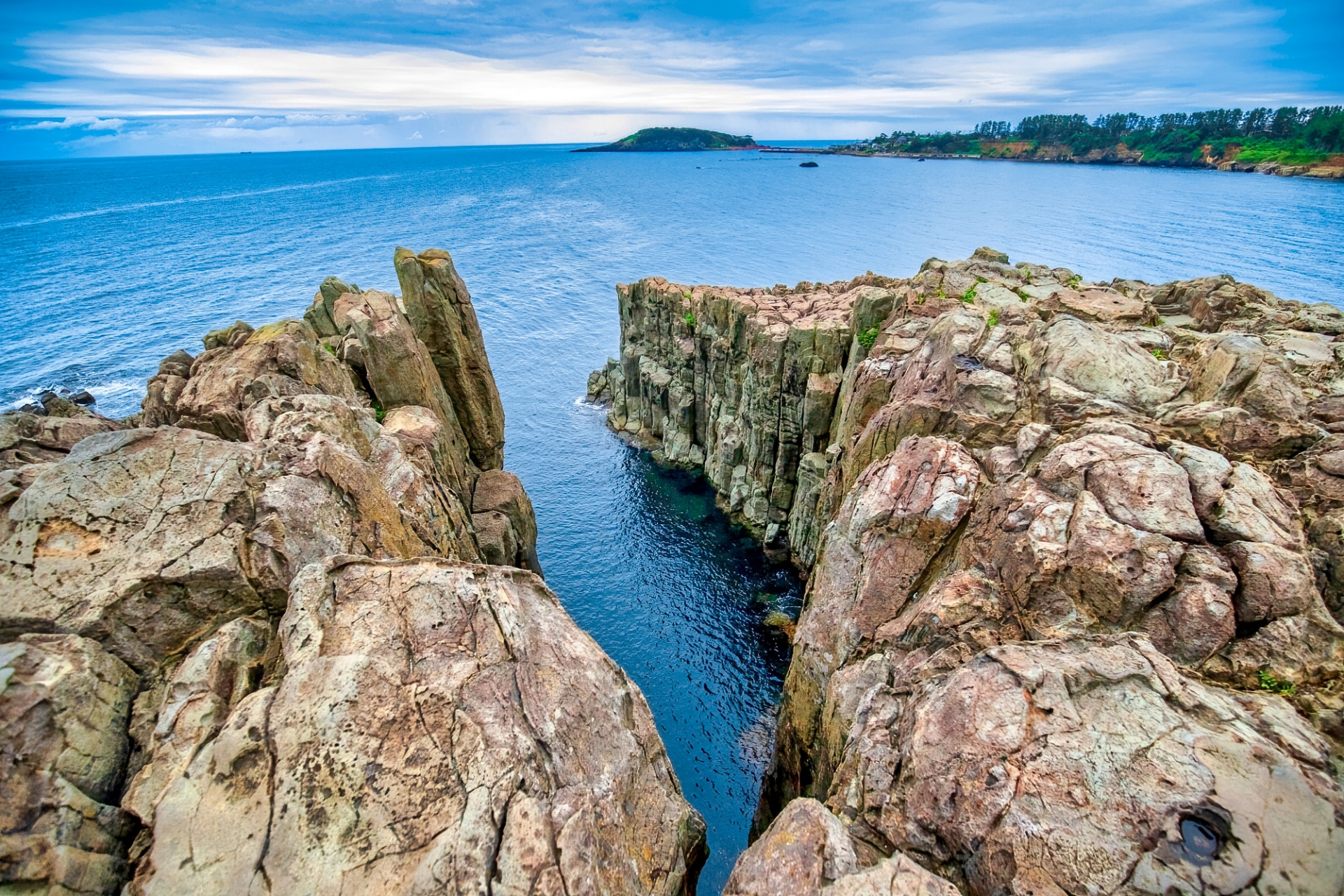
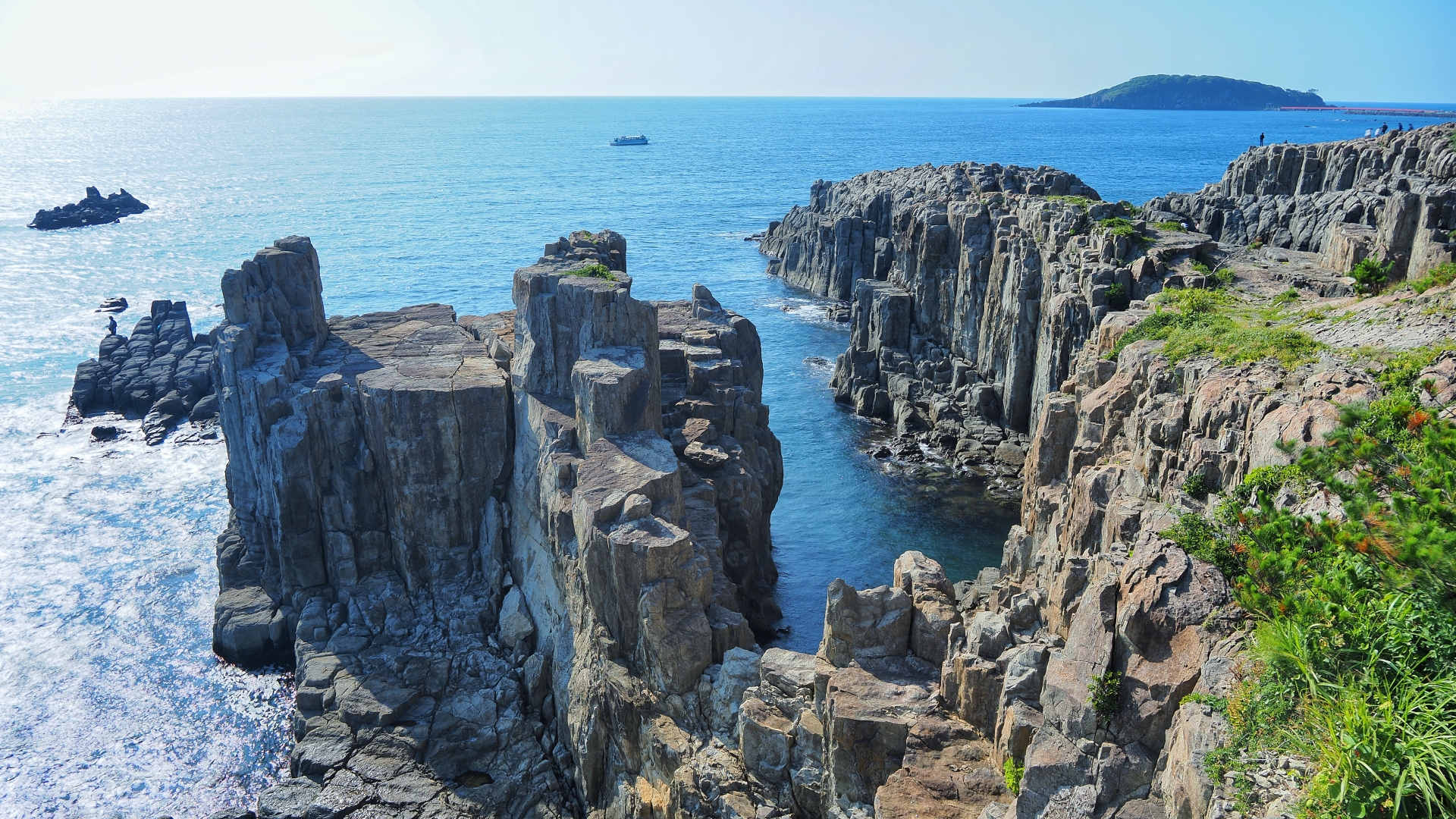
Standing atop the Tojinbo Cliffs is a visceral encounter with the sublime. Here, the Sea of Japan has spent millennia sculpting rare, hexagonal andesite pillars into a monolithic landscape that feels both ancient and otherworldly. The air is thick with the saline mist of the bay, and the thunderous roar of waves against the stone provides a rhythmic heartbeat to your exploration. This is more than a scenic overlook; it is a spiritual threshold where the earth’s geological history is laid bare. Whether you are drawn by the legend of the monk Tojinbo or the sheer architectural wonder of the rock formations, the cliffs offer a profound sense of perspective that lingers long after the salt spray has dried on your skin.
The Andesite Pillars
The crown jewel of Fukui, these cliffs are one of only three such geological formations in the world. As you walk directly onto the jagged, multi-layered stone, you feel the immense pressure of the earth that created these vertical joints. The sight of the deep cerulean water churning violently in the 'Lion's Mouth' cavern below is both terrifying and hypnotic. It is a raw, unfiltered interaction with nature's architecture, stripped of railings and artifice, demanding your full presence and respect.
Oshima Island
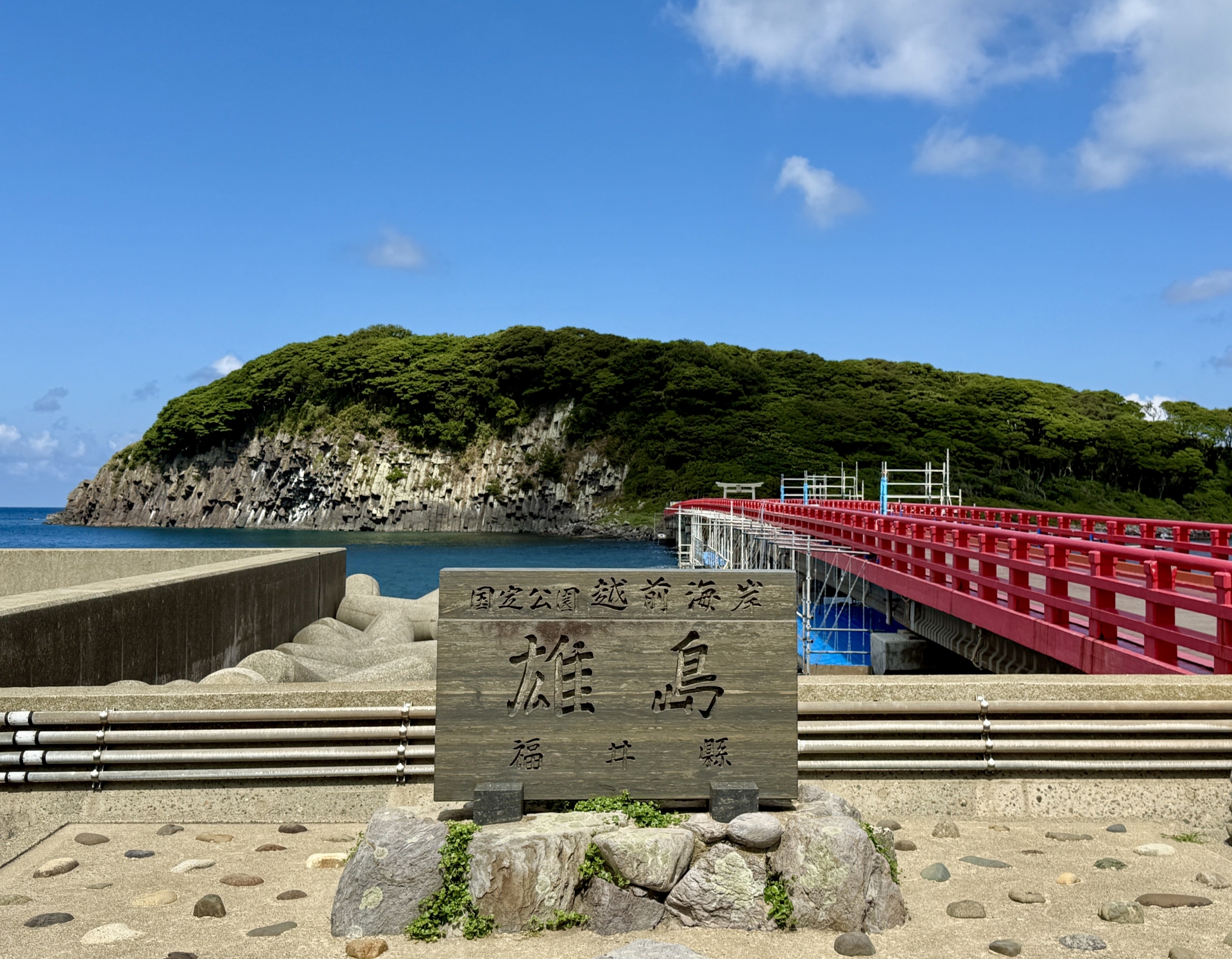
Connected to the mainland by a striking vermillion bridge, Oshima is a sacred island enveloped in mystery and lush greenery. Walking across the bridge, the wind whips around you, carrying the scent of pine and salt. The island is home to Ominato Shrine, where the atmosphere shifts from the rugged energy of the cliffs to a serene, hushed reverence. Exploring the perimeter path reveals hidden sea caves and ancient trees that have survived centuries of coastal gales, offering a quiet sanctuary for reflection.
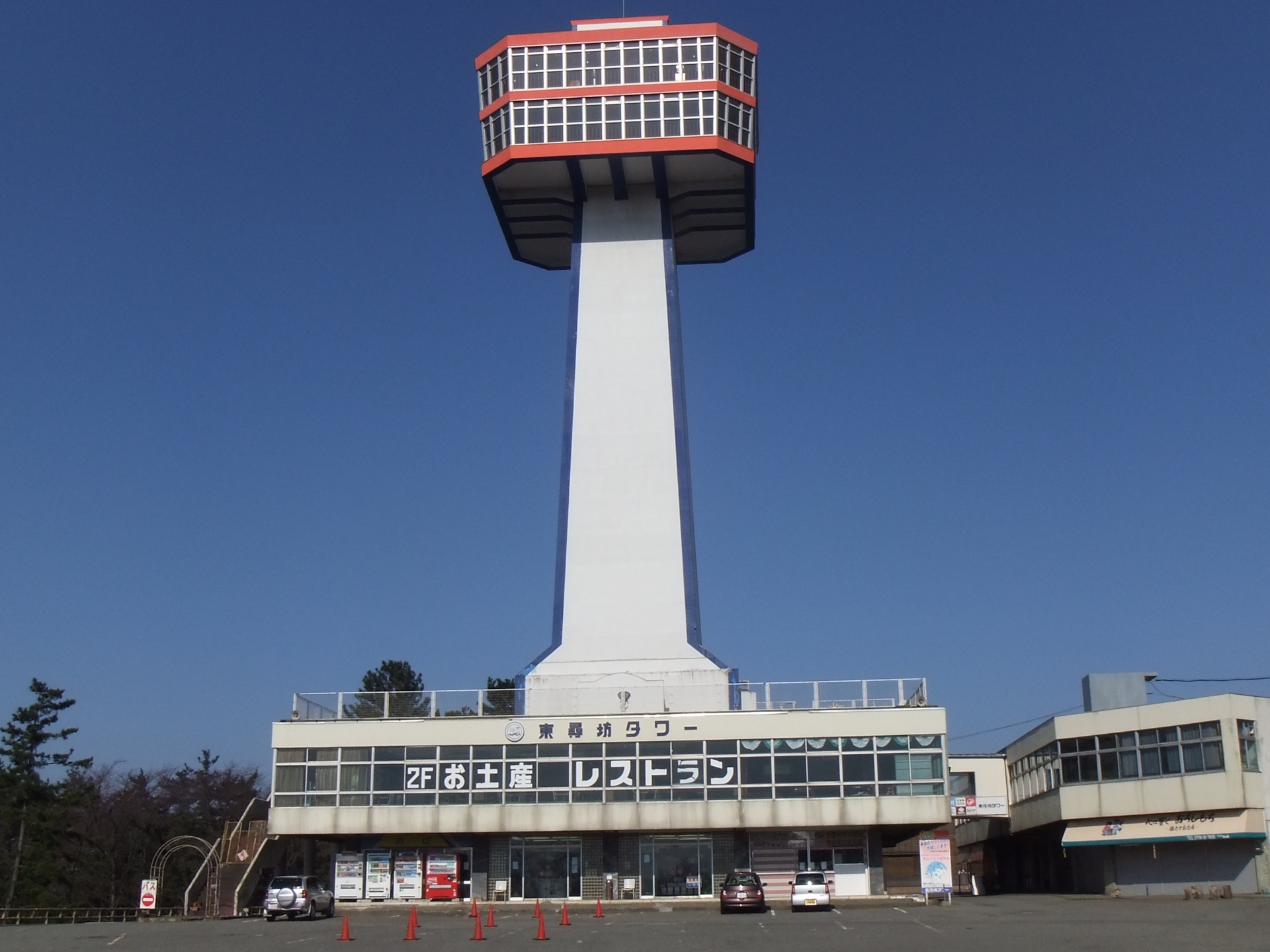
Tojinbo Tower
For a perspective that puts the entire coastline into context, the Tojinbo Tower is an essential stop. Standing 55 meters above ground, the observation deck offers a 360-degree panorama of the Sea of Japan and the distant Hakusan mountain range. From this height, the geometric patterns of the cliffs reveal themselves like a giant’s puzzle. It provides a safe, comfortable vantage point to appreciate the scale of the landscape, especially during the winter months when the sea spray reaches incredible heights.
Local Soul Food
Tastes you can't find anywhere else.
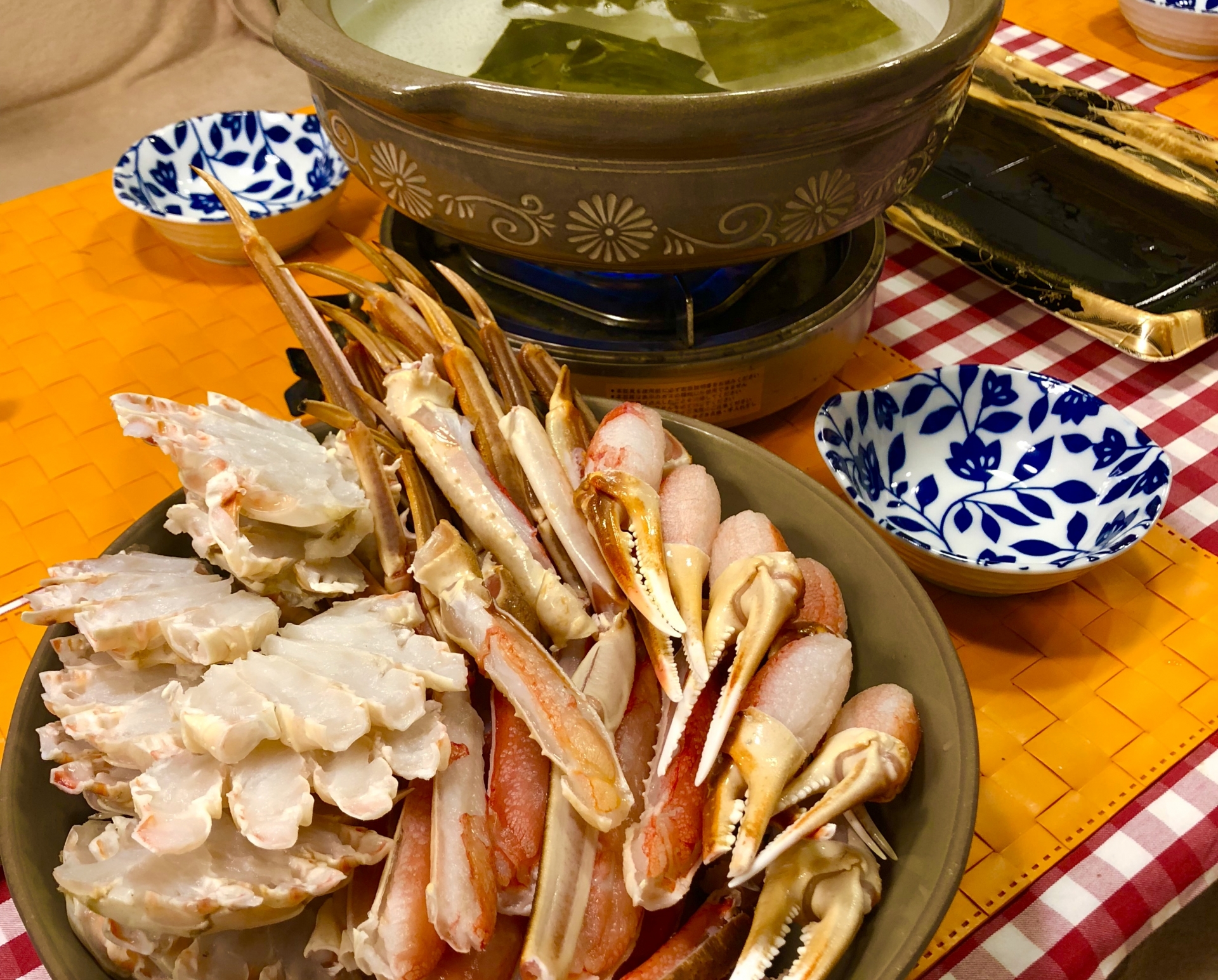
Echizen Gani (Snow Crab)
The undisputed king of winter cuisine in Japan. The meat is remarkably sweet and succulent, with a delicate texture that melts upon contact with the tongue. The highlight is the 'kani miso' (crab tomalley), which offers a rich, umami-heavy depth that tastes like the very essence of the deep sea. When served steamed, the aroma is intoxicatingly briny and sweet.
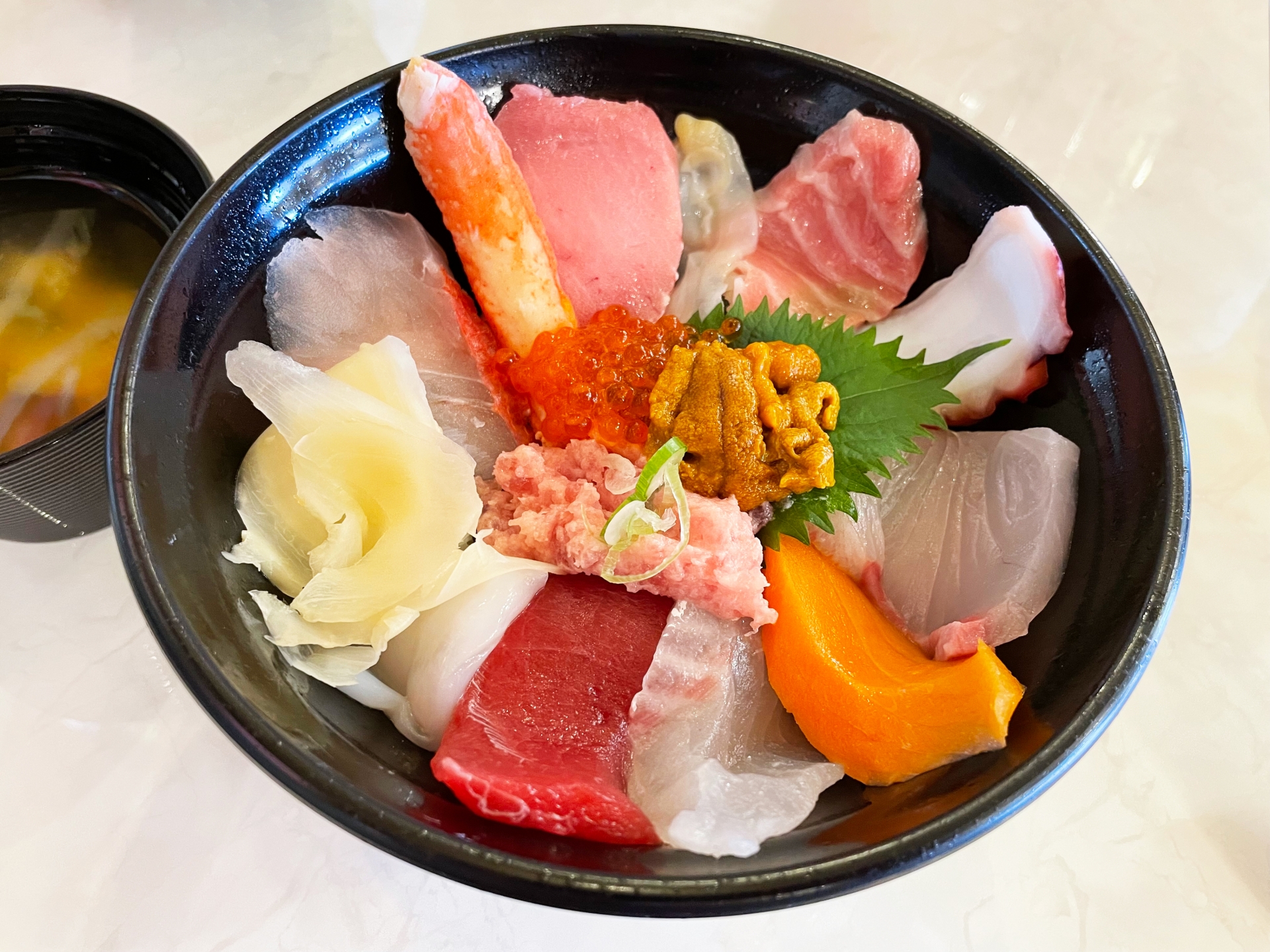
Kaisen-don (Seafood Donburi)
A vibrant kaleidoscope of the morning's catch. Imagine a bed of vinegared rice topped with the buttery melt of premium uni, the saline pop of salmon roe, and translucent slices of local sea bream. Every bite is a testament to the freshness of the Mikuni port, offering a cold, clean contrast to the rugged heat of the coastal sun.
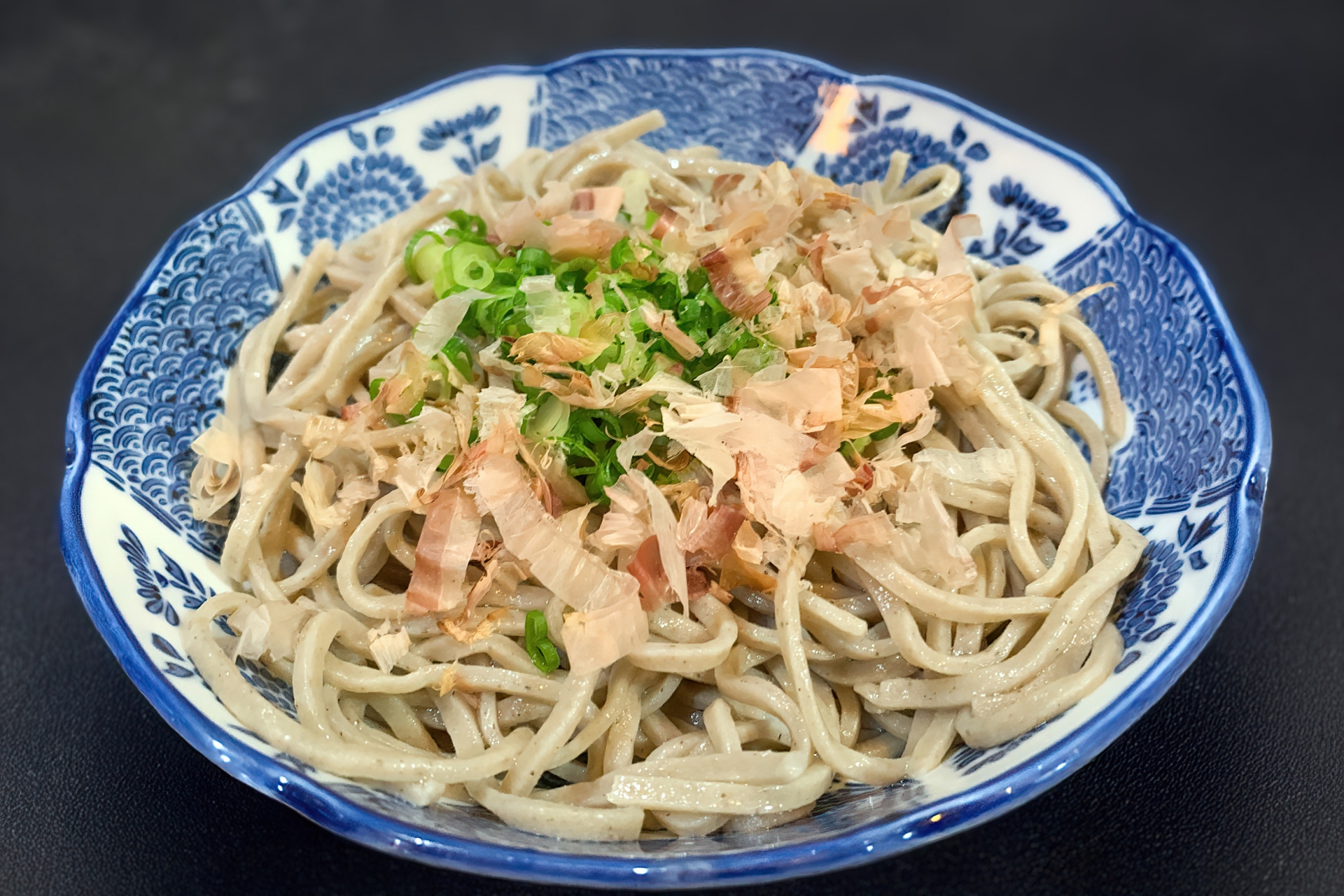
Oroshi Soba
Fukui’s soul food. These chilled buckwheat noodles are served with a generous topping of spicy grated daikon radish, bonito flakes, and a dashi-based sauce. The noodles have a firm, nutty bite that is perfectly complemented by the sharp, cooling sting of the radish, creating a refreshing palate cleanser after a day of coastal exploration.
Premium Stays
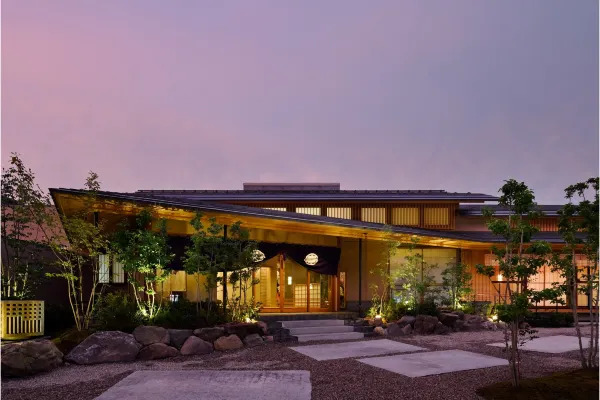
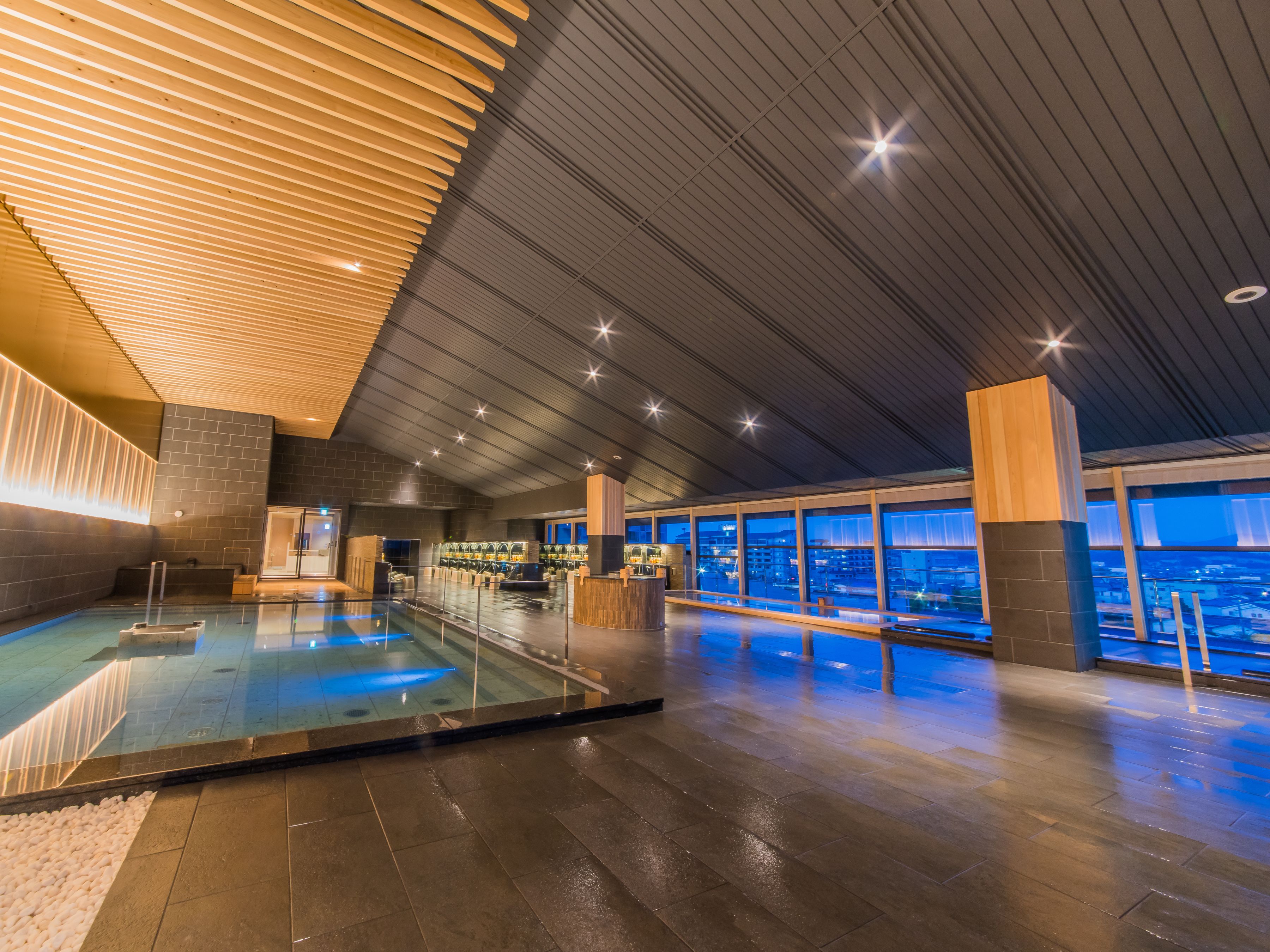
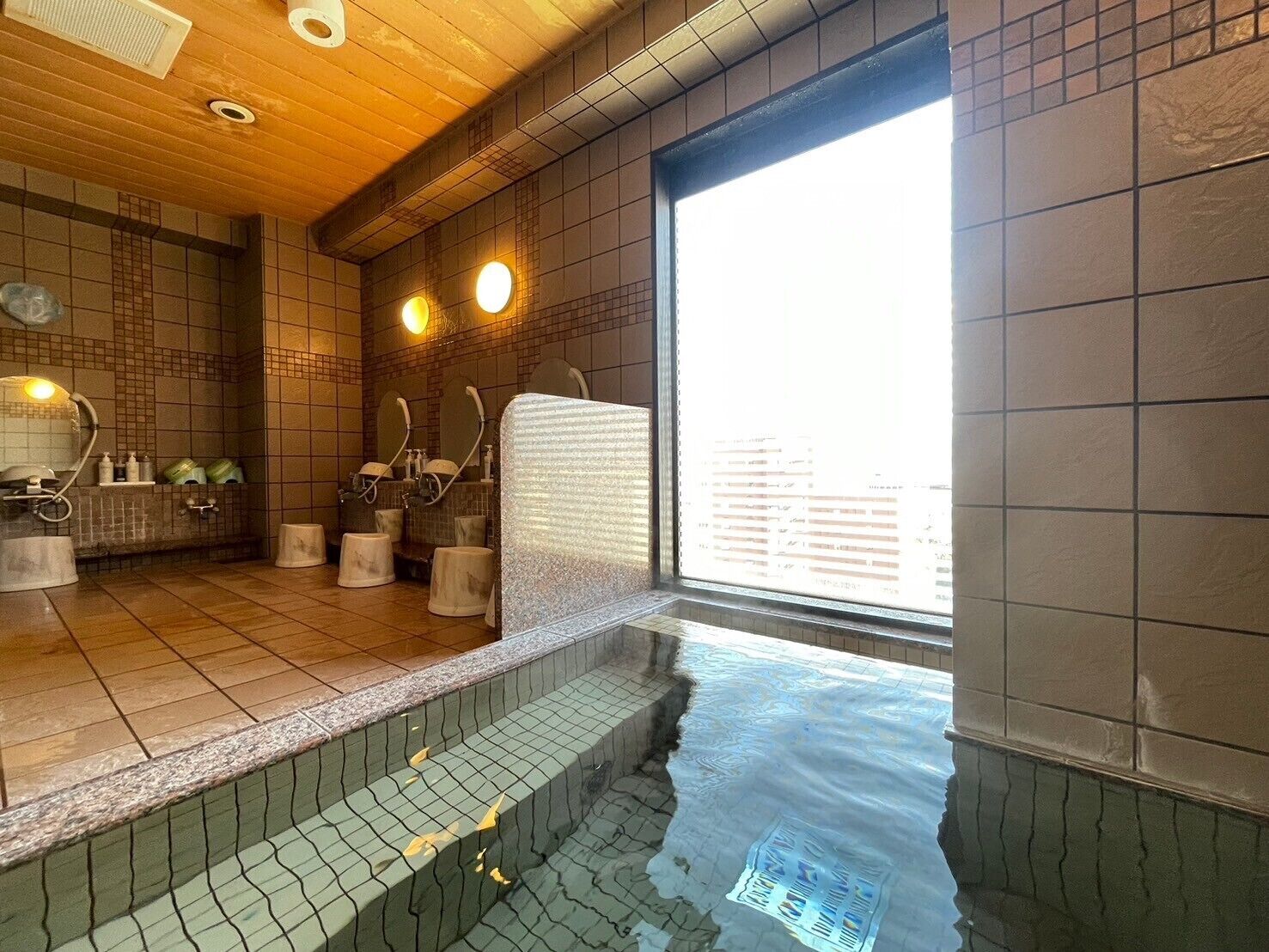
To truly experience the region, I recommend staying in the nearby Awara Onsen district. It offers a sophisticated retreat where you can soak away the fatigue of your coastal trek in healing thermal waters, just a 15-minute drive from the cliffs.
Getting There
From JR Awara Onsen Station, take the Keifuku Bus bound for Tojinbo (approx. 40 mins). Buses run roughly once per hour, so timing is critical. Alternatively, a taxi from the station takes 15 minutes and is recommended for groups.
FAQ
Inspired?
Share this destiny with someone special.