Hyogo
Welcome to Himeji Castle
Rising above the Harima Plain like a celestial bird taking flight, Himeji Castle—the 'White Heron'—is not merely a fortress; it is a symphony of 17th-century engineering and aesthetic perfection. As you approach, the brilliant white plaster dazzles the eyes, while the scent of aged cypress and the cool breath of stone walls transport you back to an era of Shoguns and silent warriors. This UNESCO World Heritage site offers a profound spiritual resonance, where every defensive gate and winding path tells a story of resilience. Beyond the ramparts, a world of refined gardens and umami-rich culinary traditions awaits those who seek the true heart of Hyogo. To visit Himeji is to walk through a living ink-wash painting, where history is etched into every curved eave.
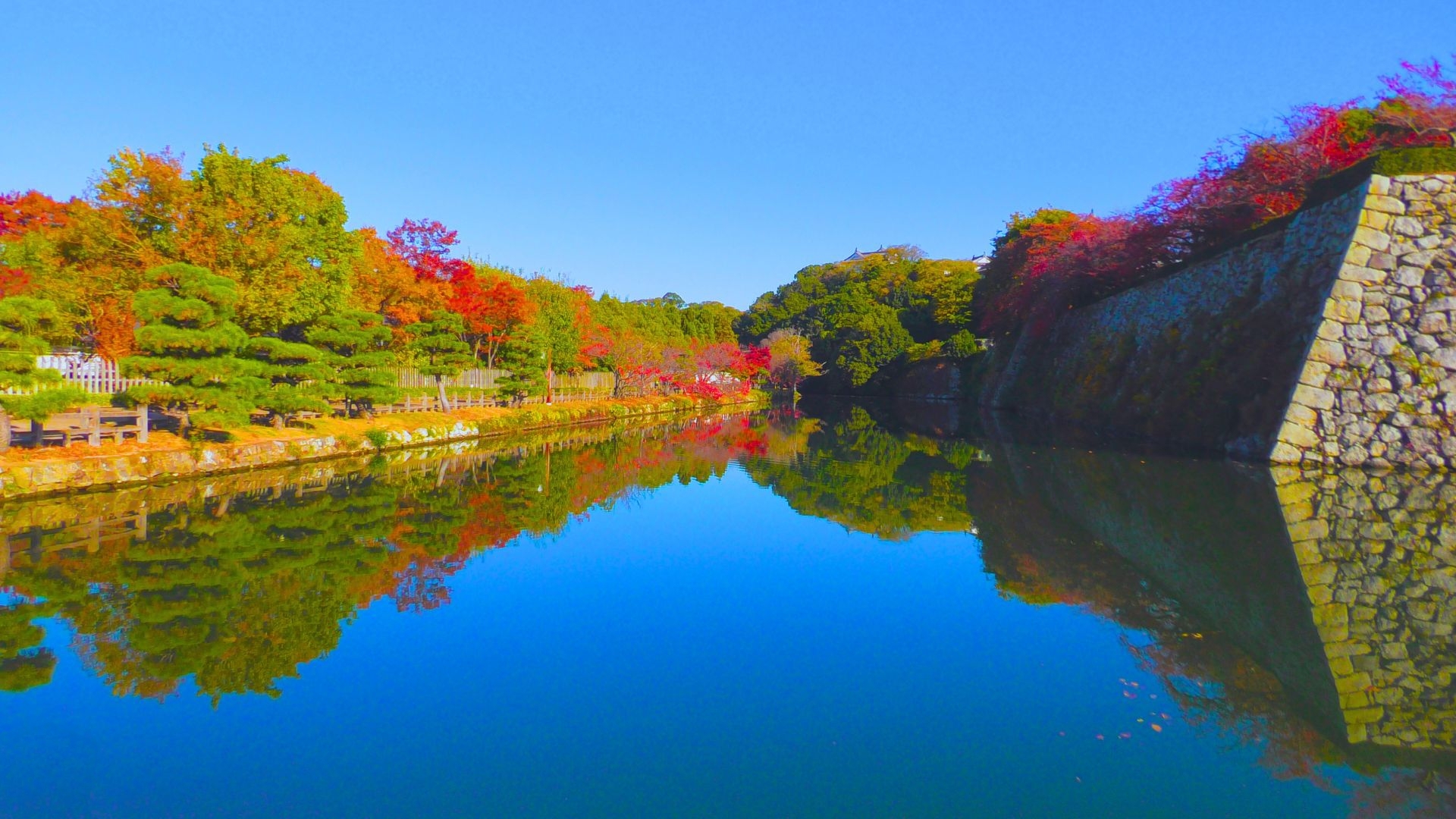
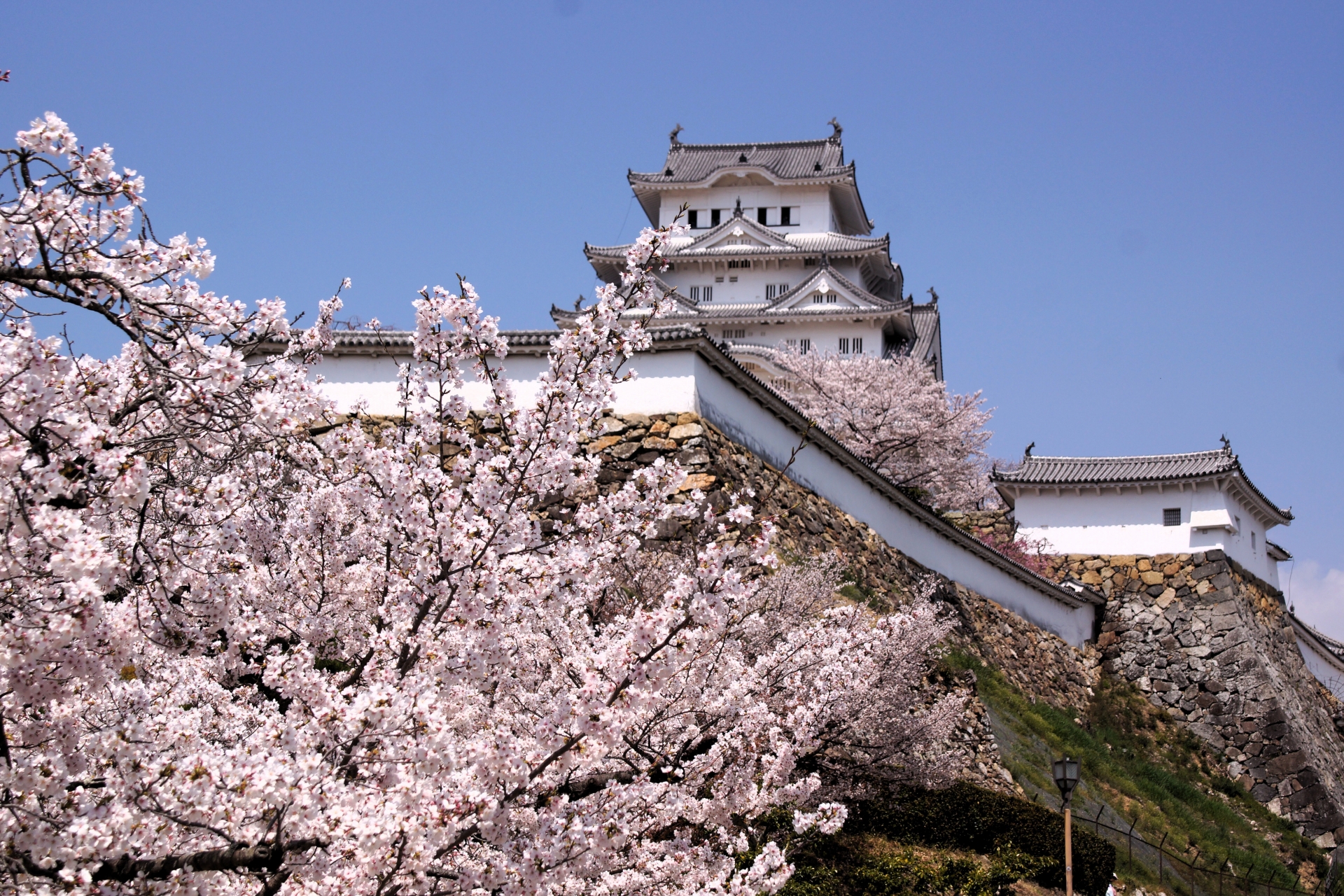
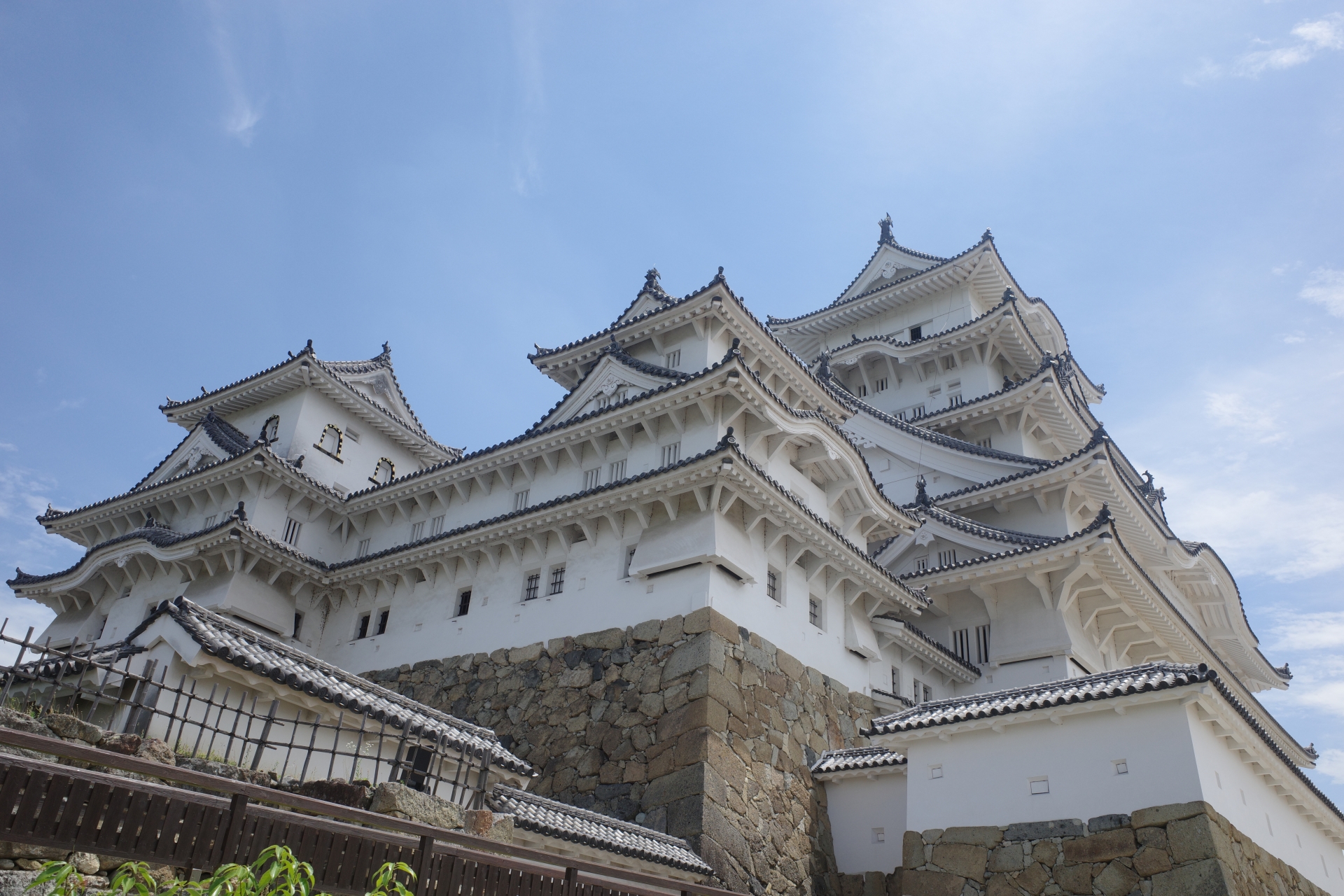
The Great Keep (Daitenshu)
Ascend through the labyrinthine corridors of the main keep, where the air grows cooler and the wood smoother underfoot. The architectural genius of the 1600s reveals itself in massive heart-pillars and hidden 'ishi-otoshi' windows for dropping stones. Reaching the top floor, you are rewarded with a panoramic vista that once belonged only to lords, overlooking the sprawling city to the distant, shimmering Seto Inland Sea. It is a tactile encounter with the sheer might of the Tokugawa era.
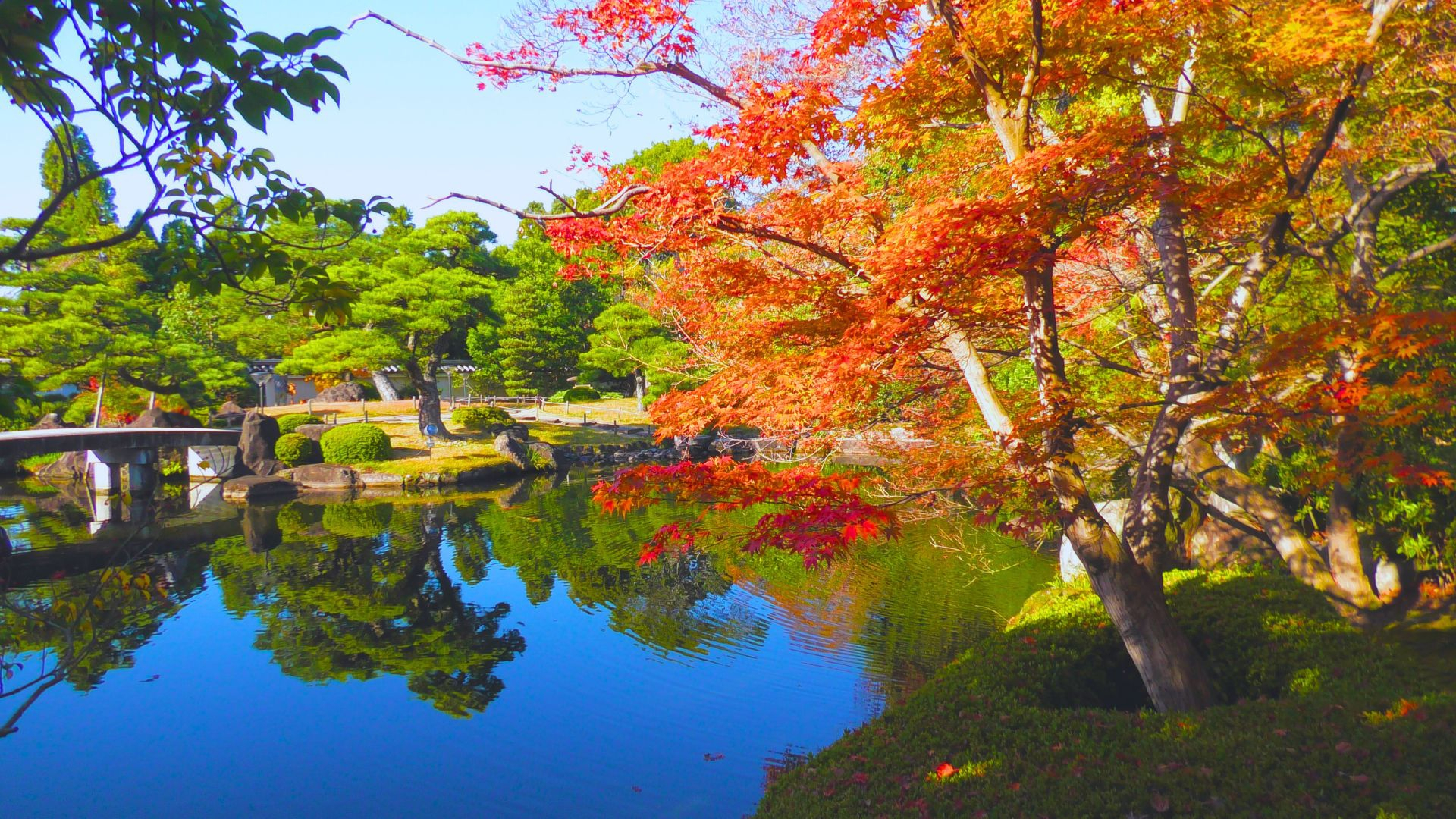
Koko-en Garden
Located just across the moat, Koko-en is a masterpiece of nine distinct walled gardens built upon the former site of the Lord’s West Residence. The sound of trickling waterfalls and the sight of vibrant koi breaking the surface of emerald ponds offer a sensory reset. Each garden, from the 'Garden of Summer Trees' to the 'Garden of Bamboo,' is a curated meditation on the seasons. It is the perfect place to witness the vibrant 'koyo' (autumn leaves) or the delicate lace of spring greenery.
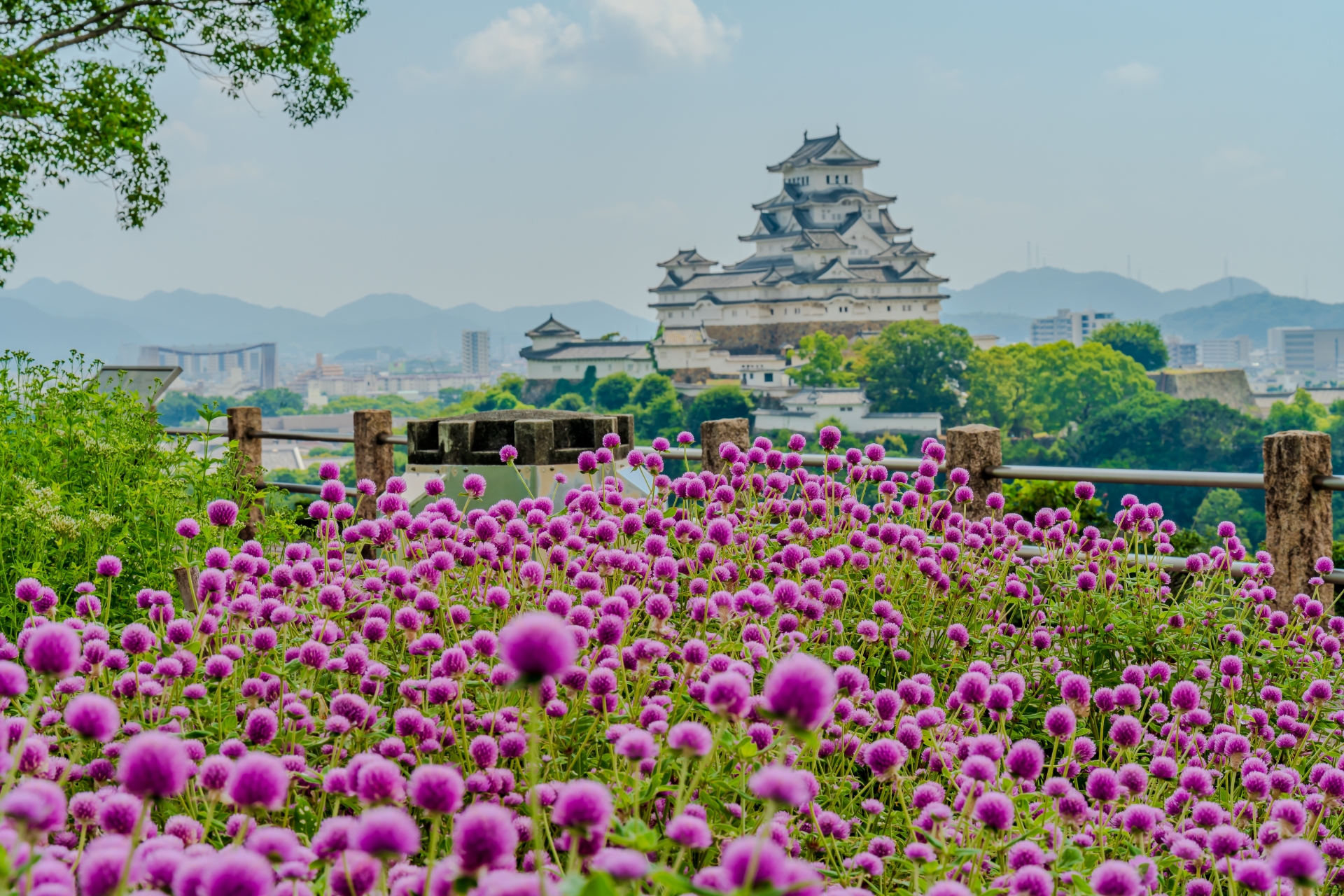
Otokoyama Haisuiike Park
For the most breathtaking, unobstructed view of the White Heron, climb the 198 stone steps of Otokoyama. This hidden hilltop sanctuary offers a perspective few tourists ever see. From this vantage point, the castle appears to float above the city skyline, especially during the golden hour when the white walls soak up the honeyed hues of the setting sun. It is a place of quiet contemplation, far removed from the bustling tour groups below, where the scale of the fortress truly humbles the soul.
Local Soul Food
Tastes you can't find anywhere else.
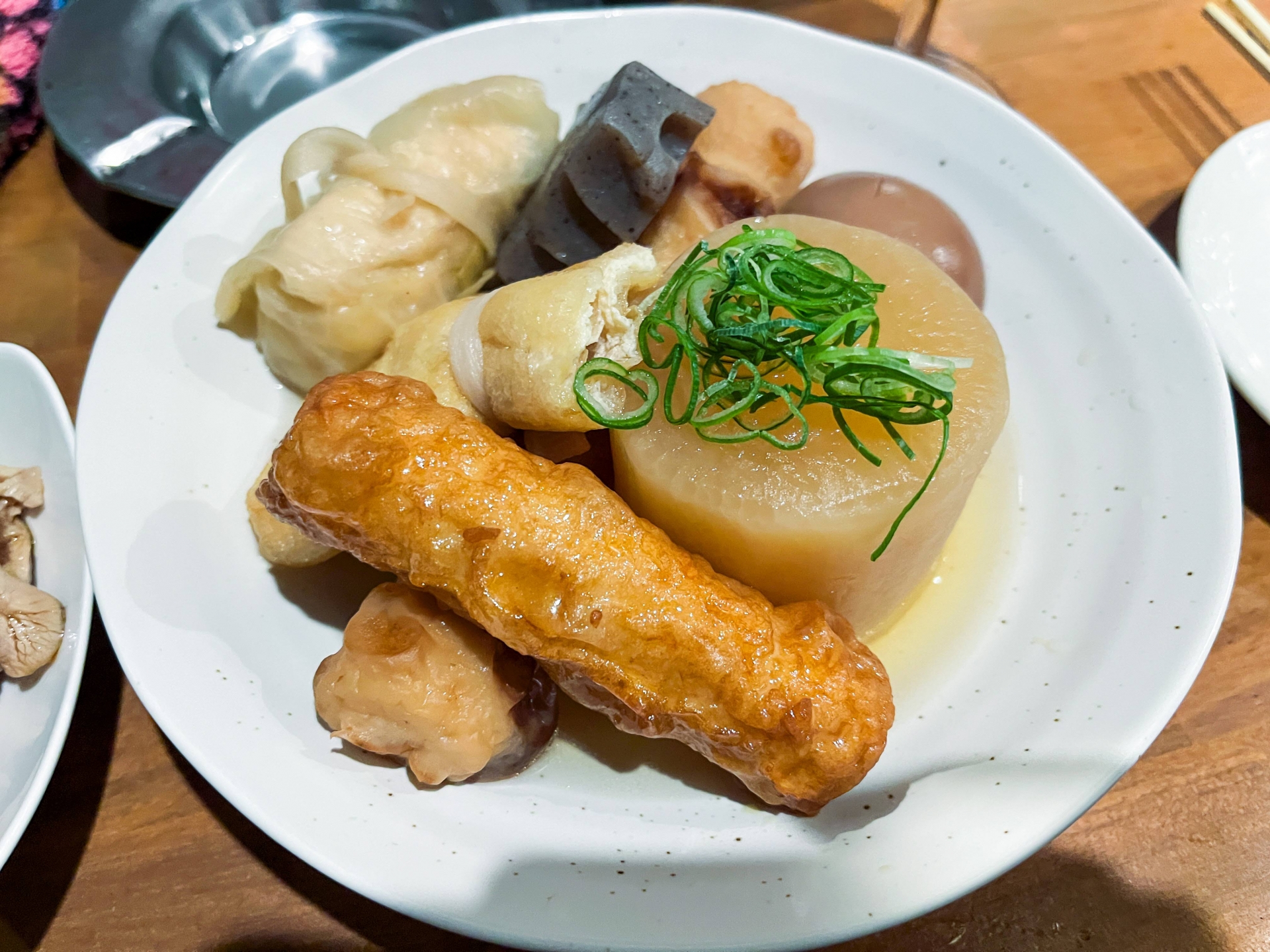
Himeji Oden with Ginger Soy Sauce
Unlike any other oden in Japan, Himeji’s version is defined by a punchy, aromatic ginger soy sauce drizzled over slow-simmered ingredients. Imagine the buttery melt of a daikon radish that has absorbed savory dashi for hours, spiked with the sharp, warming heat of freshly grated ginger. It is a soul-warming dish that awakens the palate and provides a comforting contrast to the crisp castle air.
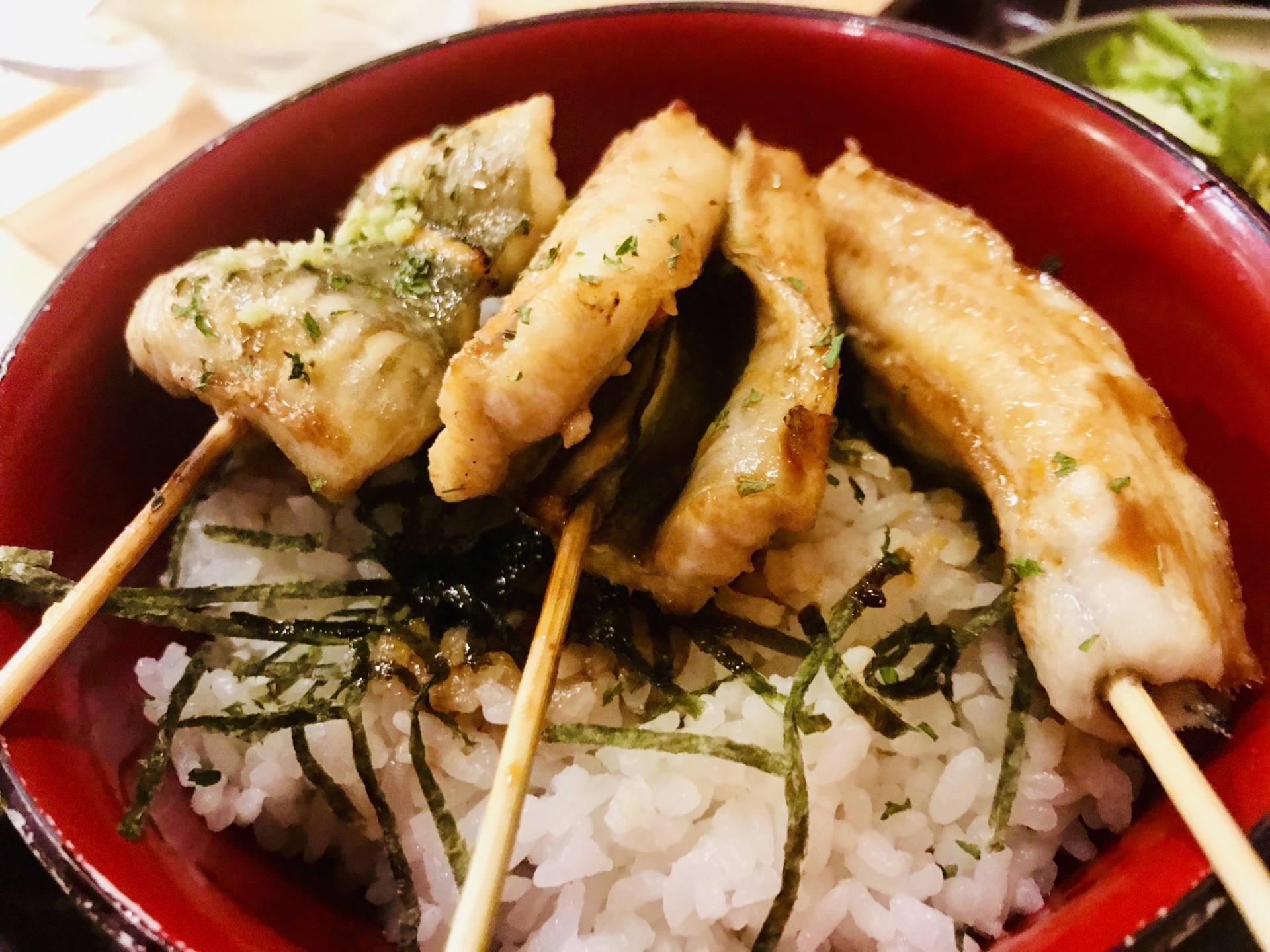
Grilled Anago (Conger Eel) Rice
Himeji is famed for its Anago, which is leaner and more delicate than its cousin, Unagi. The eel is charcoal-grilled until the skin is slightly crisp and the flesh is tender, then glazed with a sweet, umami-rich tare sauce. Served over a bed of fluffy steamed rice, the smoky aroma and the subtle sweetness of the eel create a refined dining experience that feels quintessentially Japanese.
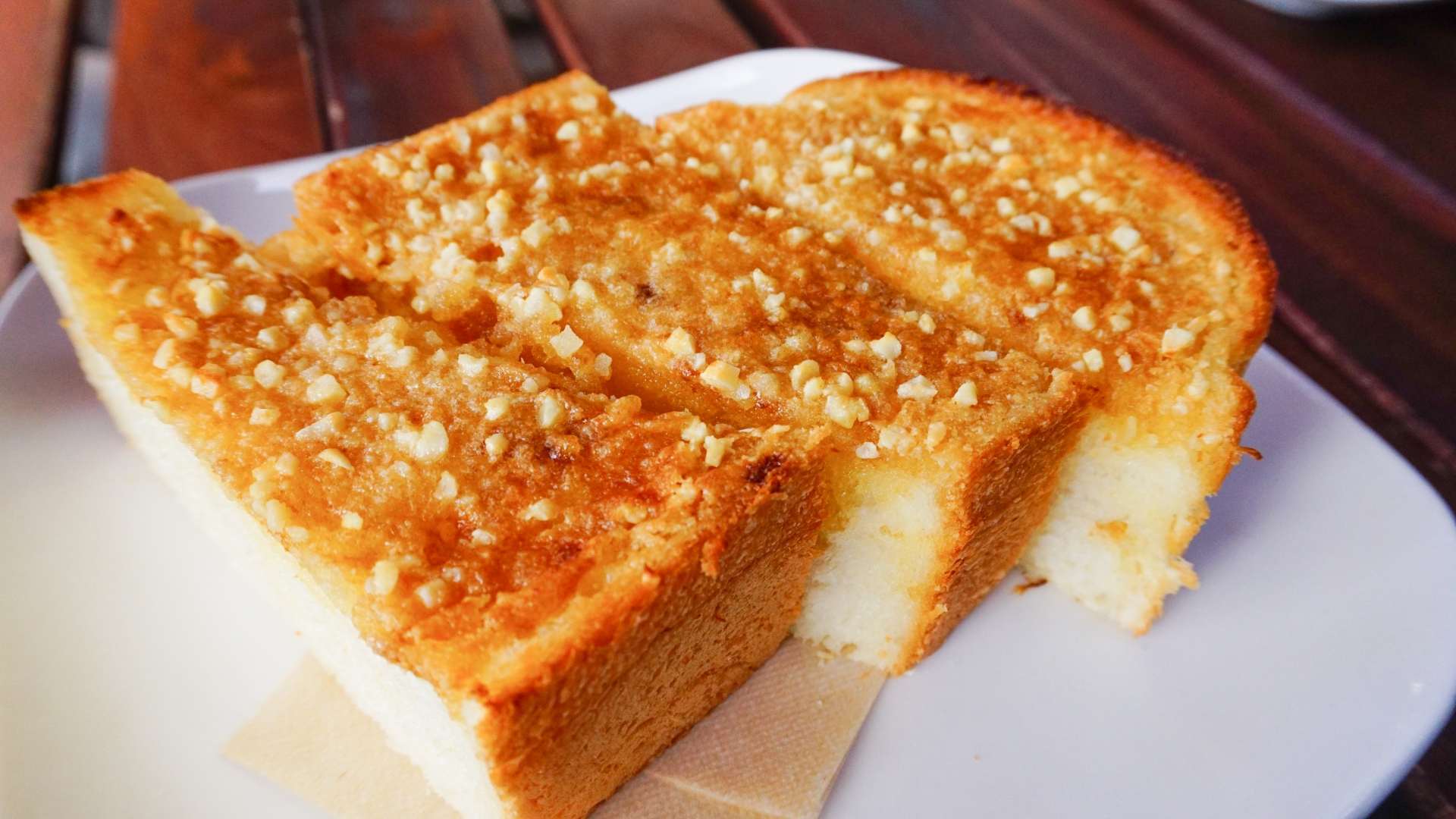
Almond Toast
A quirky and beloved staple of Himeji’s 'morning service' culture. Thick slices of shokupan (milk bread) are slathered in a decadent, homemade almond butter containing crushed nuts and sugar, then toasted until bubbling and caramelized. The result is a sensory delight: the crunch of the nuts, the softness of the bread, and a warm, toasted aroma that fills the local kissaten (coffee shops).
Premium Stays
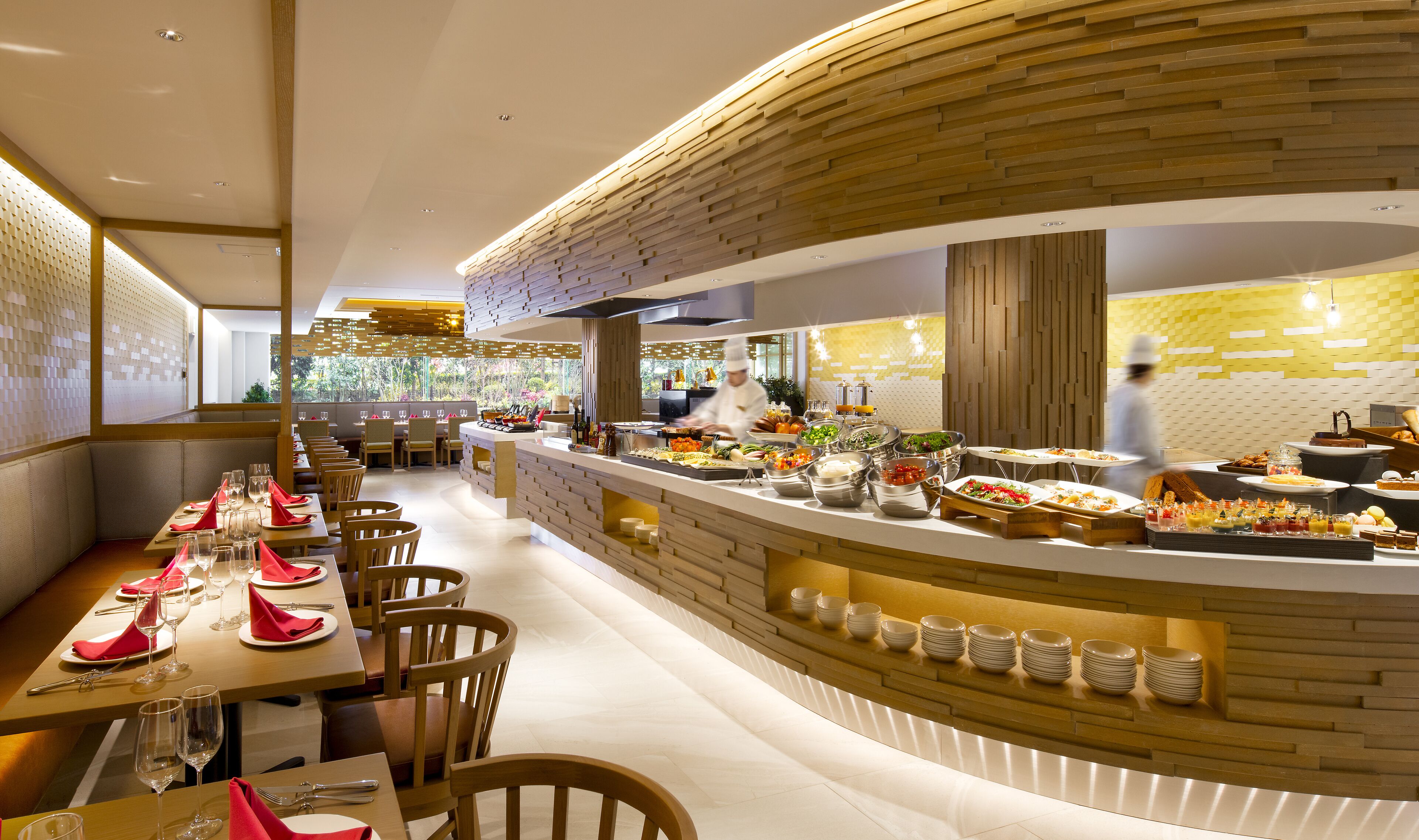
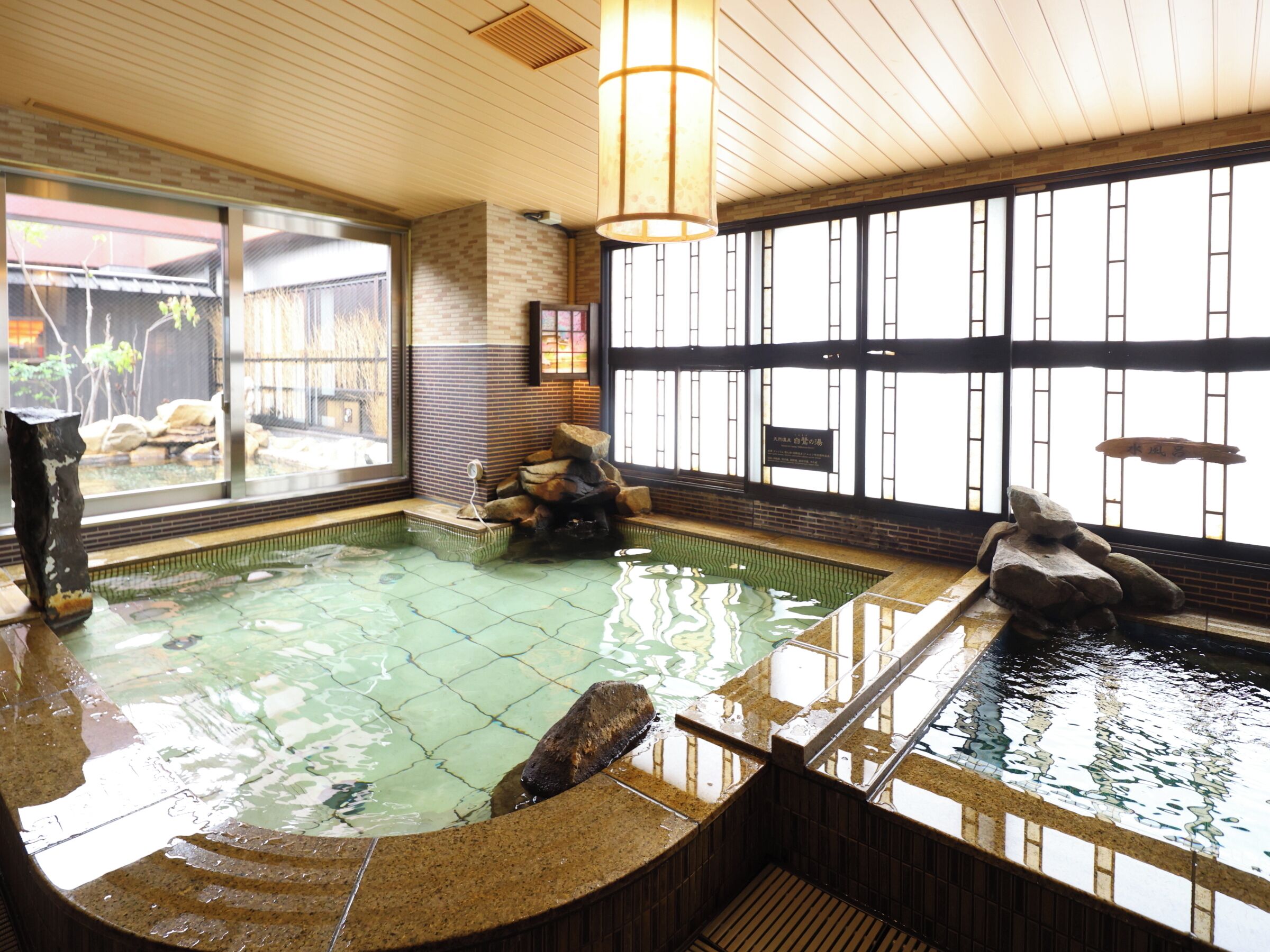
For the ultimate Himeji experience, stay within walking distance of the station or the castle's southern gate. The area around the station offers modern convenience and easy access to the Shinkansen, while stays closer to the castle provide enchanting nighttime views of the illuminated fortress.

Getting There
Himeji is a primary stop on the JR Sanyo Shinkansen line. From Osaka or Kyoto, the 'Nozomi' or 'Sakura' trains reach Himeji in 30-45 minutes. From Himeji Station, the castle is a straight, 15-minute walk north along Otemae-dori Street, or a 5-minute loop bus ride.
FAQ
Inspired?
Share this destiny with someone special.