Iwate
Welcome to Morioka Castle Park
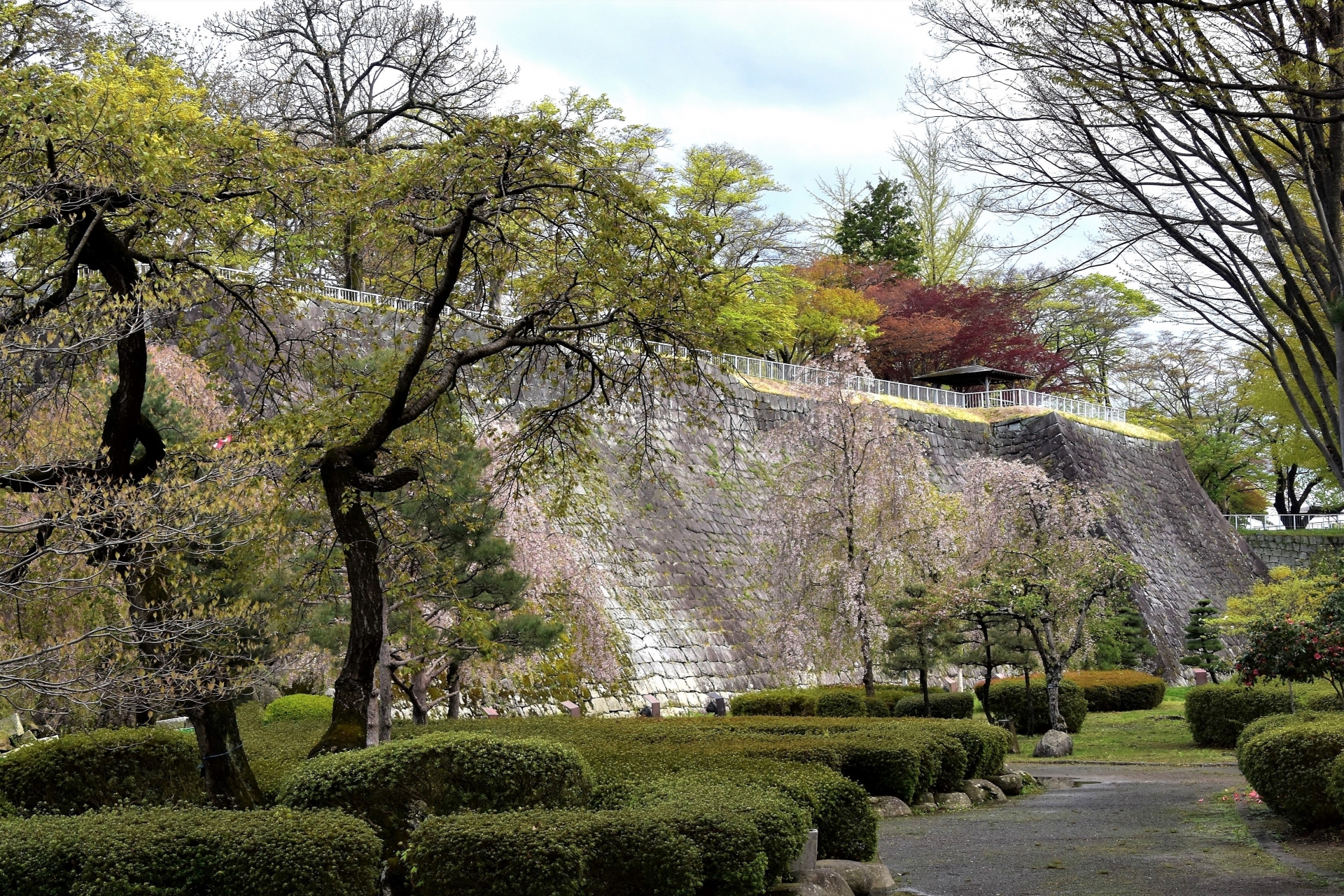
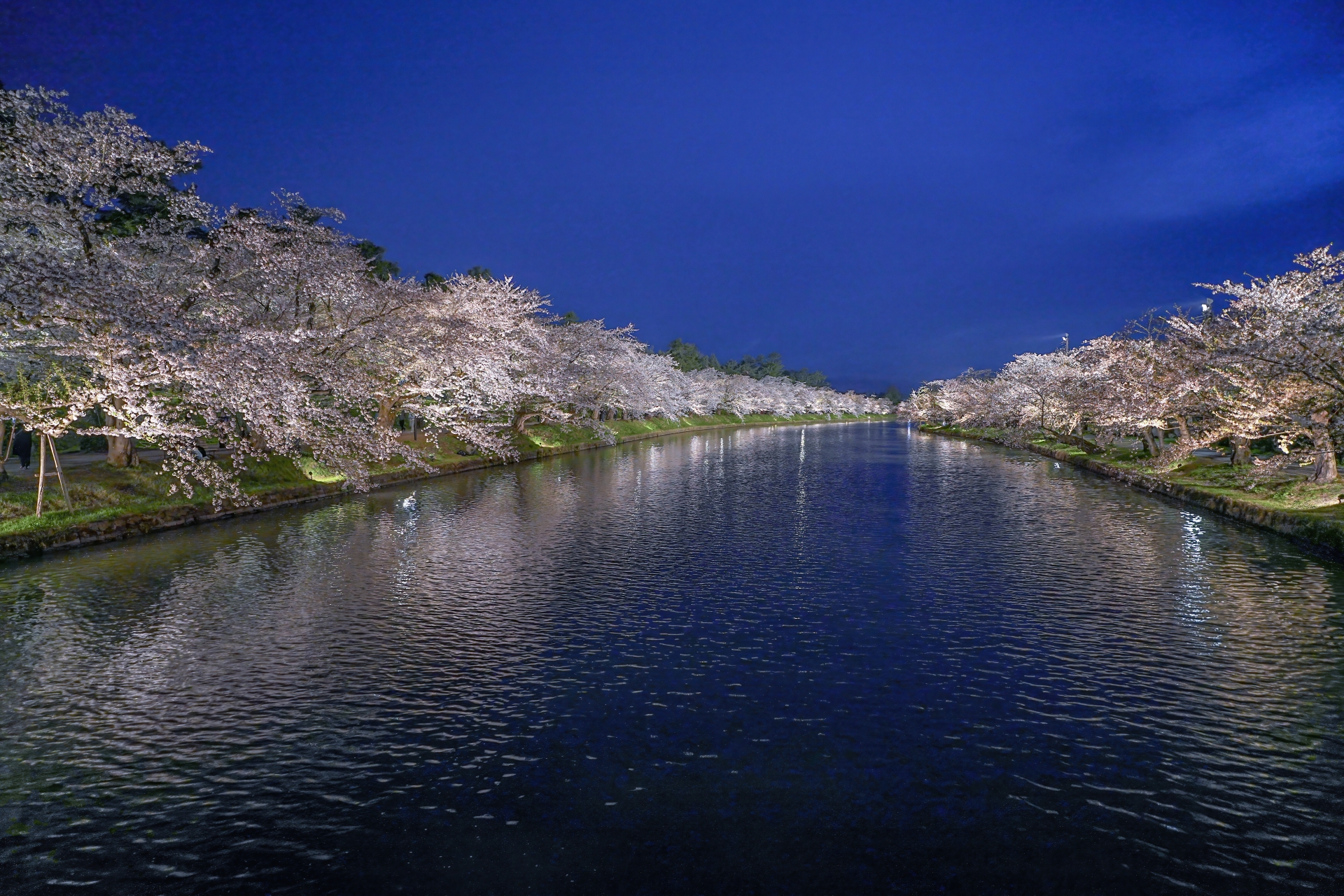
In the heart of Morioka lies a sanctuary where history isn't just remembered; it is felt through the soles of your feet. Morioka Castle Park, once the seat of the powerful Nambu Clan, is a masterpiece of stonework and seasonal alchemy. As you wander through the labyrinthine ruins, the scent of damp moss mingles with the crisp, mountain air descending from Mt. Iwate. There is a profound weight to the atmosphere here—a quiet dignity found in the massive interlocking granite blocks that have withstood centuries of northern winters. Whether bathed in the ephemeral pink of 200 cherry trees or draped in a silent shroud of snow, the park offers a sensory journey into Japan’s feudal soul, inviting travelers to slow down and listen to the echoes of the past.
The Great Granite Ramparts
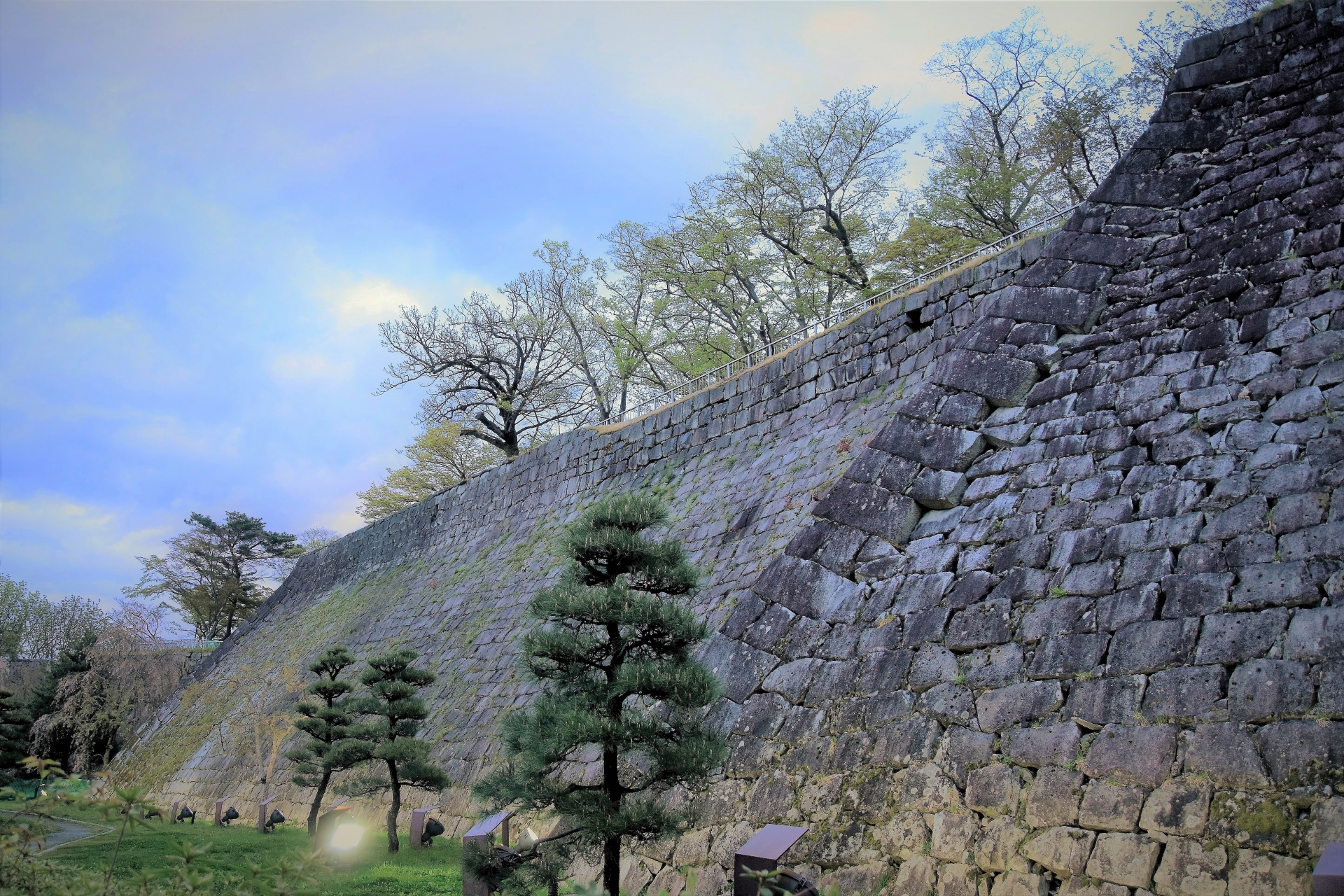
Unlike many Japanese castles that rely on wood, Morioka is defined by its staggering stone fortifications. These walls, crafted from local granite, exhibit the sophisticated 'Nozura-zumi' and 'Uchikomi-hagi' stacking techniques. Running your hand across the cool, rough surface, you feel the tactile legacy of the Edo period. The sheer scale of the ruins, devoid of a central keep, creates a hauntingly beautiful skeletal landscape that allows the imagination to rebuild the majestic towers that once overlooked the Nakatsu River.
Sakurayama Shrine & Eboshi-iwa
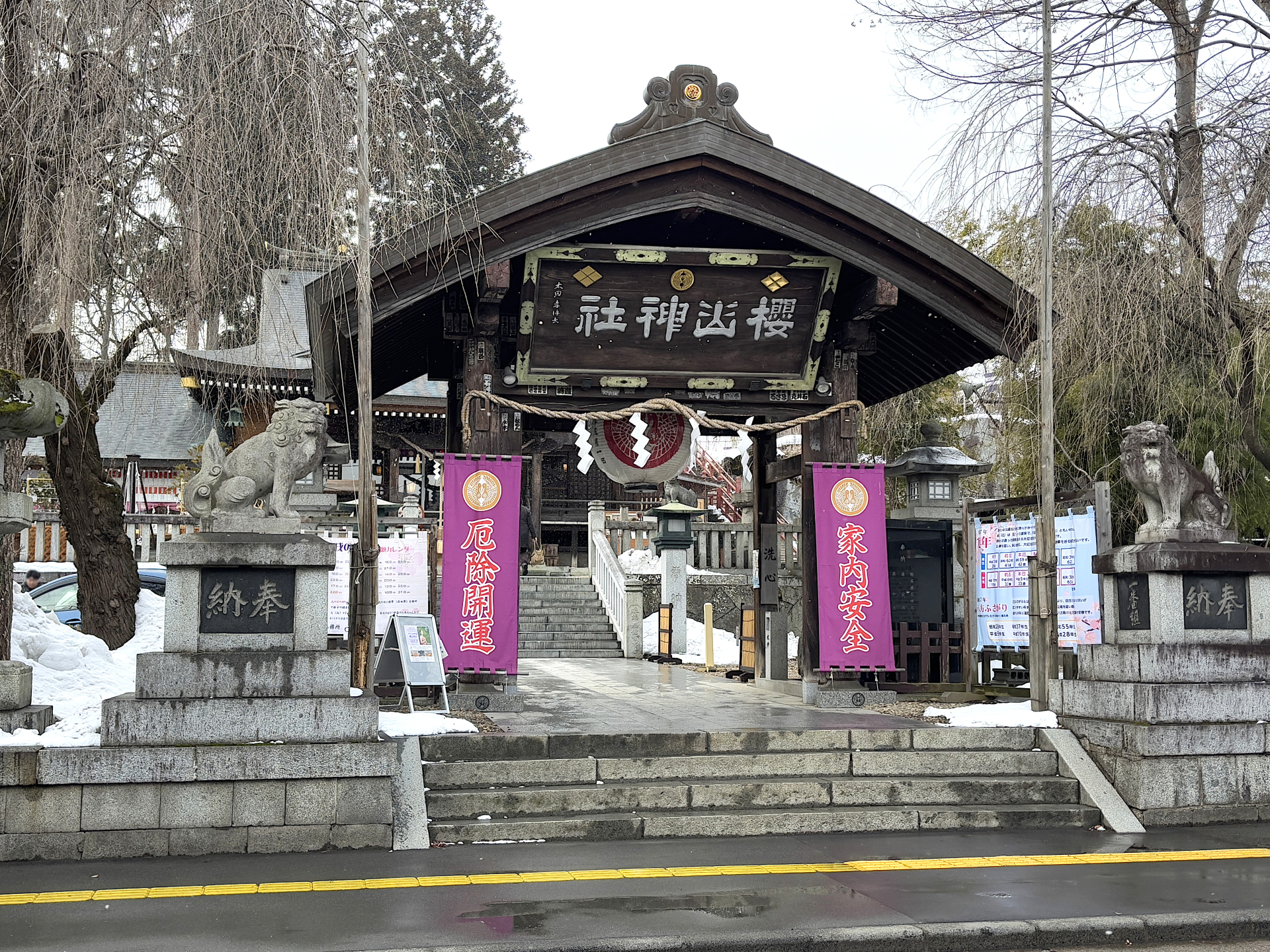
Nestled at the base of the castle ruins, Sakurayama Shrine is a spiritual anchor for the city. Its most striking feature is the Eboshi-iwa, a colossal rock shaped like a samurai's court cap. This 'power spot' radiates an undeniable energy; locals come here to offer prayers for protection and prosperity. The air is thick with the sweet, woody aroma of incense, while the bright vermilion accents of the shrine architecture provide a stunning contrast to the grey granite and deep green foliage of the surrounding park.
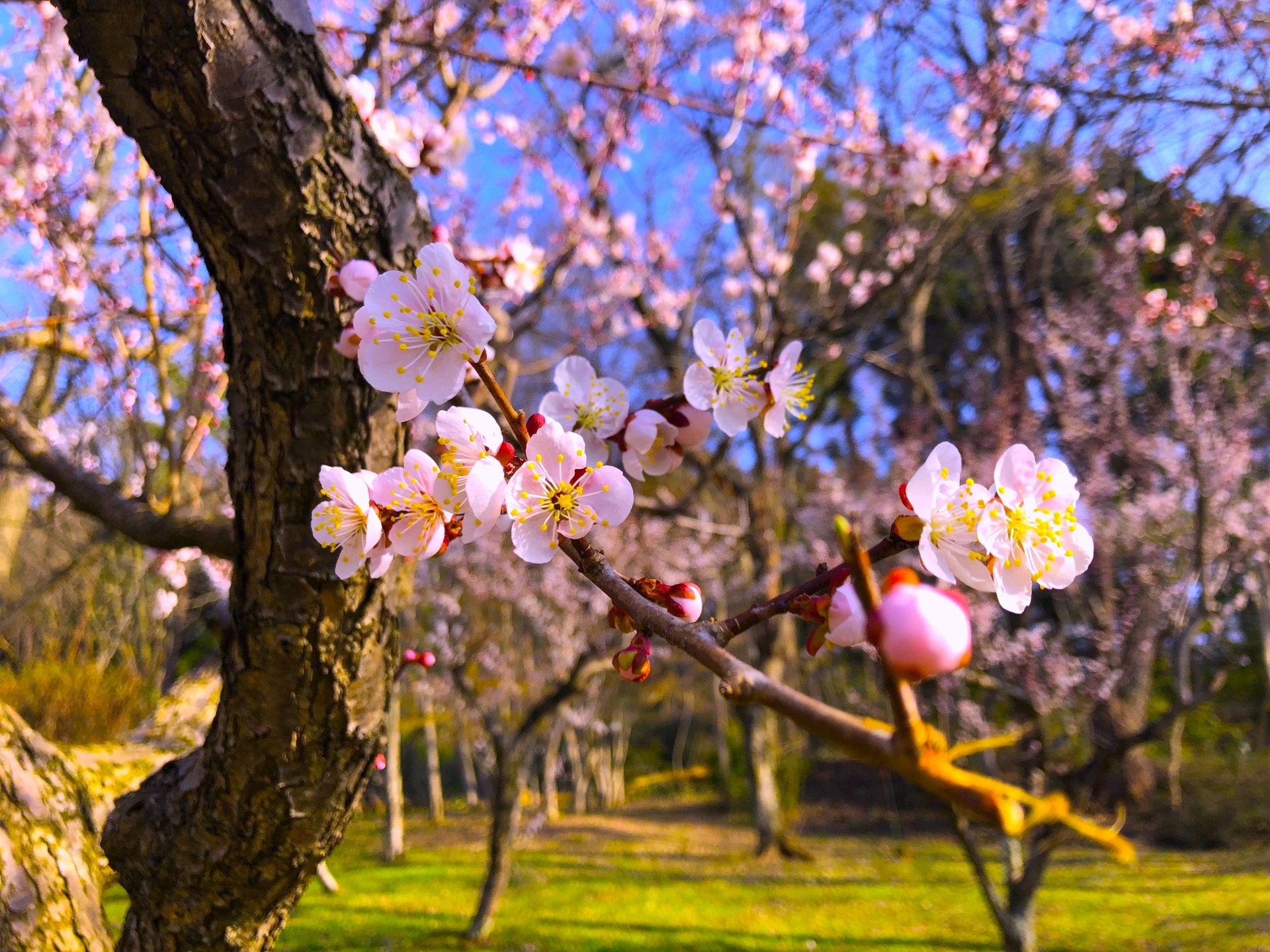
The Plum Grove & Viewpoint
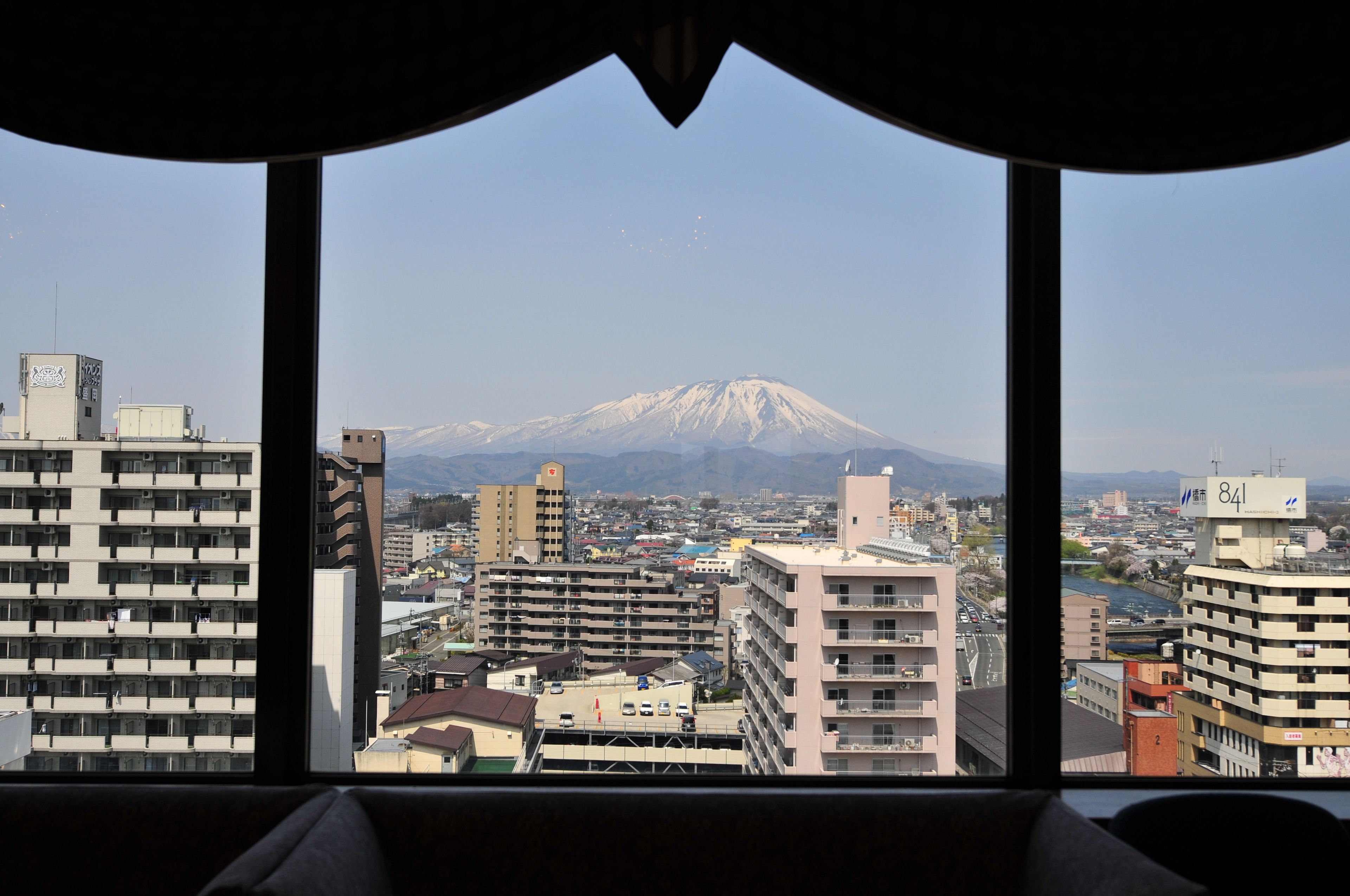
On the western edge of the park, the Plum Grove offers a delicate sensory counterpoint to the rugged stone walls. In early spring, the air is perfumed with the honeyed scent of blossoms. From this vantage point, the park opens up to reveal a breathtaking panorama of the Shizukuishi River and the distant, snow-capped peak of Mt. Iwate. It is a place of profound stillness, where the modern city's hum fades, replaced by the rustle of leaves and the distant tolling of temple bells.
Local Soul Food
Tastes you can't find anywhere else.
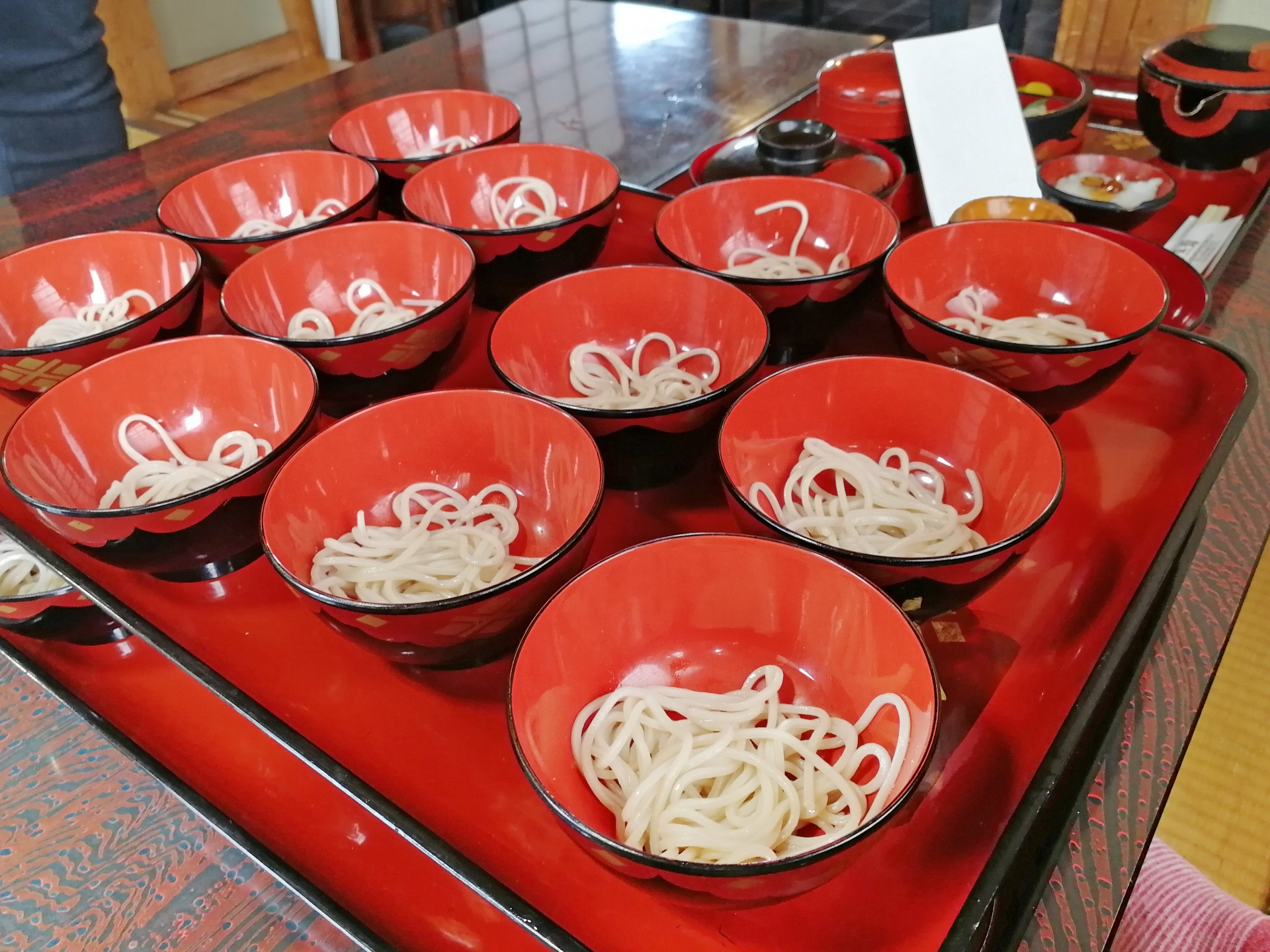
Wanko Soba
A culinary performance like no other. Small bowls of silky, buckwheat noodles are served in rapid succession to the rhythmic chant of 'Hai, don-don!' from the server. The steam from the dashi-rich broth carries notes of soy and bonito, while the smooth texture of the noodles provides a satisfying slurp. It is an exhilarating, communal feast that tests your appetite and warms your spirit.
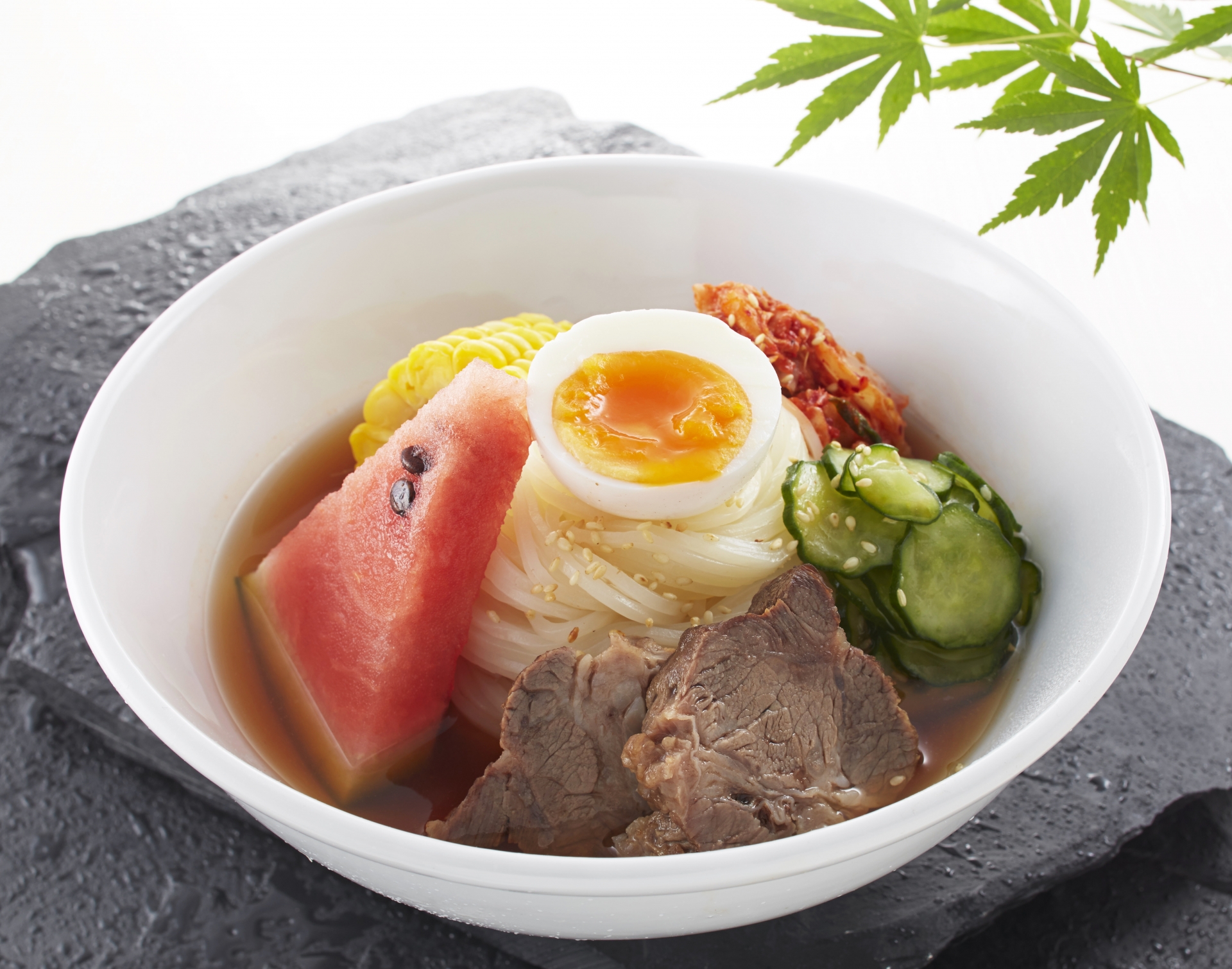
Morioka Reimen
A refreshing masterpiece of texture and spice. These translucent, starch-based noodles possess an incredible, rubbery chew that is addictive. Served in a chilled, rich beef broth with a side of pungent kimchi and a slice of seasonal fruit like watermelon or pear, the dish is a symphony of sweet, sour, and spicy notes that dance on the palate. The cold temperature makes every bite incredibly crisp.
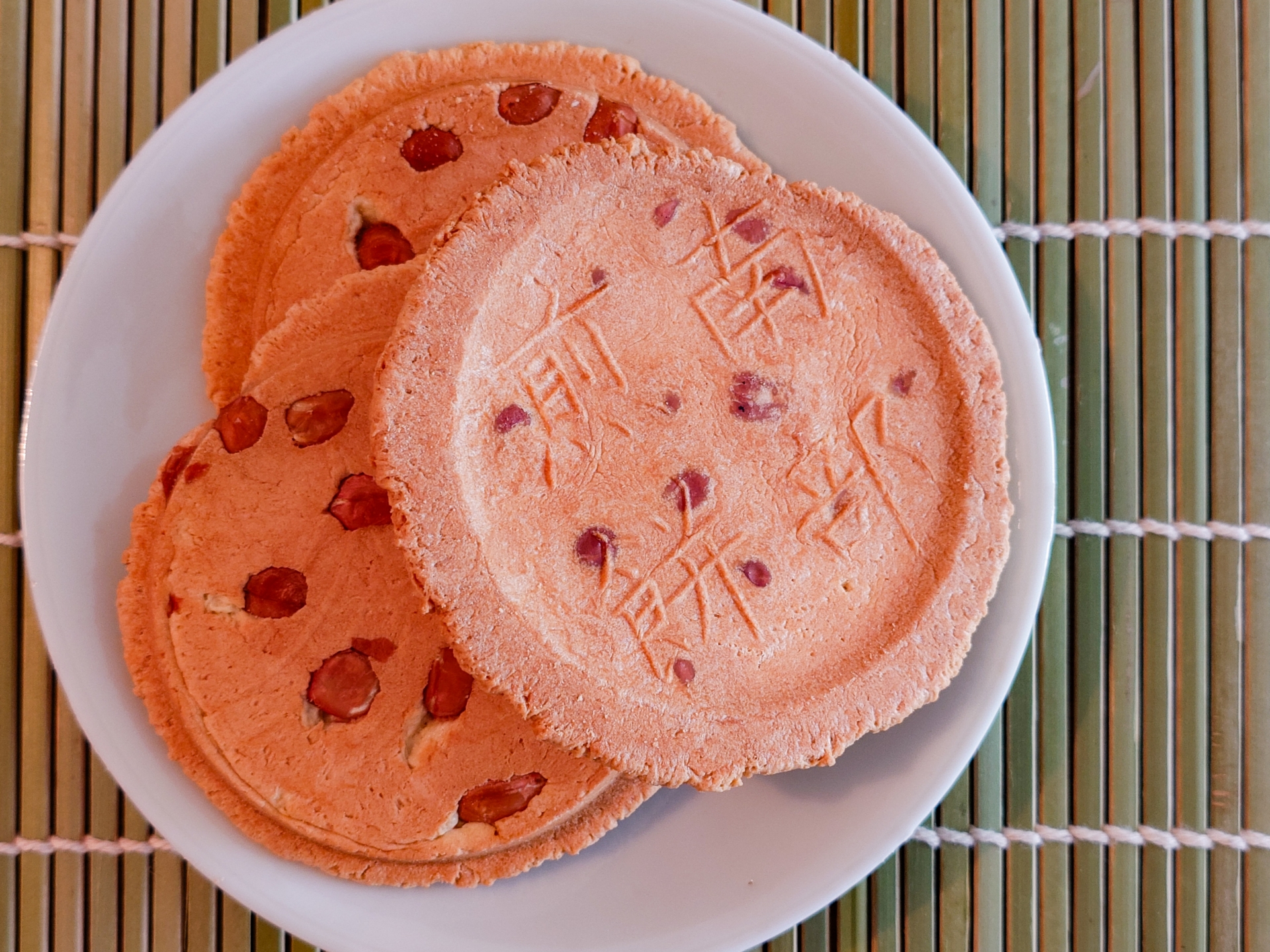
Nambu Senbei
The rustic soul of Iwate in cracker form. These wheat crackers are toasted to a perfect snap, releasing the earthy aroma of roasted sesame seeds or the buttery richness of peanuts. Unlike the salty soy crackers of the south, Nambu Senbei have a subtle, wheaty sweetness and a satisfyingly hard crunch. Watching them being hand-pressed in cast-iron molds is a visual and olfactory treat.
Premium Stays
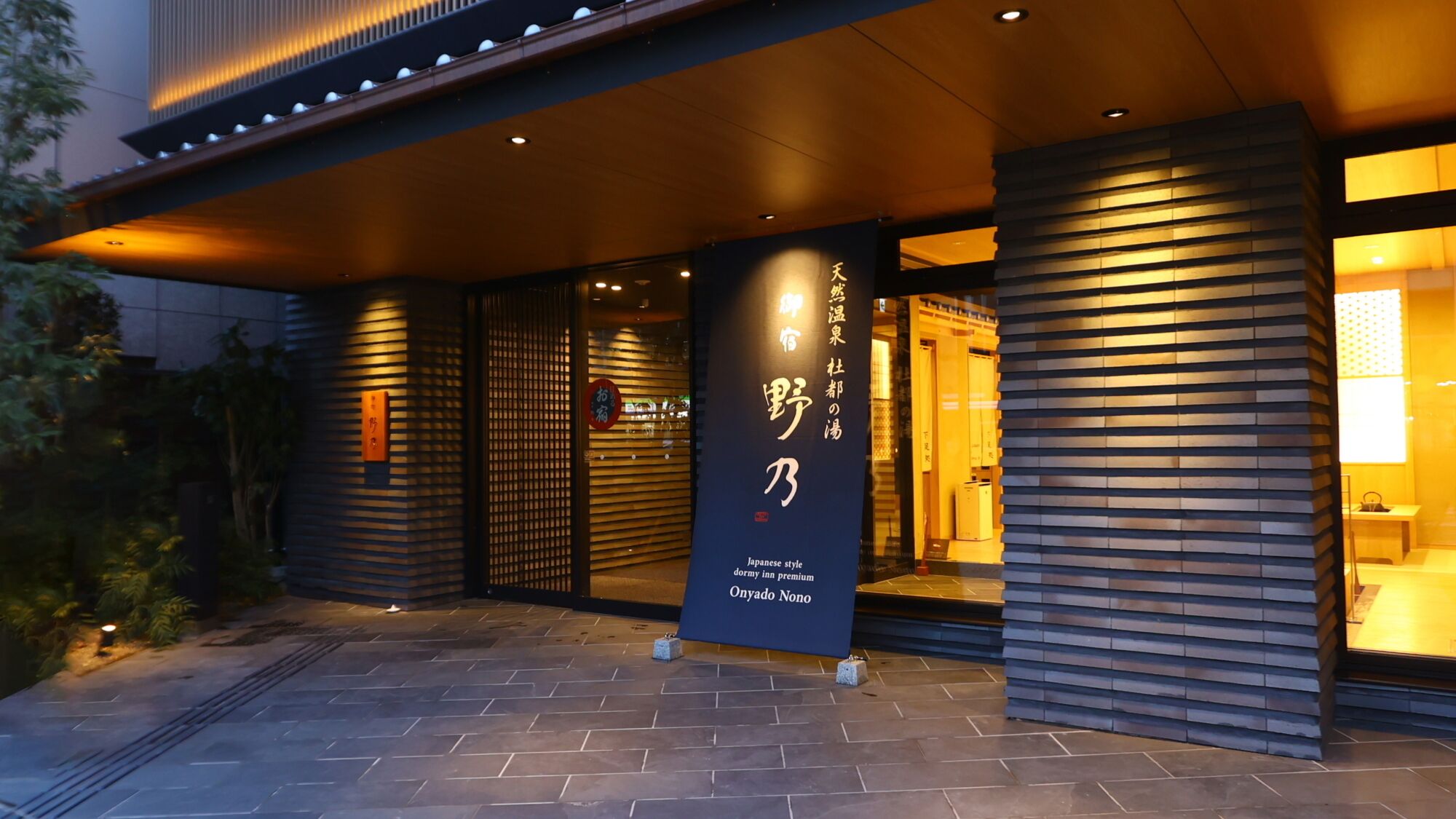
For the ultimate Morioka experience, stay in the central district near the park. This allows you to witness the castle ruins at dawn and enjoy the vibrant 'Nagasaka' nightlife, where hidden bars serve world-class Iwate sake.

Getting There
Morioka Castle Park is a 15-20 minute walk from JR Morioka Station. Alternatively, take the 'Den-den Mushi' loop bus which runs every 10-15 minutes and drops you directly at the 'Morioka-jo Ato Koen' stop.
FAQ
Inspired?
Share this destiny with someone special.