Kanagawa
Welcome to Yokohama Chinatown
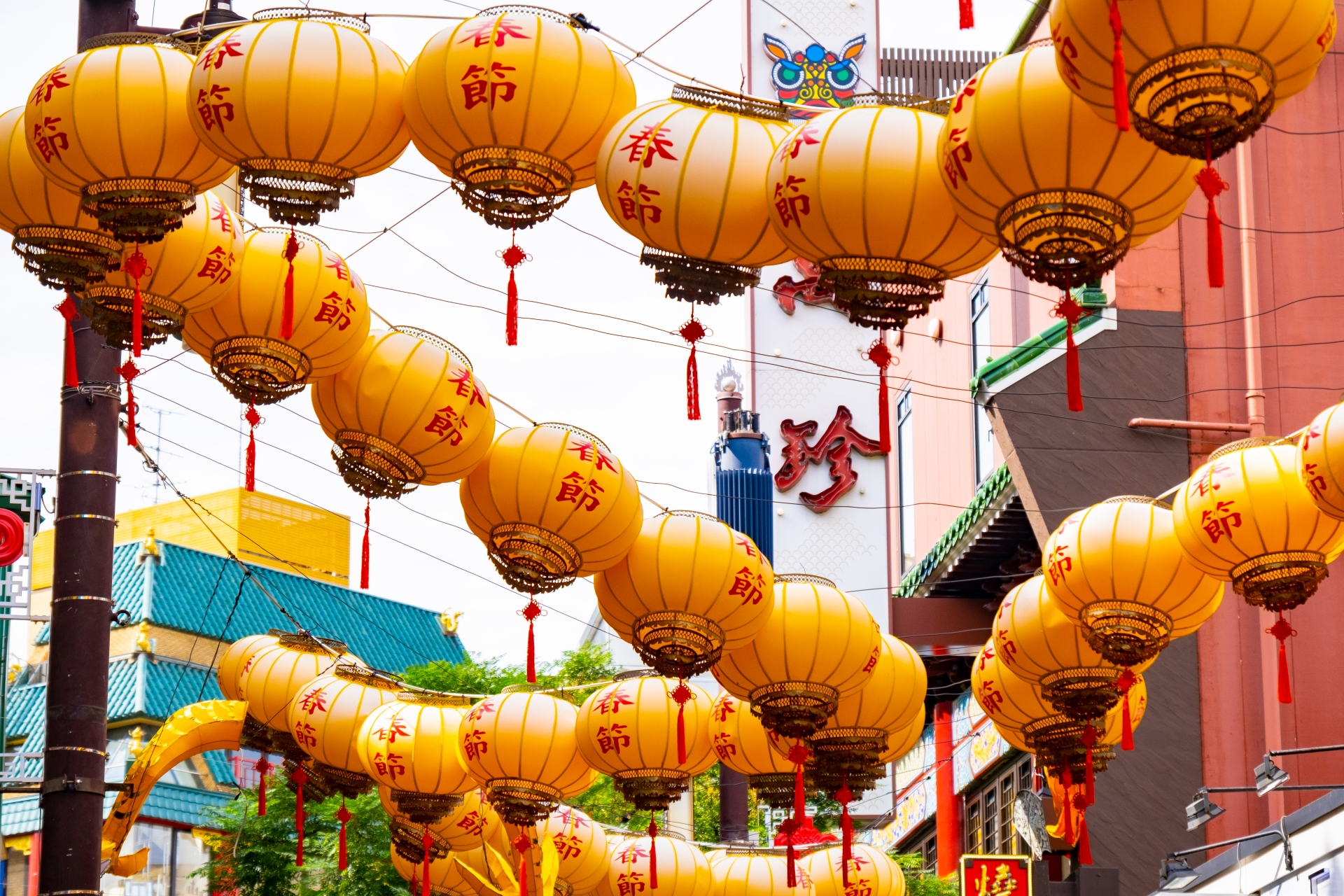
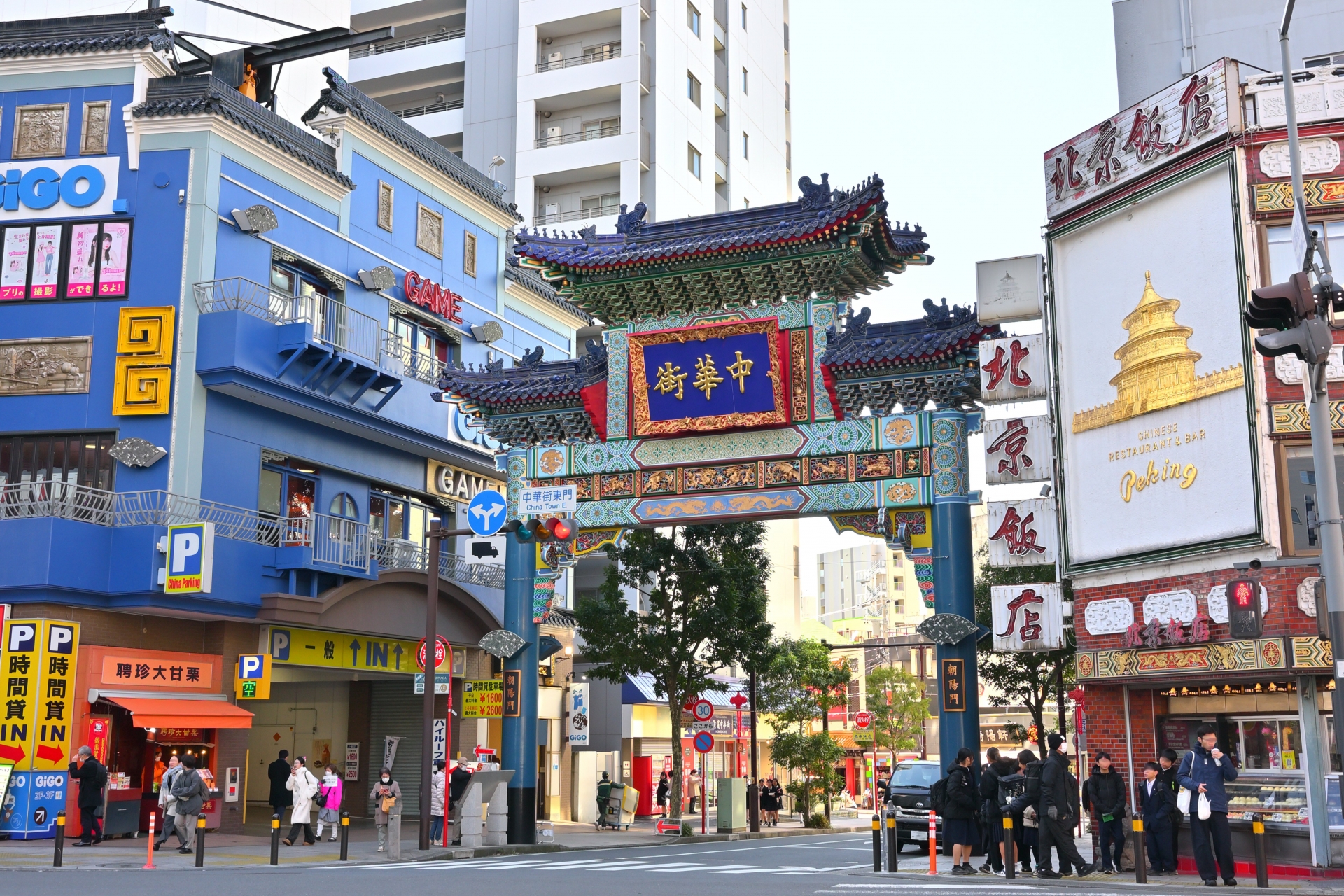
Step through the towering Paifang gates and leave the modern world behind. Yokohama Chinatown is not merely a district; it is a living, breathing kaleidoscope of history and flavor. As the largest Chinatown in Asia, it offers a sensory overload where the scent of burning sandalwood incense from hidden temples mingles with the irresistible aroma of roasting Peking duck. The air is thick with the sound of clashing woks and the distant chime of temple bells. Here, the saline mist of the nearby Yokohama Bay meets the vibrant energy of narrow alleys draped in crimson and gold. This is a place where every corner turned reveals a new secret, from centuries-old spiritual sanctuaries to the buttery melt of premium sea urchin dumplings, promising an experience that lingers long after the sun sets over the harbor.
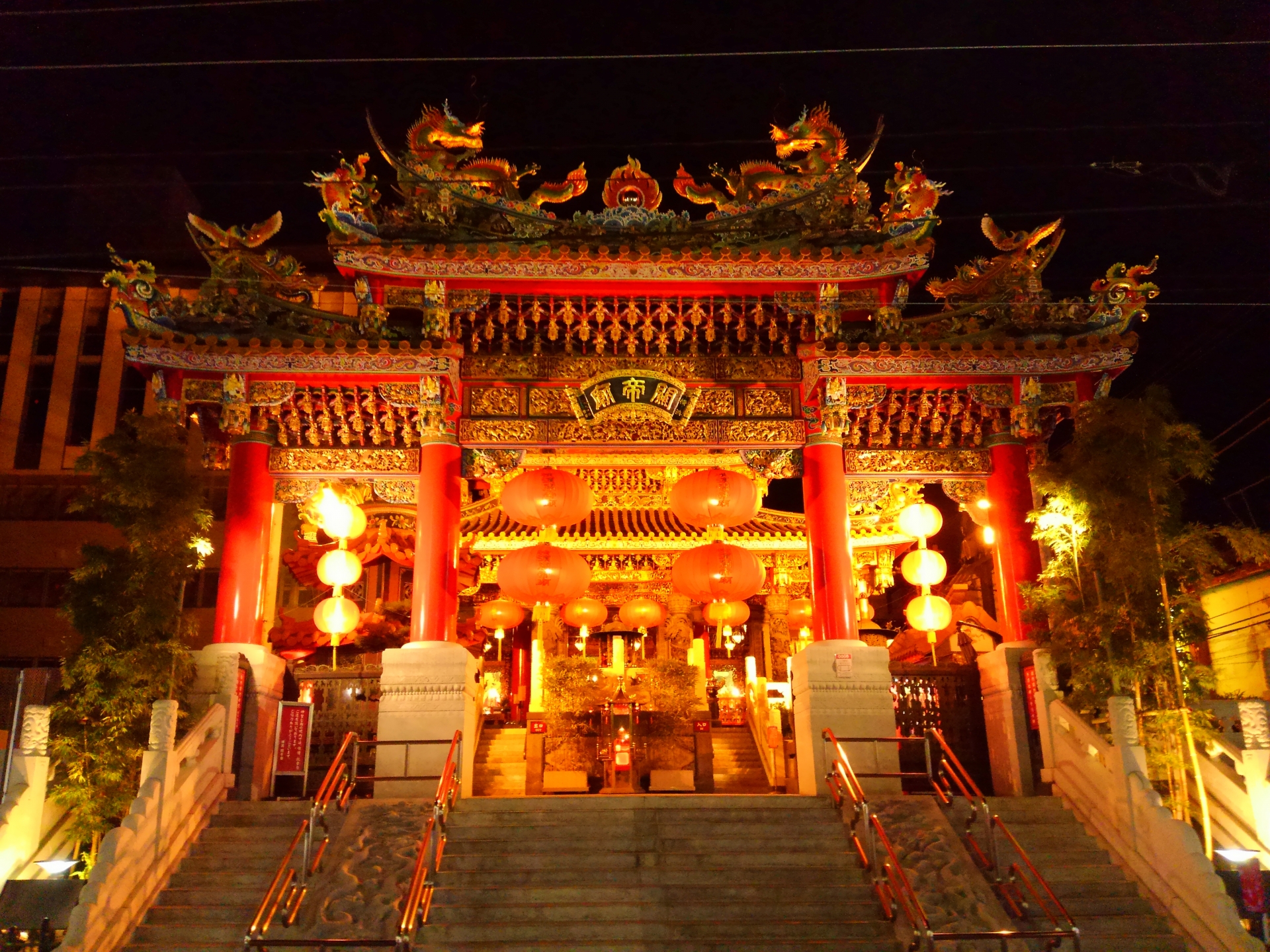
Kanteibyo (Guan Yu Temple)
Beneath the glittering gold-leaf eaves of Kanteibyo, the air is heavy with the sacred scent of oversized incense sticks. This architectural masterpiece, dedicated to the god of prosperity and business, is a riot of vermilion and emerald. Observe the intricate dragon carvings that seem to writhe in the flickering candlelight. Visitors often find a profound sense of peace here, amidst the rhythmic shaking of fortune sticks. It is a spiritual anchor for the community, where the weight of history and the hope of the future converge in a stunning display of craftsmanship.
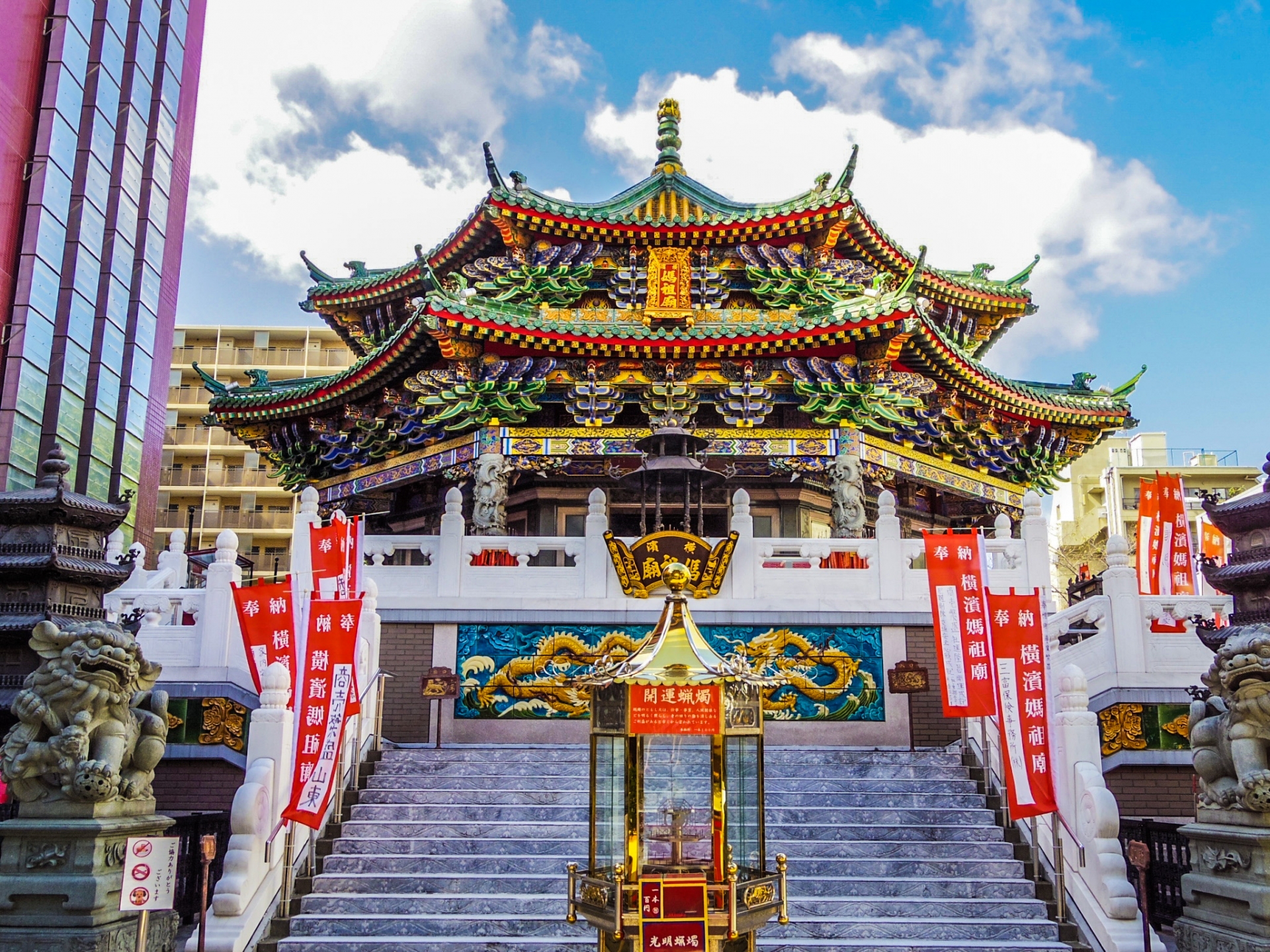
Mazu-miao (Goddess of the Sea Temple)
A sanctuary of celestial blue and intricate stone, Mazu-miao honors the protector of seafarers. The temple's octagonal structure is a marvel of traditional geometry, featuring delicate carvings that depict myths of the ocean. As you walk the perimeter, the sound of the city fades, replaced by the soft rustle of prayer ribbons. The spiritual energy here is softer than at Kanteibyo, focusing on protection and safe passage. It is an essential stop for those seeking a moment of quiet reflection amidst the bustling energy of the surrounding market streets.
Yamashita Park
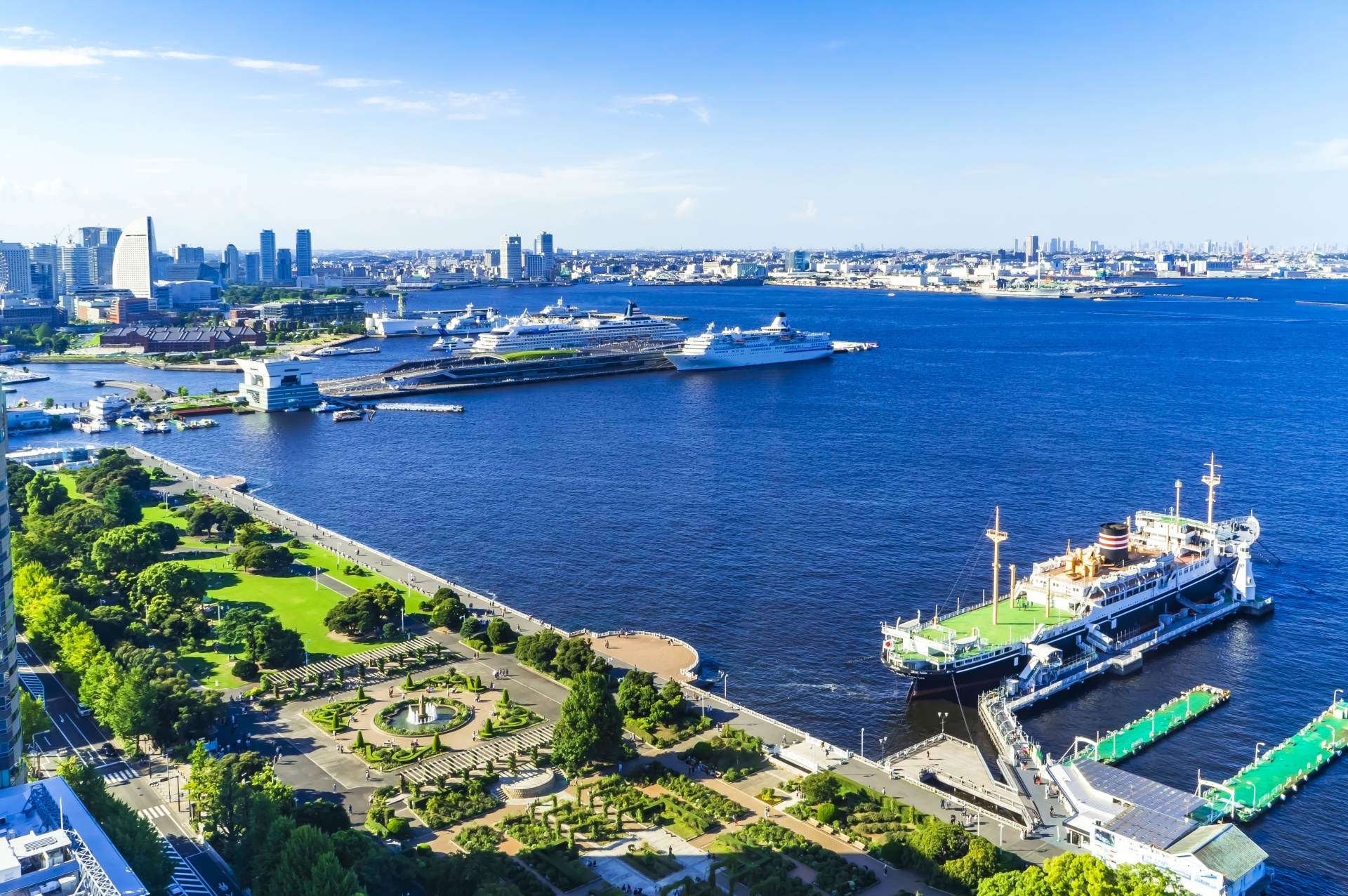
Just a short stroll from the Chinatown gates, Yamashita Park offers a breathtaking contrast to the dense urban streets. This waterfront promenade is where the saline mist of the bay truly comes alive. Watch the majestic Hikawa Maru ocean liner rest gracefully at the pier while the sea breeze cools your skin. The manicured rose gardens provide a floral backdrop to the panoramic views of the Minato Mirai skyline. It is the perfect place to decompress after a day of culinary exploration, offering wide-open spaces and the soothing rhythm of the waves.
Local Soul Food
Tastes you can't find anywhere else.
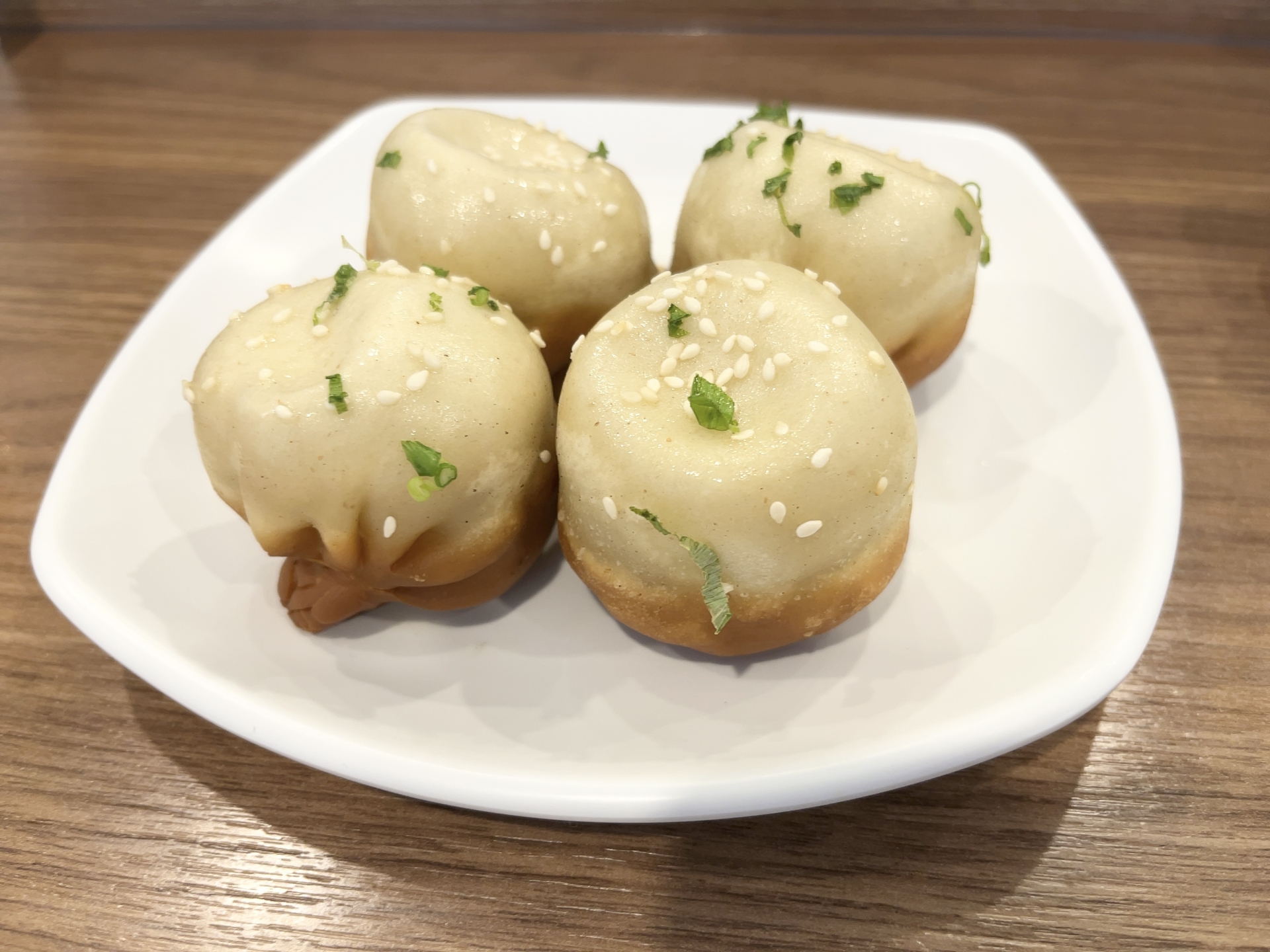
Pan-Fried Xiaolongbao (Shengjian Mantou)
Experience a textural masterpiece. The bottom is seared to a golden, addictive crunch, while the top remains soft and pillowy. As you bite through the delicate dough, a geyser of scalding, savory pork broth erupts, coating the palate in rich, umami-laden warmth. It is street food elevated to an art form, best enjoyed while standing in a bustling alleyway.
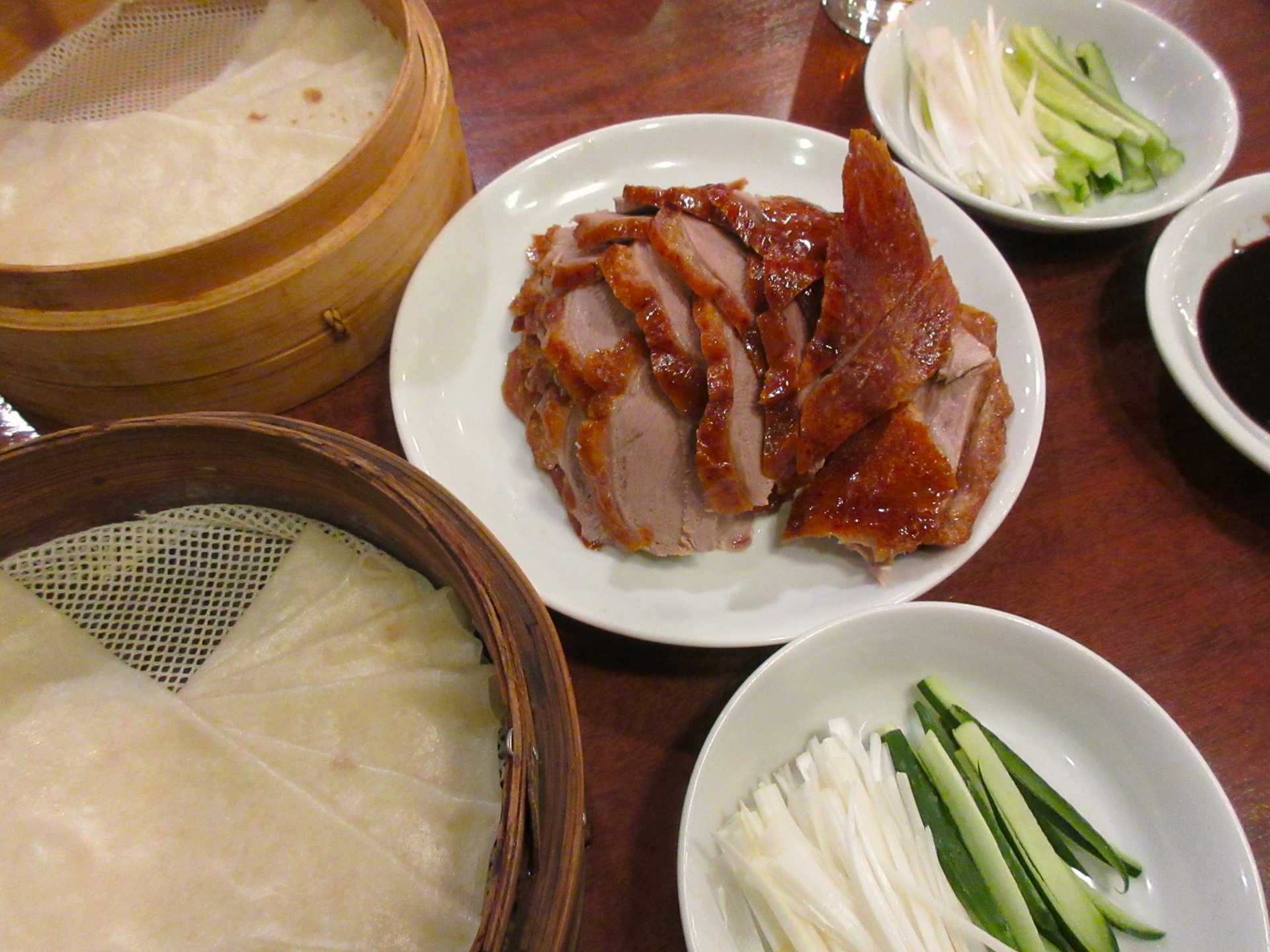
Lacquered Peking Duck
The skin is the star here—rendered until it achieves a glass-like shatter and a deep, mahogany sheen. Served with paper-thin pancakes, crisp scallions, and a lick of sweet hoisin sauce, each wrap is a perfect balance of fatty richness and fresh crunch. The aroma of five-spice and roasted plum wood permeates every bite, making it an unforgettable indulgence.
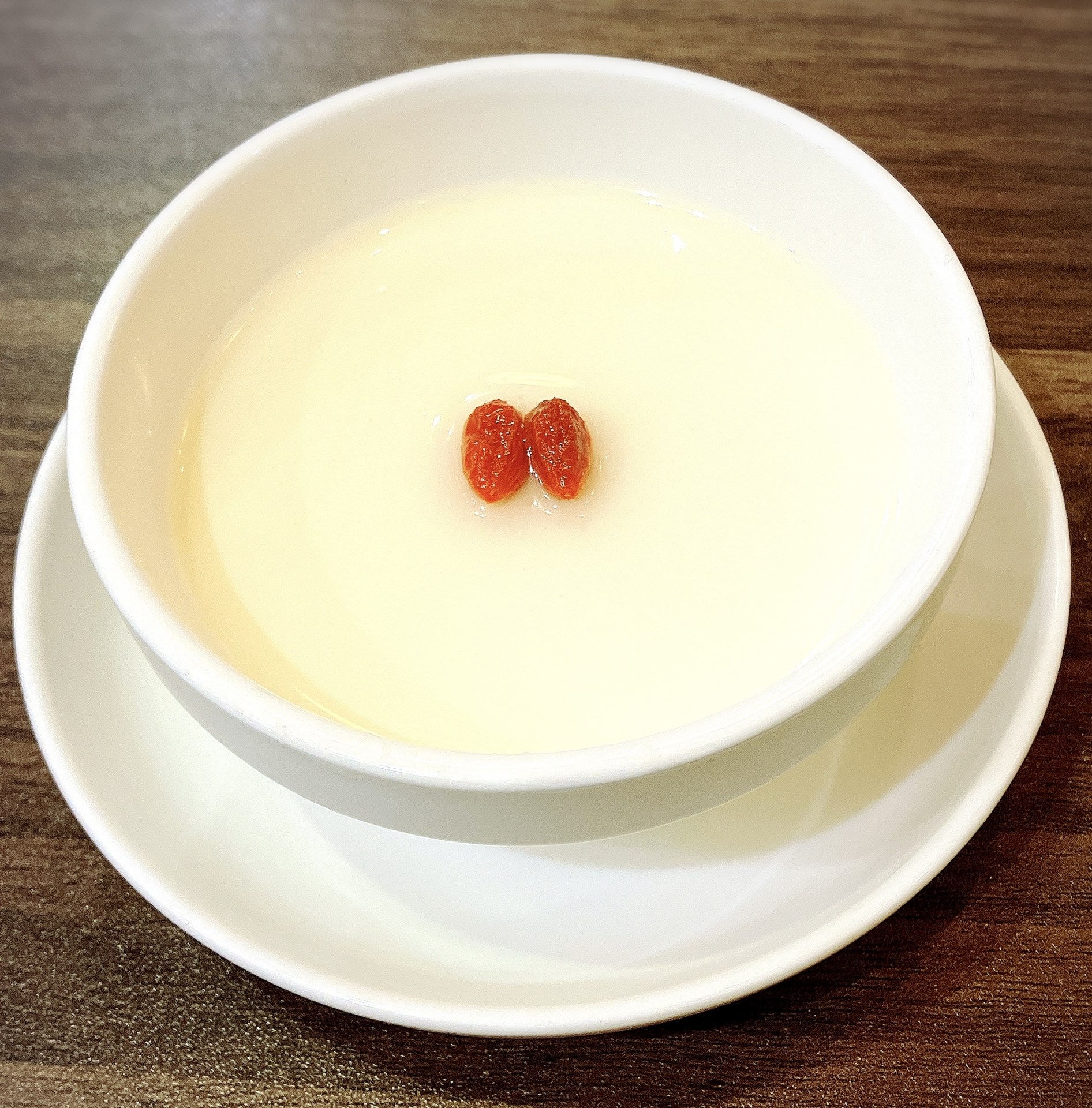
Silky Annin Tofu
This is not your average dessert. It is a cloud-like almond jelly that dissolves instantly on the tongue, releasing a subtle, floral sweetness. Often topped with a single goji berry and a light syrup infused with osmanthus, it provides a cooling, elegant finish to the bold, spicy flavors of a Szechuan-style banquet. The texture is reminiscent of heavy silk.
Premium Stays
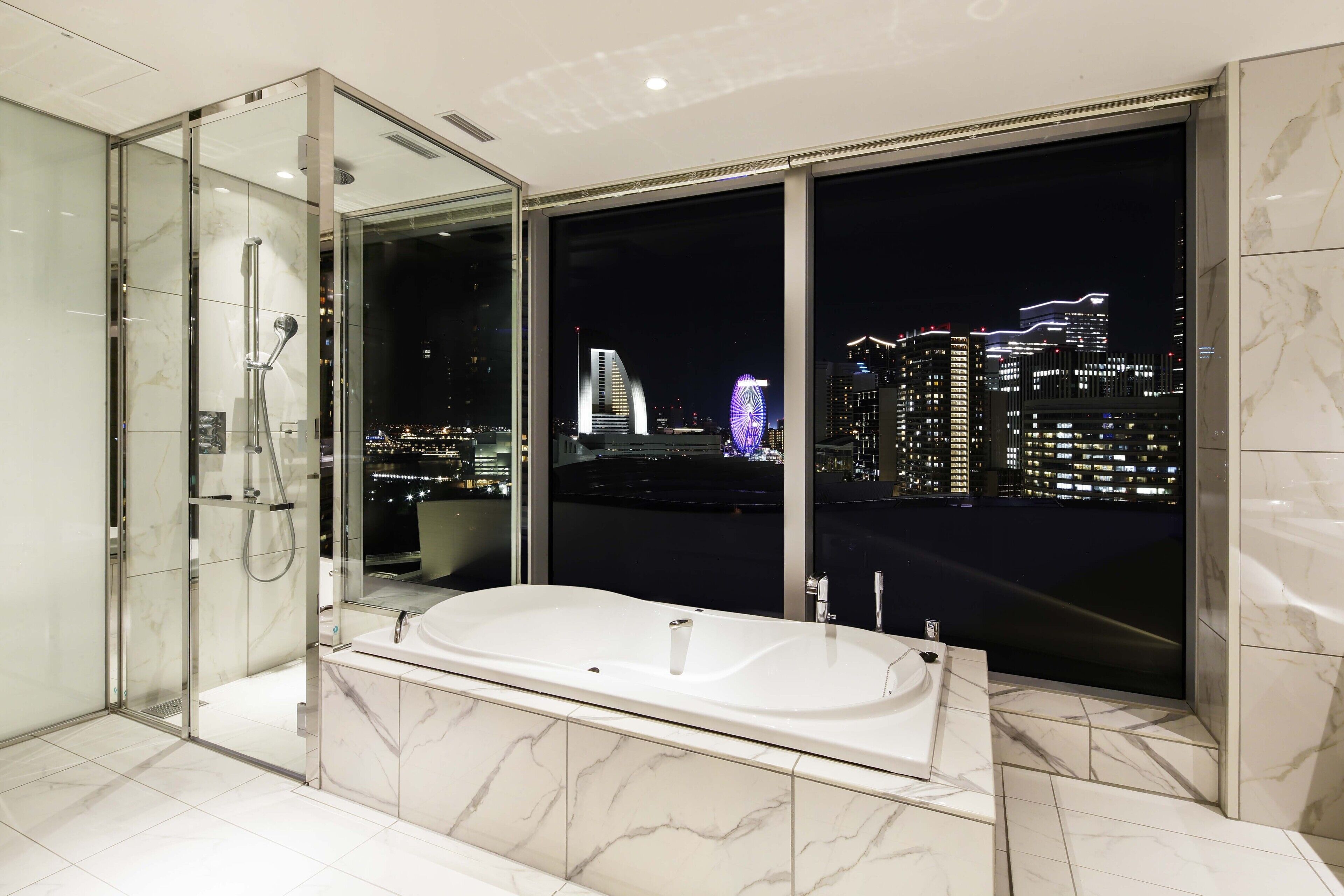
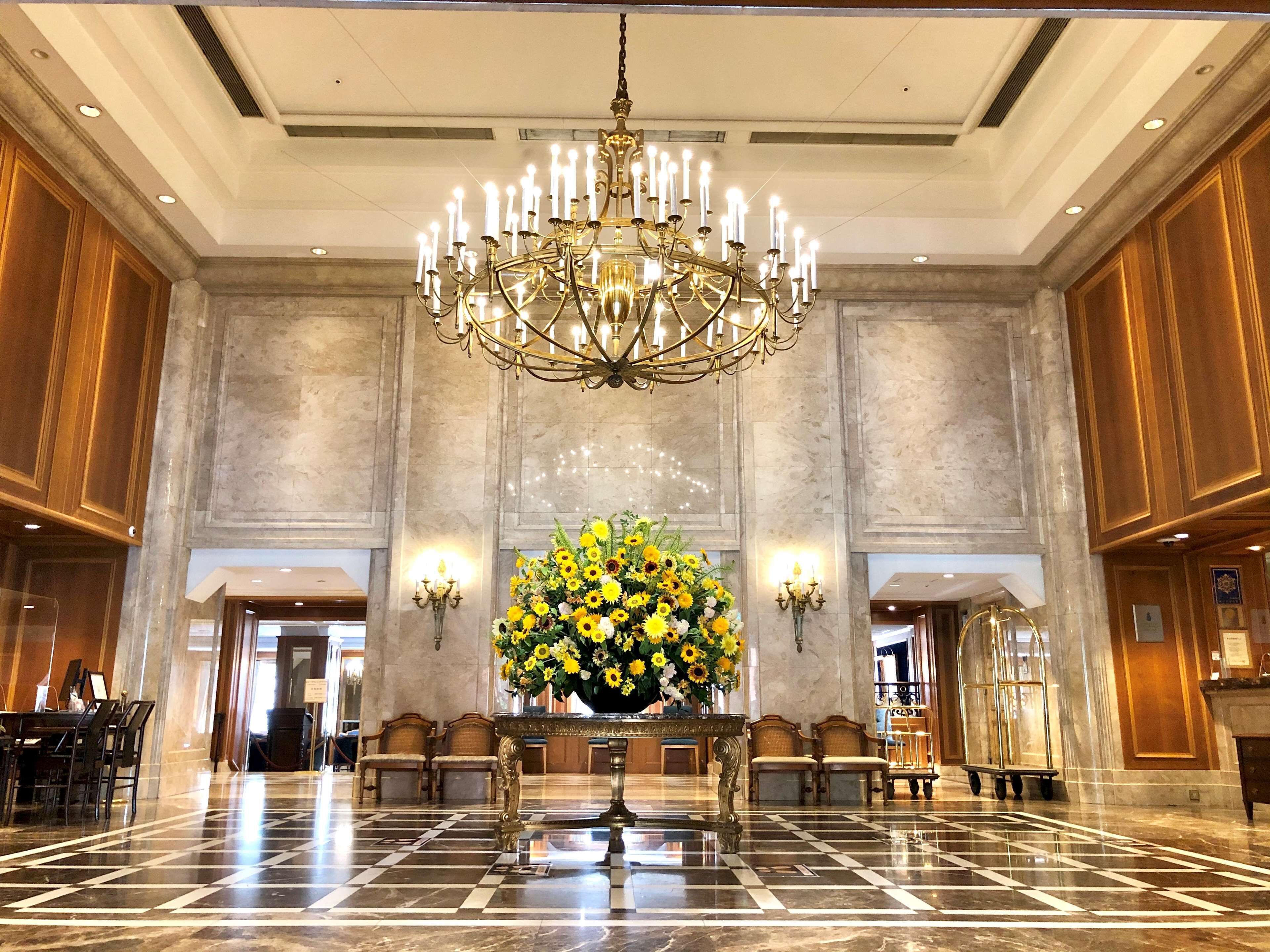
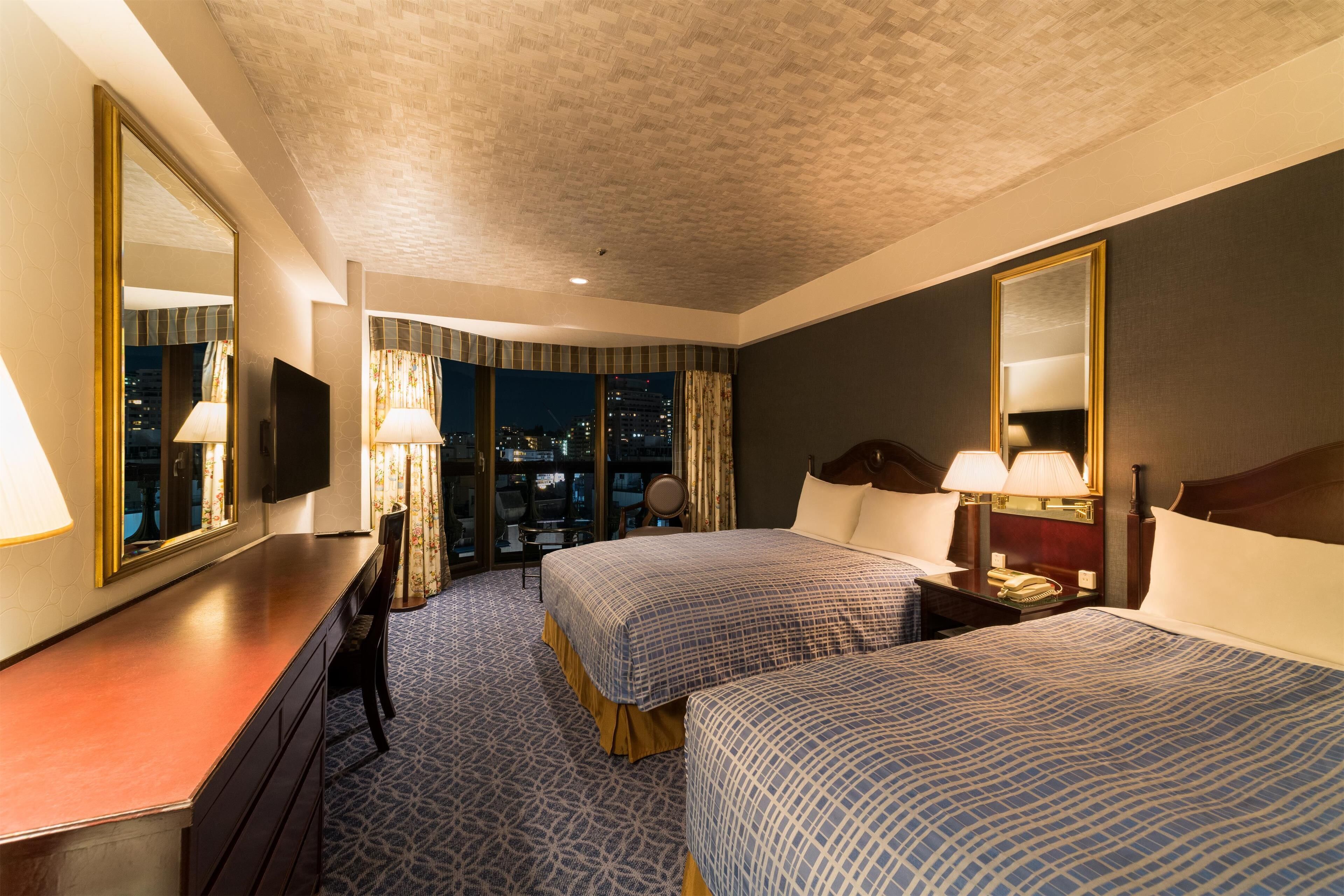
To truly capture the essence of Yokohama, stay within the historic Yamashita-cho district. This allows you to witness the transition of Chinatown from a bustling daytime market to a neon-lit wonderland at night, while remaining steps away from the refreshing bay breeze.
Getting There
From Tokyo, take the JR Negishi Line to Ishikawacho Station (North Exit) or the Minatomirai Line to Motomachi-Chukagai Station. Trains run every 5-10 minutes, making it an effortless excursion.
FAQ
Inspired?
Share this destiny with someone special.