Ibaraki
Welcome to Kairakuen
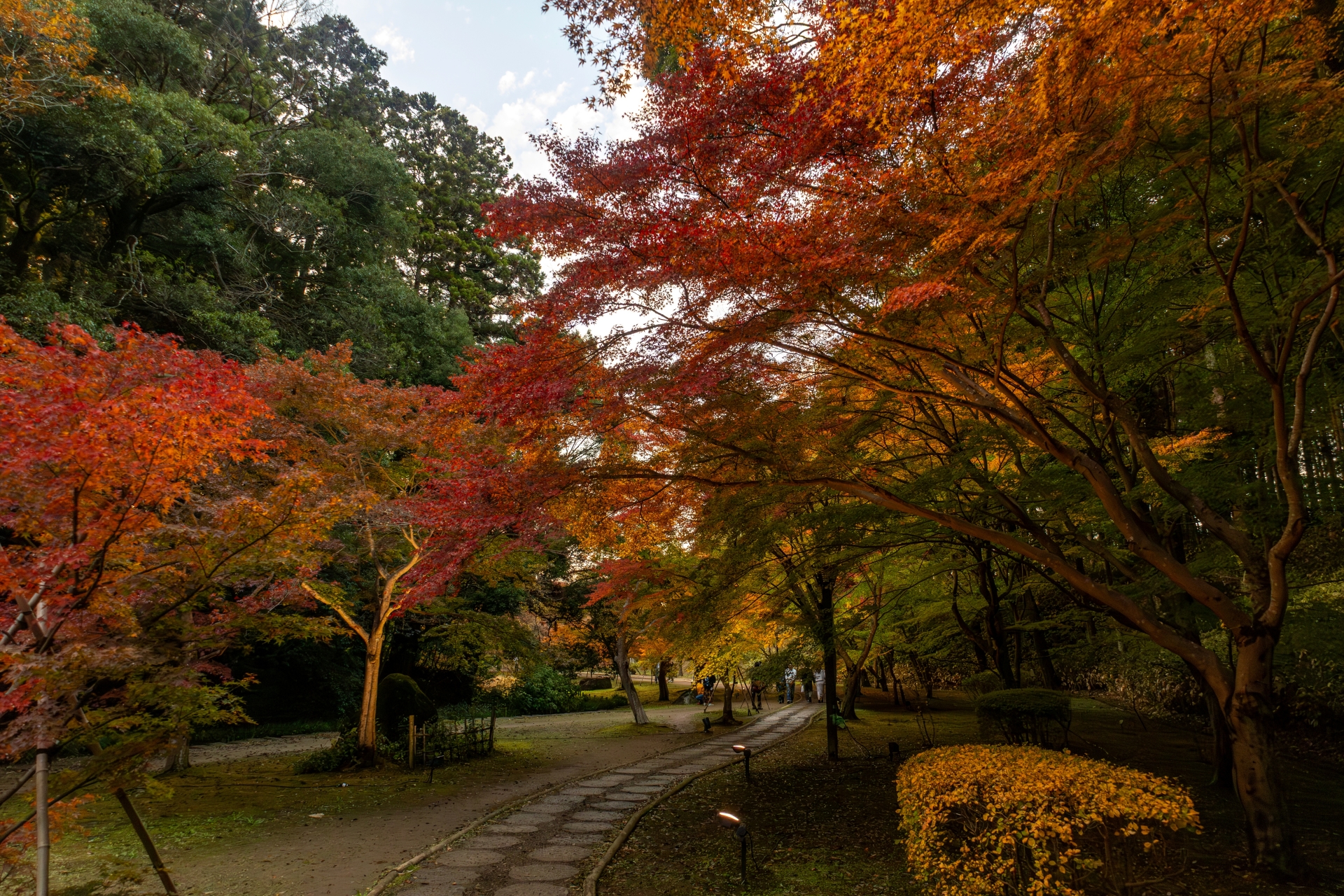
Stepping into Kairakuen is like inhaling the very soul of the Edo period. As one of Japan's Three Great Gardens, it offers a profound sensory duality: the 'In' (Yin) of the mysterious, shadowy cedar forests and the 'Yo' (Yang) of the expansive, sun-drenched plum groves. The air here carries a delicate, ethereal perfume of three thousand plum trees, a scent that signals the end of winter and the awakening of the spirit. Whether you are wandering through the labyrinthine paths of the bamboo thicket or gazing at the shimmering surface of Lake Senba, Kairakuen demands your presence. It is a place designed for 'communal pleasure,' where the boundaries between nature and the human heart dissolve into a tapestry of moss, stone, and blossom.
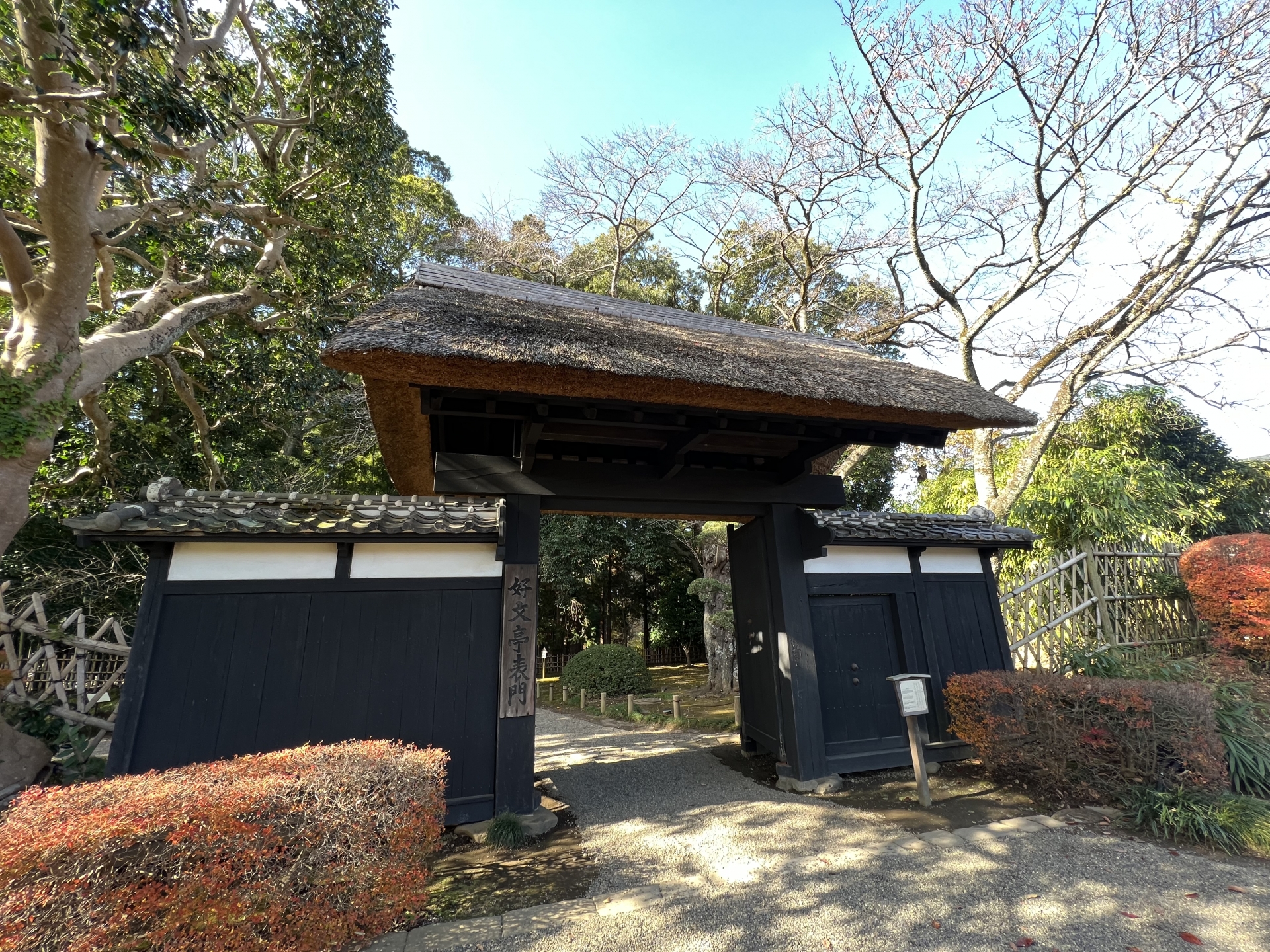
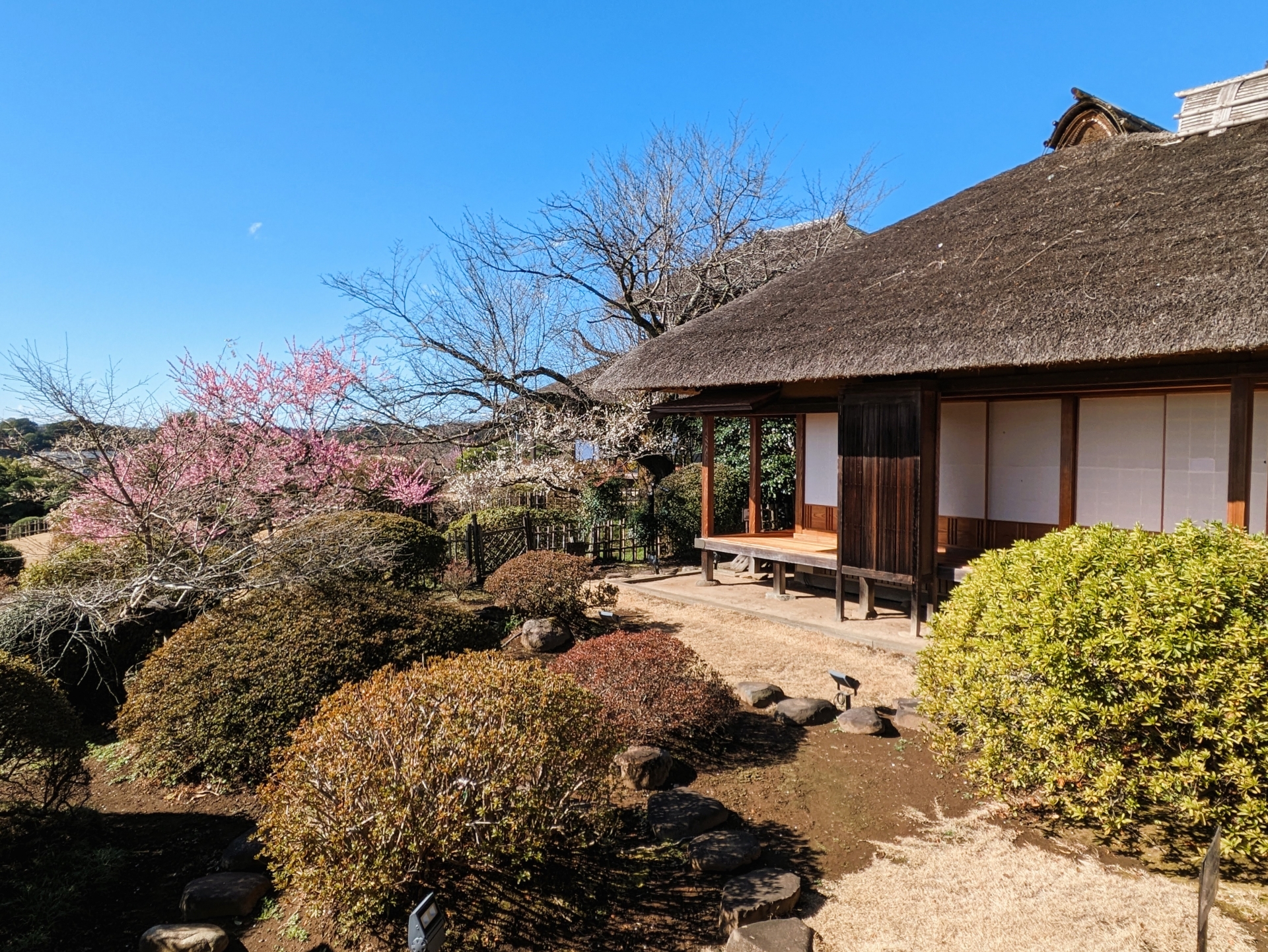
Kobuntei
Kobuntei is a three-story architectural marvel that served as a retreat for poets and intellectuals. As you ascend the narrow wooden stairs, the scent of aged cedar and tatami mats envelops you. The third floor offers a panoramic vista where the garden meets Lake Senba in a seamless horizon. Every sliding door is a canvas, adorned with delicate brushwork that echoes the plum blossoms outside. It is a space designed for contemplation, where the play of light and shadow creates a rhythmic dance across the polished floors, inviting you to pause and breathe.
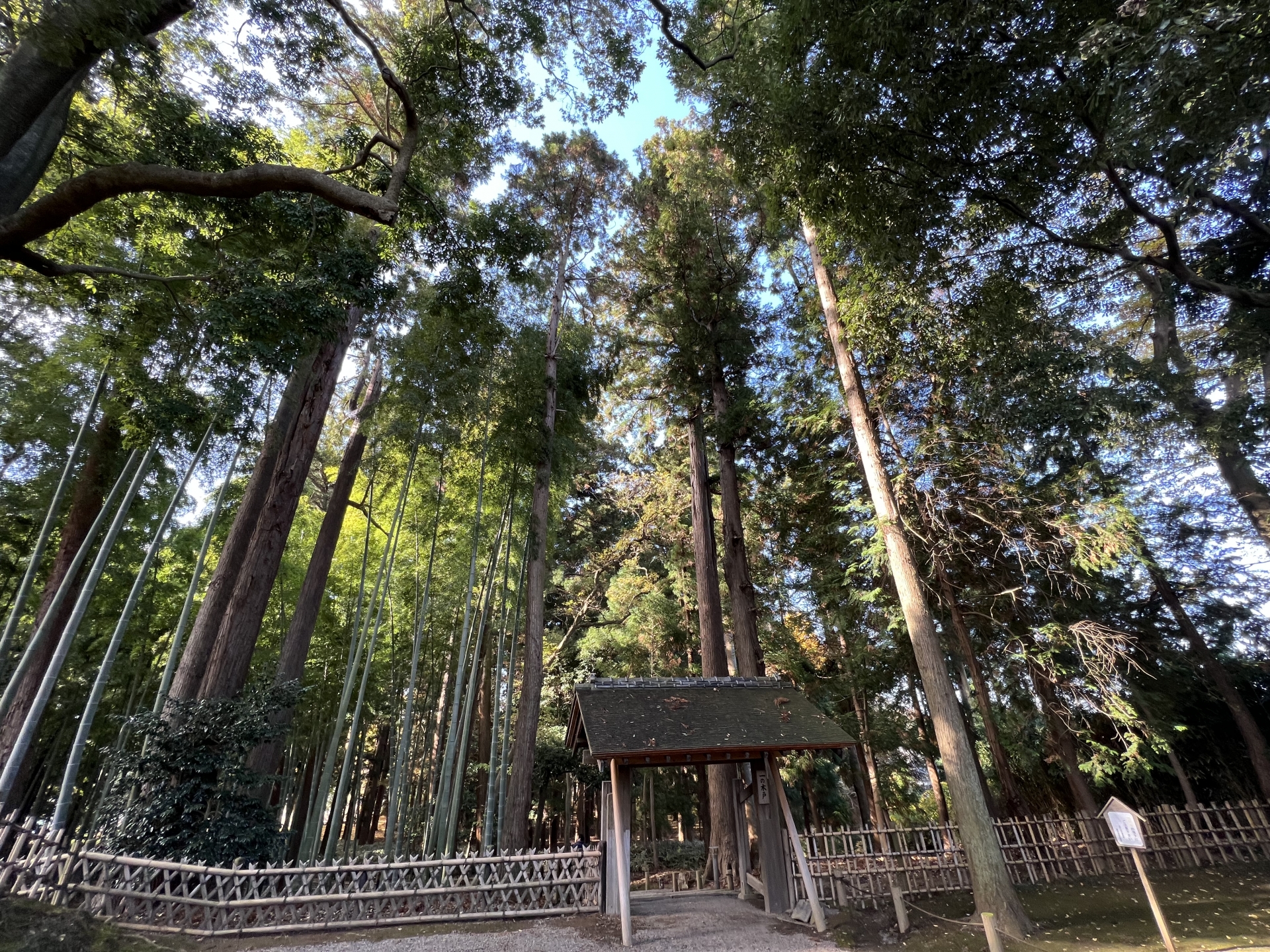
The Thousand-Year Cedar Grove
Enter the 'In' (Yin) portion of the garden to experience a profound stillness. These towering giants filter the sunlight into emerald shards, casting long, dramatic shadows over the lush moss carpet. The air is noticeably cooler here, damp with the scent of earth and ancient bark. It is a spiritual corridor that cleanses the mind before you emerge into the vibrant plum groves. Walking through this grove feels like a pilgrimage back in time, where the only sound is the crunch of gravel and the distant call of a crane.
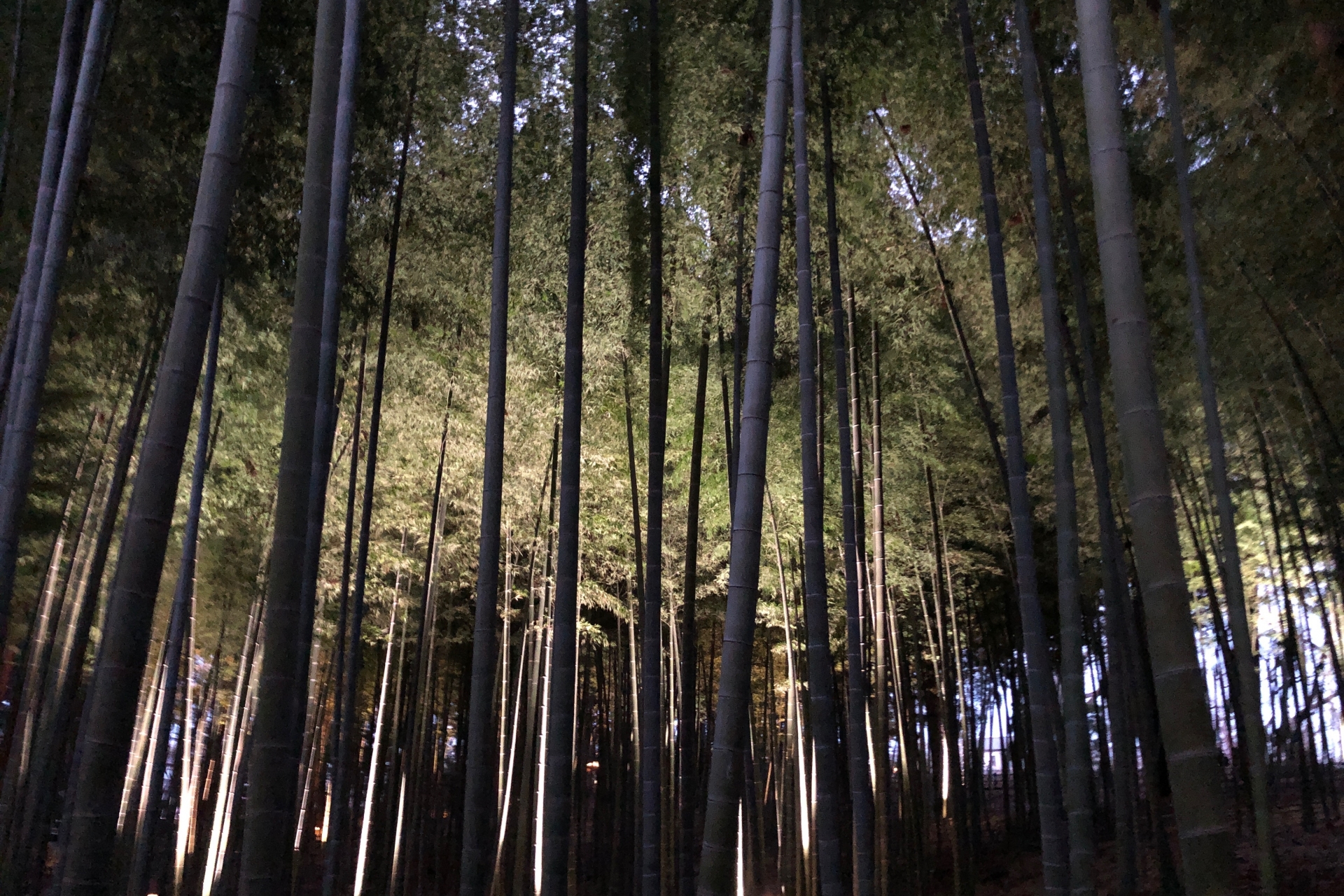
Mousou Bamboo Forest
A dense thicket of over 1,000 Mousou bamboo stalks creates a cathedral of green. The stalks sway with a rhythmic, percussive clatter in the breeze, a sound that is both haunting and deeply meditative. The visual repetition of the vertical lines creates a sense of infinite space, perfect for photography enthusiasts. The tactile contrast between the smooth, cool bamboo skin and the rugged stone paths underfoot provides a grounding experience that completes the sensory circuit of Kairakuen's diverse landscape.
Local Soul Food
Tastes you can't find anywhere else.
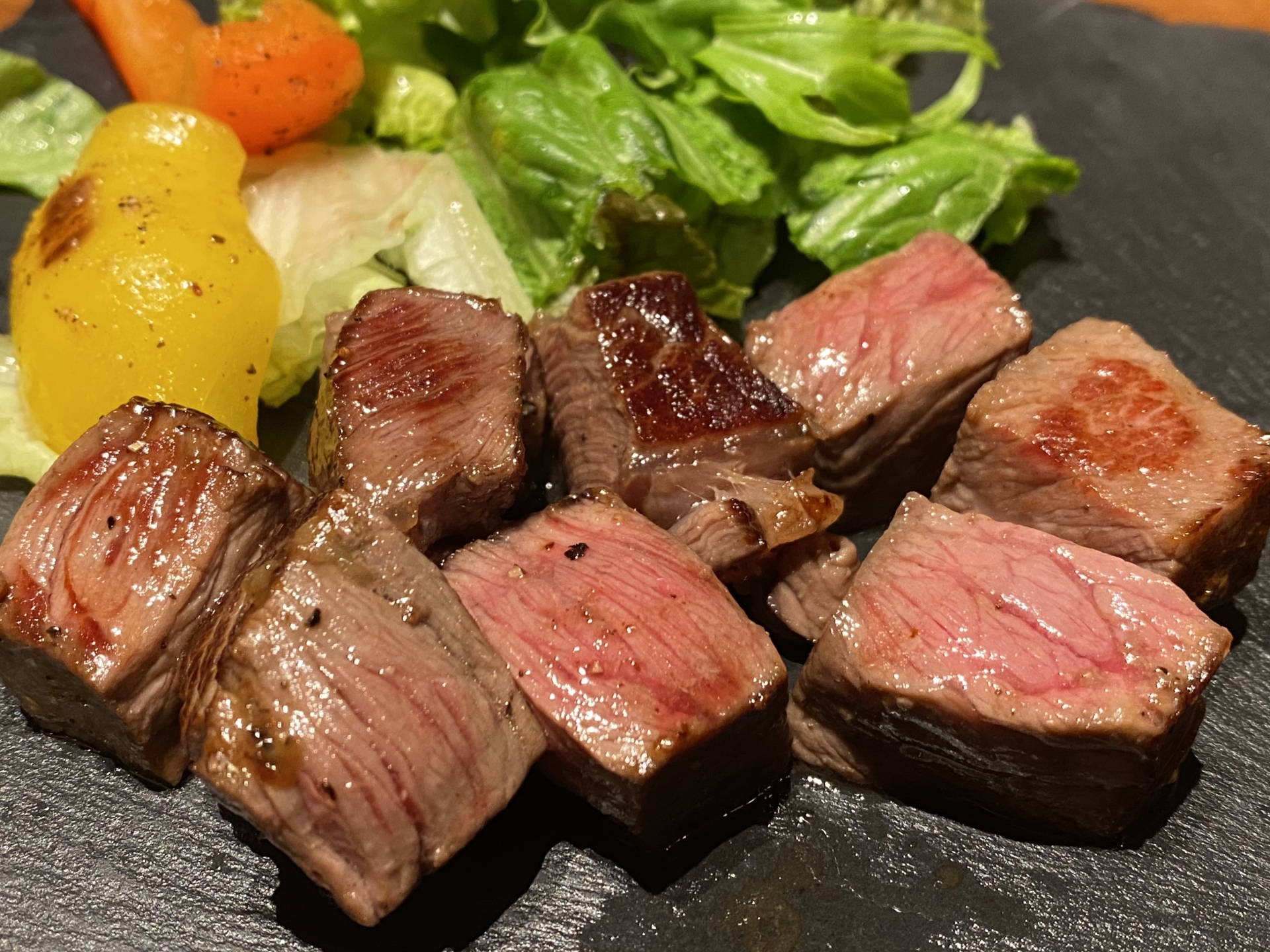
Hitachi Beef Teppanyaki
Indulge in the buttery melt of premium Hitachi Wagyu, a local treasure. The meat is marbled to perfection, releasing a rich, umami-laden juice that coats the palate like silk. Searing on a hot iron plate enhances its nutty aroma, often served with a dash of local sea salt to elevate its natural sweetness. It is a decadent, high-octane culinary experience that defines Ibaraki luxury.
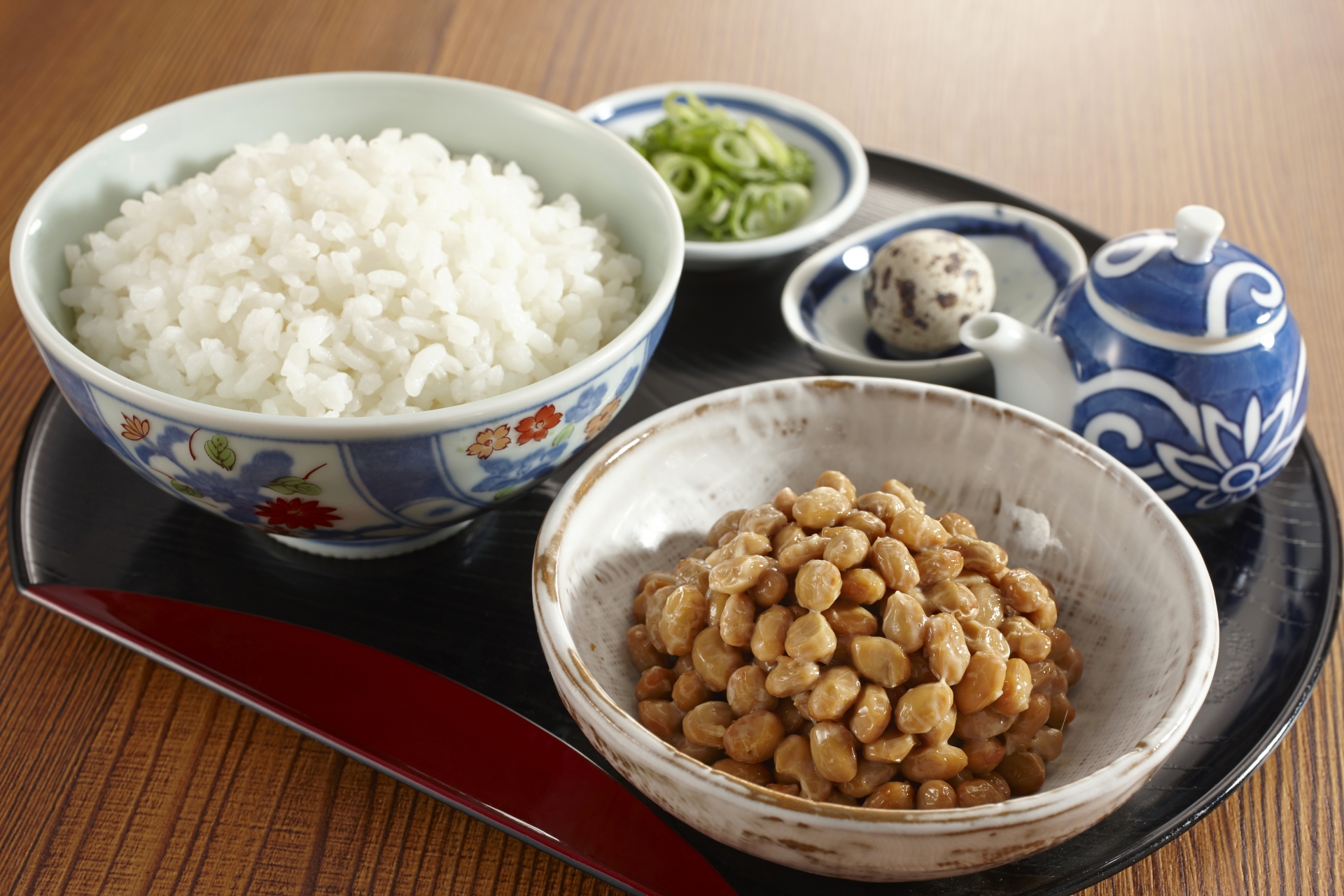
Mito Natto Specialty Rice
Experience the authentic, pungent soul of Mito. These fermented soybeans offer a unique, sticky texture and a deep, earthy flavor profile that is surprisingly addictive. When whipped vigorously and served over steaming, fluffy white rice with a touch of mustard and dashi soy sauce, it becomes a masterclass in rustic Japanese comfort food. It is the true taste of Ibaraki heritage.
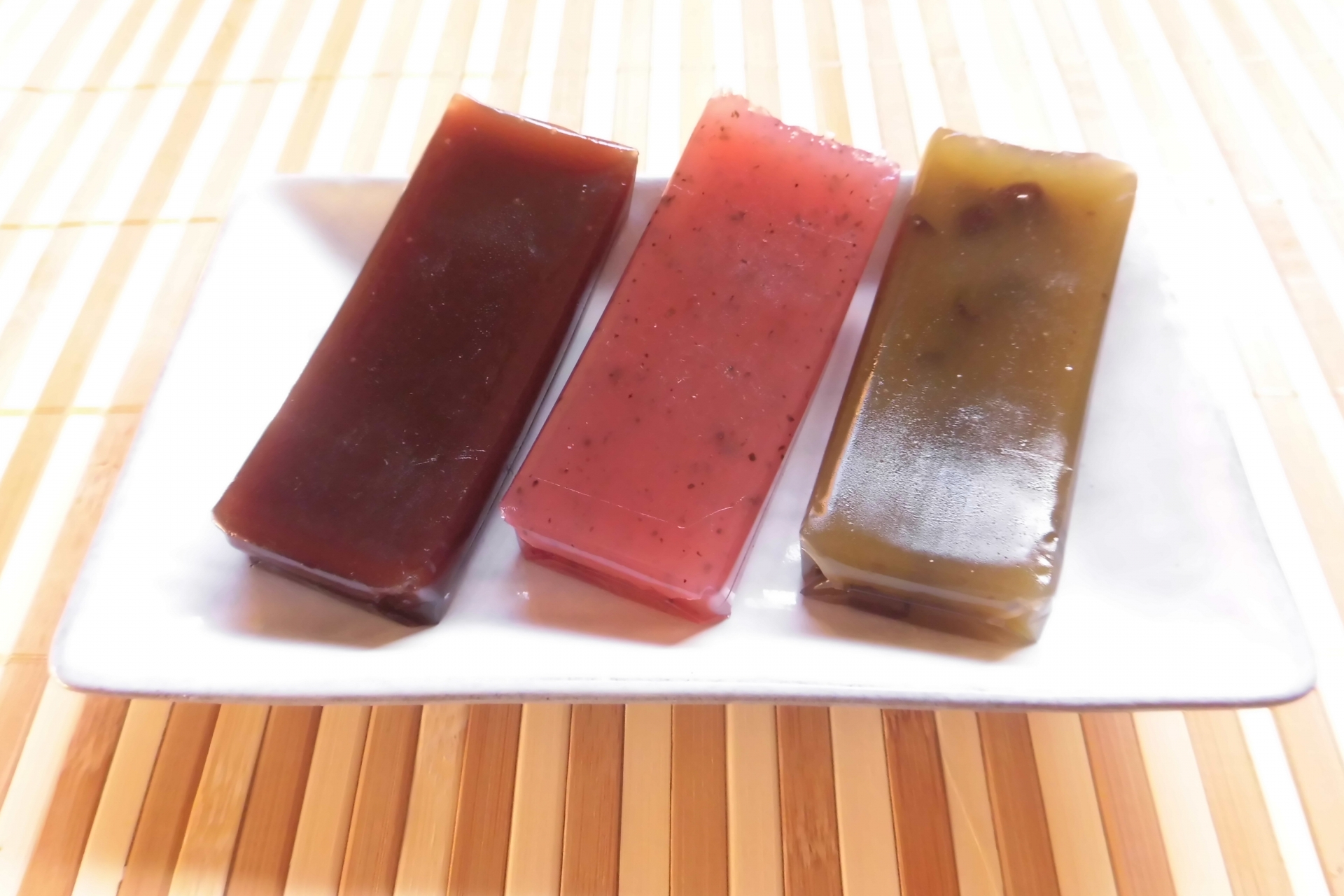
Ume-Yokan (Plum Jelly)
A delicate, translucent sweet that captures the essence of Kairakuen in a single bite. This traditional wagashi balances the tartness of local plums with the smooth, velvety sweetness of white bean paste. Each piece is a work of art, often shaped like a blossom and offering a refreshing, floral finish to any meal. The subtle acidity cleanses the palate, leaving a lingering hint of spring.
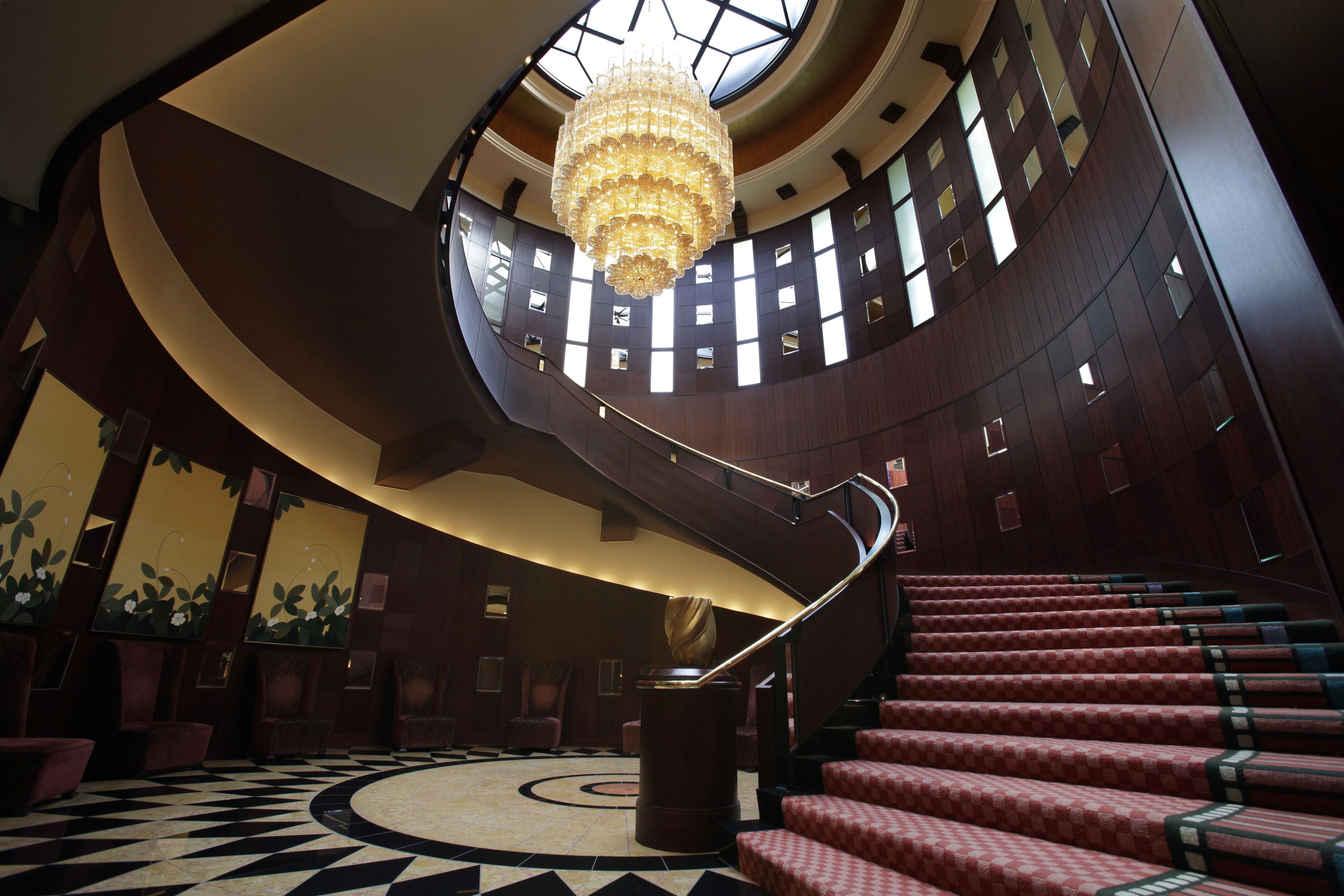
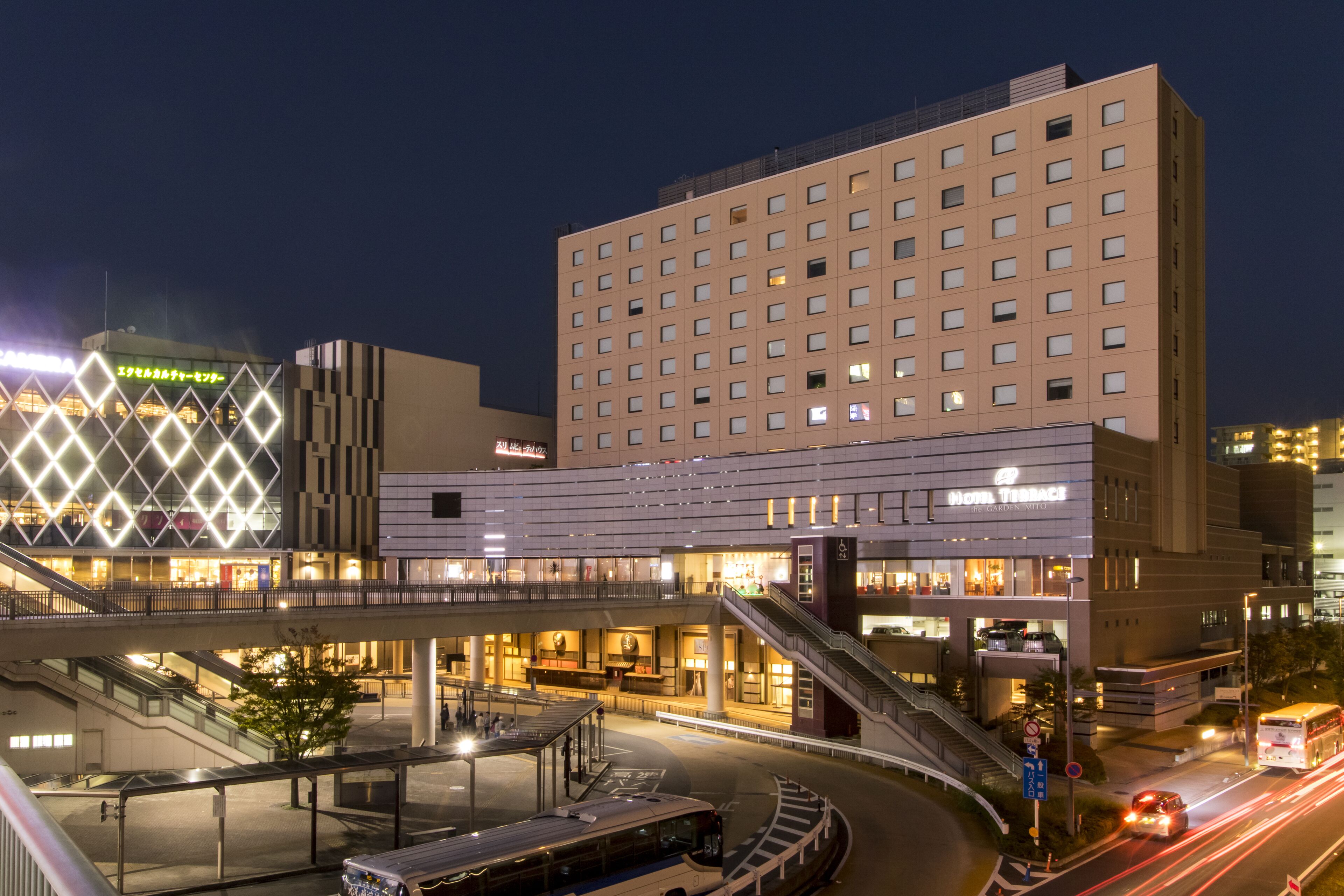
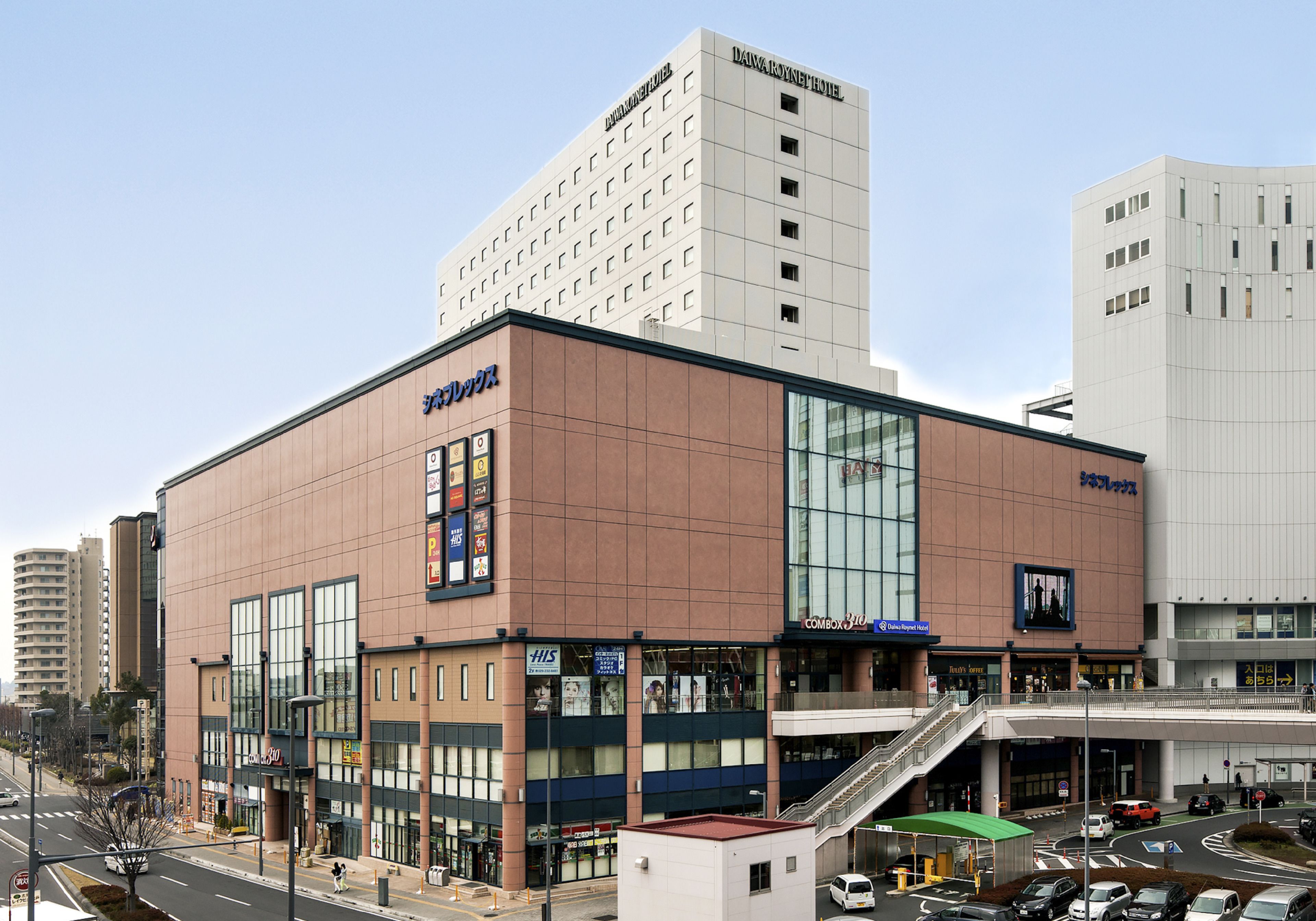
Premium Stays
To fully immerse yourself in the Kairakuen experience, stay near Mito Station for seamless access or choose a property overlooking Lake Senba for breathtaking morning views.
Getting There
Take the JR Joban Line 'Hitachi' or 'Tokiwa' limited express from Tokyo Station to Mito Station (approx. 75 minutes). From Mito Station, take a 15-minute bus from the North Exit. During the Plum Festival, a special temporary Kairakuen Station opens for direct access.
FAQ
Inspired?
Share this destiny with someone special.