Nagasaki
Welcome to Glover Garden
Perched majestically on the Minamiyamate hillside, Glover Garden is more than a mere collection of colonial residences; it is a portal to an era where the East and West collided in a symphony of trade and transformation. As you wander through the meticulously manicured lawns, the air carries the faint, saline mist of the bay, mingling with the scent of blooming azaleas. This is a sanctuary of stone-paved paths and emerald vistas, where the legacy of Thomas Glover and other pioneers remains etched into the very timber of Japan’s oldest Western-style wooden buildings. Here, history is not a distant memory but a living, breathing presence felt in the cool touch of Victorian banisters and the panoramic sweep of the Nagasaki harbor at dusk.
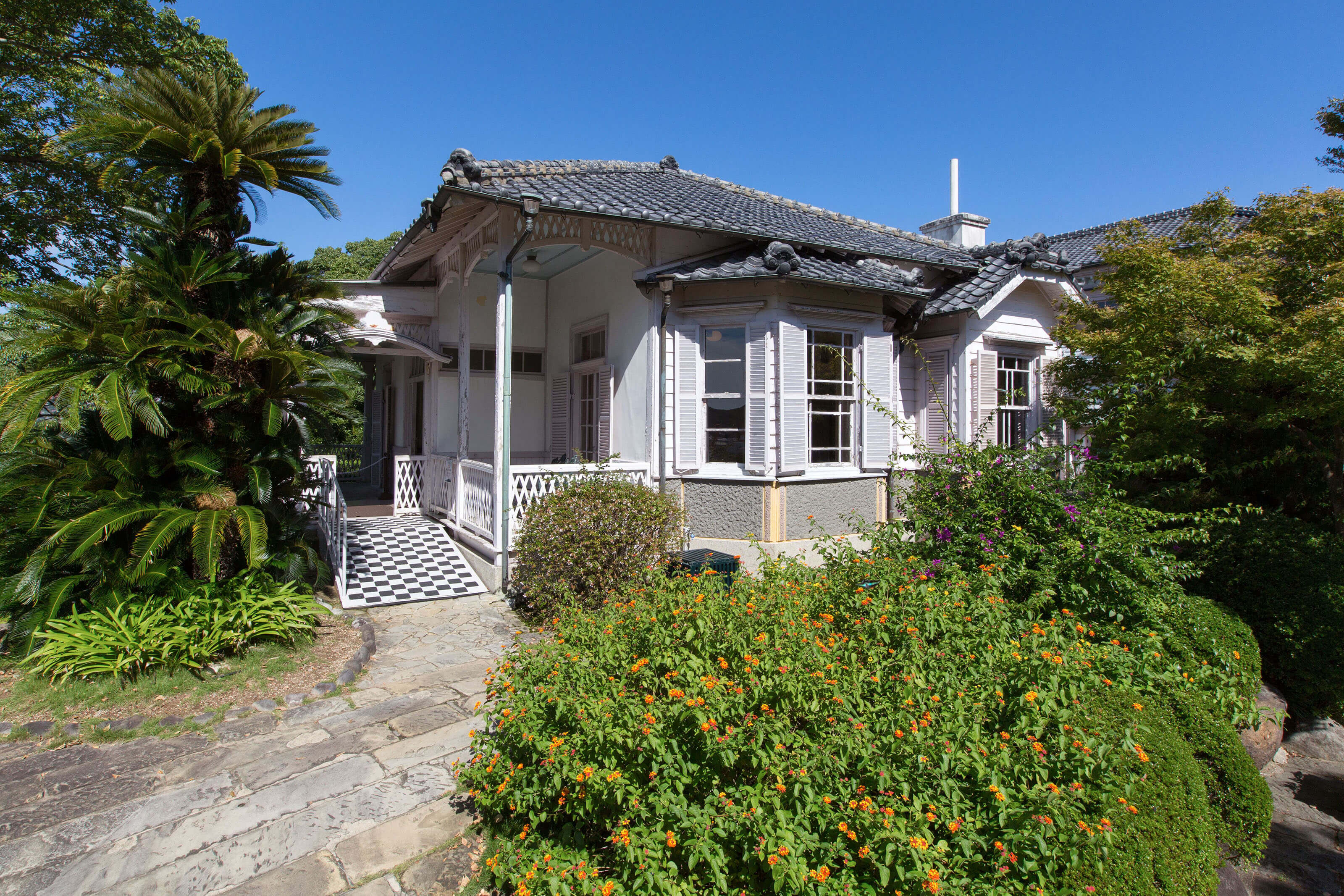
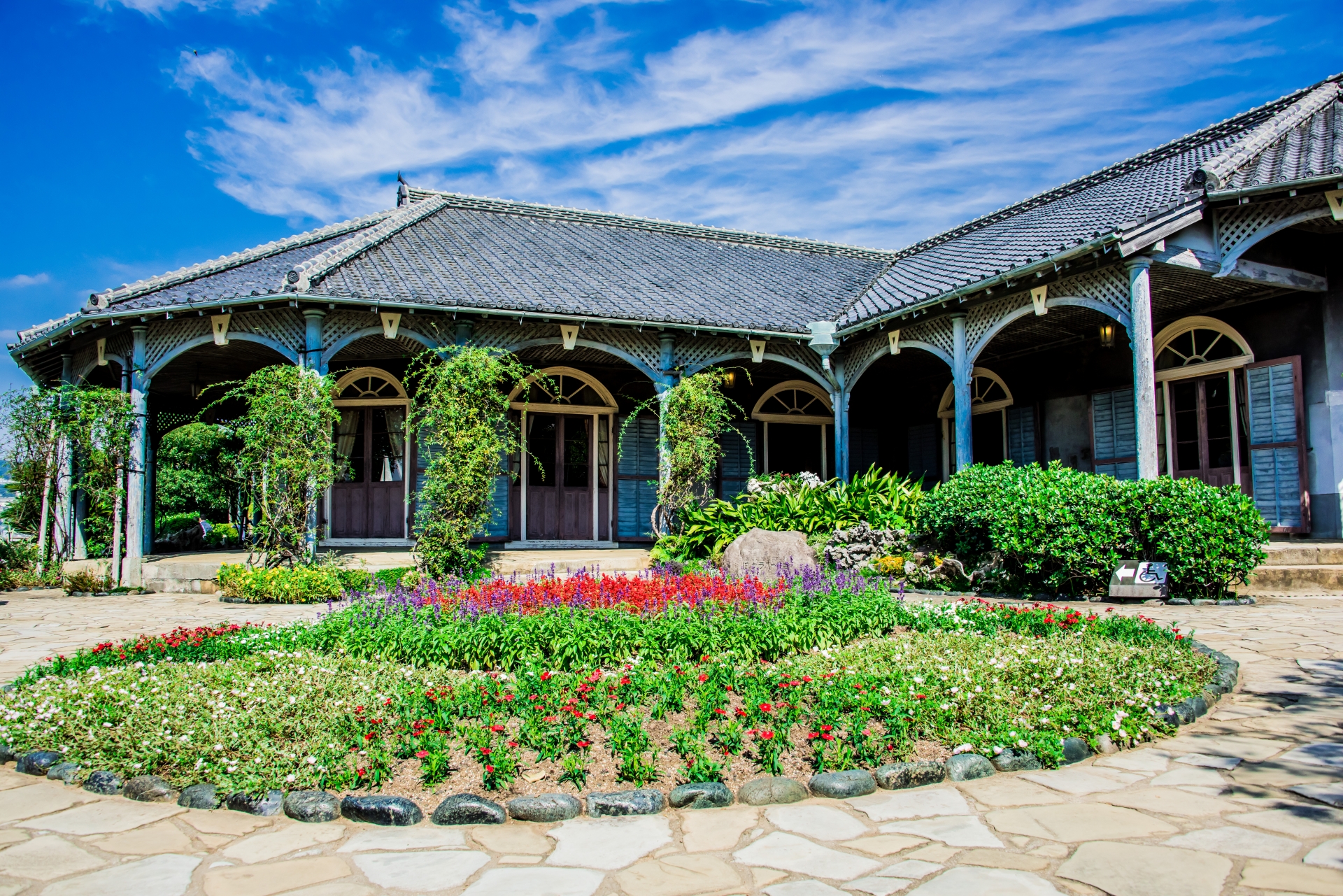
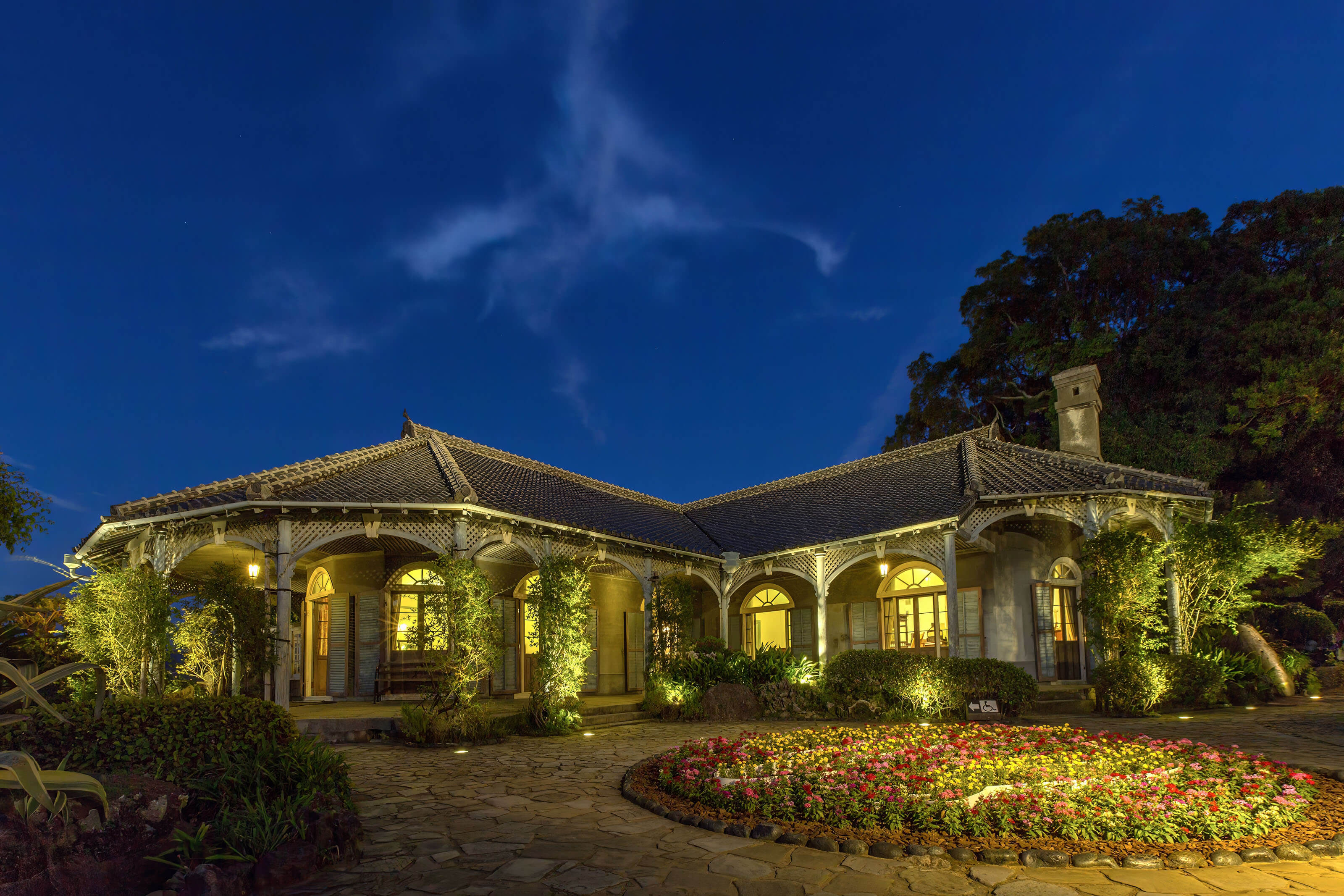
The Former Glover House
Step into the oldest Western-style wooden building in Japan, a masterpiece that harmonizes British colonial design with traditional Japanese carpentry. The deep eaves and sprawling verandas offer a tactile connection to the 19th century. Inside, the scent of aged cedar and the muted light filtering through high windows evoke a sense of quiet grandeur. It is here that Thomas Glover orchestrated the modernization of Japan, and every creak of the floorboards feels like a whisper from the past, detailing secrets of industrial revolution and cultural fusion.
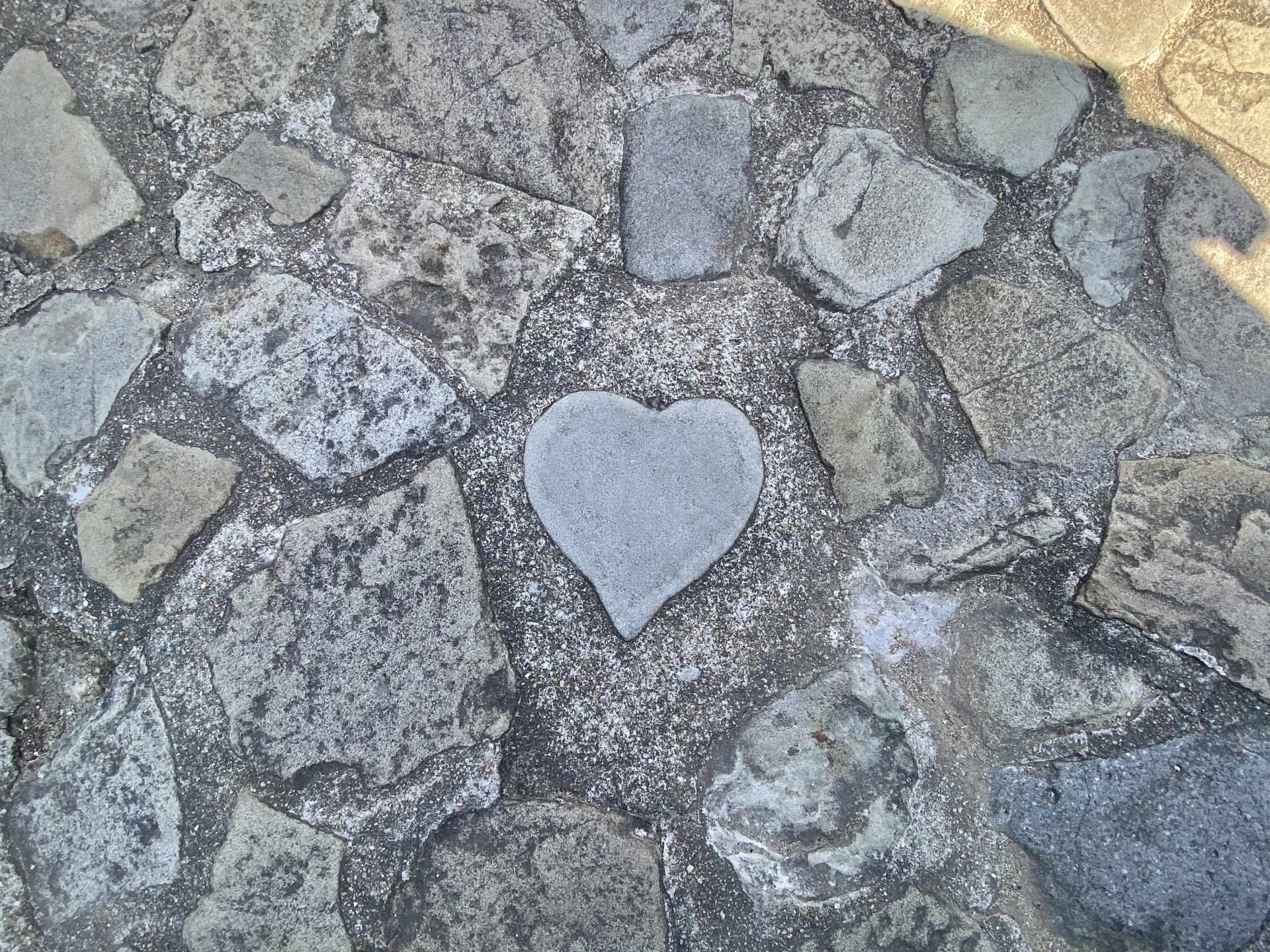
The Hidden Heart Stones
Beyond the grand architecture lies a whimsical secret cherished by locals and romantics alike. Embedded within the stone-paved walkways are two heart-shaped stones that have become a focal point for those seeking luck in love. The search for these stones transforms a simple stroll into a spiritual scavenger hunt. Touching the cool, weathered surface of the stones is said to grant a wish, creating a poignant moment of connection between the visitor and the ancient stones of the Minamiyamate slopes.
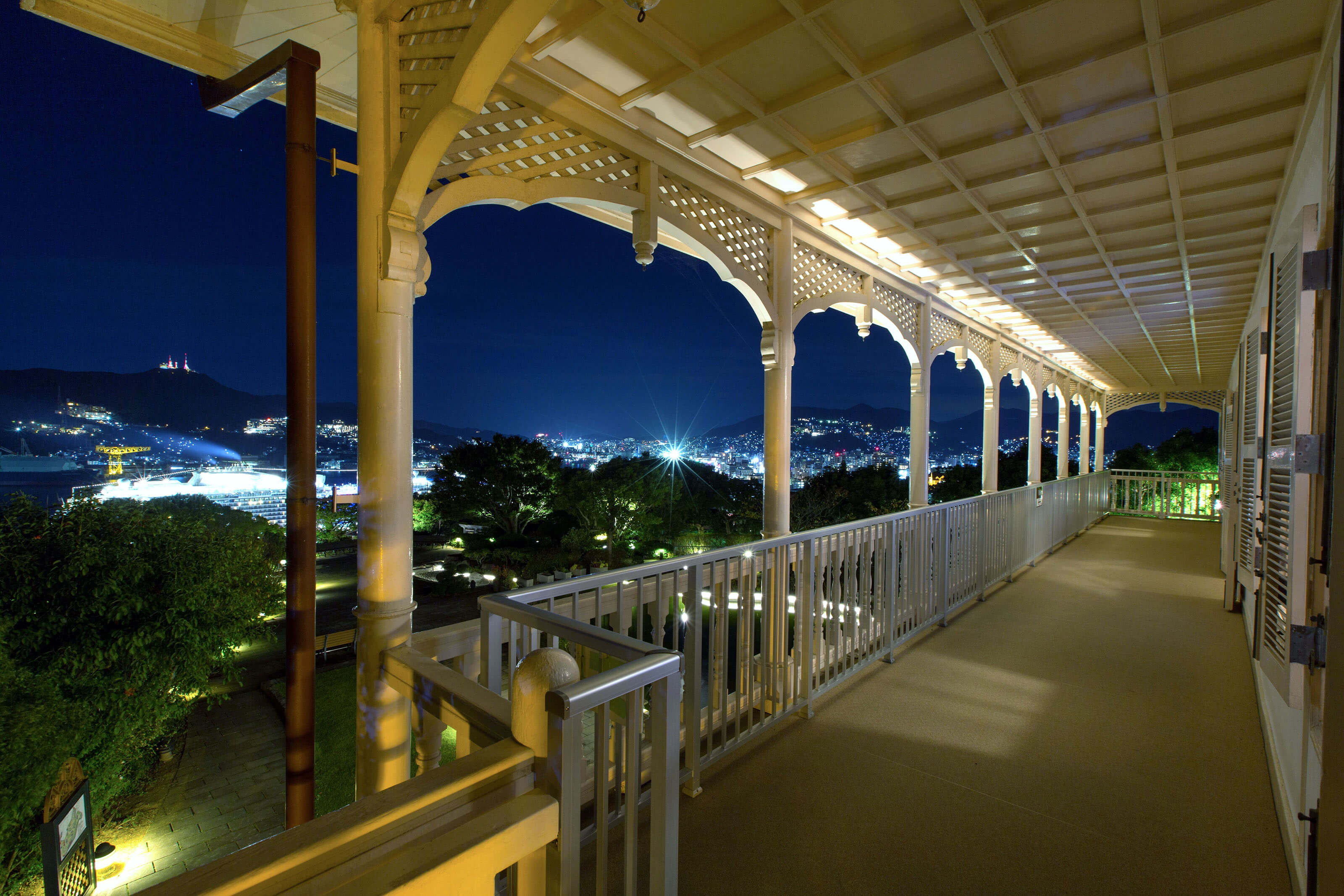
Former Mitsubishi No. 2 Dock House
Perched at the highest point of the garden, this structure originally served as a resting place for ship crews. Today, it offers the most breathtaking panoramic view of Nagasaki’s 'Cranes of the Port'—the massive industrial shipyards that define the city's skyline. Stand on the upper balcony to feel the brisk harbor wind and witness the mesmerizing dance of light reflecting off the water as giant vessels navigate the narrow inlet. It is the ultimate vantage point to grasp the scale of Nagasaki’s maritime heritage.
Local Soul Food
Tastes you can't find anywhere else.

Nagasaki Champon
Experience a symphony of textures in a single bowl. This iconic dish features thick, springy noodles submerged in a velvety, opaque broth made from pork and chicken bones. The aroma of stir-fried seafood, crispy cabbage, and succulent pork belly rises in steam, promising a rich, umami-packed embrace that warms the very core of your being.
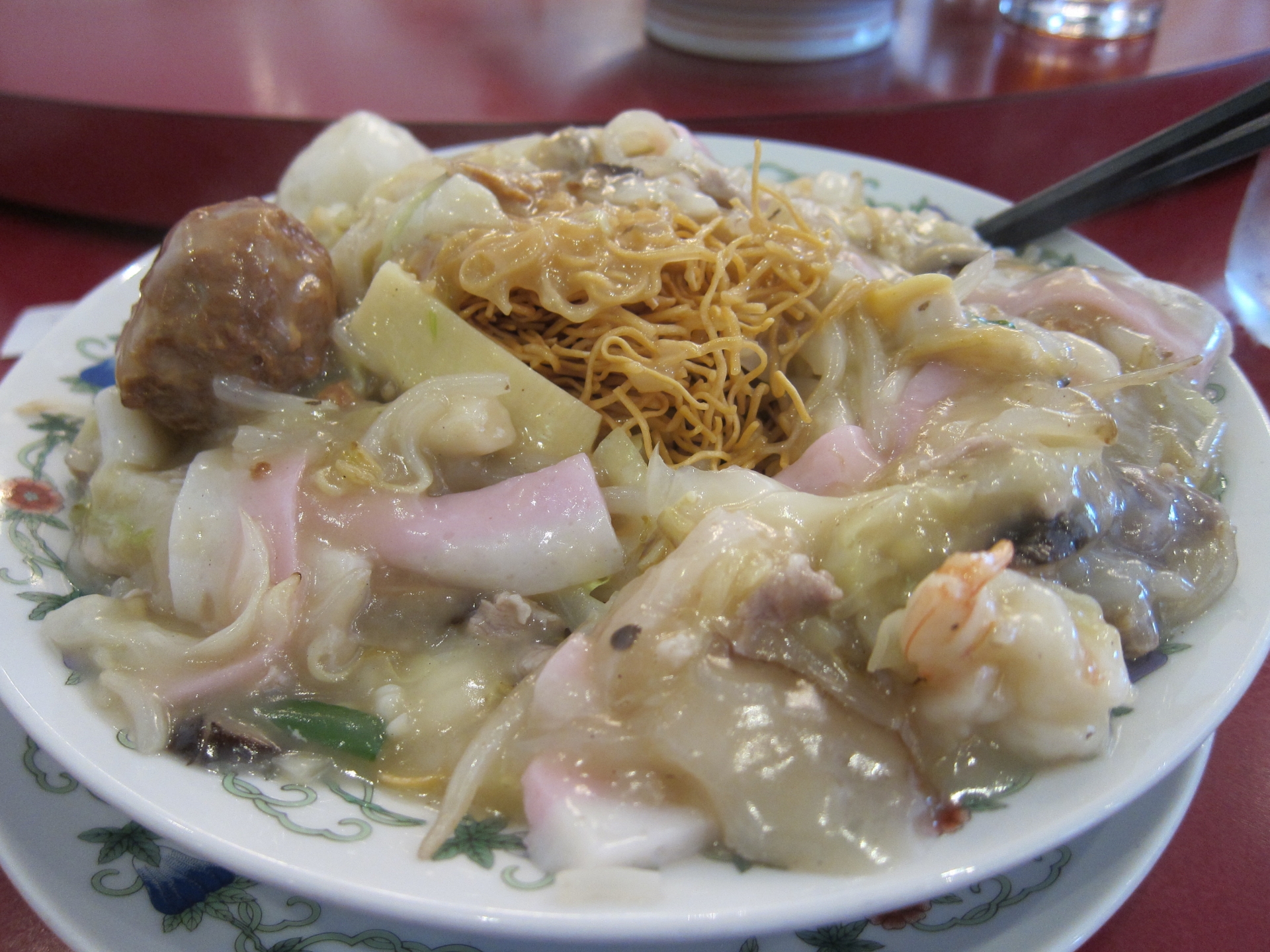
Sara Udon
A delightful contrast of sensations, Sara Udon features a bed of ultra-thin, crispy fried noodles topped with a thick, savory glaze of squid, prawns, and seasonal vegetables. The initial crunch of the noodles gives way to a tender, sauce-soaked bite, creating a complex mouthfeel that is both indulgent and deeply satisfying.
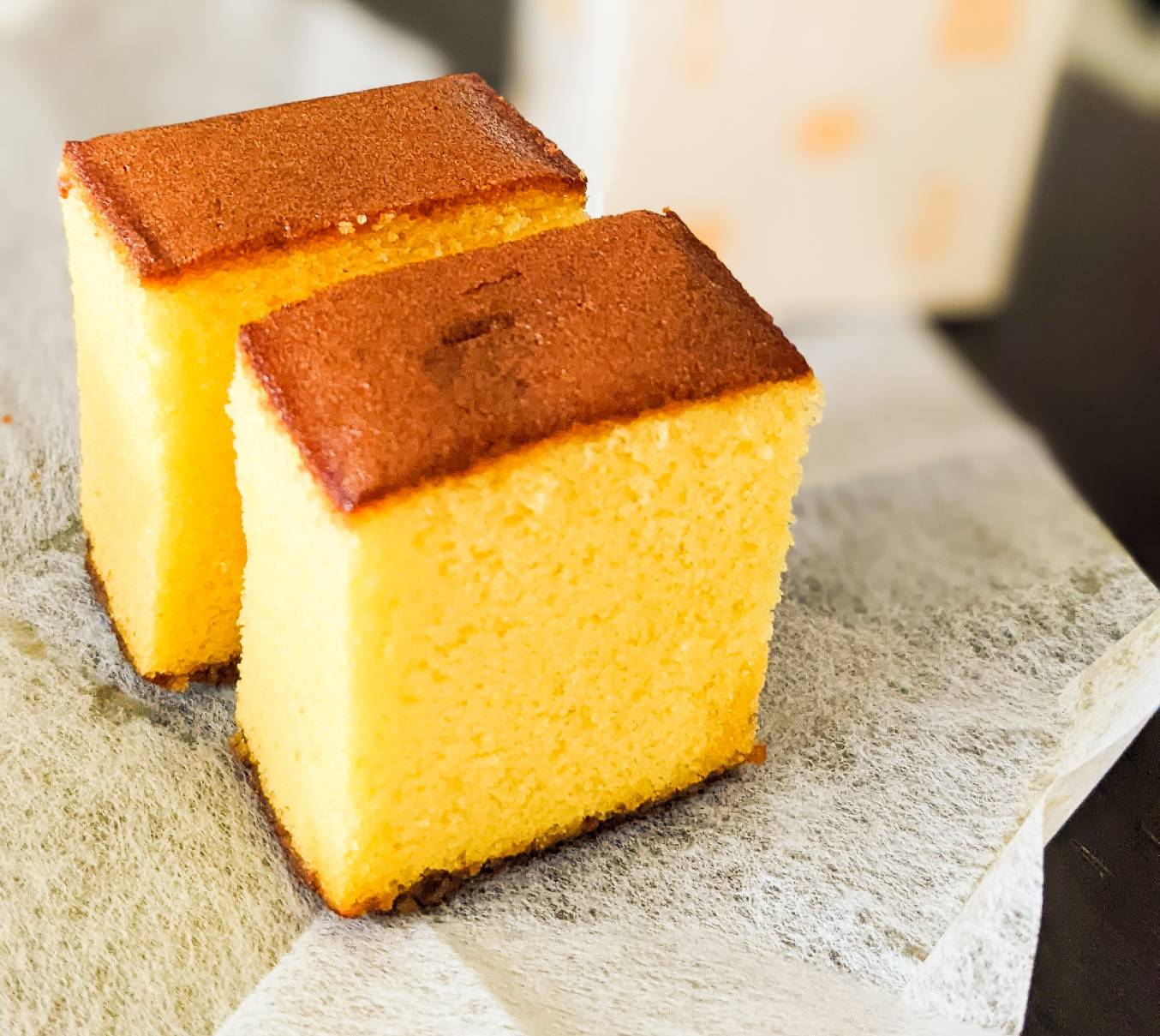
Nagasaki Castella
This is not merely a sponge cake; it is a golden legacy. The Nagasaki Castella is moist, dense, and naturally sweetened with honey. The hallmark of a true premium Castella is the layer of coarse zarame sugar crystals at the bottom, which provides a sudden, delightful crunch against the airy, melt-in-your-mouth crumb.
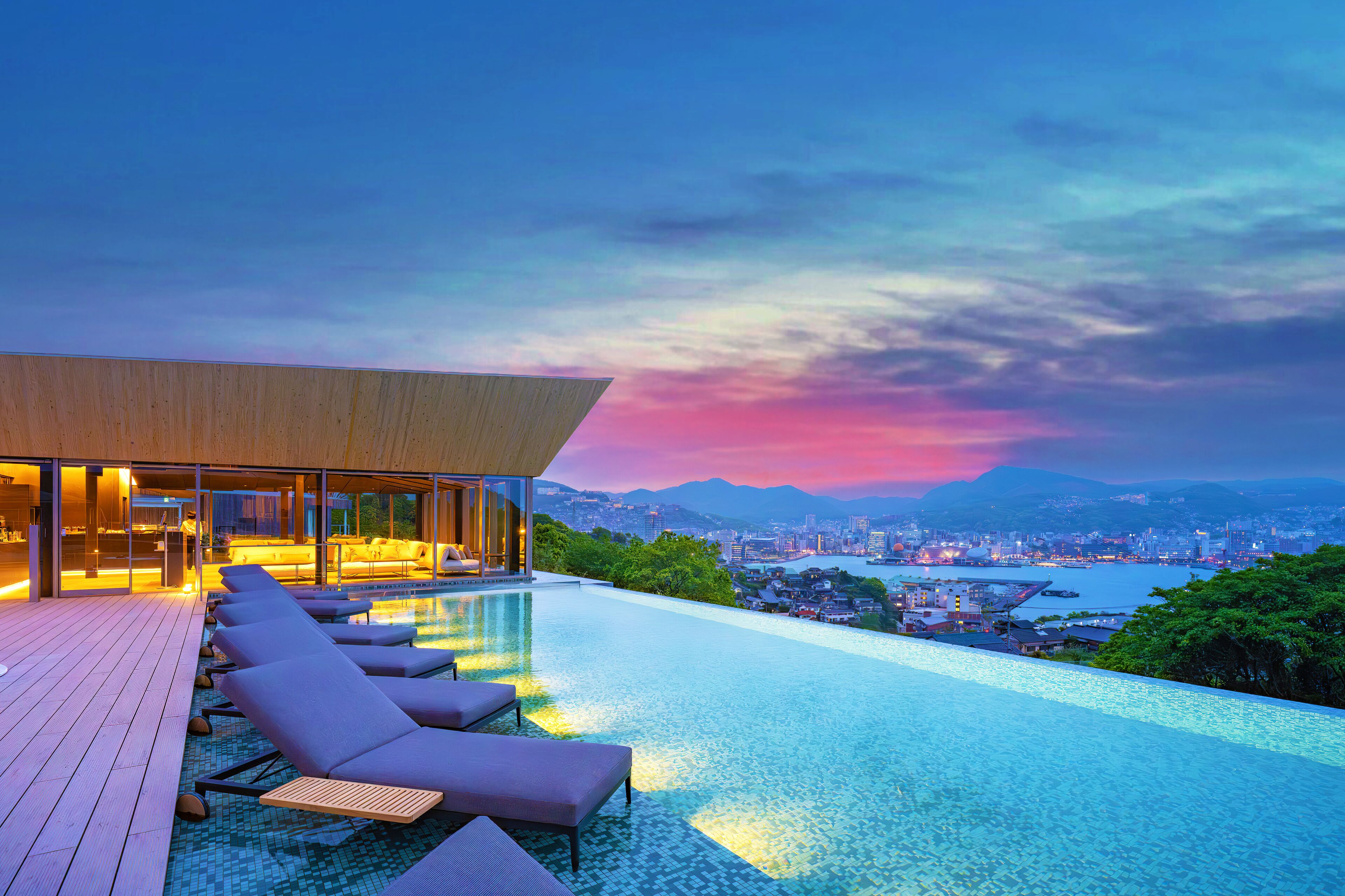
Premium Stays
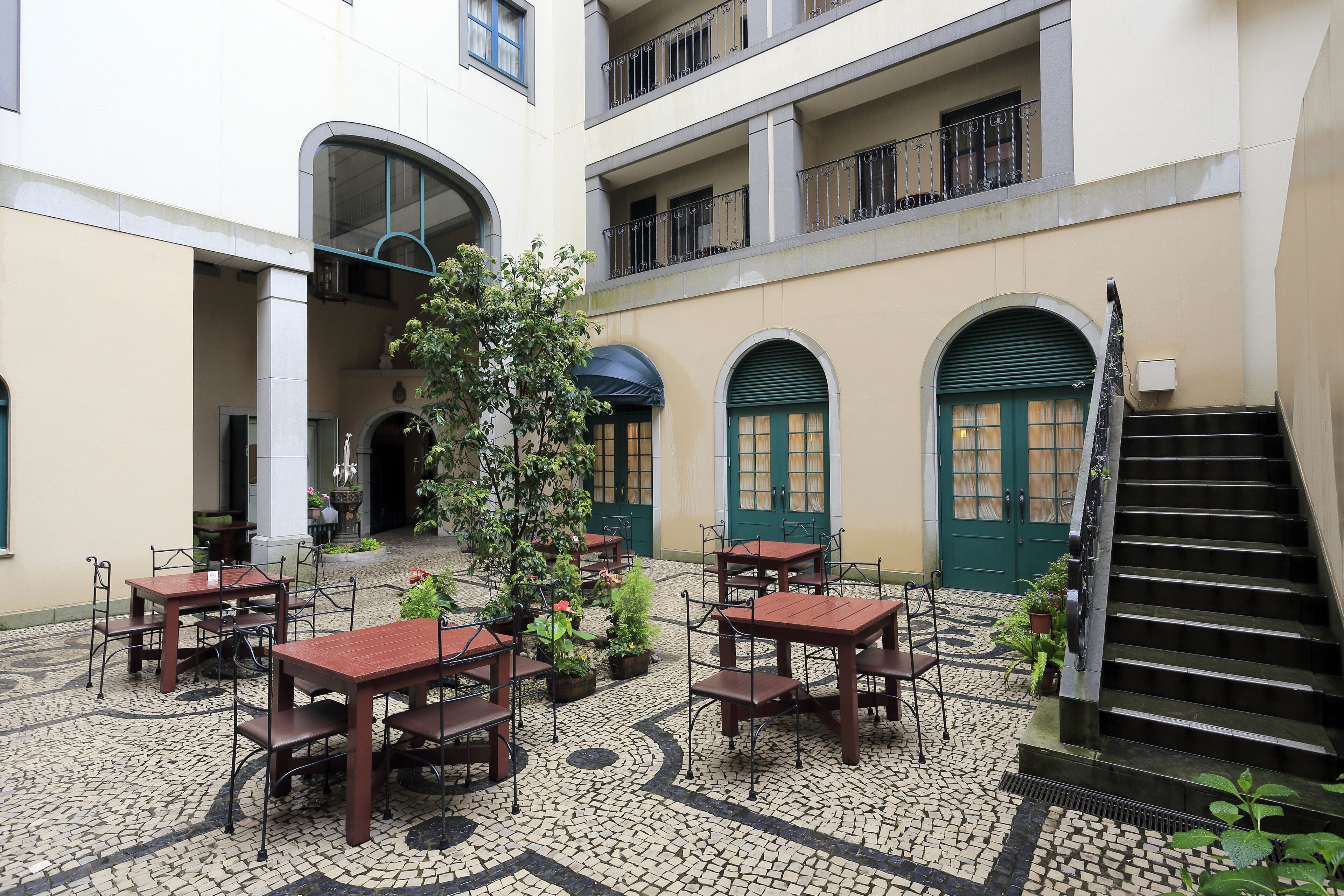
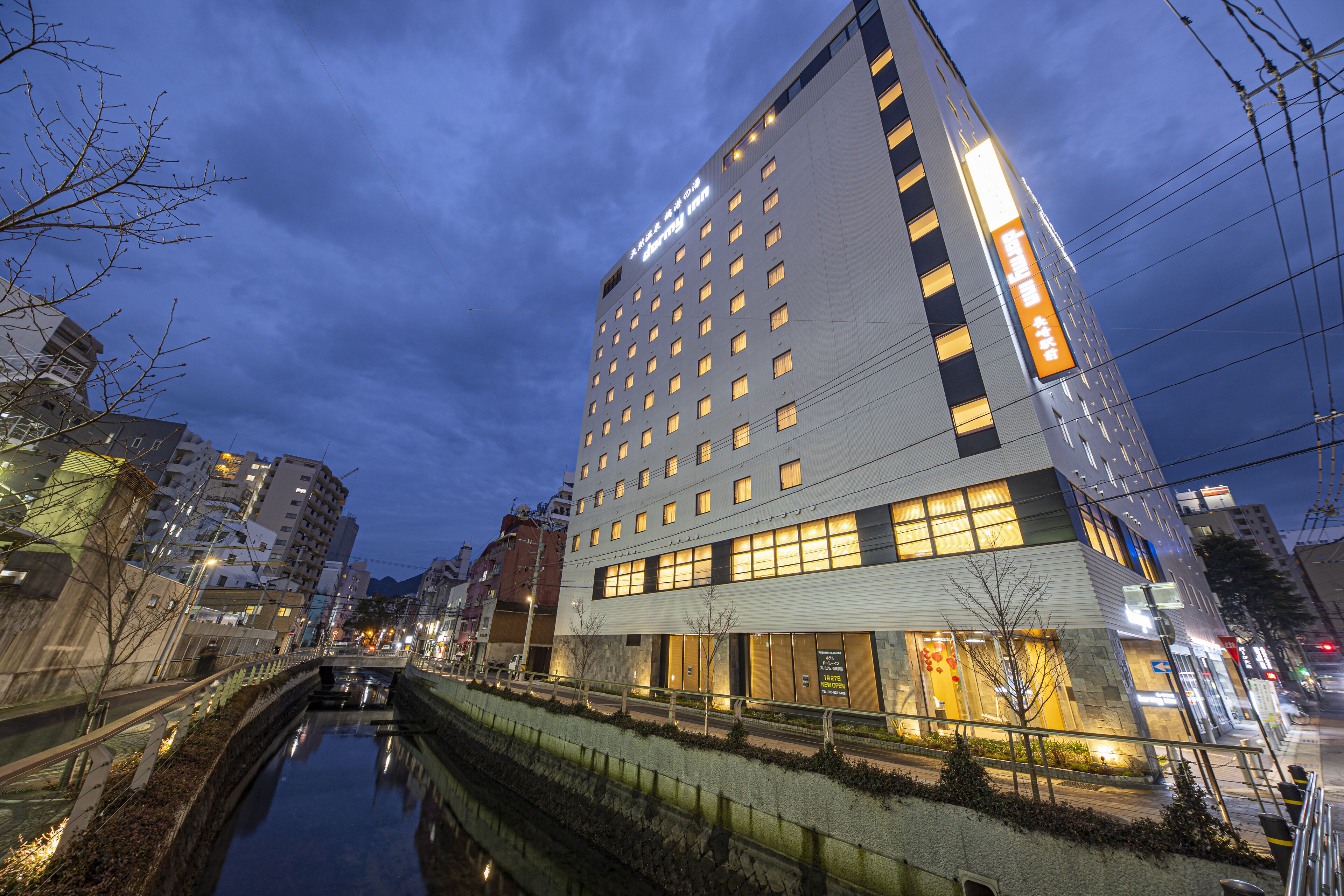
For the most evocative experience, stay in the Minamiyamate or Oura districts. These neighborhoods allow you to wake up to the sound of ship horns and enjoy a short, uphill walk to the garden before the midday crowds arrive.
Getting There
Take the Nagasaki Electric Tramway (Blue Line No. 5) to the 'Ouratenshudogami' stop. From there, it is a 5-minute uphill walk through a charming shopping street. Trams run every 5-8 minutes.
FAQ
Inspired?
Share this destiny with someone special.