Wakayama
Welcome to Nachi Falls
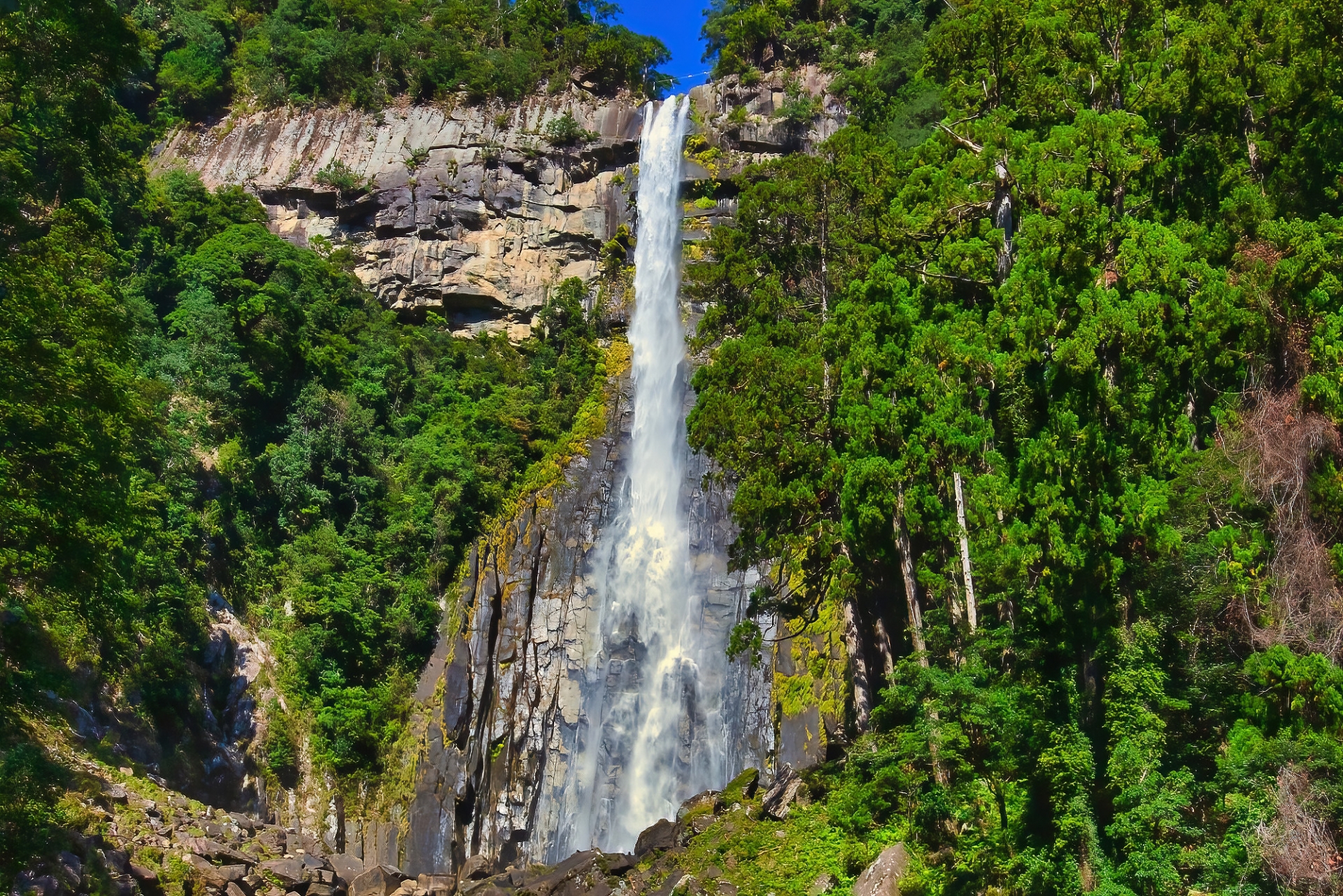
Standing before Nachi Falls is not merely a sightseeing venture; it is an encounter with the primordial. As Japan’s tallest single-tier waterfall, it plunges 133 meters with a roar that vibrates through your very marrow. The air here is thick with the scent of ancient cedar and the cool, saline mist drifting from the nearby Pacific. For over a millennium, emperors and commoners alike have trekked the Kumano Kodo to witness this vertical ribbon of white water framed by the vermillion brilliance of the Seiganto-ji pagoda. It is a place where the barrier between the physical and spiritual worlds thins, offering a profound sense of clarity and renewal to every traveler who reaches its base.
Kumano Nachi Taisha
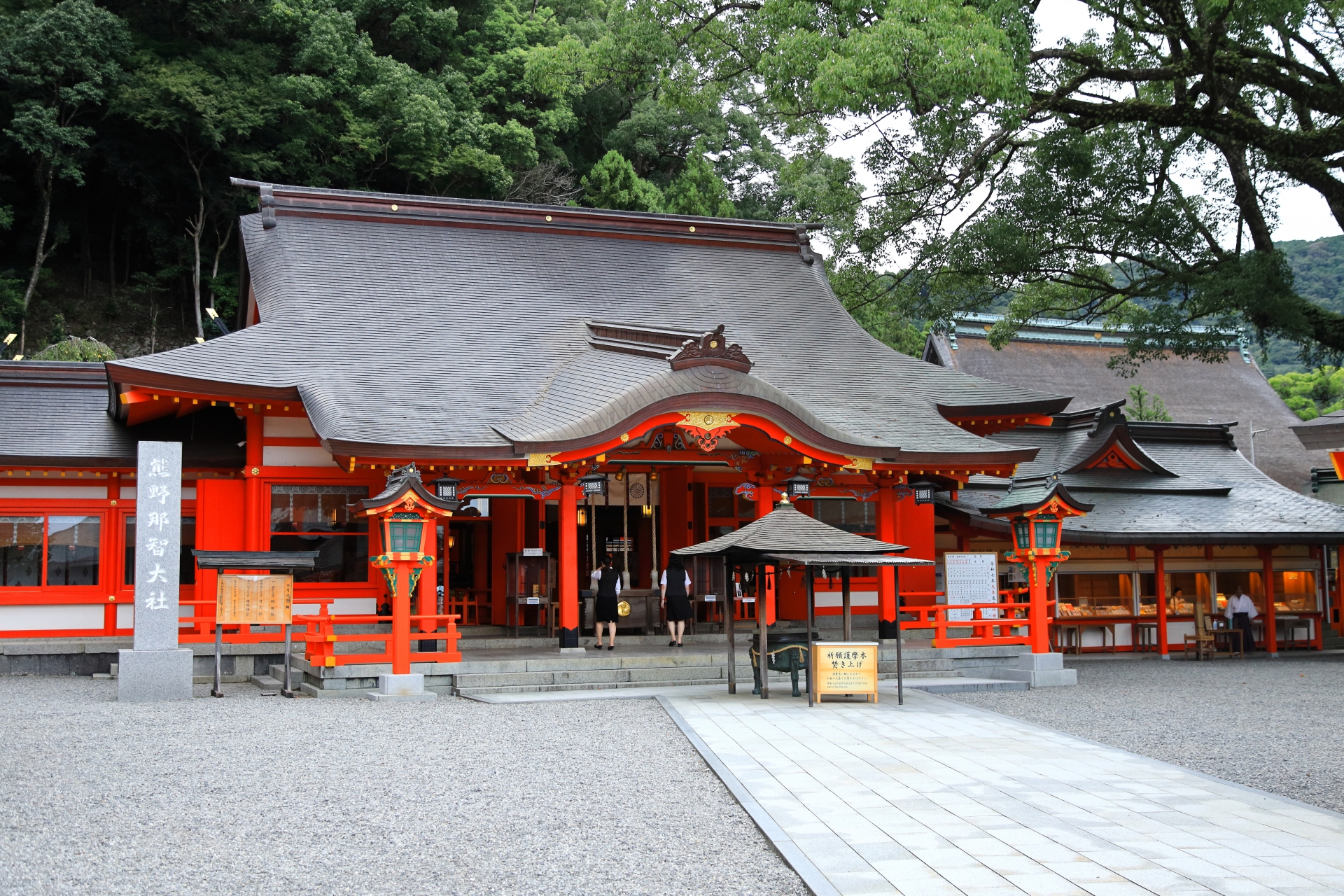
Perched high on the mountainside, this grand shrine is the spiritual heart of the region. The vibrant vermillion architecture creates a stunning contrast against the deep emerald of the surrounding forest. As you ascend the stone steps, the scent of burning incense and the rhythmic chanting of priests transport you to an era of imperial pilgrimage. The sacred camphor tree, hollowed by time, invites you to walk through its trunk—a symbolic act of rebirth that leaves you feeling lighter and strangely attuned to the mountain's ancient pulse.
Seiganto-ji Temple & Three-Story Pagoda
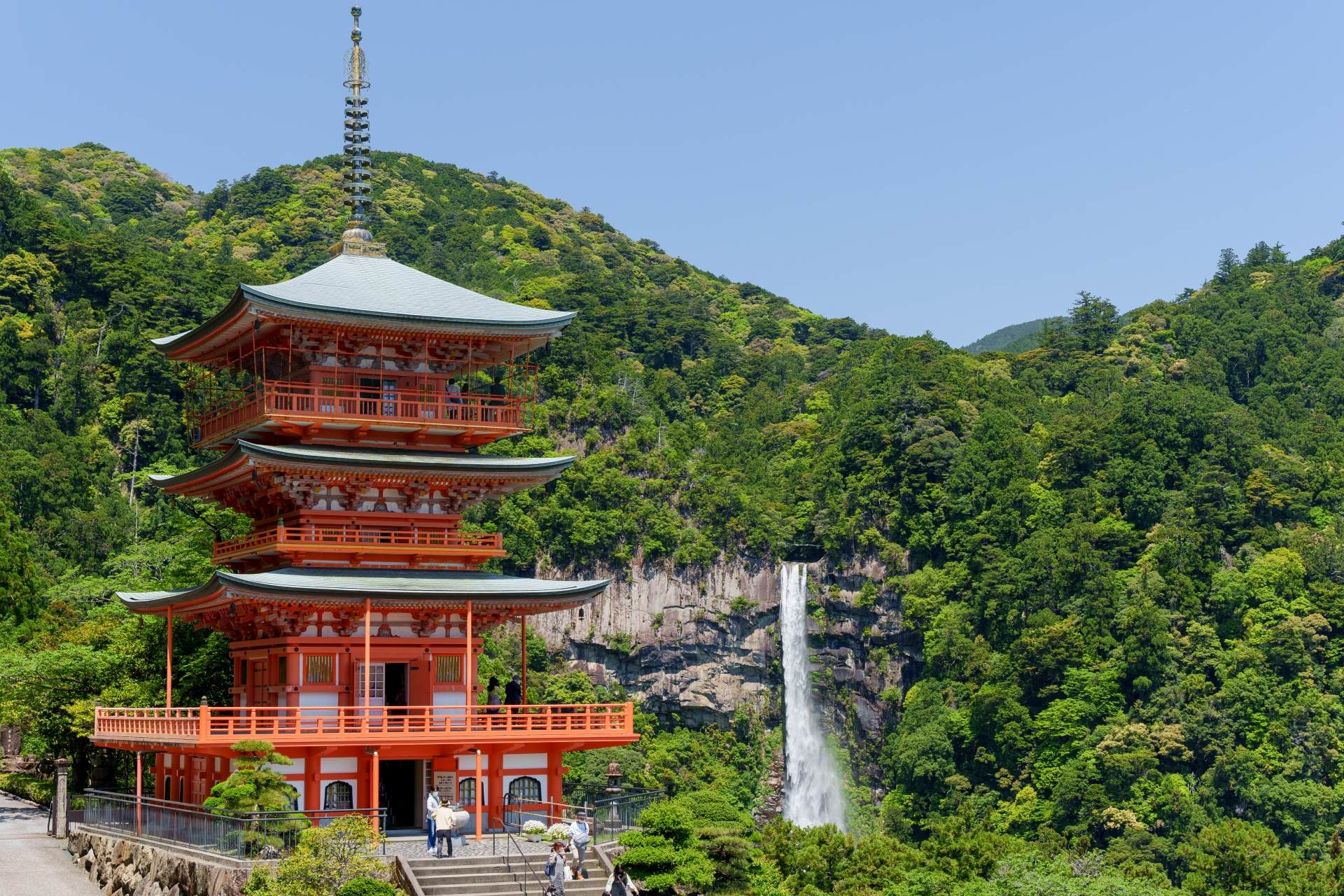
This is the quintessential image of Japan: a brilliant red pagoda standing in silent vigil as the massive waterfall thunders in the background. Seiganto-ji is the oldest building in the Kumano area, exuding a weathered, wabi-sabi elegance. Inside, the dim light reveals intricate wood carvings and golden icons that have observed centuries of devotion. The view from the pagoda's observation deck offers a panoramic synthesis of human craftsmanship and nature's raw power, making it the ultimate destination for those seeking the perfect photographic and spiritual moment.
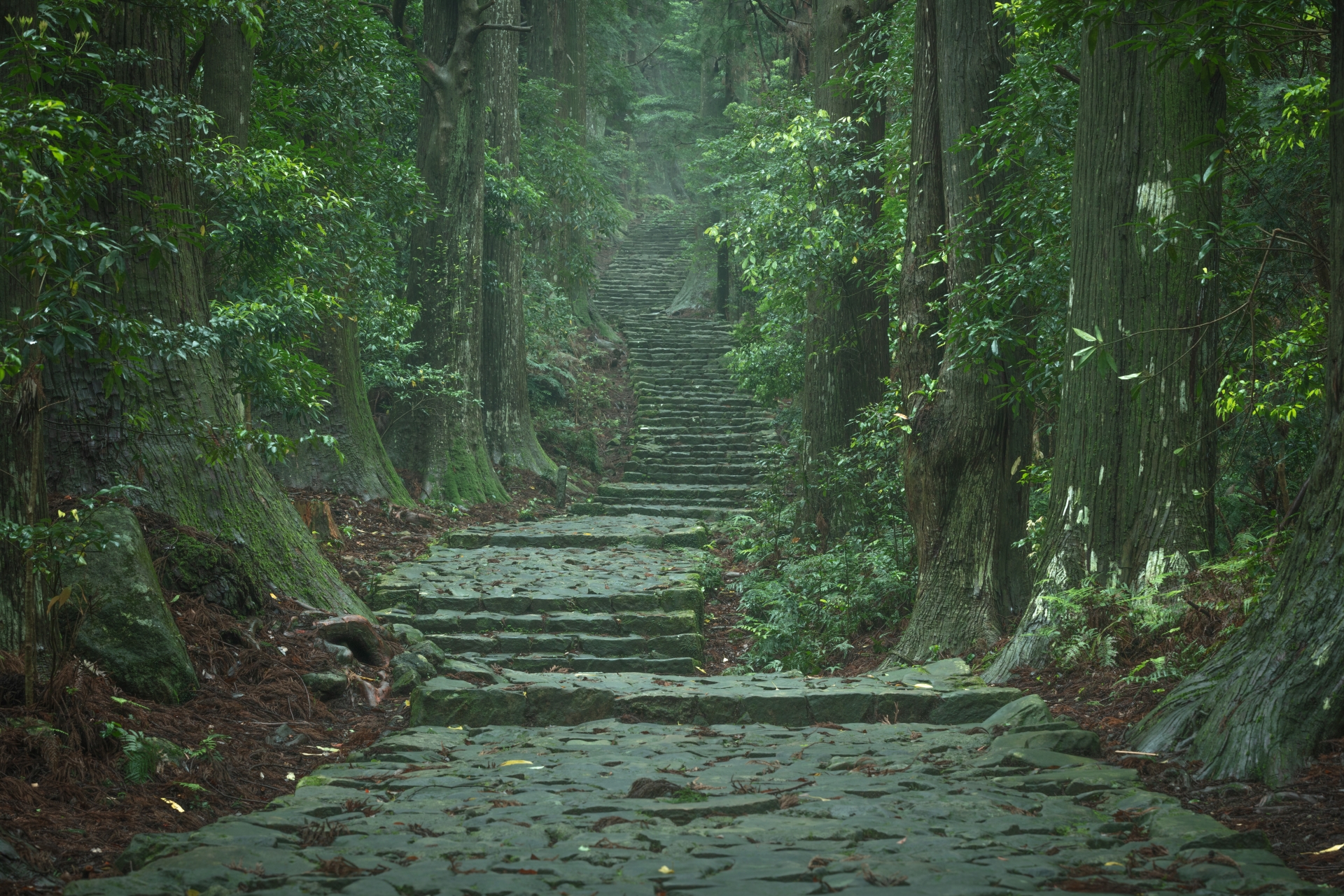
Daimon-zaka Slope
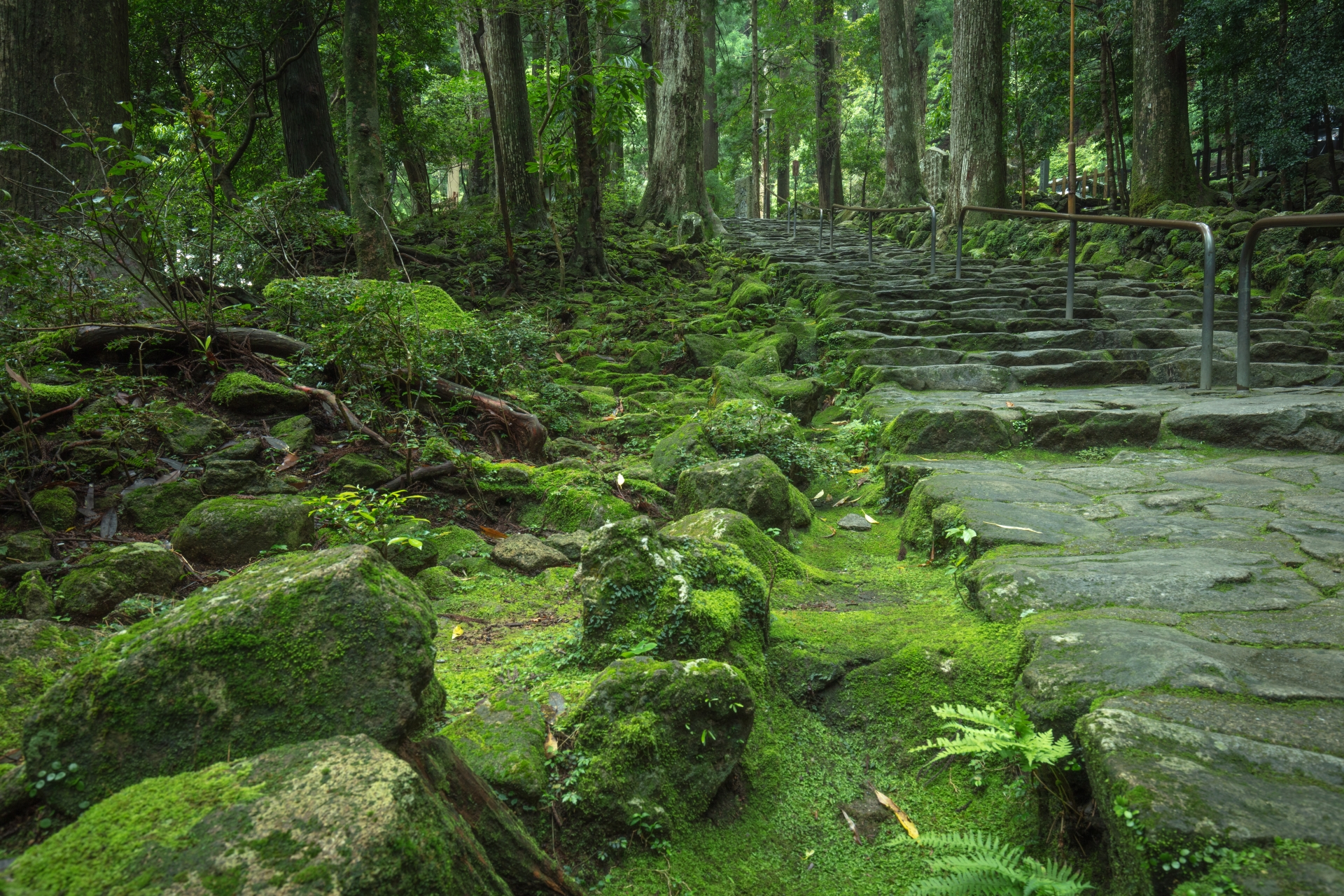
Walking the Daimon-zaka is like stepping into a living ink-wash painting. This 600-meter cobblestone path is flanked by towering 'Meoto Sugi' (Husband and Wife) cedars that have stood for over 800 years. The damp, mossy stones provide a rhythmic 'clack' underfoot, echoing the footsteps of countless pilgrims. The air is noticeably cooler here, filtered through a dense canopy that allows only shards of golden light to reach the forest floor. It is a meditative approach to the falls that prepares the soul for the grandeur ahead.
Local Soul Food
Tastes you can't find anywhere else.
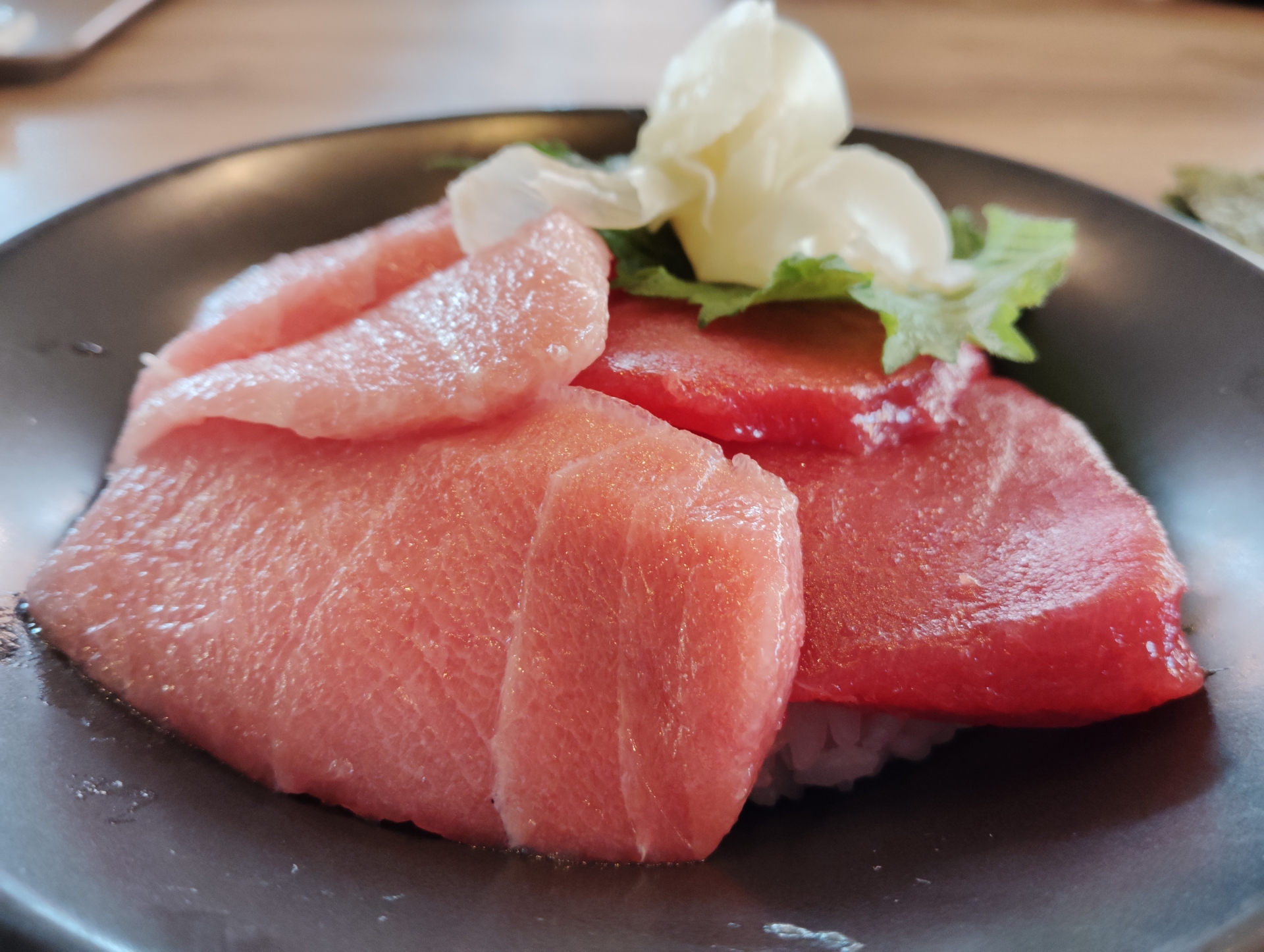
Katsuura Wild Bluefin Tuna
Forget everything you know about sashimi. In nearby Katsuura, the tuna is never frozen, preserving a buttery, melt-in-the-mouth texture that is unparalleled. Each slice of 'Otoro' glows with a pearlescent sheen, offering a clean, oceanic sweetness that dissolves on the tongue like silk. It is the pinnacle of Japanese seafood, served with freshly grated wasabi that enhances rather than masks the delicate fat.
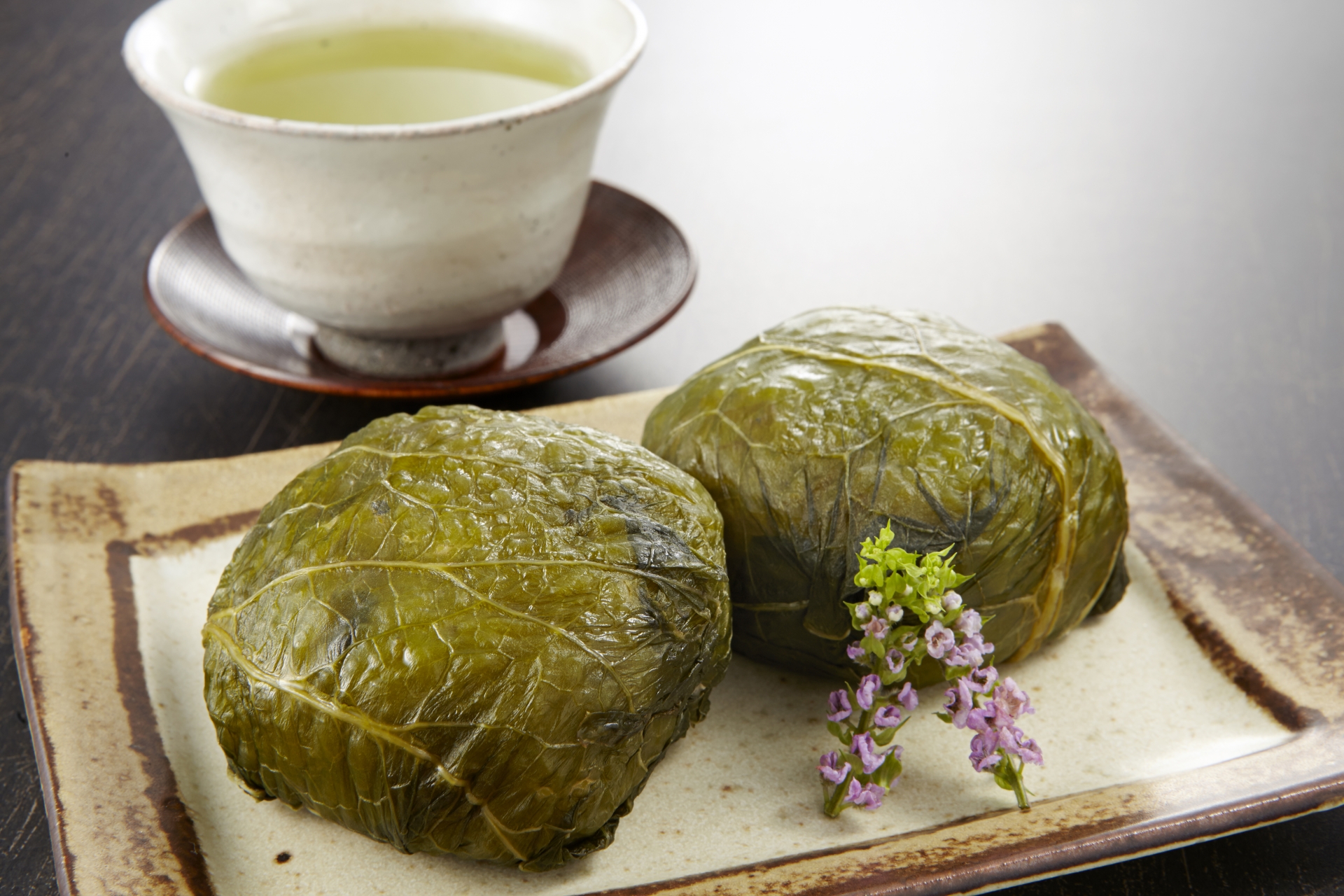
Mehari-zushi
A rustic soul-food staple of the Kumano pilgrims. These large rice balls are wrapped in pungent, salt-pickled mustard leaves. The crunch of the leaf gives way to fluffy, vinegared rice, creating a savory and refreshing explosion. The slight bitterness of the greens perfectly cuts through the humidity of a hiking day, providing a satisfying, earthy energy boost that tastes of the mountains themselves.
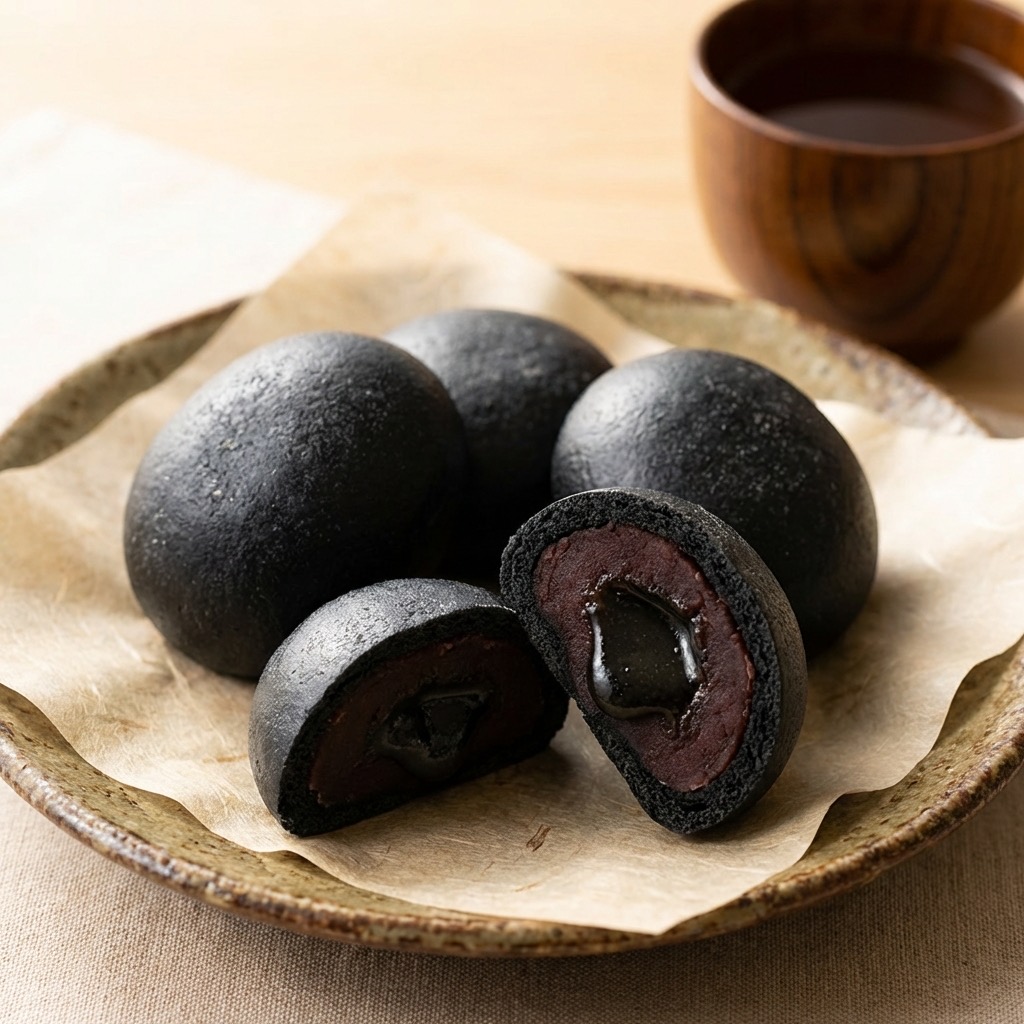
Yatagarasu Black Sesame Manju
Inspired by the three-legged crow of Japanese mythology, these steamed buns are a dark, decadent delight. The dough is infused with charcoal and black sesame, yielding a nutty aroma. Inside, a dense, velvety red bean paste provides a sophisticated sweetness. Best enjoyed warm, the steam carries the scent of toasted sesame, making it the perfect companion to a cup of bitter green tea.
Premium Stays
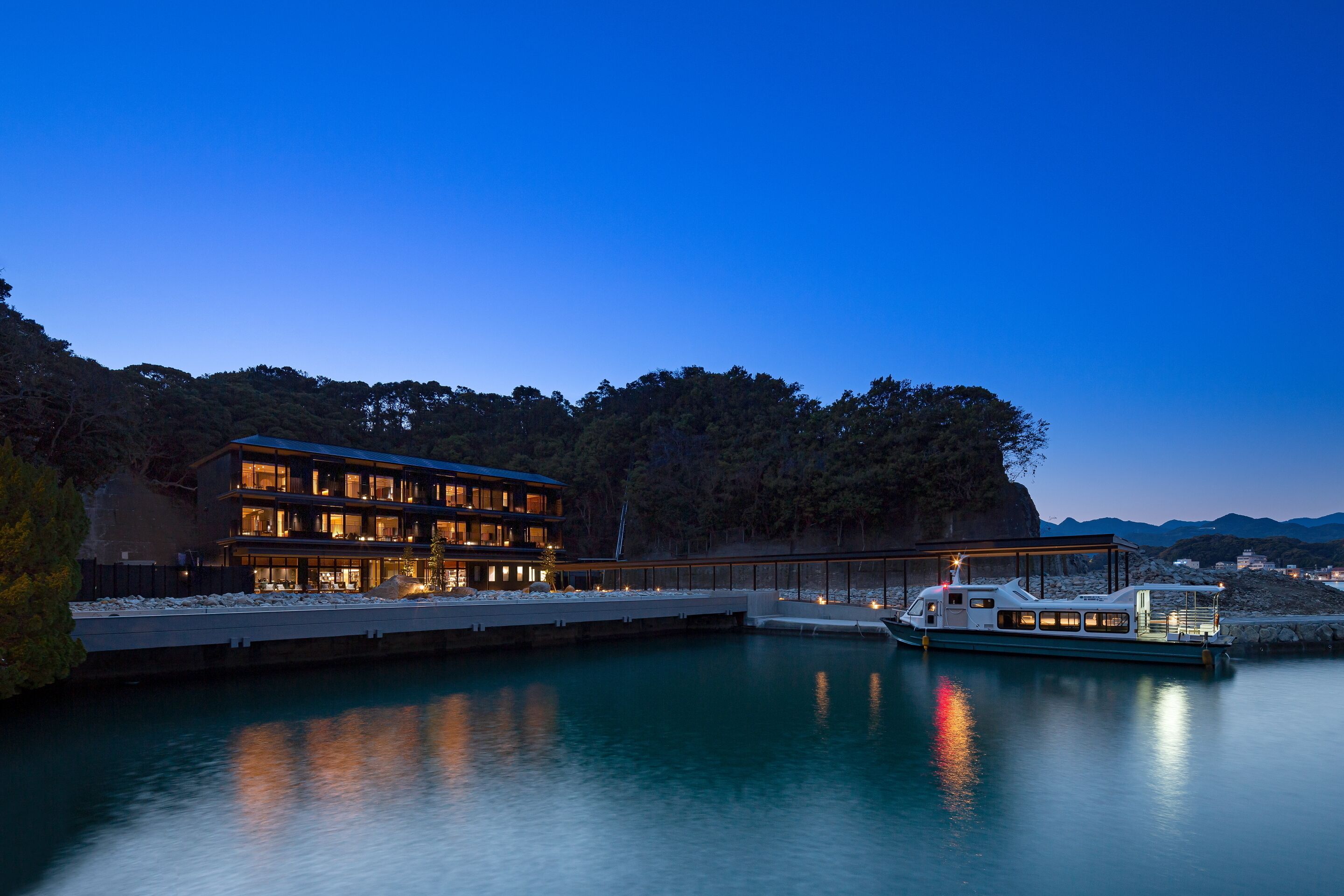
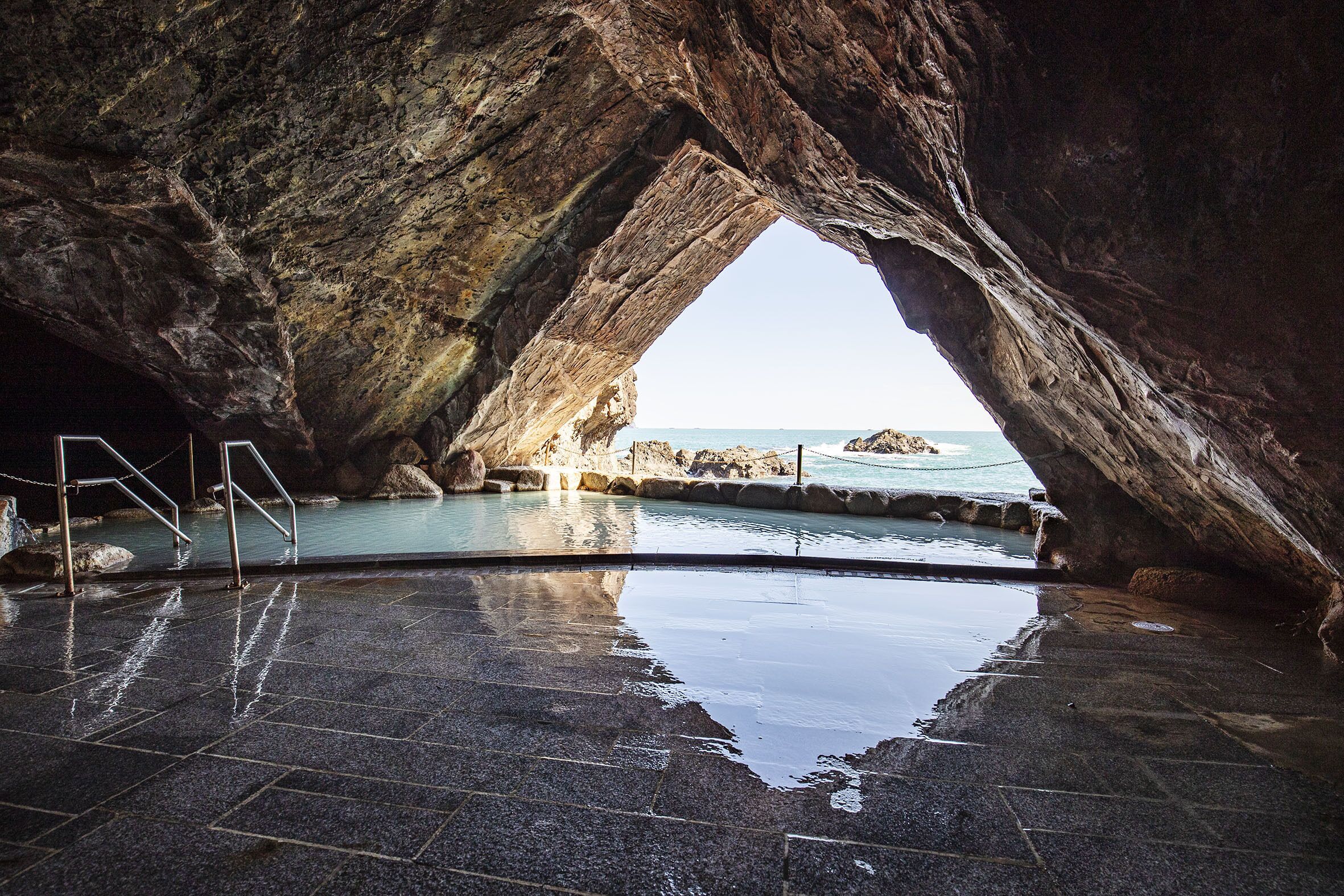
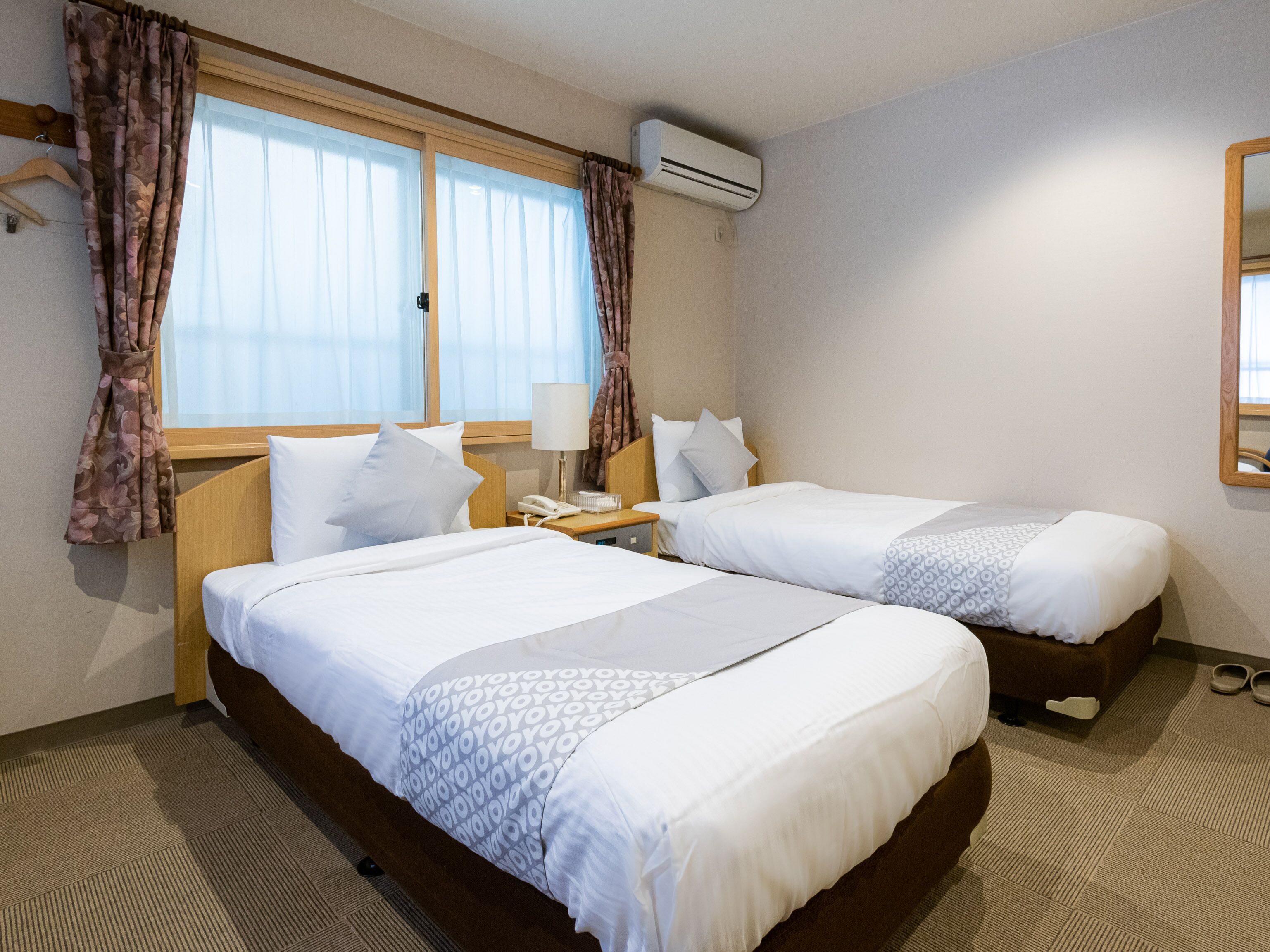
To truly absorb the spiritual energy of Nachi, stay in the coastal town of Katsuura. It offers the perfect juxtaposition of mountain serenity and the rejuvenating power of the Pacific’s natural hot springs.
Getting There
Take the JR Kuroshio Limited Express from Osaka to Kii-Katsuura Station. From there, the 'Nachi Mountain' bus departs every 30-45 minutes. Note: The last bus back from the falls is usually around 17:00.
FAQ
Inspired?
Share this destiny with someone special.