Welcome to Chusonji Temple
Ascending the mystical Tsukizaka slope, the air thickens with the scent of damp moss and centuries-old cedar needles. Chusonji is not merely a temple; it is a physical manifestation of the Pure Land, a golden utopia envisioned by the Northern Fujiwara clan. As you walk the sacred grounds of this UNESCO World Heritage site, the silence is punctuated only by the distant chime of a bell and the rustle of leaves. The centerpiece, Konjikido, glows with a celestial radiance that defies time, wrapped in gold leaf and intricate mother-of-pearl. This is a sanctuary for the soul, offering a profound connection to Japan’s spiritual zenith and a sensory journey through the heart of Tohoku.
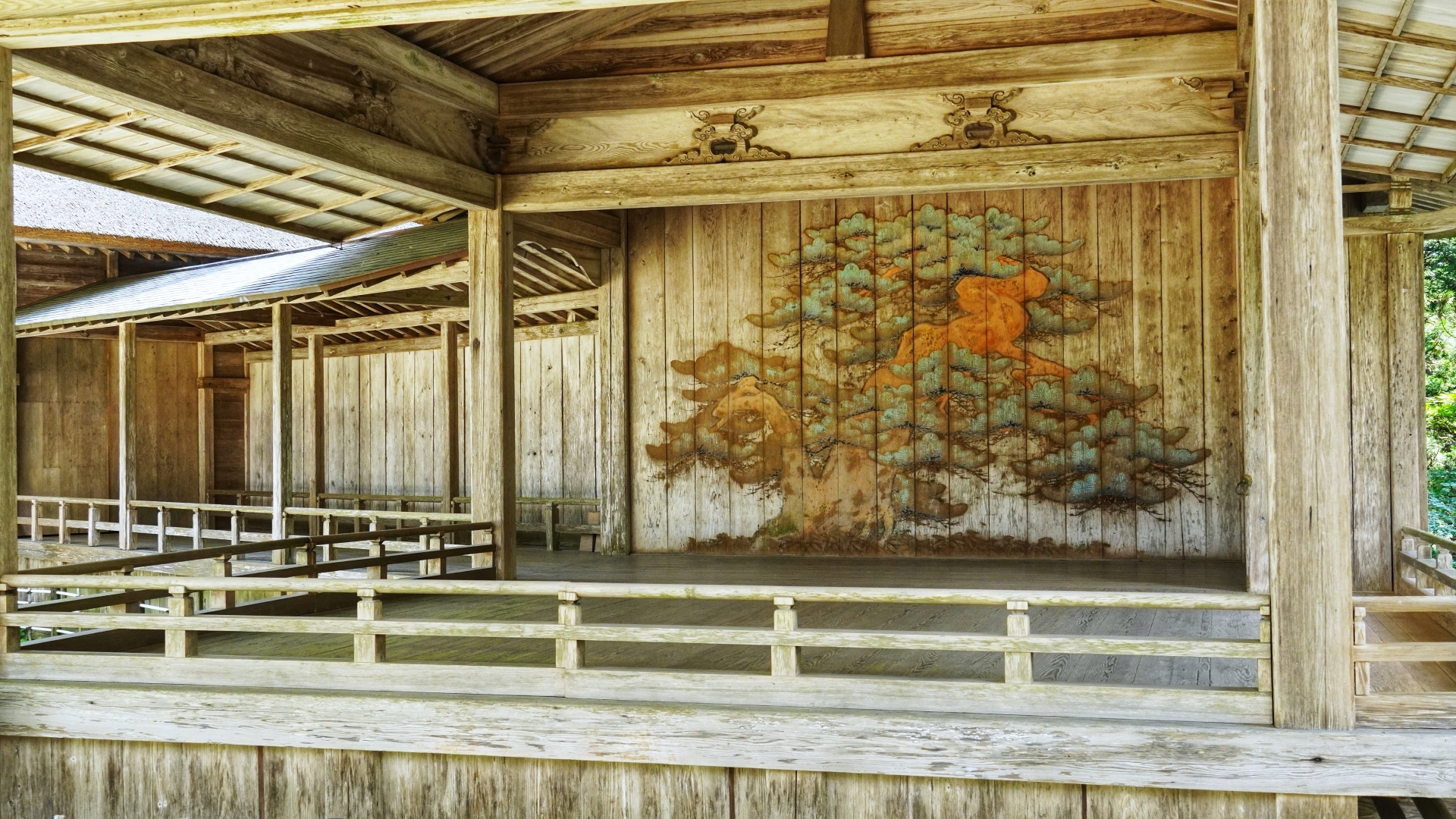
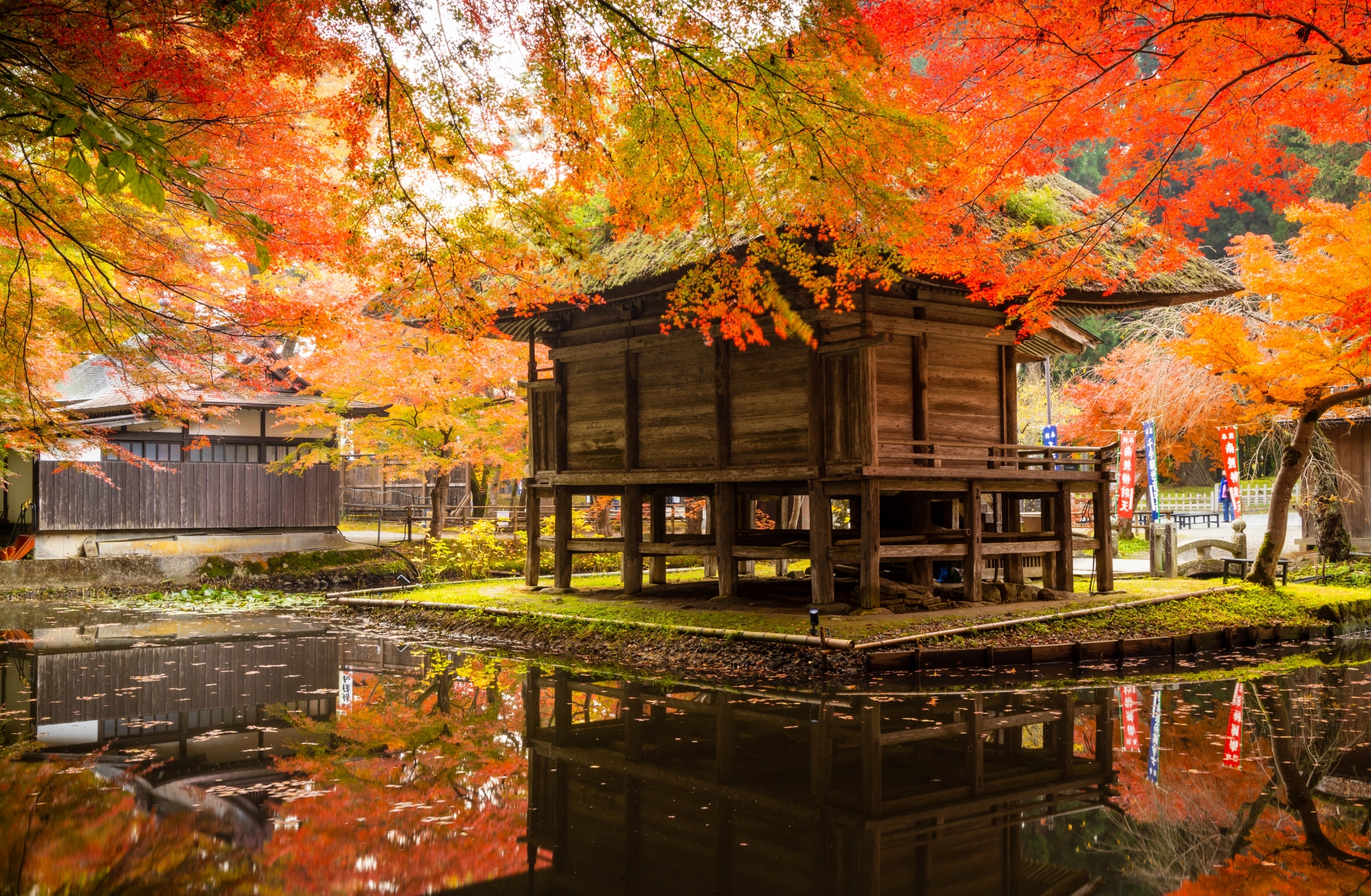
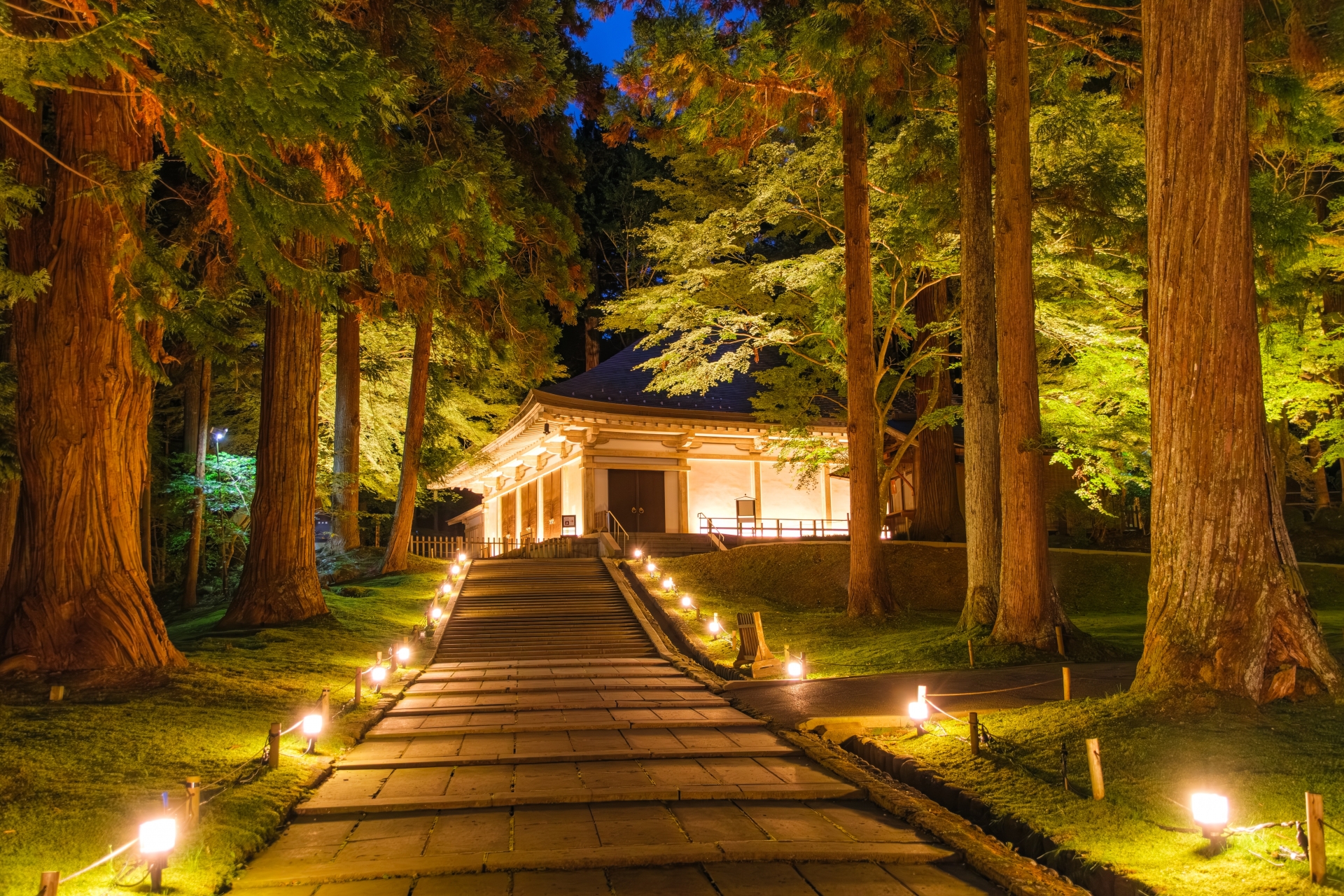
Konjikido (Golden Hall)
The crown jewel of Hiraizumi, Konjikido is a breathtaking structure entirely covered in gold leaf, both inside and out. Housed within a protective concrete shell, the hall glimmers with an ethereal light, showcasing the pinnacle of 12th-century craftsmanship. Observe the intricate raden (mother-of-pearl) inlays and the delicate maki-e lacquer work that adorns the pillars. It serves as a mausoleum for the Fujiwara leaders, standing as a silent, shimmering testament to a lost golden age of peace and artistic devotion.
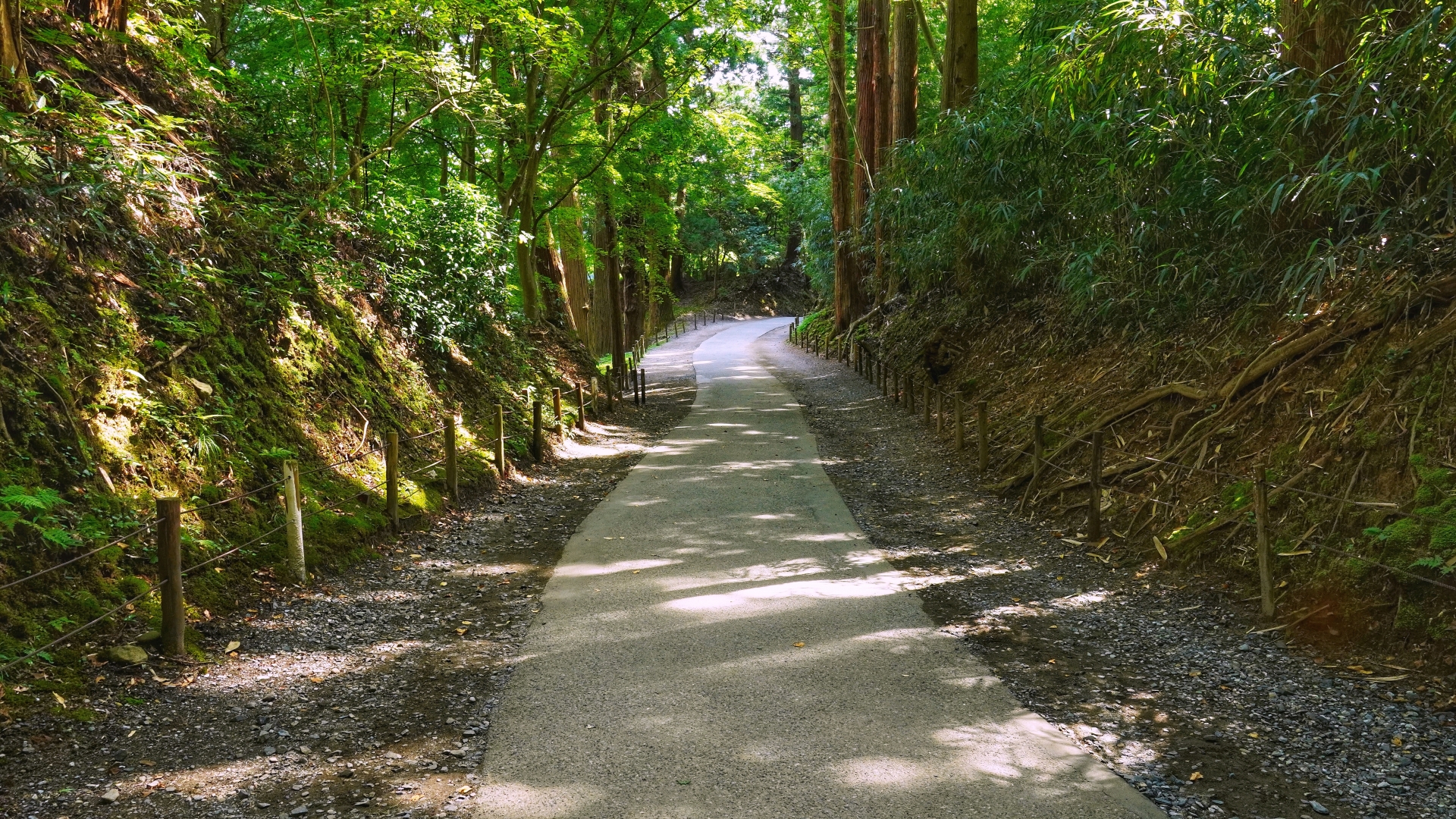
Tsukizaka Slope (Moon Viewing Slope)
The approach to Chusonji is a spiritual transition. This steep, 800-meter path is lined with towering cedar trees, some over 300 years old, which cast long, dramatic shadows across the moss-covered earth. As you climb, the modern world fades away, replaced by the rhythmic crunch of gravel and the cool, oxygen-rich air of the forest. Several lookout points offer sweeping vistas of the Kitakami River and the surrounding valley, providing a moment of literal and metaphorical elevation.
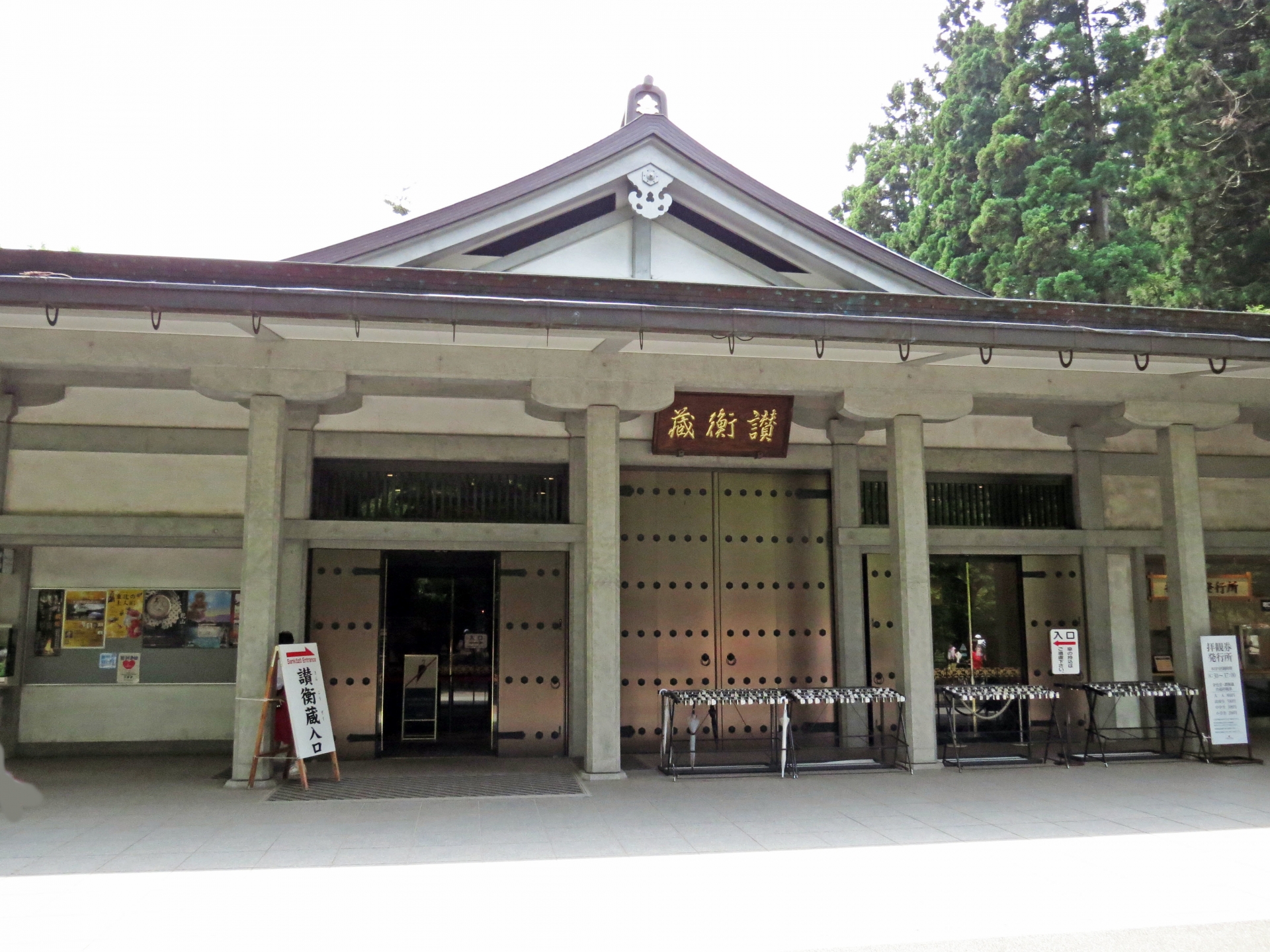
Sankozo Museum
To truly grasp the magnitude of the Fujiwara legacy, one must visit the Sankozo. This modern treasure house protects over 3,000 national treasures and important cultural properties. The highlight is the collection of massive, serene wooden Buddhas that once graced the temple's various halls. Their scale is humbling, and the preservation of their delicate features allows for an intimate look at the spiritual aspirations of a medieval dynasty. It is a masterclass in Japanese Buddhist iconography.
Local Soul Food
Tastes you can't find anywhere else.
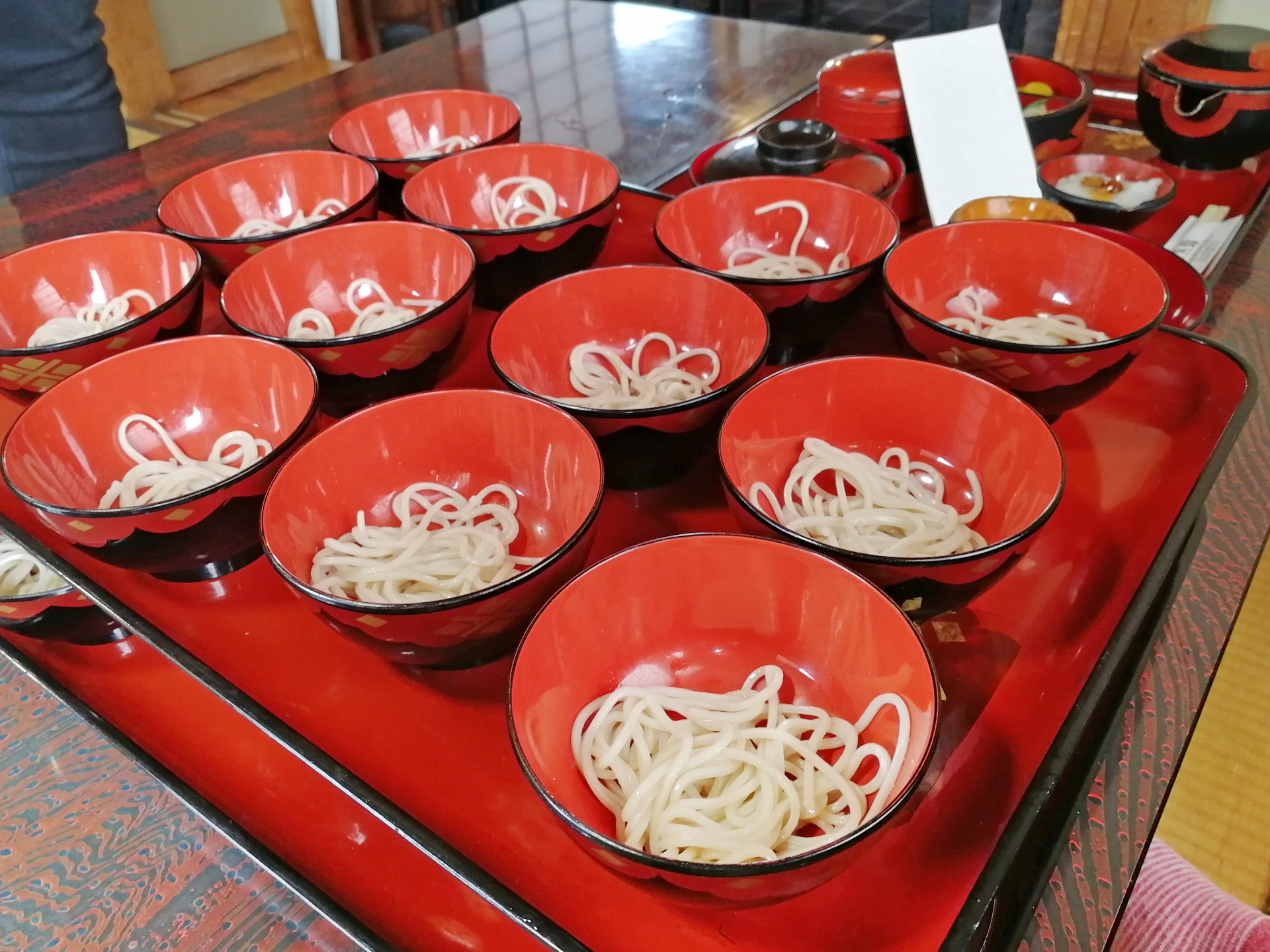
Wanko Soba (Hiraizumi Style)
Experience the rhythmic theatre of Wanko Soba. Unlike the 'all-you-can-eat' frenzy of Morioka, Hiraizumi style serves 24 small bowls at once on a lacquer tray. Each bite of the nutty, chilled buckwheat noodle is enhanced by local condiments like spicy daikon, nameko mushrooms, and seaweed. The sliding texture of the noodles against the savory dashi broth is a culinary dance of simplicity and elegance.
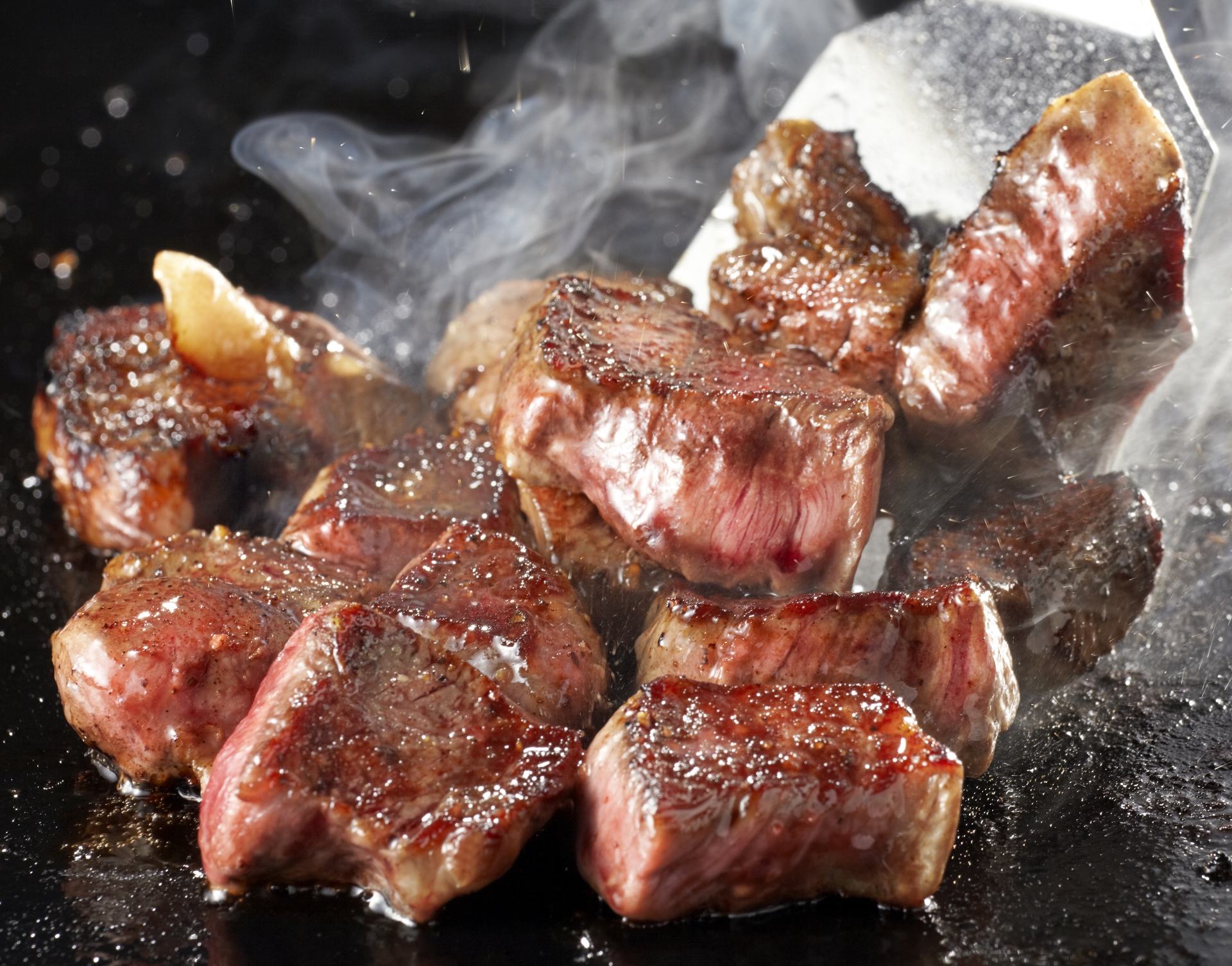
Maesawa Beef Teppanyaki
Indulge in the buttery melt of Maesawa Beef, Iwate’s premier Wagyu. The intense marbling creates a texture that dissolves instantly on the palate, releasing a rich, sweet umami flavor. Sizzled on a hot stone or teppan, the aroma of rendered fat and high-quality beef is intoxicating. It is often served with nothing but a pinch of local sea salt to let the premium quality shine.
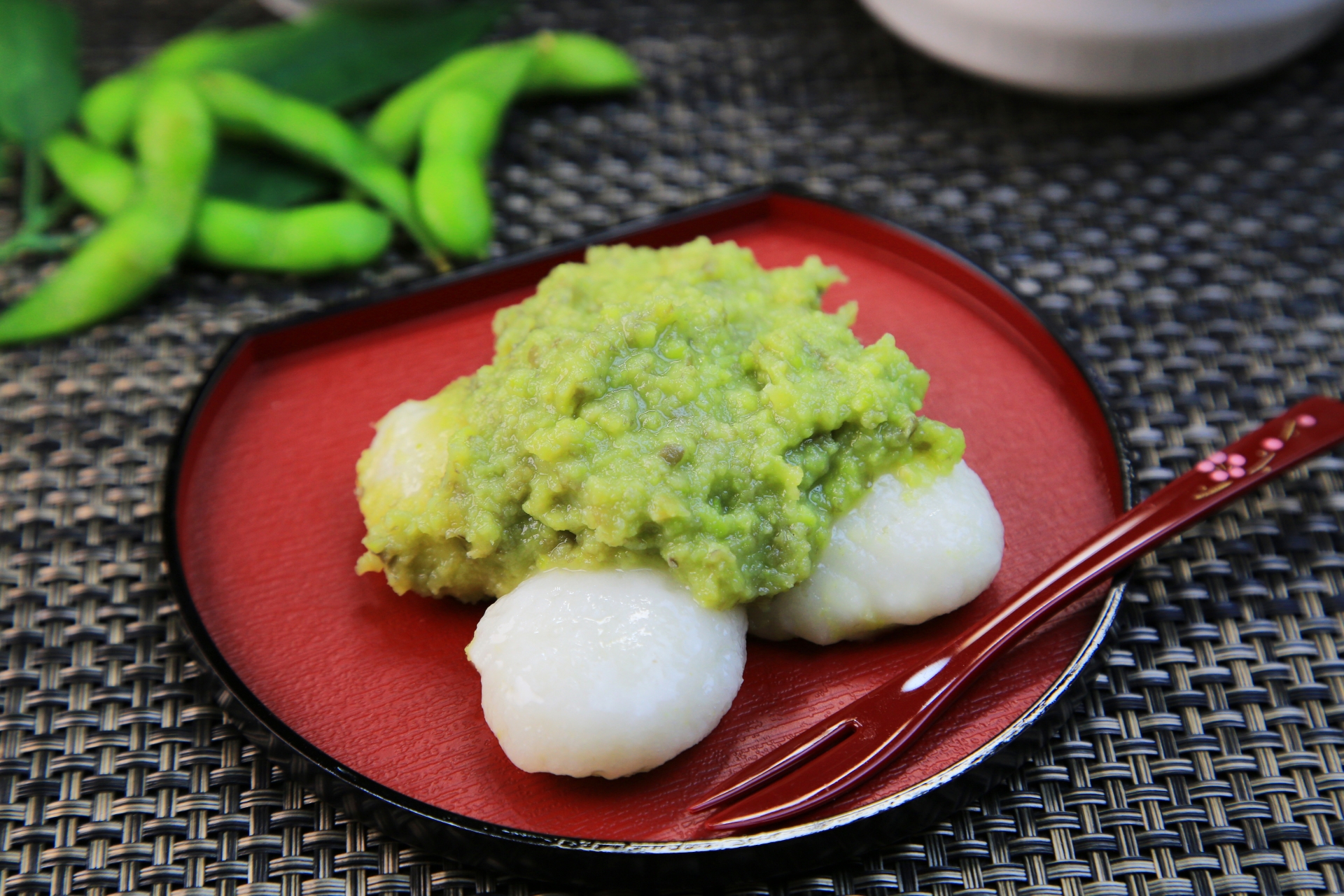
Zunda Mochi
A vibrant, emerald-green specialty of the region. Fresh edamame are boiled, mashed, and sweetened to create a textured paste that blankets soft, chewy rice cakes. The flavor is a sophisticated balance of earthy vegetable notes and delicate sweetness. The fragrance of freshly crushed beans provides a refreshing finish to a day of spiritual exploration.
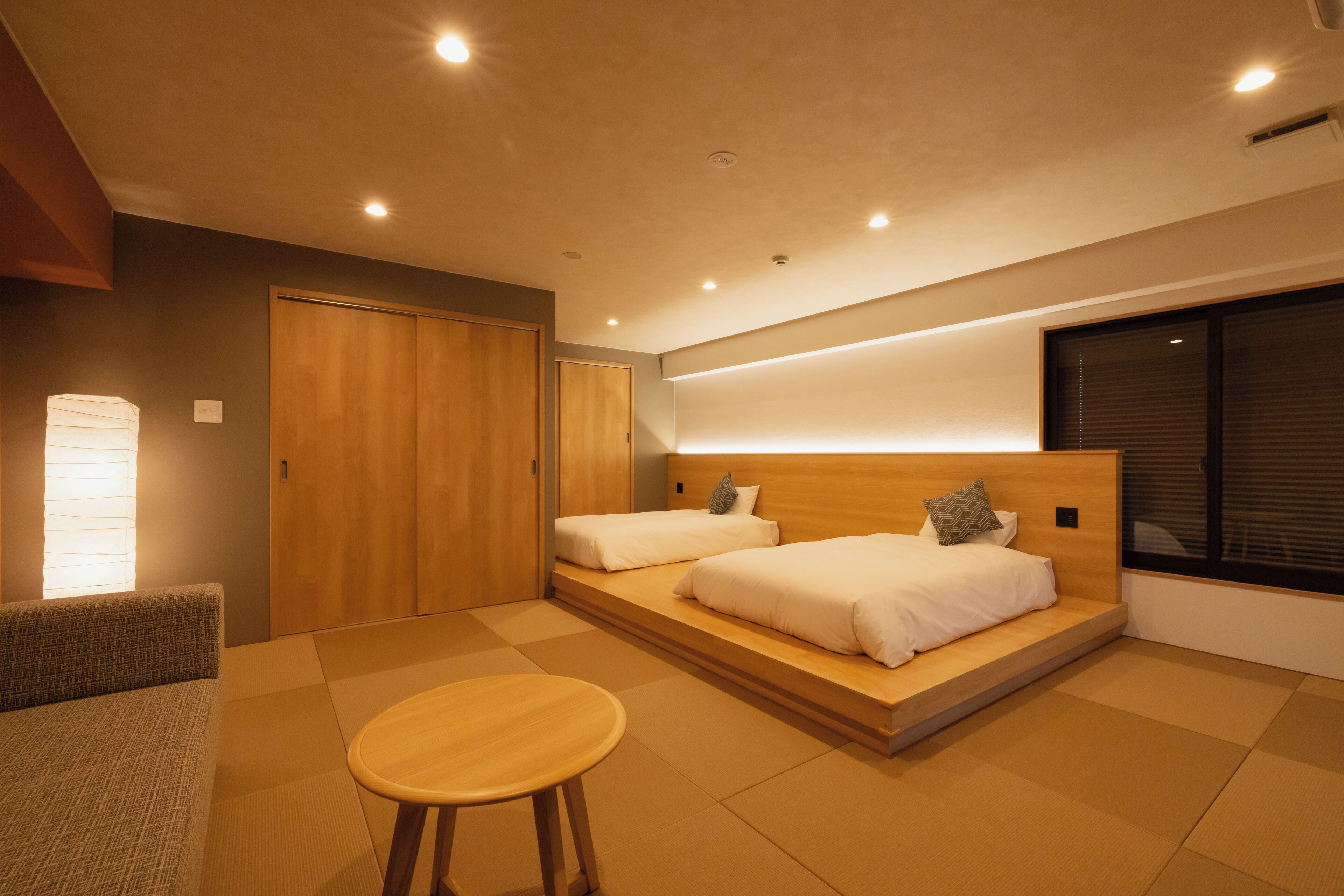
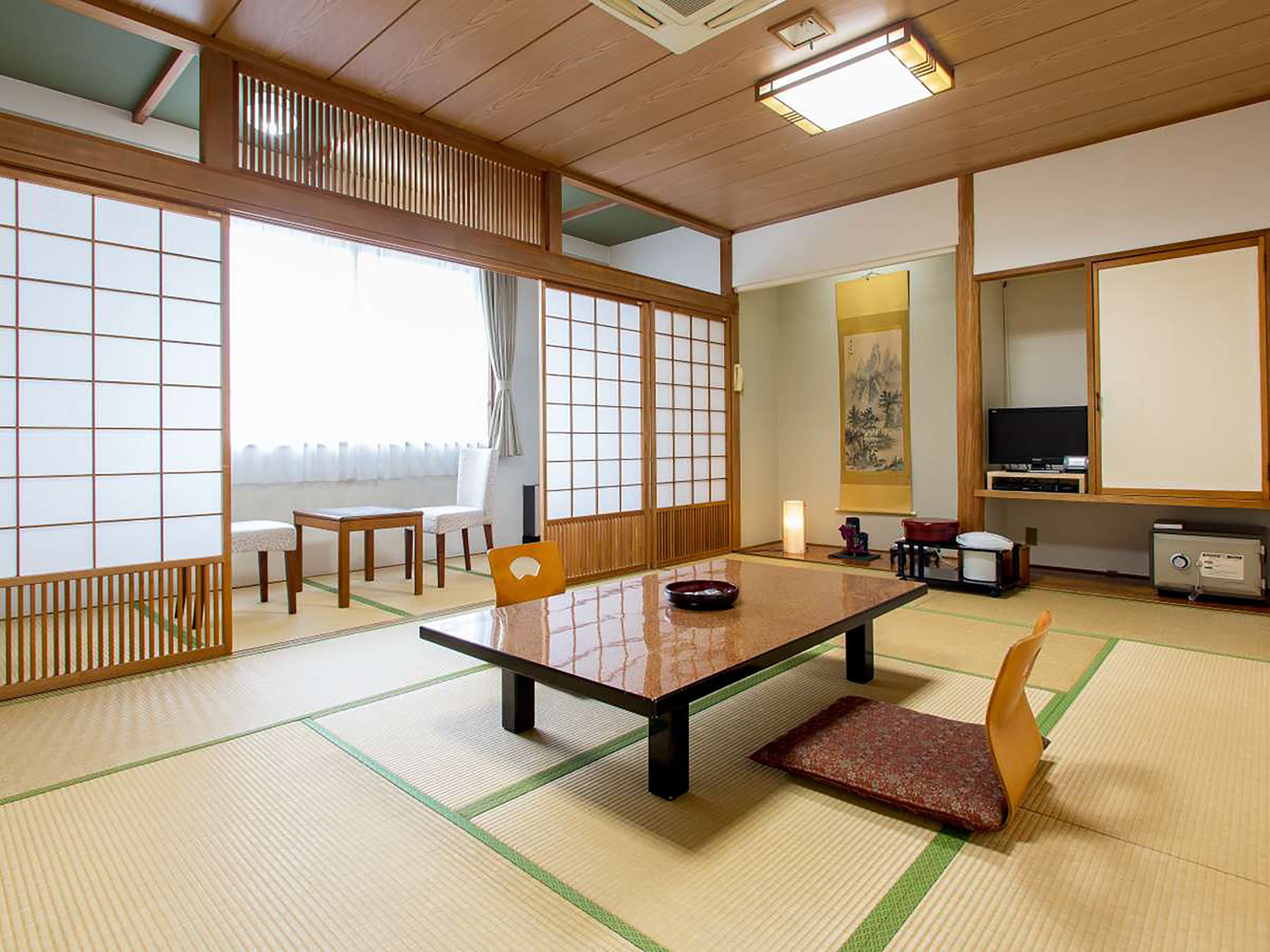
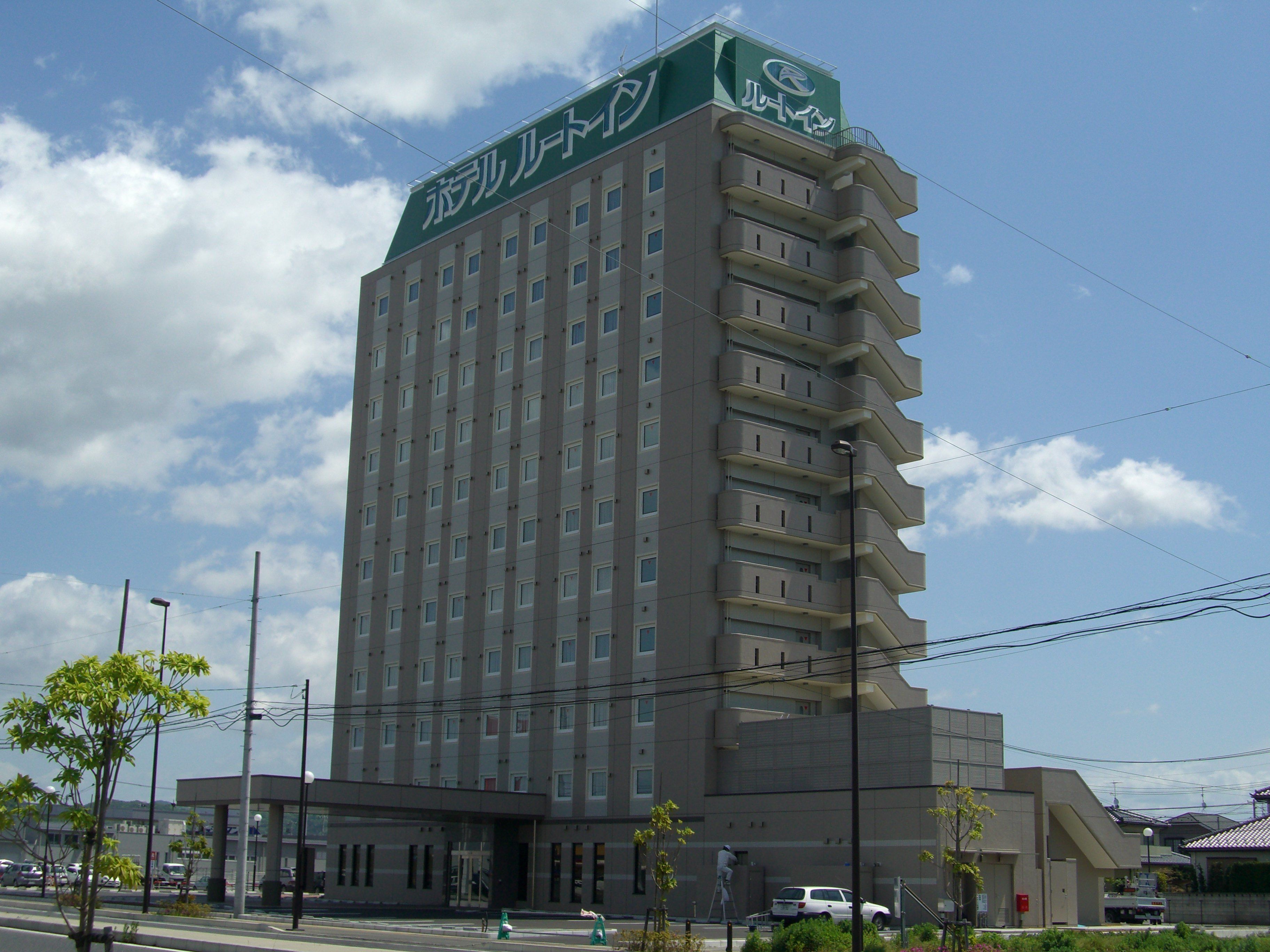
Premium Stays
For an immersive experience, stay within Hiraizumi to enjoy the temple grounds at dawn. Alternatively, nearby Ichinoseki offers modern convenience and transit links.
Getting There
Take the Tohoku Shinkansen to Ichinoseki Station, then transfer to the JR Tohoku Line for a short 8-minute ride to Hiraizumi Station. From there, the 'RunRun' Loop Bus departs every 15-30 minutes and stops directly at the Chusonji entrance.
FAQ
Inspired?
Share this destiny with someone special.