Yamanashi
Welcome to Lake Kawaguchi
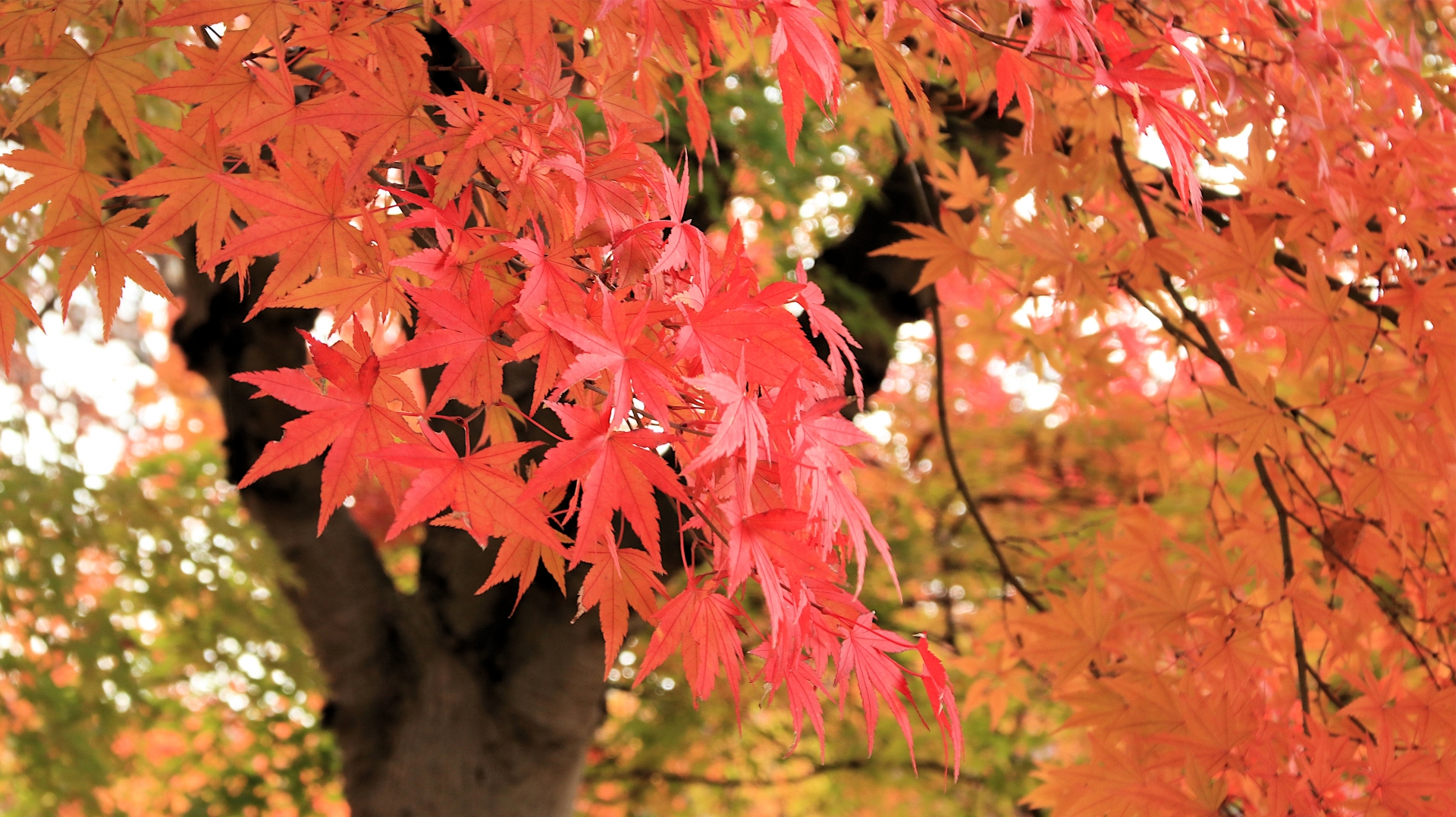
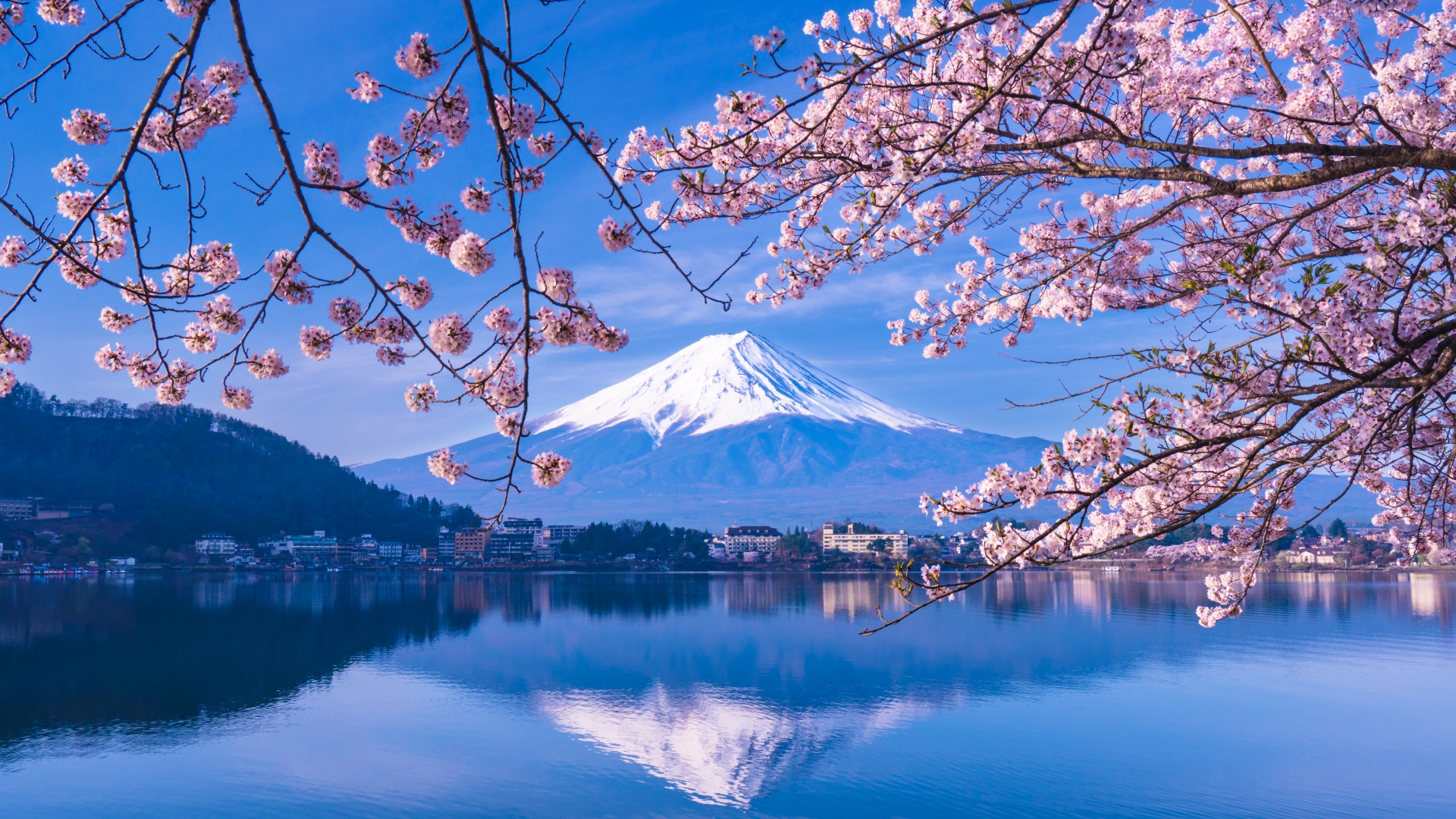
To visit Lake Kawaguchi is to step into a living ukiyo-e woodblock print. As the morning mist clings to the surface of the water, the silhouette of Mt. Fuji emerges—a silent sentinel of basalt and snow. Here, the air carries the crisp scent of pine and the faint, sweet aroma of cherry blossoms or autumn maple. It is a destination that demands presence; a place where the frenetic energy of Tokyo dissolves into the rhythmic lap of water against the shore. Whether you are seeking the spiritual resonance of ancient shrines or the velvety warmth of a private onsen, Kawaguchi offers a sensory symphony that lingers in the soul long after the journey ends.
Chureito Pagoda
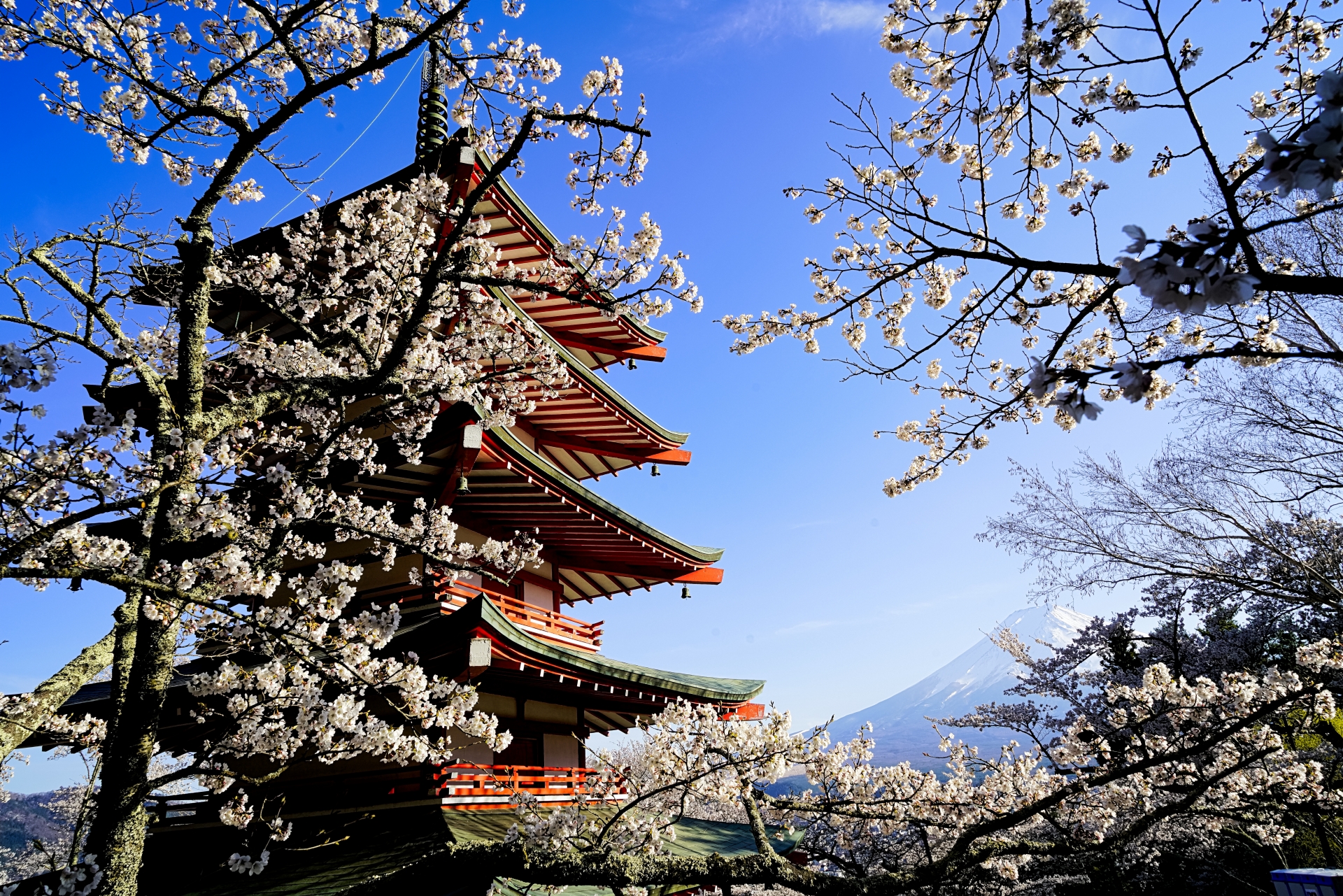
Ascend the 396 steps of Arakurayama Sengen Park to witness the quintessential image of Japan. The vermilion five-storied pagoda stands in defiant elegance against the backdrop of Mt. Fuji. In spring, the air is thick with the delicate perfume of 650 cherry trees, while autumn transforms the hillside into a blazing tapestry of crimson and gold. It is not merely a viewpoint; it is a moment of profound architectural and natural harmony that captures the very essence of the Japanese aesthetic.
Itchiku Kubota Art Museum
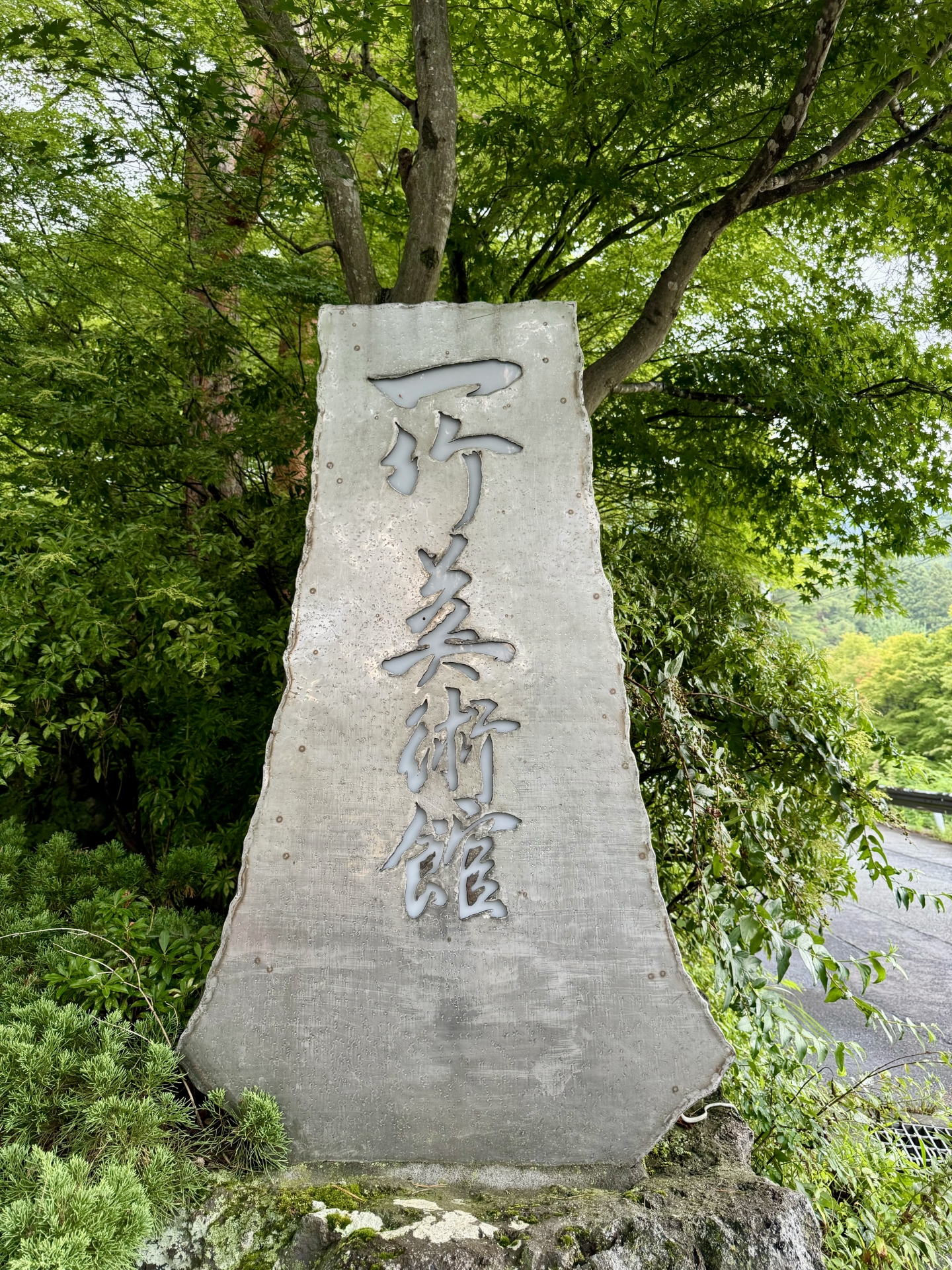
Hidden within a forest of maple trees, this museum is a Gaudi-esque masterpiece of limestone and volcanic rock. Dedicated to the master who revived the lost 16th-century Tsujigahana silk-dyeing technique, the main gallery displays kimonos that depict the cosmos and the changing seasons. The tactile richness of the heavy silk and the organic curves of the building create a sensory sanctuary. Wander through the moss-covered gardens where the sound of trickling water provides a meditative soundtrack to your exploration.
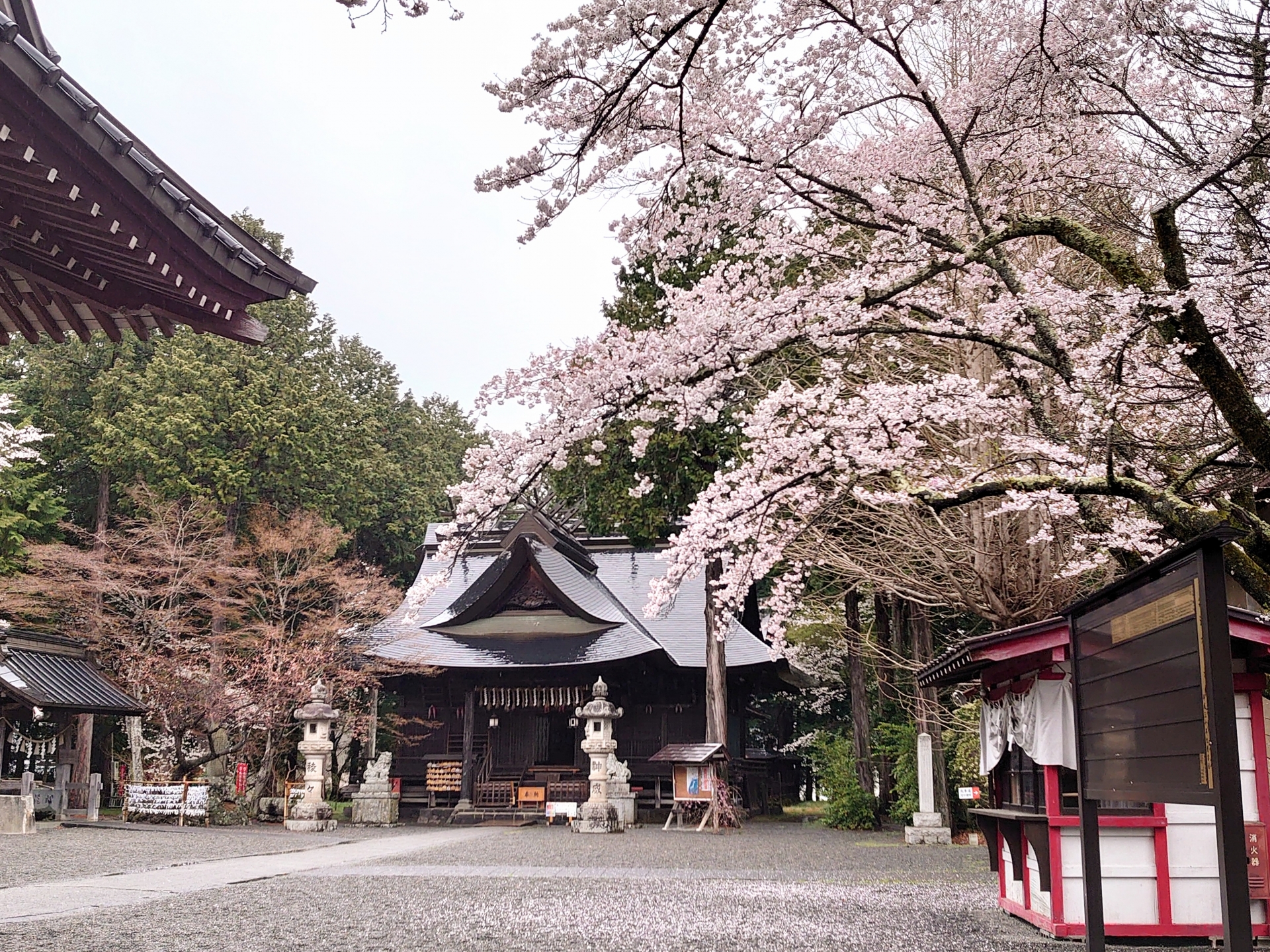
Kawaguchi Asama Shrine
Step into a realm of ancient spirits. This shrine, part of the UNESCO World Heritage site, is home to seven towering cedar trees over 1,200 years old. The 'Seven Cedars' stand like gargantuan pillars reaching for the heavens, their bark rough and weathered by a millennium of seasons. The atmosphere is heavy with the scent of damp earth and cedar resin. A short hike behind the shrine leads to the 'Tenku no Torii' (Torii in the Sky), offering a breathtaking, unobstructed view of Fuji framed by sacred gates.
Local Soul Food
Tastes you can't find anywhere else.
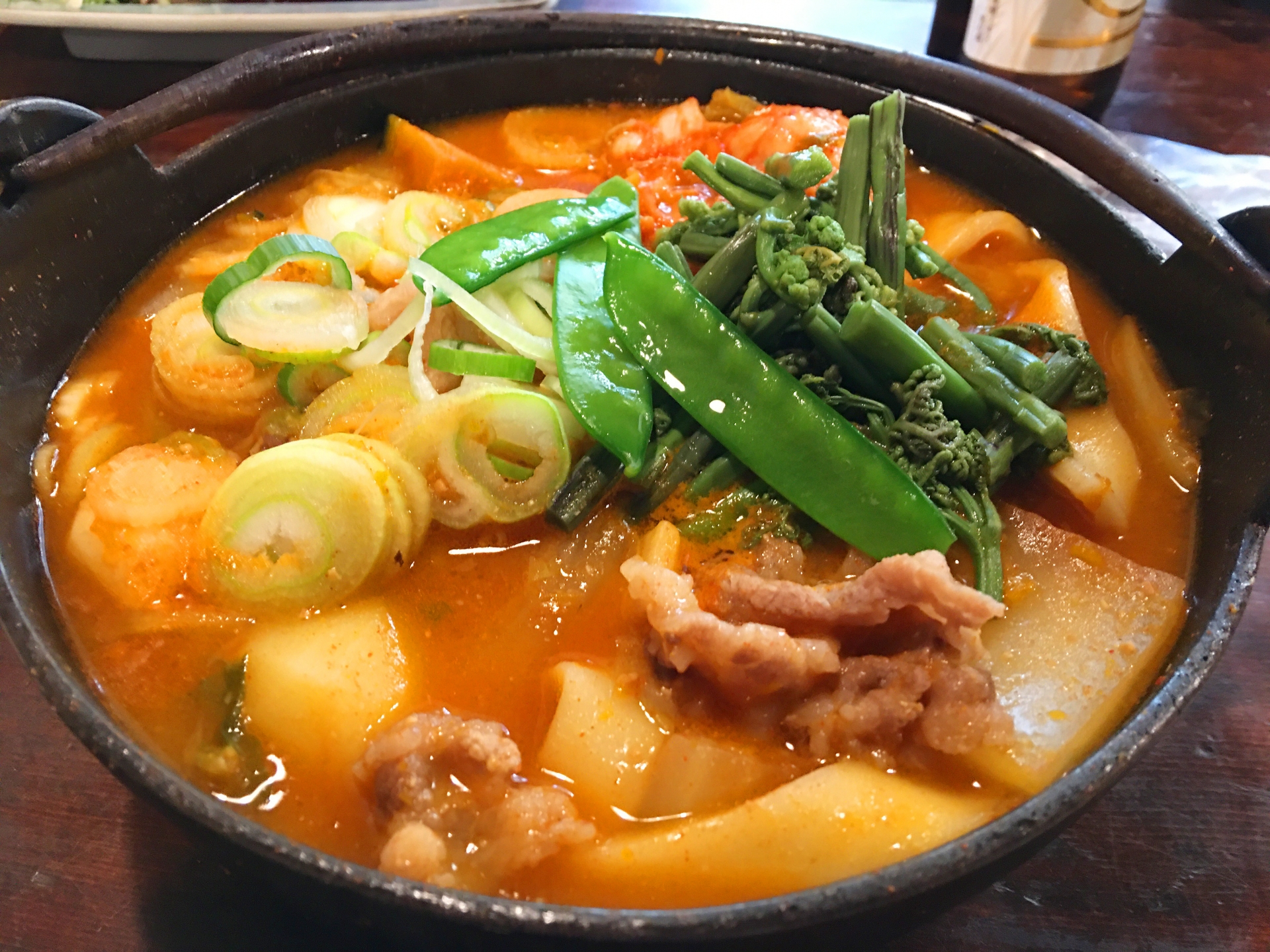
Houtou Noodles
The ultimate soul food of Yamanashi. Imagine thick, hand-kneaded flat wheat noodles simmering in a rich, velvety miso broth. The soup is packed with chunks of sweet kabocha squash that melt into the liquid, creating a golden, earthy base. Each bite is a warm embrace, smelling of fermented soy and mountain vegetables. It is rustic, hearty, and deeply satisfying after a day in the crisp lakeside air.
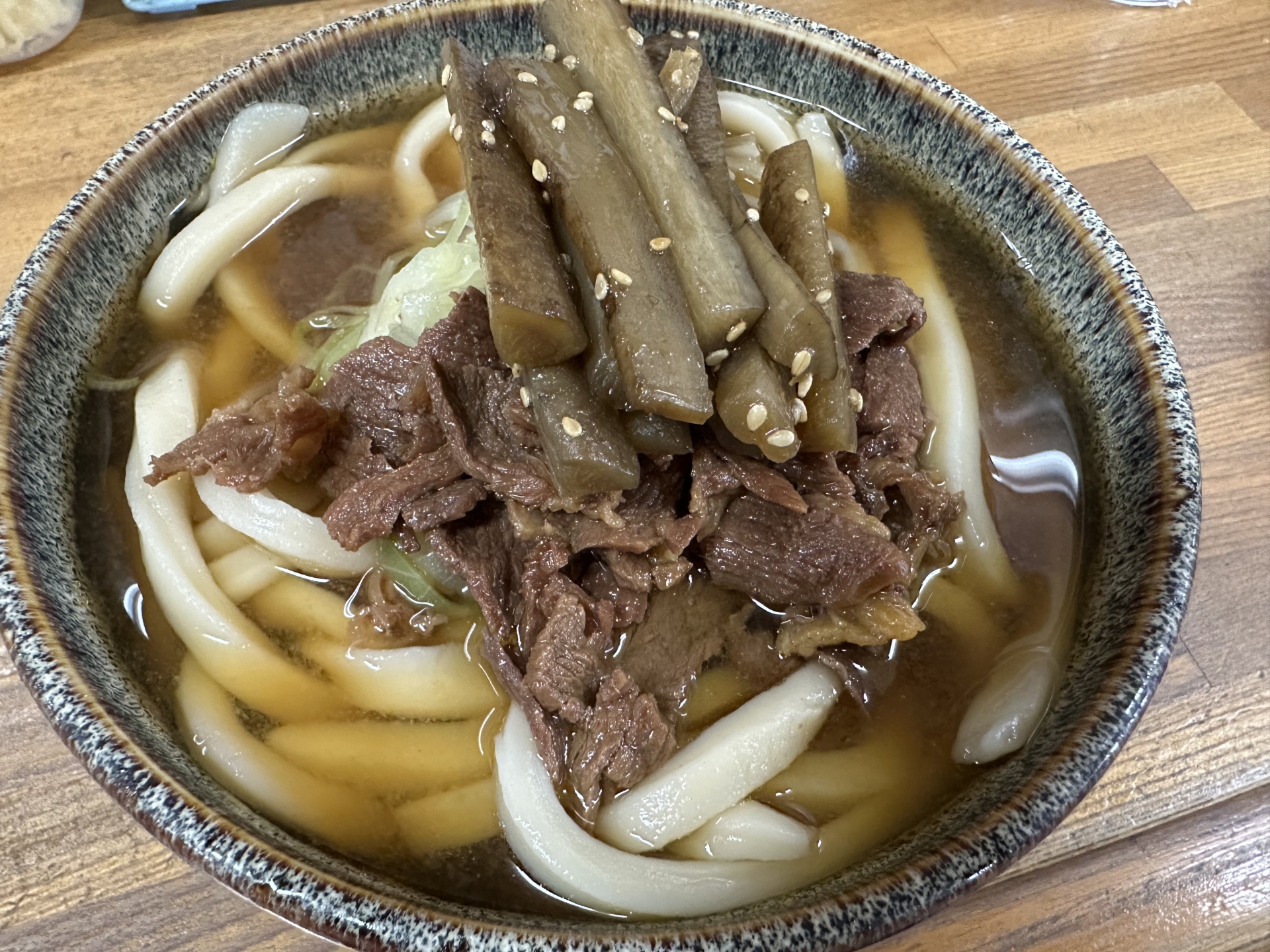
Yoshida Udon
Known for having the firmest texture in Japan, these noodles offer a delightful chew that demands your attention. Traditionally served with a unique topping of boiled cabbage and savory horse meat, the broth is a complex blend of miso and dashi. Add a spoonful of 'suridane'—a spicy condiment of sesame, chili, and oil—to ignite the palate and elevate the umami notes of the dish.
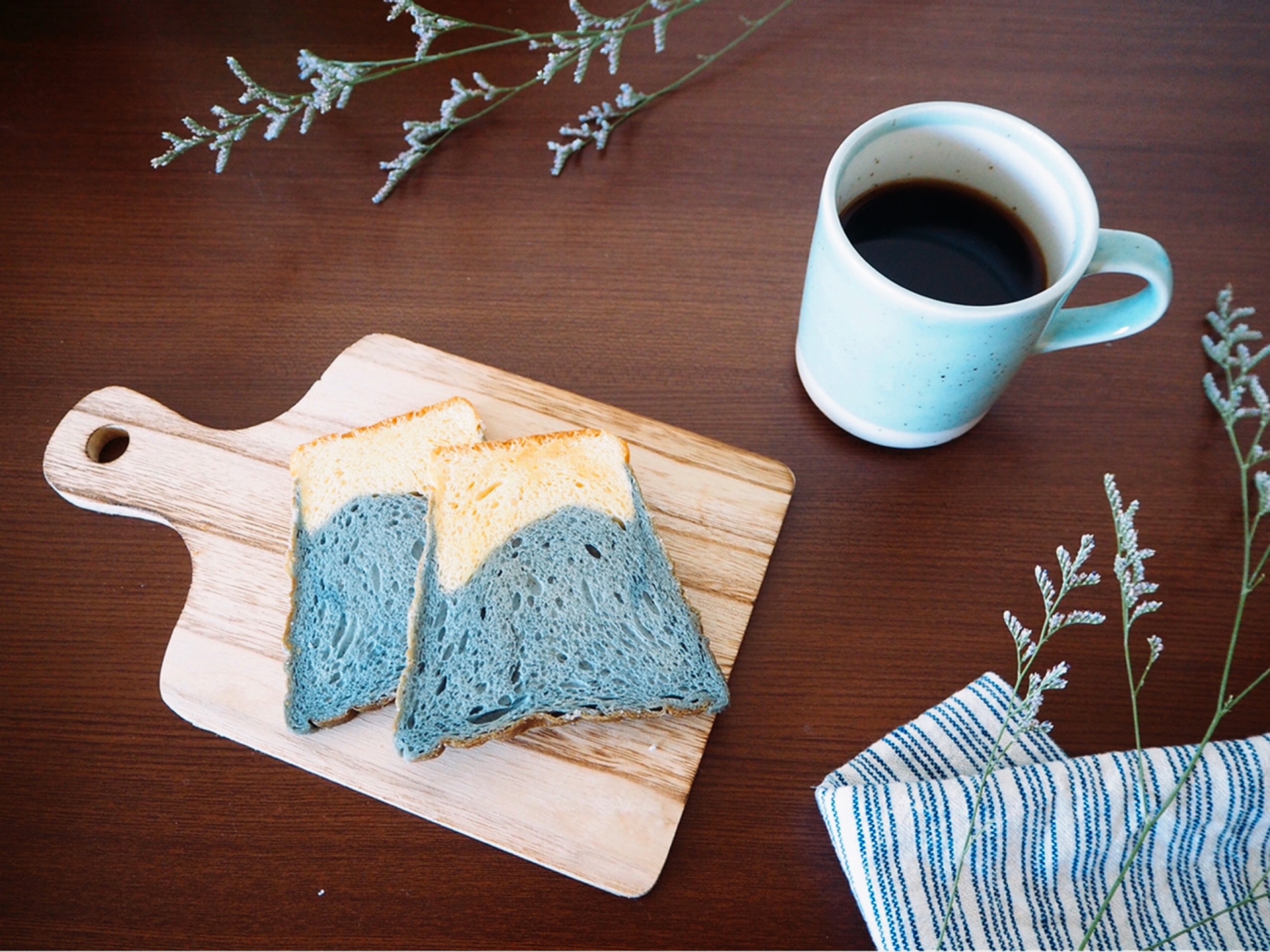
Fujisan Shokupan
A whimsical yet gourmet treat. This artisanal bread is meticulously baked to reveal a blue-and-white cross-section of Mt. Fuji when sliced. Infused with the juice of local Kyoho grapes and premium Yamanashi milk, the crumb is incredibly fluffy and fragrant. It is a visual and olfactory delight, capturing the iconic silhouette of the mountain in a sweet, buttery loaf that melts in your mouth.
Premium Stays
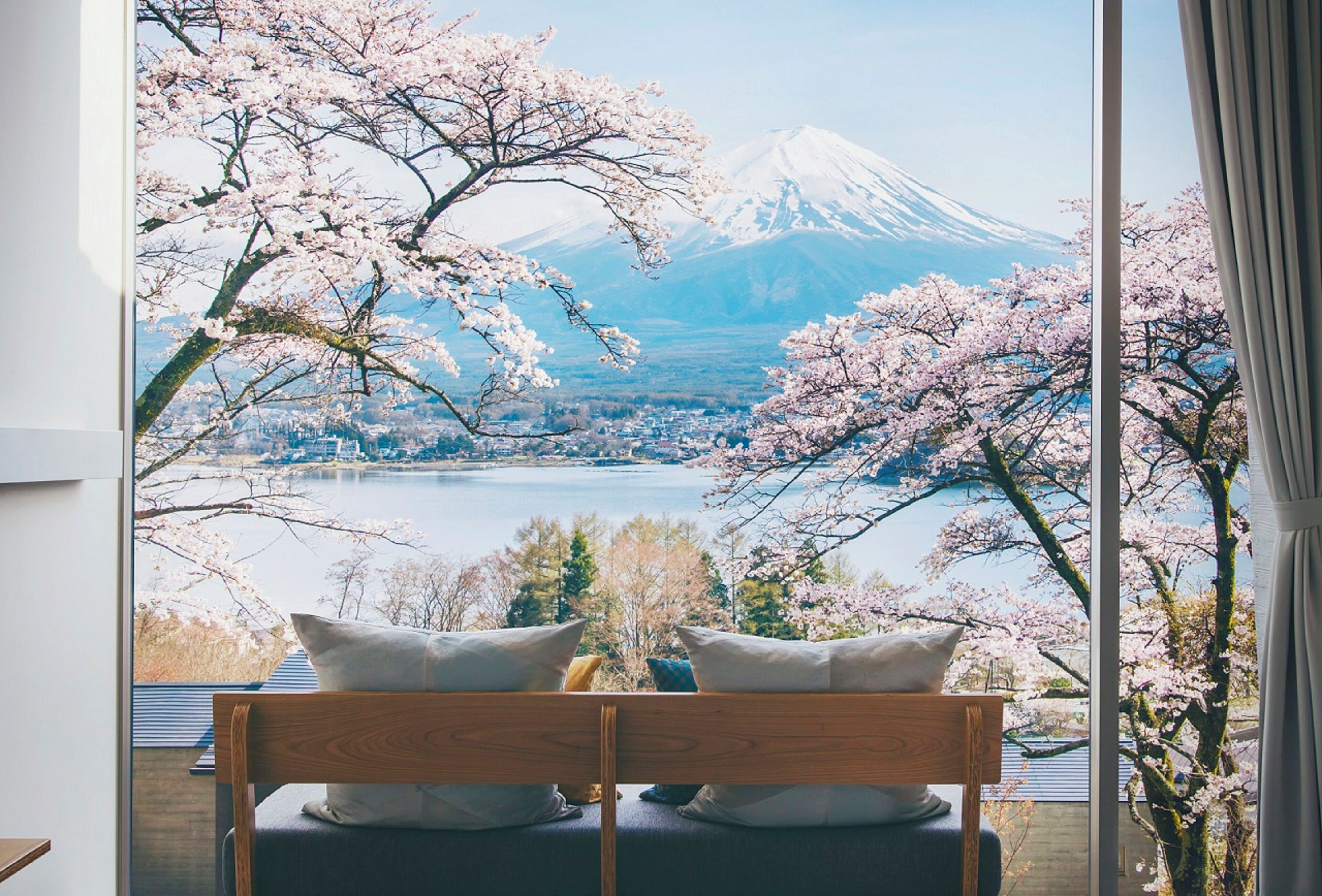
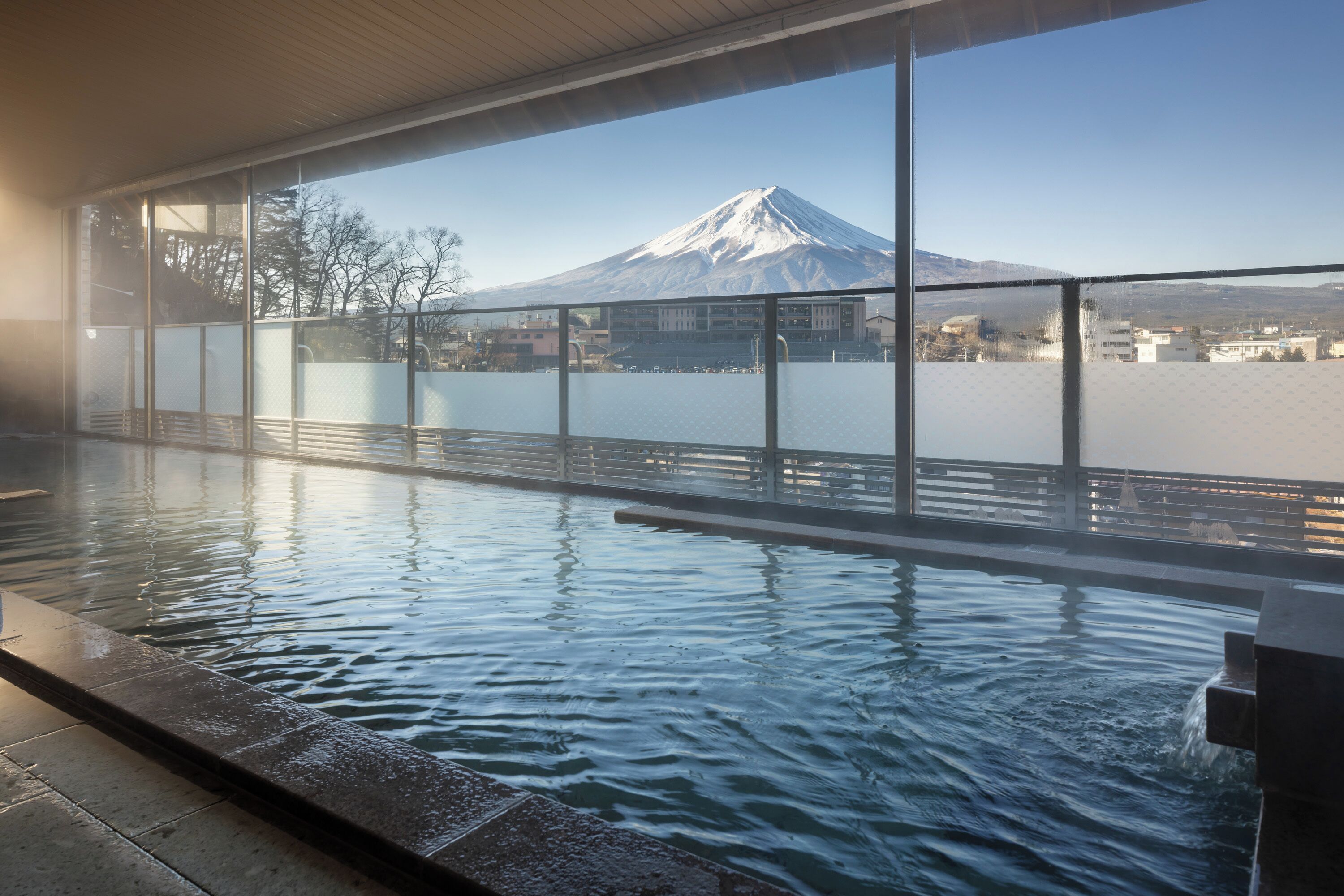
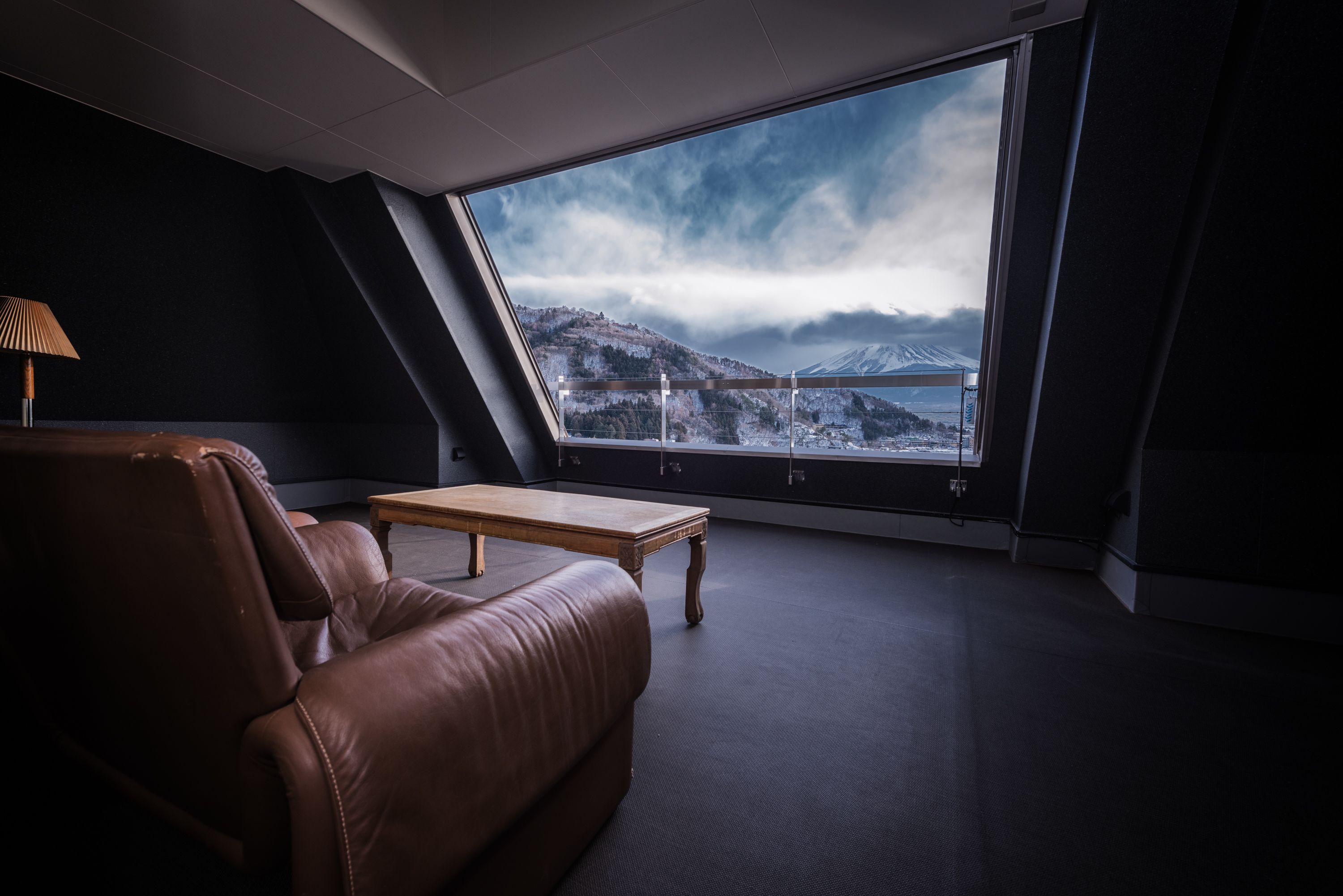
For the ultimate experience, stay on the northern shore of the lake. This 'Fuji-view side' ensures that the majestic volcano is the first thing you see upon waking, often reflected perfectly in the mirror-still water of the early morning.
Getting There
From Tokyo (Shinjuku Station), take the 'Fuji Excursion' limited express train for a direct 2-hour journey. Alternatively, highway buses run frequently from Shinjuku, Shibuya, and Tokyo Stations. Once at Kawaguchiko Station, use the Omni Bus loops to navigate the lakeside.
FAQ
Inspired?
Share this destiny with someone special.