Yamagata
Welcome to Ginzan Onsen
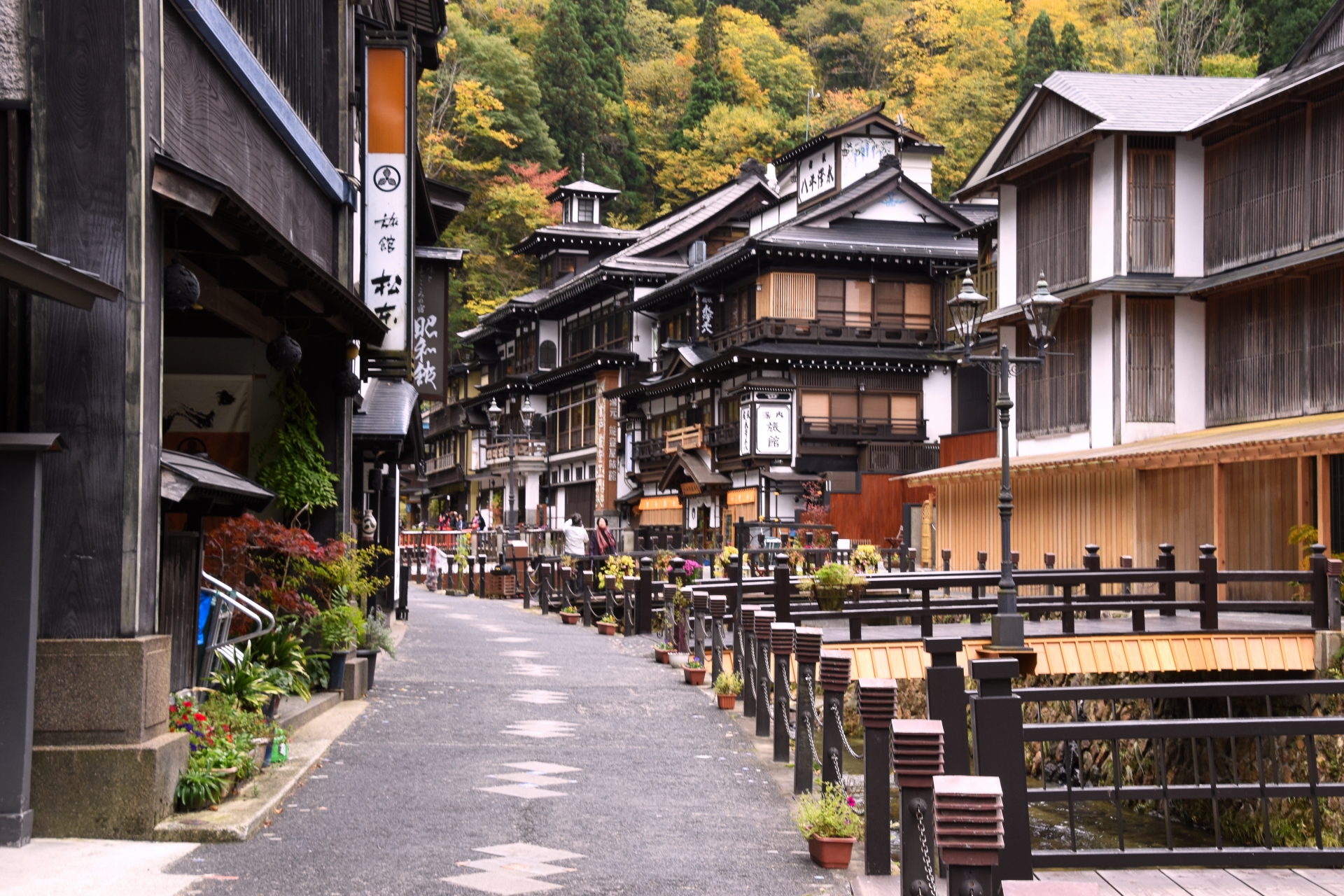
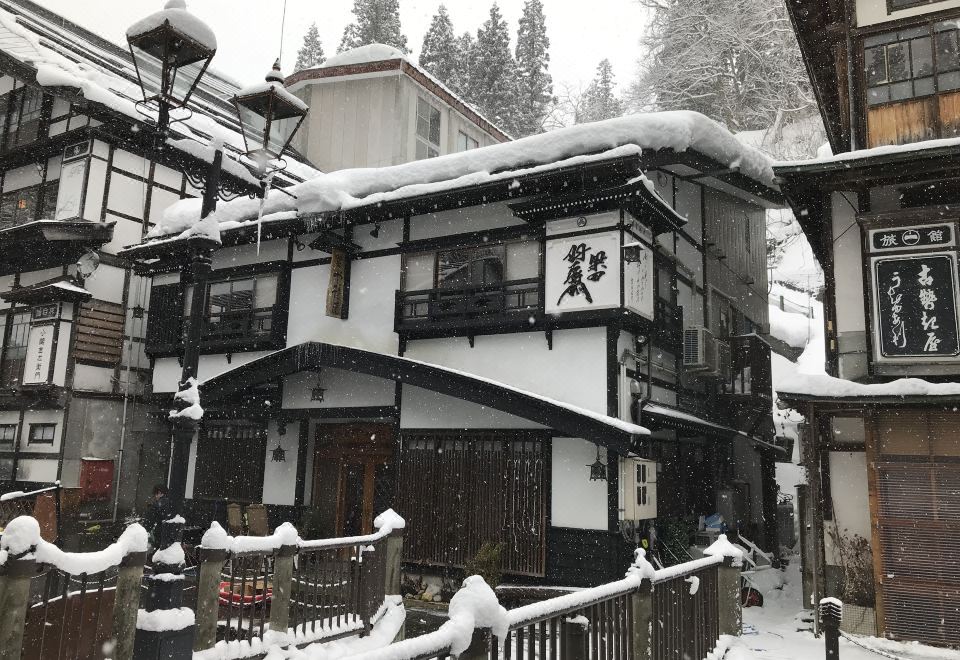
As you cross the red bridge into Ginzan Onsen, the modern world dissolves into a sepia-toned dream. The air is thick with the scent of sulfur and roasting chestnuts, while the Ginzan River hums a rhythmic lullaby against the timber-framed ryokans. This is not merely a destination; it is a sensory immersion into Japan’s Taisho Era. Gas lanterns flicker at dusk, casting a warm, amber glow on the falling snow, turning the narrow pedestrian street into a cinematic masterpiece. For the discerning traveler, Ginzan offers a rare stillness—a chance to soak in mineral-rich waters while watching the world slow to the pace of a drifting snowflake. It is where history breathes and luxury is found in the simplicity of steam and stone.
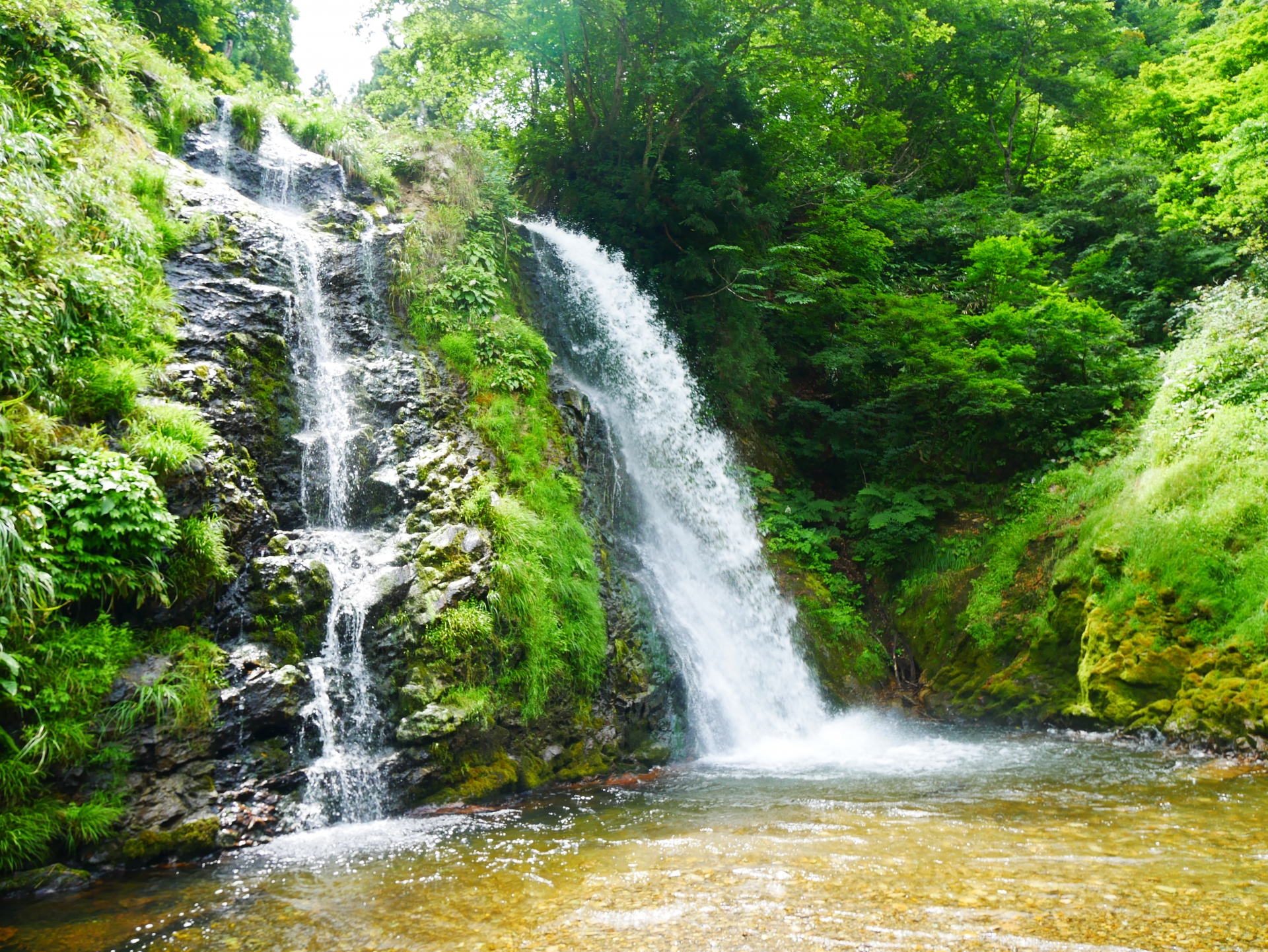
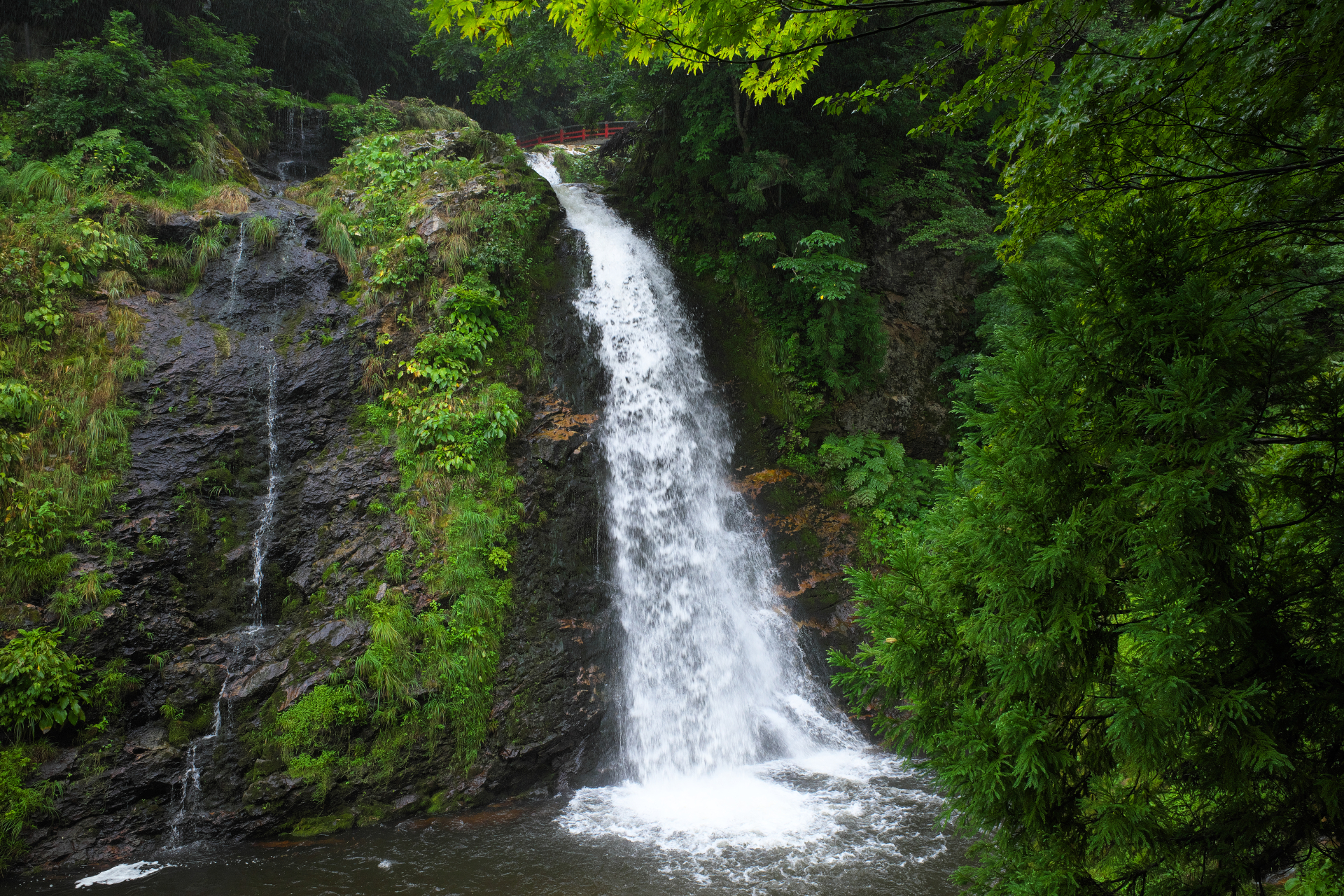
Shirogane Falls
A 22-meter veil of crystalline water cascading into a pool of emerald light, Shirogane Falls serves as the village's natural crescendo. The mist carries the crisp scent of ancient pine and wet moss, providing a cooling embrace even in the height of summer. As the water thunders against the jagged rocks, the sound creates a natural white noise that invites deep meditation. It is a place where the raw power of Yamagata’s wilderness meets the delicate aesthetic of the onsen town.
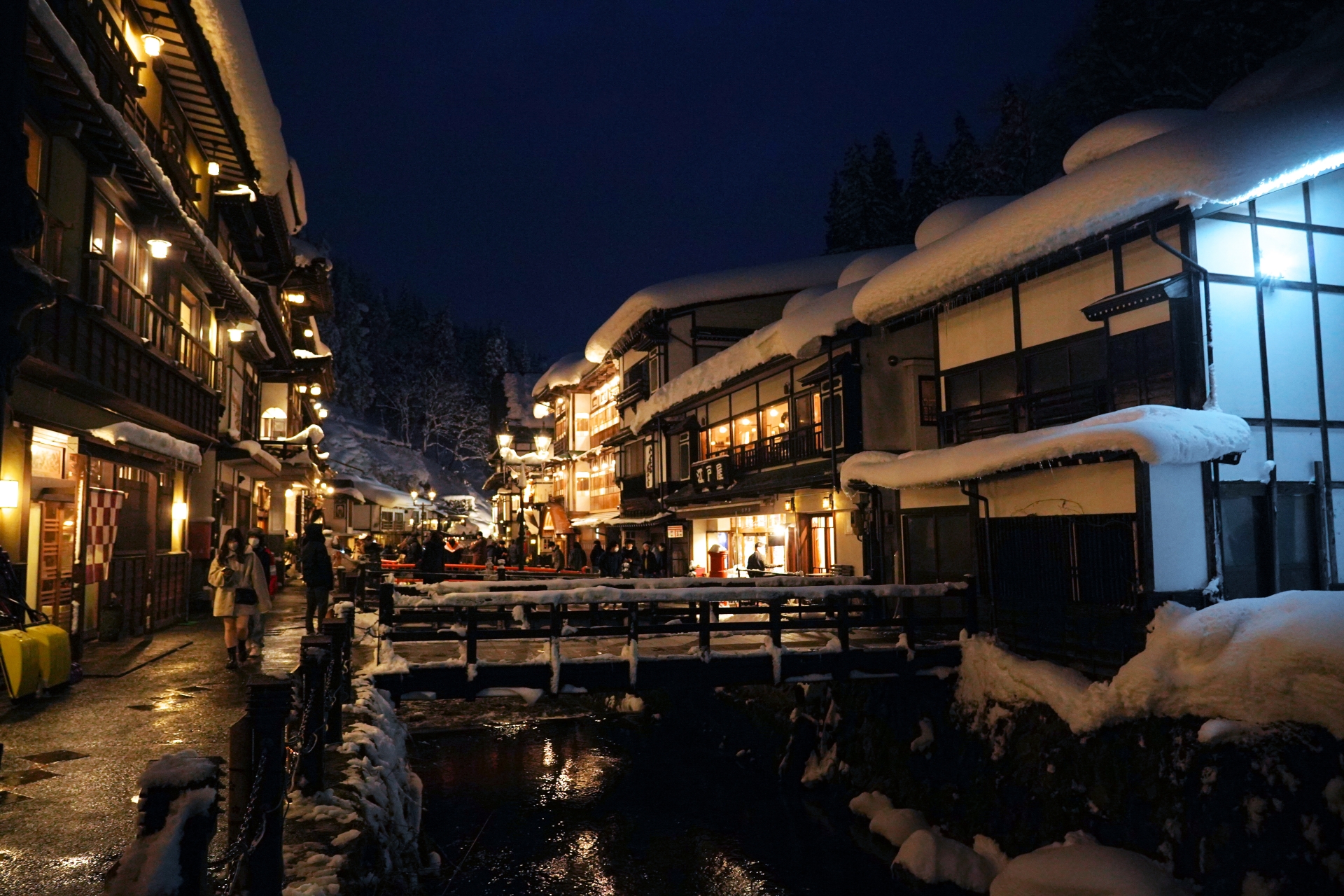
The Taisho-era River Walk
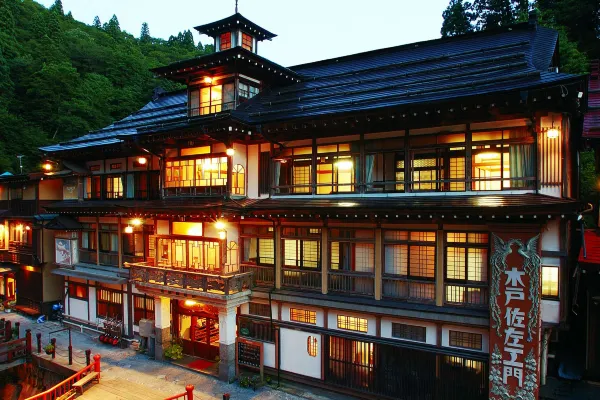
Strolling along the Ginzan River is like walking through a living museum of architectural mastery. The four-story wooden ryokans, adorned with intricate koshimaki plasterwork and colorful lithographs, tell stories of a century past. At twilight, the street transforms as gas lamps are lit by hand, reflecting gold off the ripples of the river. The tactile sensation of the wooden railings and the rhythmic 'clack-clack' of geta sandals on the stone pavement create an atmosphere of profound nostalgia and elegance.
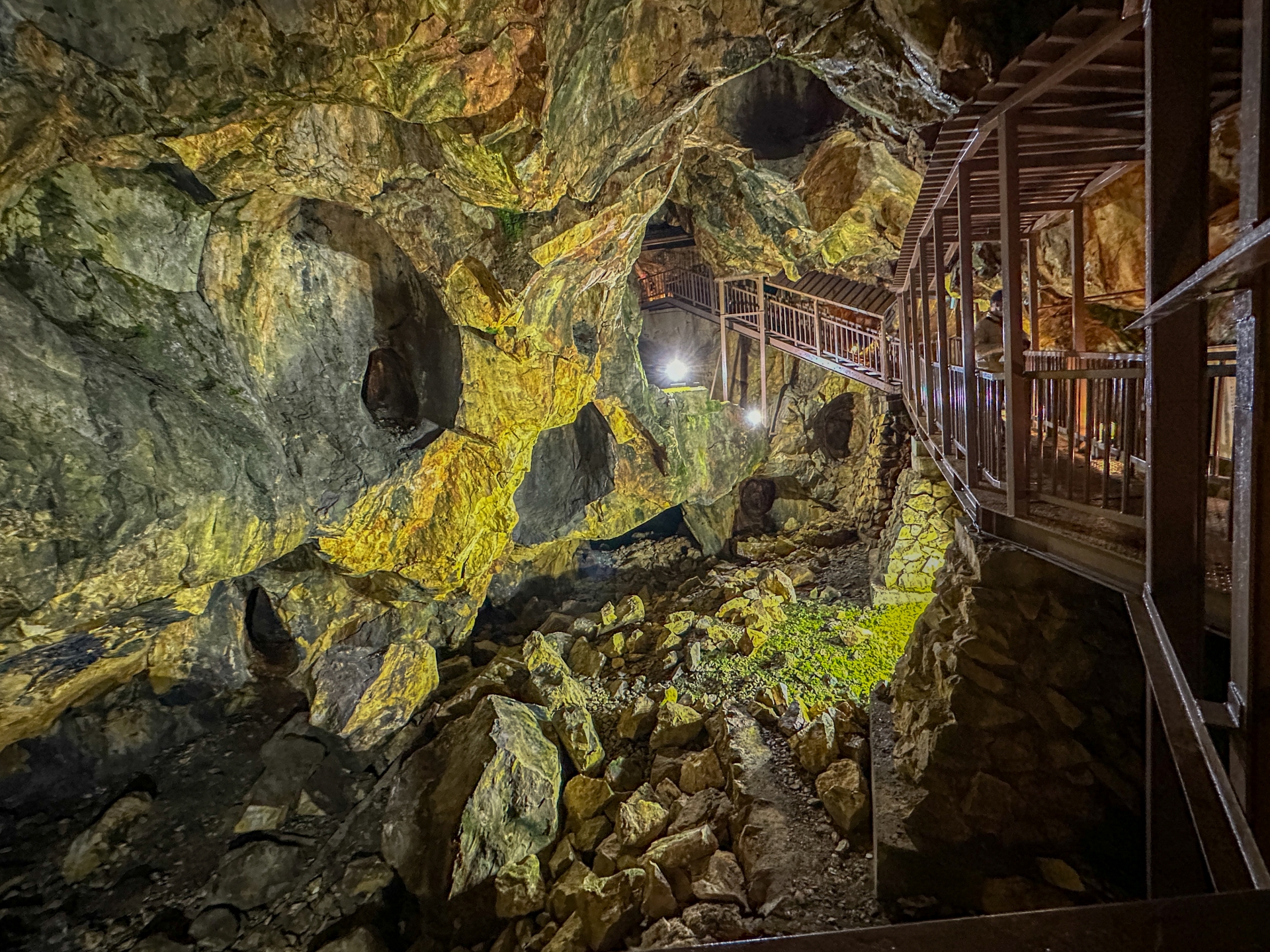
Nobazawa Silver Mine Ruins
Venture into the cool, damp silence of the silver mine that gave the town its name. These tunnels, hand-carved centuries ago, offer a stark, somber contrast to the opulent streets above. The air inside remains a constant, chilly temperature, smelling of iron and earth. As you navigate the illuminated passages, you can see the pickaxe marks of Edo-period miners, a humbling reminder of the labor that birthed this hidden paradise. It is a journey into the literal and metaphorical foundations of Ginzan.
Local Soul Food
Tastes you can't find anywhere else.
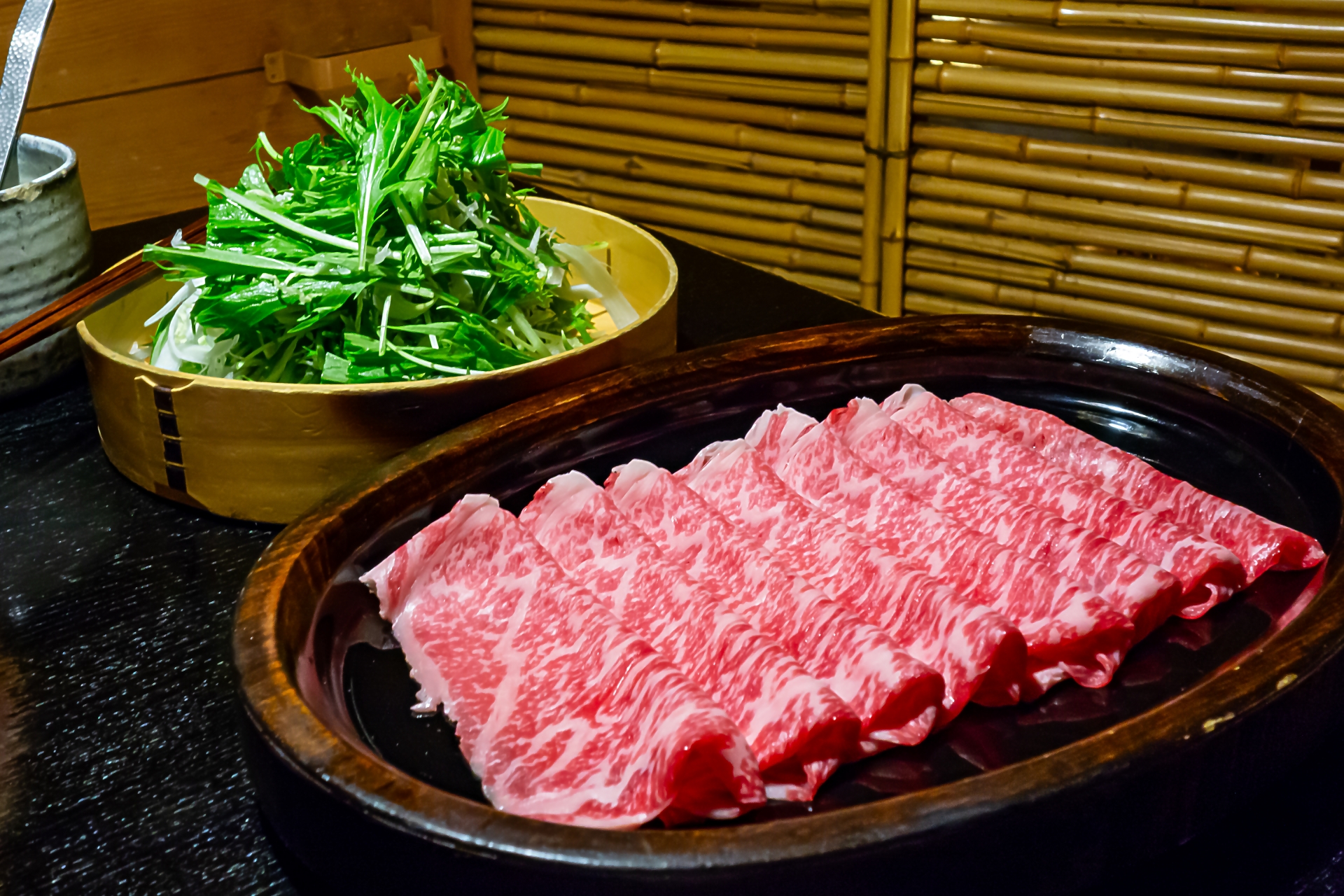
Obanazawa Beef Shabu-Shabu
Indulge in the buttery melt of premium Obanazawa Beef, a local Wagyu variety raised in the extreme Yamagata climate. The marbling is so delicate it begins to dissolve at room temperature. Swirled briefly in a boiling dashi, the fat renders into a silky, savory nectar that coats the palate in pure umami. It is a decadent, sensory experience that defines luxury dining in the region.
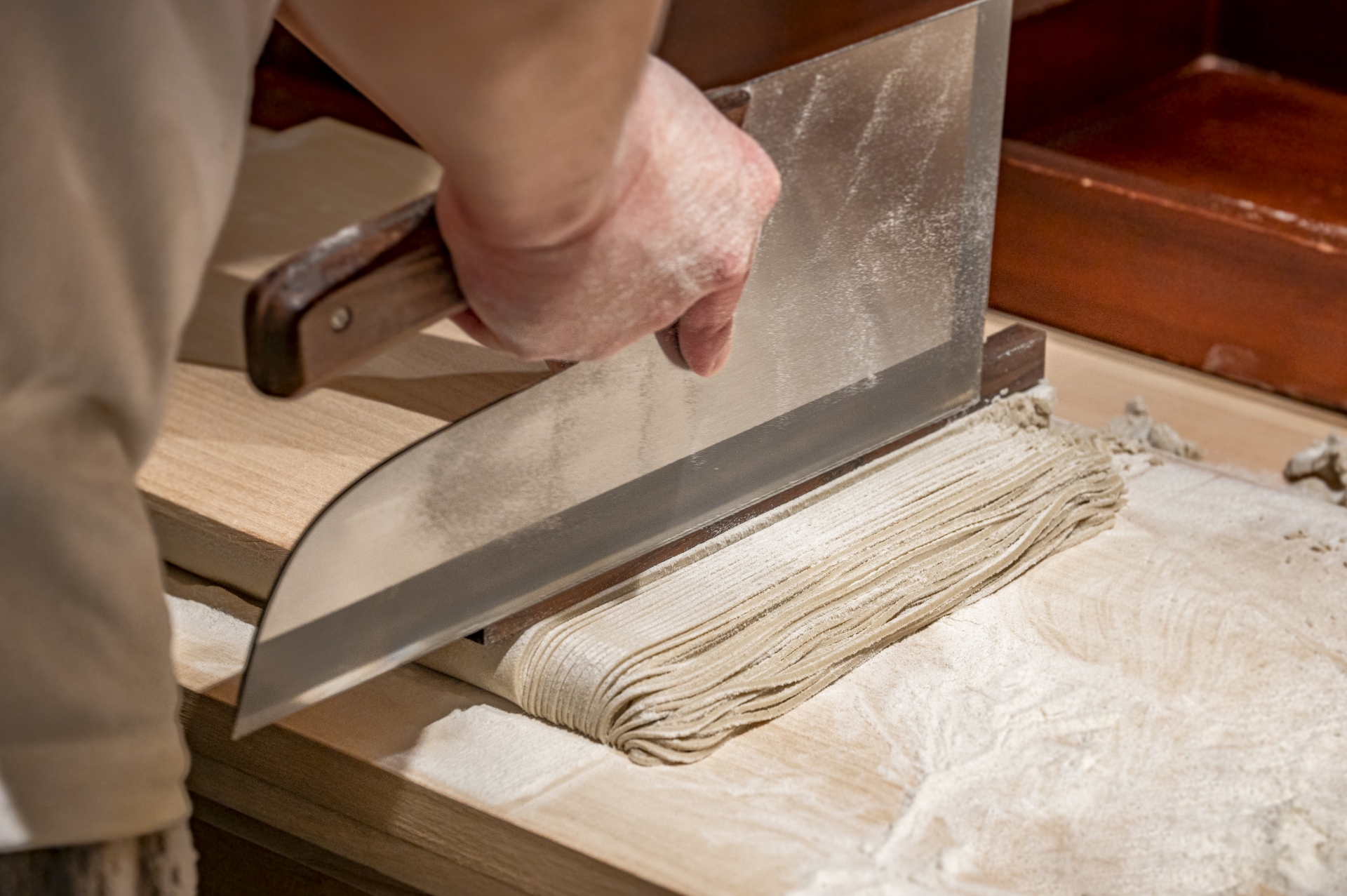
Hand-Pulled Ginzan Soba
Crafted from buckwheat grown in the mineral-rich soil of Yamagata, this soba offers a robust, nutty aroma and a satisfyingly firm bite. Served chilled on a bamboo mat, the noodles are dipped into a dark, smoky tsuyu made from aged bonito. The clean, earthy flavor profile is a perfect reflection of the surrounding mountains, providing a refreshing and authentic taste of the countryside.

Haikara-san Curry Bread
A sensory delight for the senses, this golden-brown bun is fried to a perfect crunch. The interior reveals a rich, aromatic curry filling with a subtle sweetness that balances the spice. The smell of freshly toasted dough wafts through the Ginzan streets, drawing visitors to its warmth. It is the ultimate comfort food, best enjoyed while sitting on a riverside bench watching the snow fall.
Premium Stays
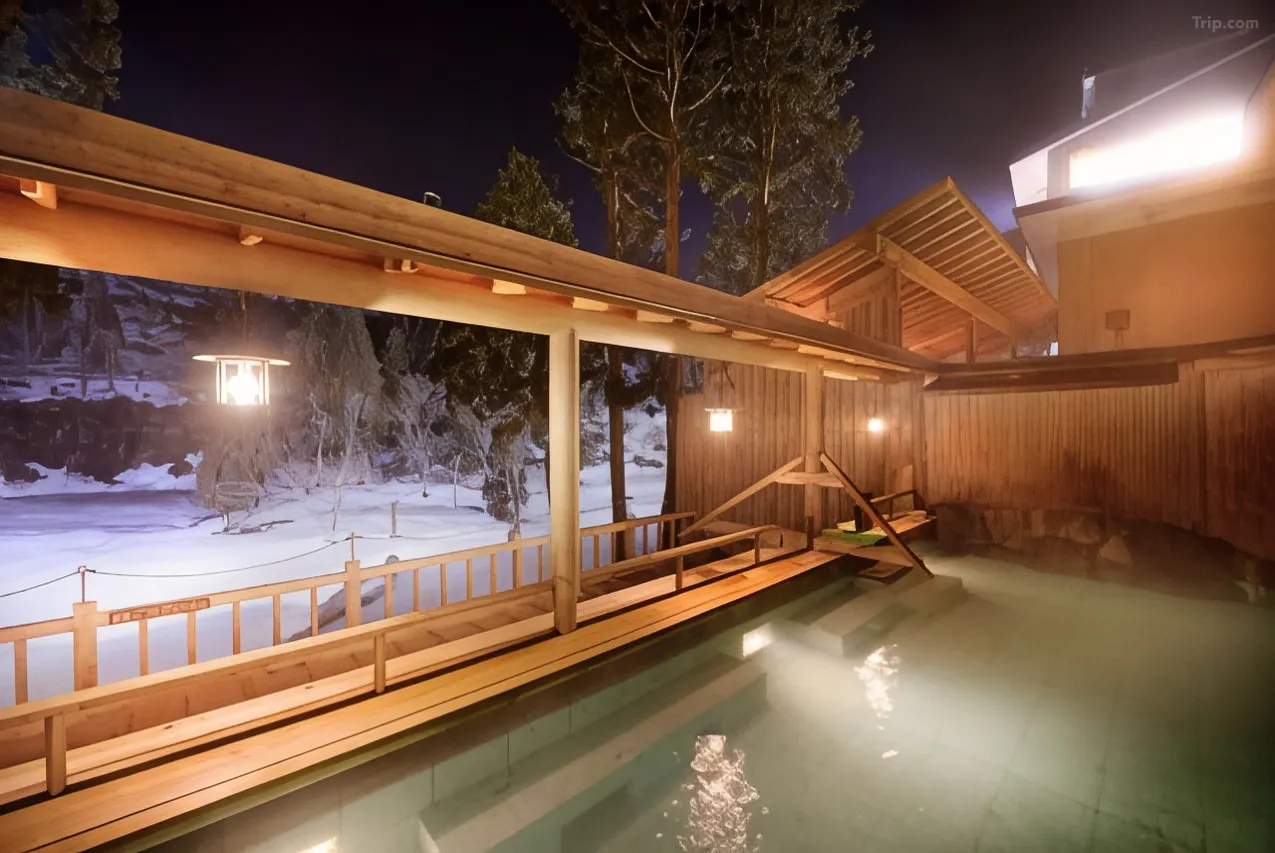
For the ultimate immersion, staying within the pedestrian-only historic district is essential. This allows you to experience the village after the day-trippers depart, when the gas lamps and river mist create a private, otherworldly sanctuary.
Getting There
Take the JR Yamagata Shinkansen from Tokyo to Oishida Station. From Oishida, take the 'Ginzan Hanagasa' bus. Note that buses are rare, departing roughly every 60-90 minutes; always synchronize your arrival with the bus schedule to avoid long waits.
FAQ
Inspired?
Share this destiny with someone special.