Welcome to Kawagoe Hikawa
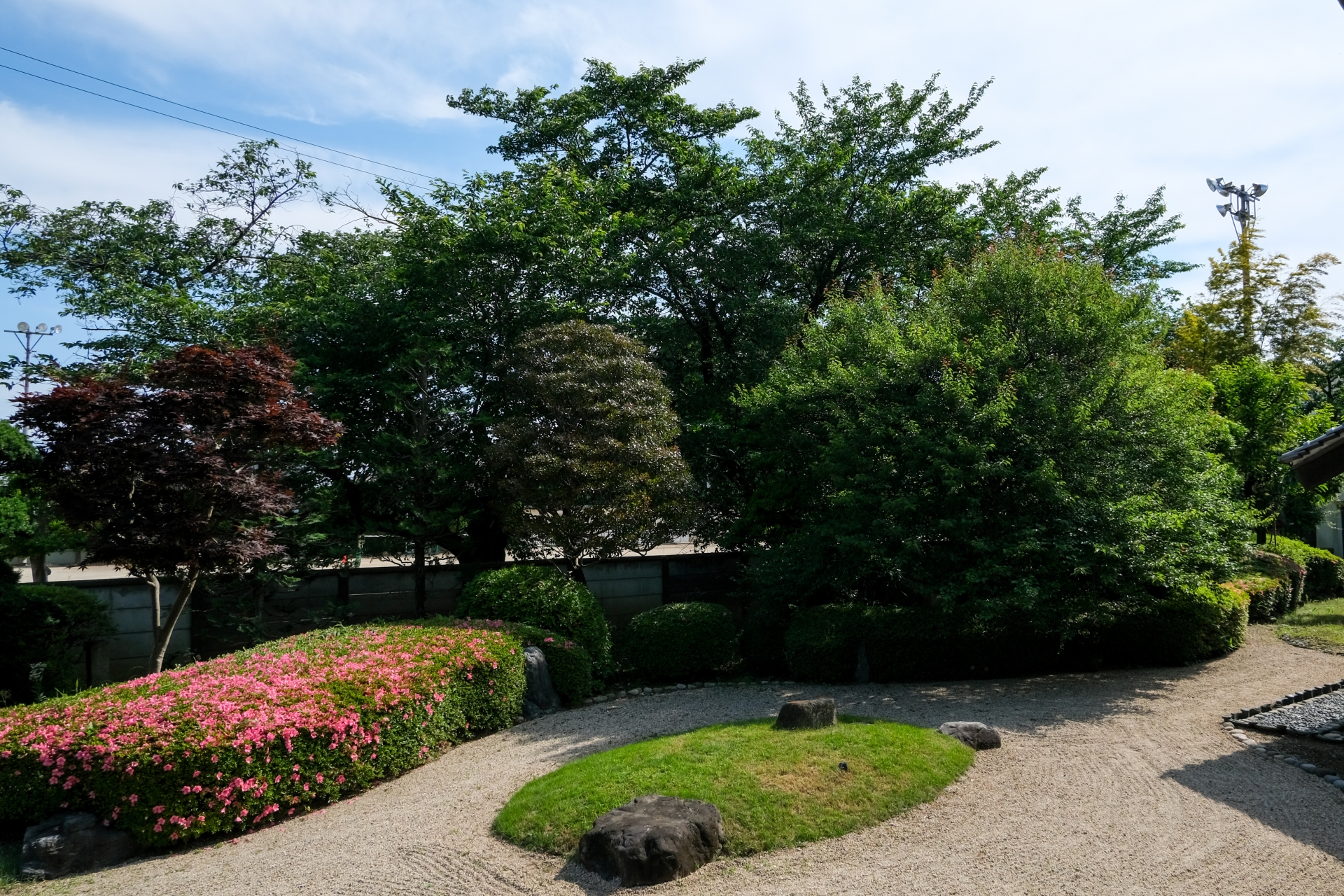
Step into a realm where time decelerates and the air carries the faint scent of aged cedar and incense. Kawagoe Hikawa Shrine, a 1,500-year-old sanctuary, is more than a destination; it is a spiritual tapestry woven with the prayers of those seeking love and connection. Known as the 'Shrine of Enmusubi' (matchmaking), its grounds are a sensory masterpiece. During the summer, the 'Wind Chime Corridor' creates a crystalline symphony that dances on the breeze, while the Shingashi River nearby offers a meditative flow of cherry blossom petals. This is 'Little Edo' at its most ethereal, a place where the architectural grandeur of the Tokugawa era meets the delicate, fleeting beauty of Japanese tradition. To walk these grounds is to reconnect with a profound sense of peace and destiny.
The Great Torii and Wind Chime Corridor
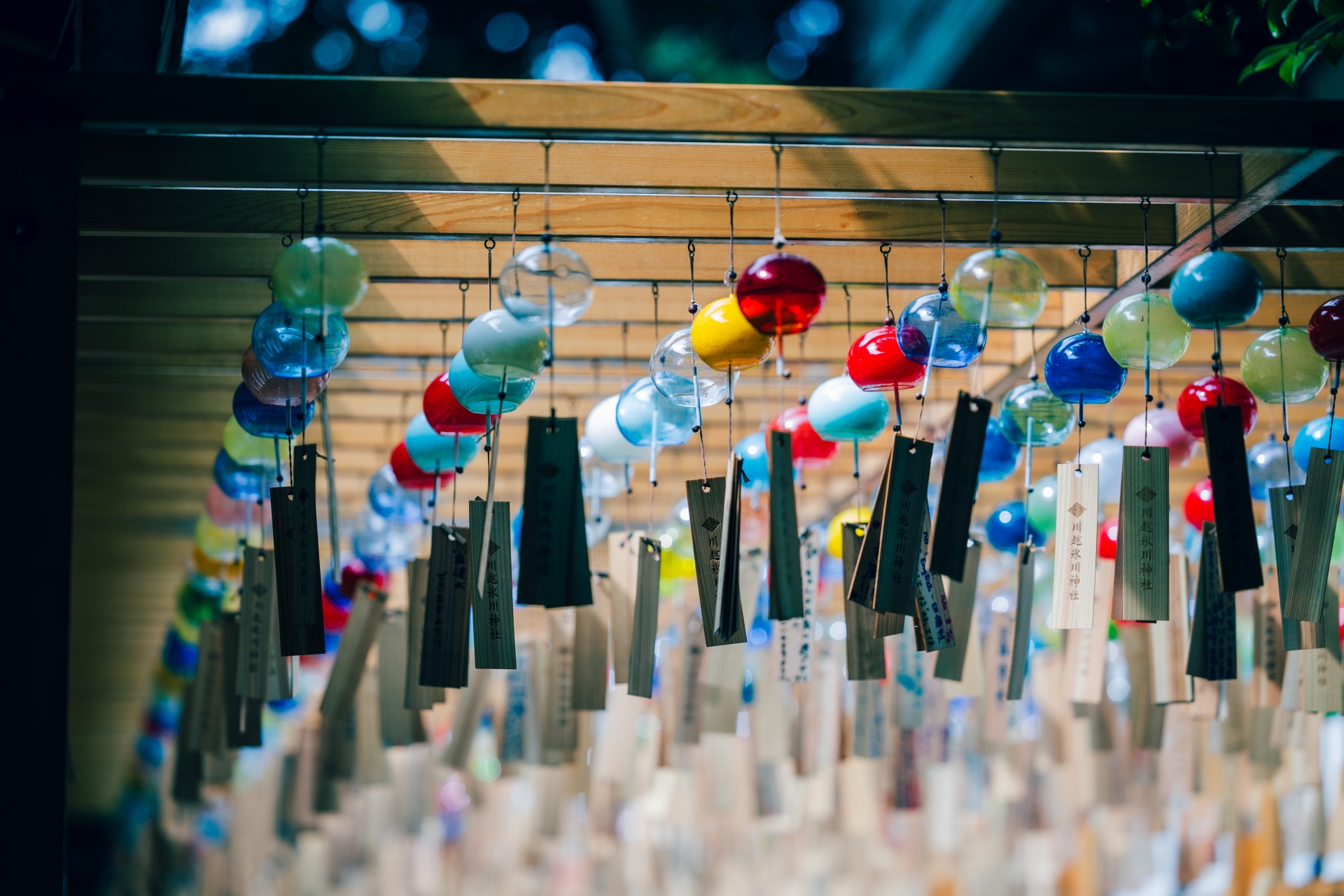
Standing beneath one of Japan's largest wooden Torii gates, you feel the weight of centuries. The true magic, however, lies in the Wind Chime Corridor. Over 2,000 glass Edo-fūrin chimes hang suspended, each carrying a wooden strip with a prayer. As the wind brushes through, the collective tinkling creates a 'soundscape of the soul' that is both cooling and deeply moving. It is a visual and auditory feast that captures the ephemeral nature of Japanese summer, inviting you to pause and listen to the divine.
Kurazukuri Street & Toki no Kane
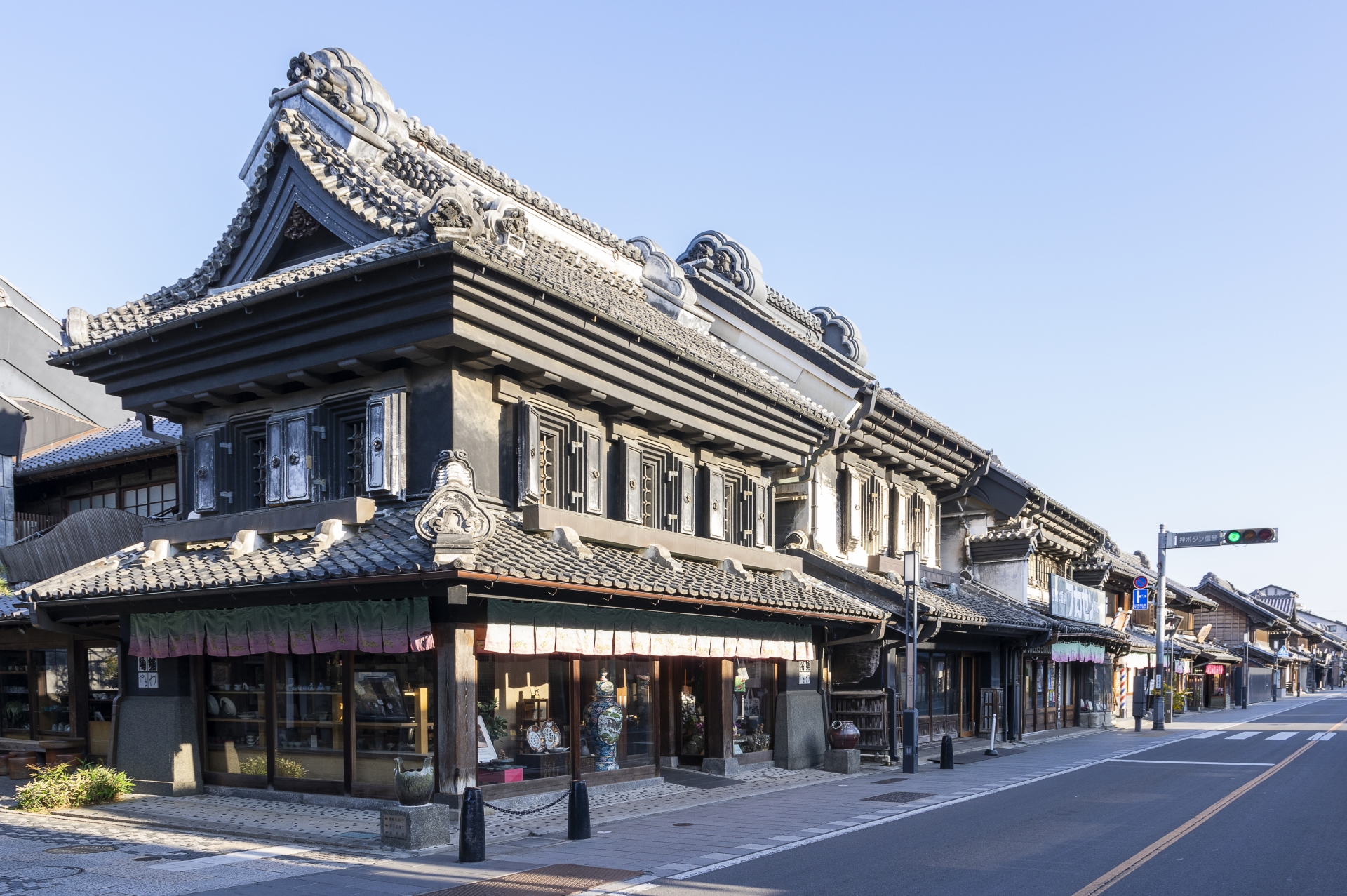
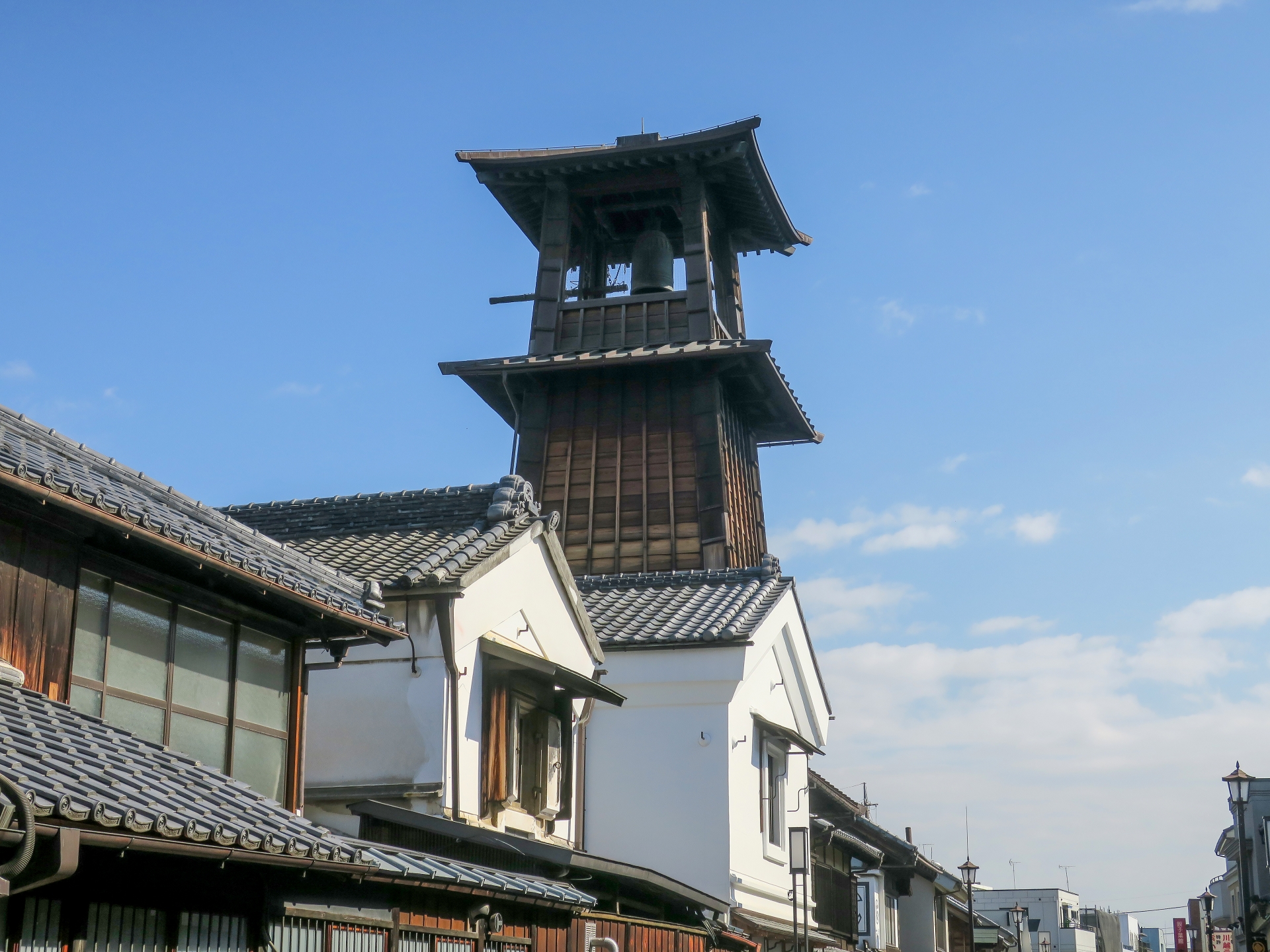
A short stroll from the shrine leads you into a living museum. The black-plastered warehouse walls of Kurazukuri Street stand as stoic reminders of Edo-period commerce. The air here is thick with the scent of roasting sweet potatoes and soy-glazed dango. The centerpiece, Toki no Kane (Bell of Time), towers over the district, its resonant chime having signaled the hour to residents for nearly 400 years. The tactile contrast of the rough, cool plaster against the warmth of the midday sun is quintessential Kawagoe.
Shingashi River Cherry Blossom Tunnel
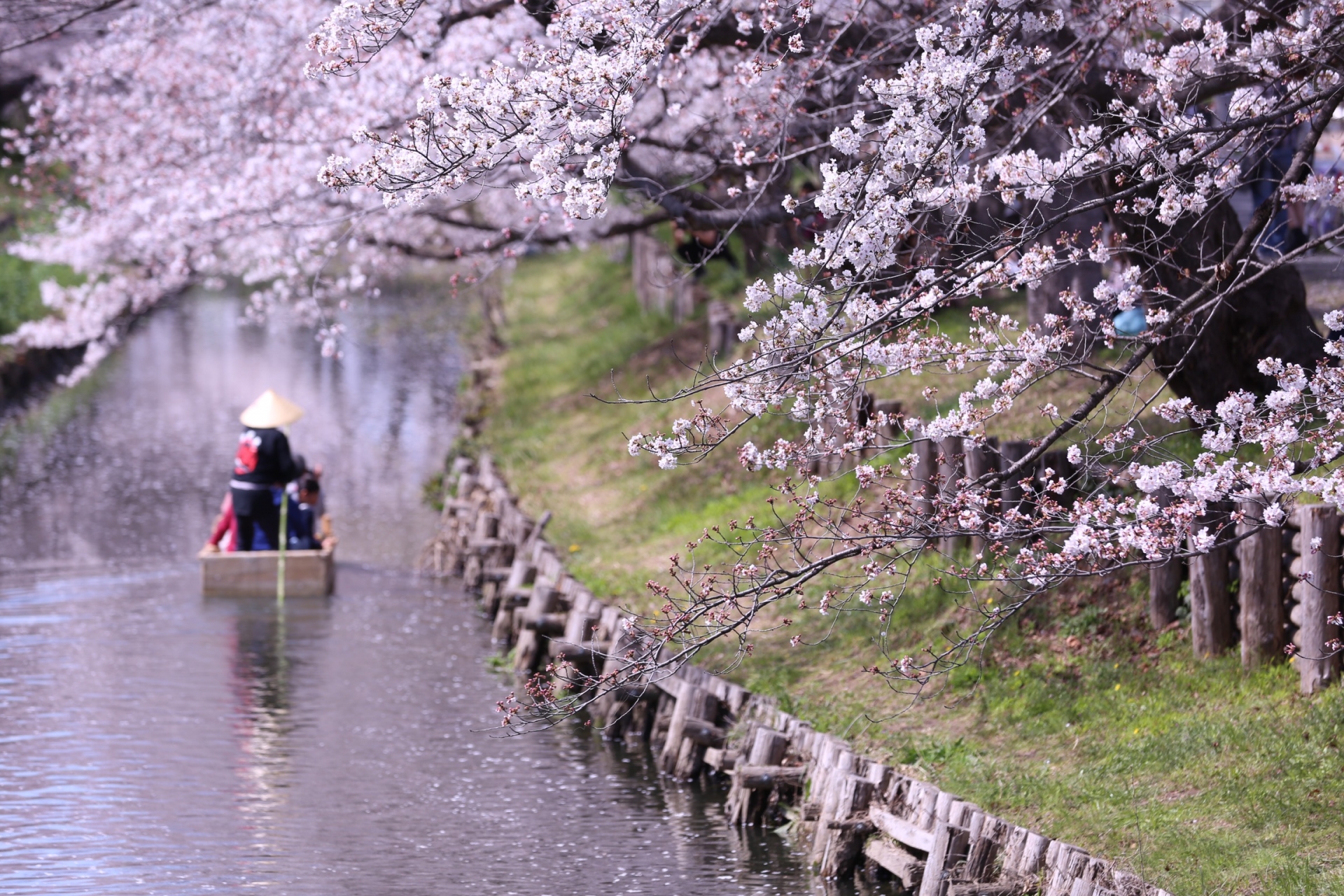
Behind the shrine lies the Shingashi River, where the 'Hana-ikada' (flower rafts) phenomenon occurs every spring. As cherry blossoms fall, they blanket the water in a thick, vibrating pink carpet. Rowing a traditional wooden boat through this petal-laden stream feels like navigating a dreamscape. The rhythmic splash of the oar and the saline-fresh scent of the water create a meditative experience that remains etched in your memory long after the petals have drifted away.
Local Soul Food
Tastes you can't find anywhere else.
Kawagoe Unagi (Grilled Eel)
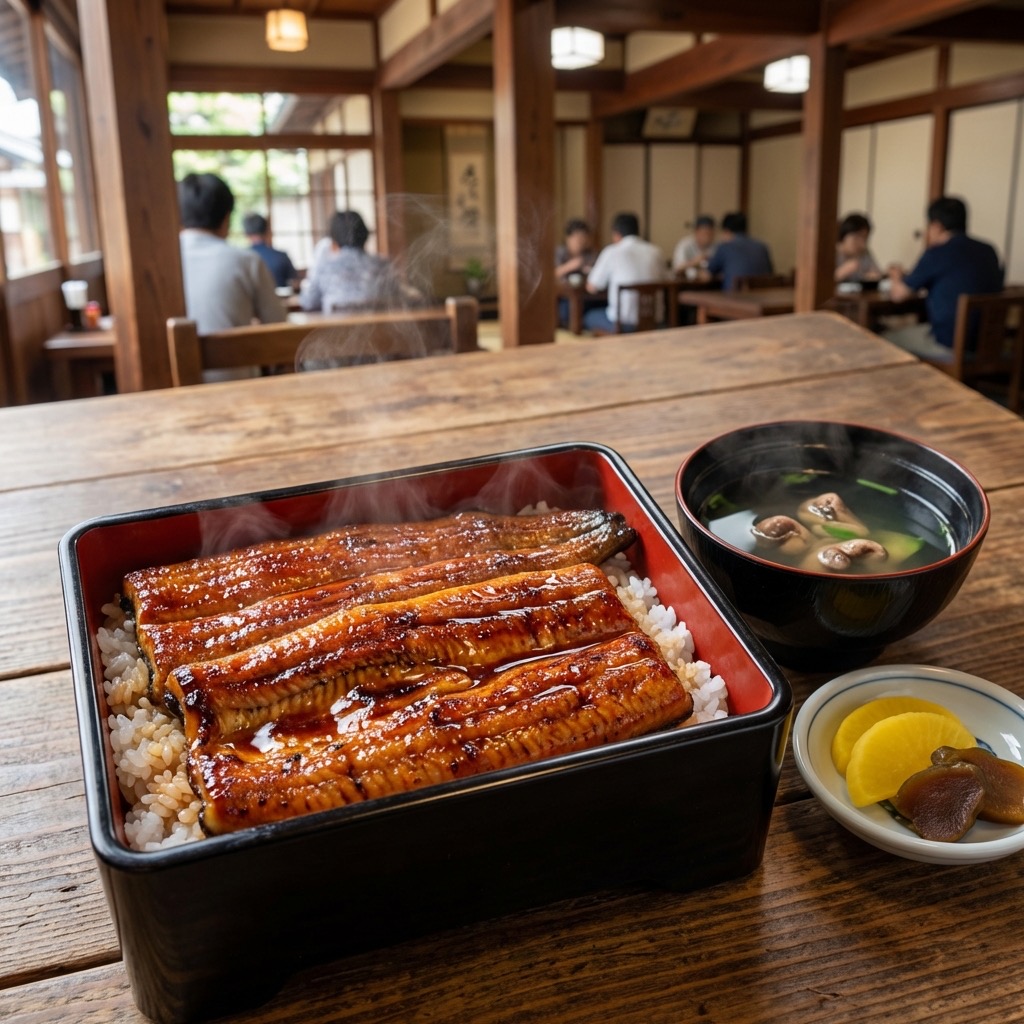
Kawagoe's unagi is legendary, dating back to the Edo period when meat was scarce. The eel is steamed to a velvety softness before being grilled over binchotan charcoal. The result is a smoky, caramelized exterior that yields to a buttery, melt-in-the-mouth interior, all drizzled with a secret tare sauce that has been aged for generations.
Satsumaimo Kaiseki (Sweet Potato Course)
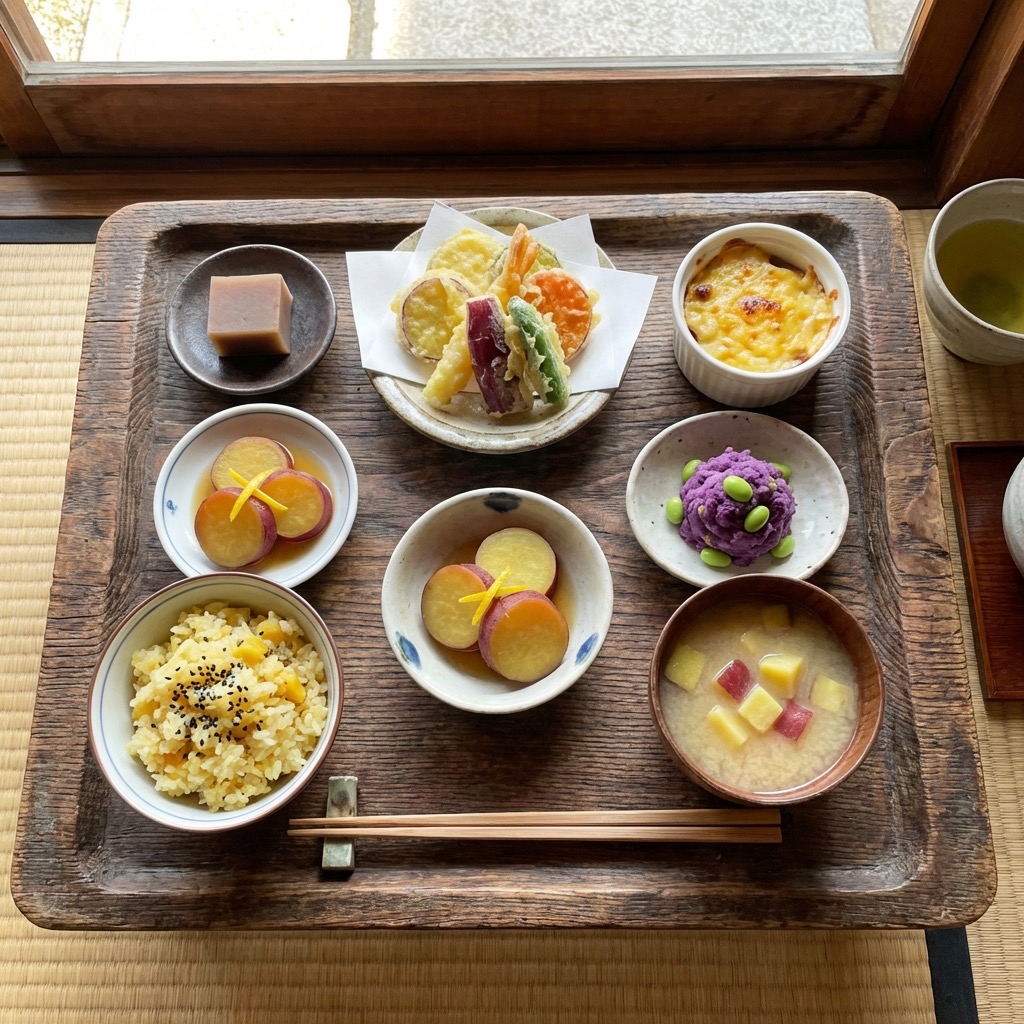
Kawagoe is the 'City of Sweet Potatoes.' This multi-course feast elevates the humble tuber into a culinary art form. Expect delicate tempura, silky purées, and even sweet potato-infused noodles. The earthy sweetness and varying textures—from crisp to creamy—showcase the incredible versatility of this local staple.

Coedo Craft Beer & Soy Dango
Wash down your street snacks with a 'Beniaka' Coedo beer, brewed with local roasted sweet potatoes. Pair it with a charcoal-grilled dango, basted in a savory-sweet soy glaze. The contrast between the cold, complex notes of the ale and the warm, chewy texture of the rice dumplings is a masterclass in local flavor pairing.
Premium Stays
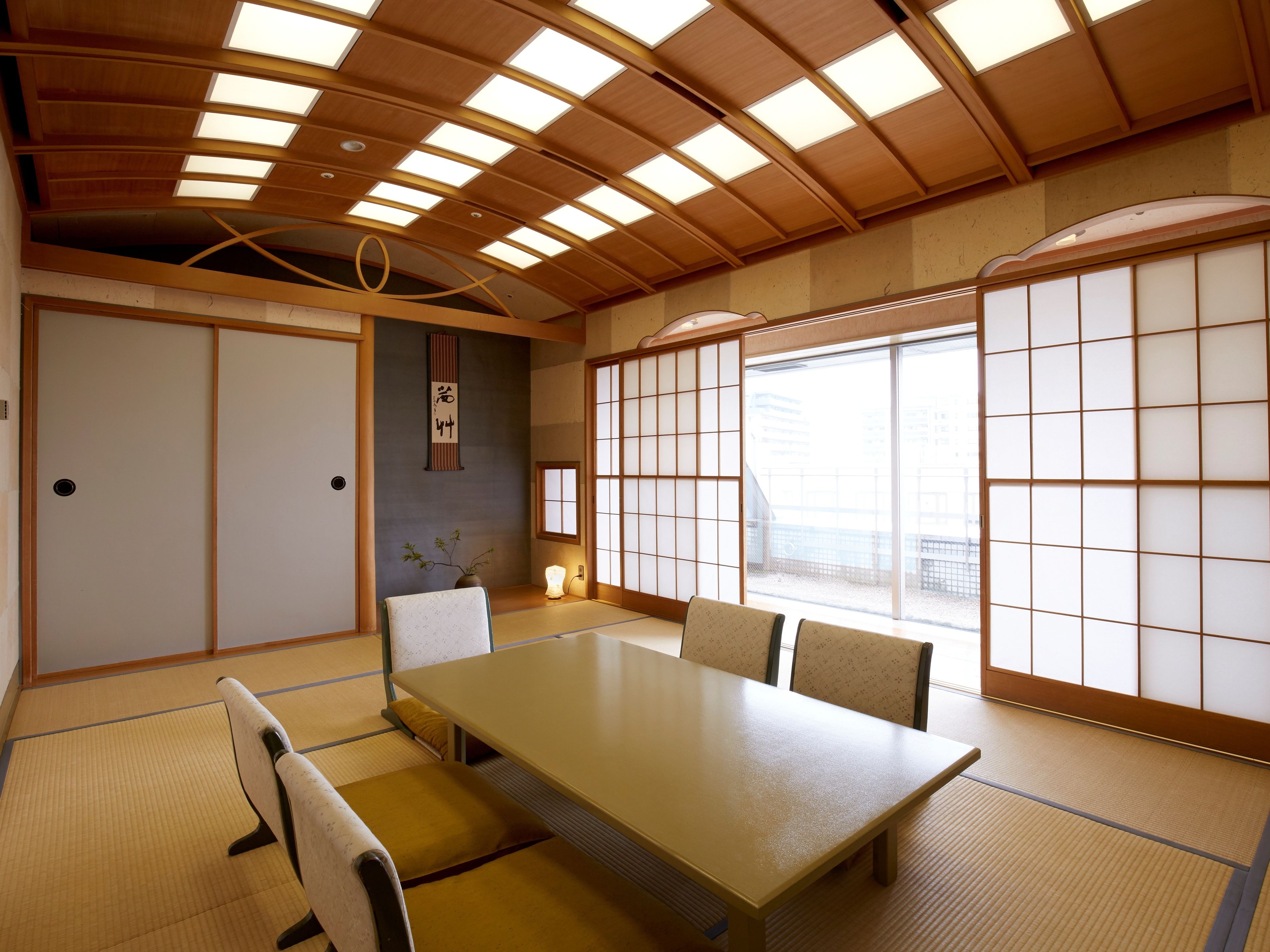
To truly absorb the spiritual energy of Kawagoe, stay within the historic district. While many visit as a day trip, an overnight stay allows you to experience the shrine at dawn, free from the bustling crowds of midday.


Getting There
From Tokyo, take the Seibu Shinjuku Line 'Koedo' Limited Express for a comfortable 45-minute ride. Alternatively, the Tobu Toju Line from Ikebukuro takes about 30 minutes. From Kawagoe Station, the 'Co-Edo Loop Bus' drops you directly at the shrine entrance.
FAQ
Inspired?
Share this destiny with someone special.